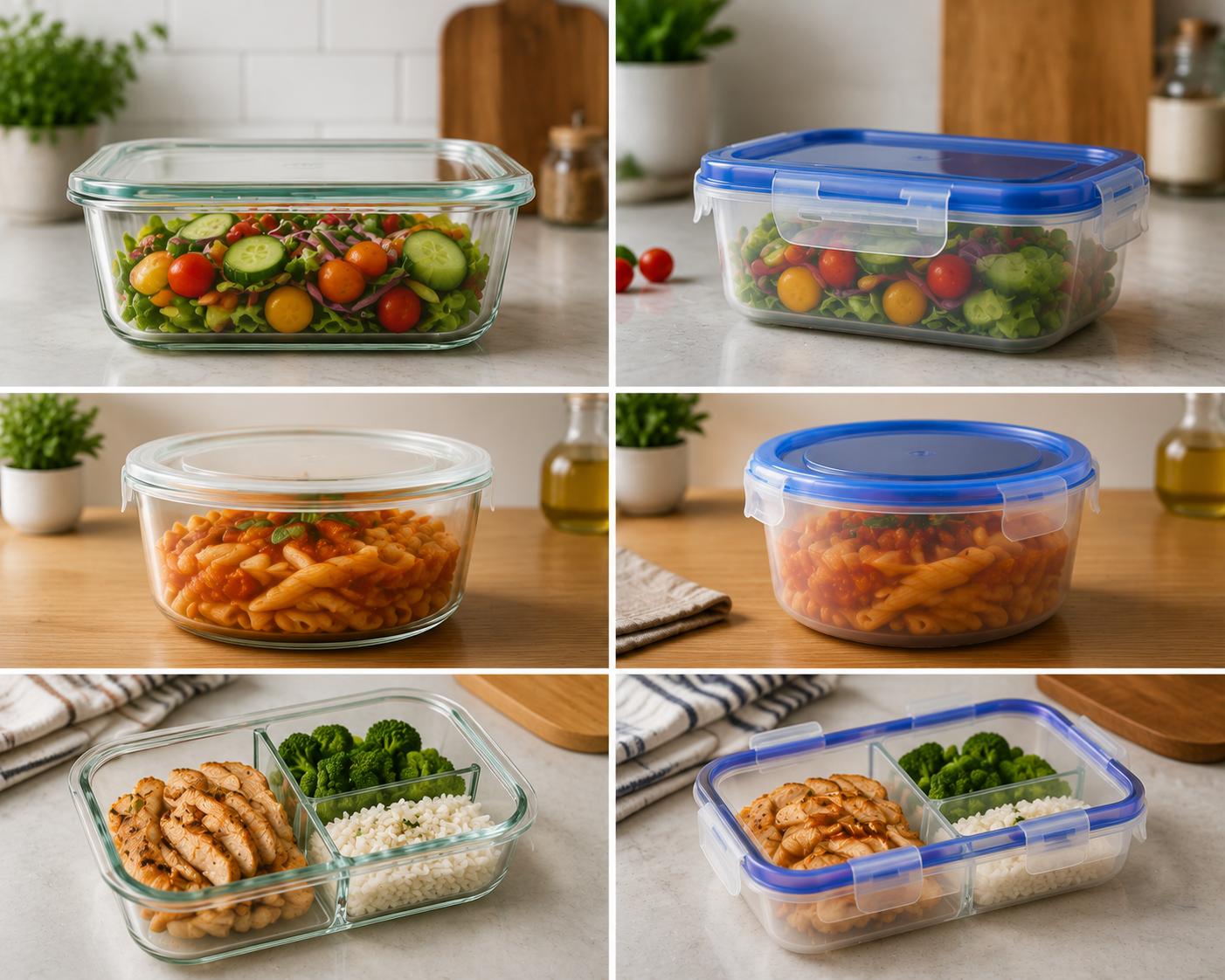
Glass vs Plastic Food Storage Containers: Which Is Better for Your Kitchen?
Food storage containers are an essential part of every kitchen. Whether you're packing lunches, storing leftovers, organizing pantry staples, or preparing meals in advance, choosing the right container can make a noticeable difference in food freshness, convenience, and safety.
One of the biggest questions shoppers face is whether to choose glass vs plastic food storage containers. Both materials have advantages and drawbacks, and the best choice depends on how you plan to use them. Glass containers offer durability and resistance to stains, while plastic containers are lightweight and travel-friendly.
This guide compares glass and plastic food storage containers in detail, covering food safety, durability, convenience, environmental impact, and cost to help you decide which option best fits your kitchen and lifestyle.
Why Your Choice of Food Storage Container Matters
Food storage containers do more than keep leftovers organized. The right container helps:
- Maintain food freshness
- Prevent spills and leaks
- Reduce food waste
- Improve meal prep efficiency
- Keep refrigerators and pantries organized
- Save money by preserving ingredients longer
Choosing between glass and plastic isn't simply about appearance—it affects how your food is stored, reheated, transported, and preserved.
What Are Glass Food Storage Containers?
Glass food storage containers are made from tempered or borosilicate glass designed to withstand temperature changes and daily kitchen use. Most feature airtight plastic or silicone lids that help seal in freshness.
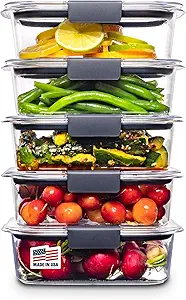
These containers are commonly used for:
- Leftovers
- Meal prep
- Refrigerator storage
- Freezer storage
- Baking (oven-safe models)
- Pantry organization
Because glass is non-porous, it doesn't absorb odors, stains, or food colors over time.
Advantages of Glass Food Storage Containers
Excellent Food Safety
Glass is chemically stable and does not react with acidic or oily foods. Tomato sauce, citrus-based dishes, and spicy meals can be stored without worrying about flavors or odors lingering.
Many people prefer glass because it provides peace of mind when reheating food.
Doesn't Absorb Stains or Odors
Plastic containers often become stained after storing curry, pasta sauce, or turmeric-rich dishes.
Glass remains clear and odor-free even after years of regular use.
Microwave Friendly
Most glass containers are microwave-safe after removing the lid.
Food also heats more evenly in glass than in lightweight plastic containers.
Oven Safe
Many tempered glass containers can safely move from refrigerator to oven.
This makes them ideal for:
- Lasagna
- Casseroles
- Roasted vegetables
- Baked pasta
- Meal prep dishes
Always verify that the manufacturer labels the container as oven-safe.
Long Lifespan
High-quality glass containers often last many years with proper care.
Unlike plastic, they don't become cloudy or warped from repeated washing.
Better for Flavor Preservation
Glass won't absorb smells from onions, garlic, seafood, or spices.
Today's lunch won't taste like yesterday's leftovers.
Disadvantages of Glass Food Storage Containers
Heavier
Glass containers weigh significantly more than plastic alternatives.
This makes them less convenient for:
- School lunches
- Office commuting
- Hiking
- Picnics
- Travel
Can Break
Although tempered glass is durable, dropping it on a hard floor can still cause it to crack or shatter.
Careful handling is necessary.
Usually More Expensive
Glass containers generally have a higher upfront cost.
However, their longer lifespan often offsets the initial investment.
What Are Plastic Food Storage Containers?
Plastic food storage containers are lightweight containers made from food-safe plastics such as polypropylene or Tritan.
Modern high-quality plastic containers are often:
- BPA-free
- Microwave-safe
- Dishwasher-safe
- Leak-resistant
- Stackable
They remain one of the most popular storage options because they're inexpensive and convenient.
Advantages of Plastic Food Storage Containers
Lightweight
One of plastic's biggest strengths is portability.
They're perfect for:
- Packed lunches
- Kids' meals
- Outdoor activities
- Camping
- Road trips
Carrying multiple containers adds very little weight.
Affordable
Plastic containers are generally less expensive than glass.
Large family sets are often available at budget-friendly prices.
Less Likely to Break
Plastic won't shatter when dropped.
For busy households with children, this can be a major advantage.
Easy to Stack
Many modern plastic storage systems are designed for compact stacking, helping maximize refrigerator and cabinet space.
Wide Variety
Plastic containers are available in nearly every size imaginable, including:
- Snack containers
- Soup containers
- Lunch boxes
- Meal prep trays
- Produce storage
- Freezer containers
Disadvantages of Plastic Food Storage Containers
May Stain
Bright-colored foods like:
- Tomato sauce
- Curry
- Chili
- Beetroot
can permanently stain plastic containers.
Can Absorb Odors
Over time, plastic may retain smells from garlic, fish, onions, or spicy foods.
Even after washing, odors sometimes remain.
May Warp
Repeated microwave use or dishwasher heat can cause lower-quality plastic containers to warp.
Warped lids often stop sealing properly.
Scratches Over Time
Plastic develops scratches from utensils and repeated washing.
These scratches may make cleaning more difficult and affect the container's appearance.
Glass vs Plastic: Side-by-Side Comparison
| Feature | Glass | Plastic |
|---|---|---|
| Food Safety | Excellent | Good (BPA-free recommended) |
| Weight | Heavy | Lightweight |
| Durability | Long-lasting but breakable | Won't shatter but may warp |
| Microwave Use | Excellent | Usually safe if labeled |
| Oven Use | Many are oven-safe | Not oven-safe |
| Stain Resistance | Excellent | Fair |
| Odor Resistance | Excellent | Moderate |
| Freezer Storage | Excellent | Excellent |
| Dishwasher Safe | Usually | Usually |
| Cost | Higher | Lower |
| Portability | Moderate | Excellent |
| Appearance | Premium | Practical |
Which Is Better for Meal Prep?
Meal prep enthusiasts often prefer glass because:
- Food stays fresher
- Containers don't stain
- Easy reheating
- Oven compatibility
- Professional appearance
However, if you carry meals to work daily, lightweight plastic containers may be more convenient.
Many households actually use both.
Which Is Better for Leftovers?
Glass containers usually perform better for leftovers because they:
- Preserve flavors
- Resist staining
- Prevent lingering odors
- Reheat evenly
Foods like pasta, soup, and casseroles are especially well suited for glass storage.
Which Is Better for Freezer Storage?
Both materials work well in the freezer.
Glass containers:
- Resist odors
- Preserve quality
- Look cleaner over time
Plastic containers:
- Save freezer space
- Are lighter
- Less likely to crack if dropped
Leave extra room when freezing liquids since they expand.
Which Is Better for Lunches?
Plastic has the advantage for lunches because it is:
- Lightweight
- Easy to carry
- Less fragile
- Kid-friendly
Glass can become heavy inside backpacks or lunch bags.
Environmental Considerations
Reusable containers help reduce disposable packaging waste regardless of material.
Glass generally has a longer usable lifespan and can often be recycled indefinitely.
Plastic also reduces waste when reused for many years, especially if high-quality containers are properly maintained.
Replacing damaged or worn containers promptly helps ensure safe food storage.
Features to Look for Before Buying
Whether choosing glass or plastic, consider these important features.
Airtight Lids
A secure seal helps:
- Keep food fresh
- Prevent spills
- Reduce odors
- Maintain moisture
Leak-Proof Design
Especially important for:
- Soups
- Sauces
- Salad dressings
- Meal prep
Stackability
Containers that stack neatly save valuable refrigerator and cabinet space.
BPA-Free Materials
If buying plastic, always look for containers labeled BPA-free.
Microwave Safety
Only microwave containers that are clearly marked microwave-safe.
Remove lids unless instructed otherwise.
Dishwasher Compatibility
Dishwasher-safe containers simplify cleanup.
Top-rack placement often extends the life of plastic containers.
Best Uses for Glass Containers
Glass works especially well for:
- Meal prep
- Leftovers
- Refrigerator storage
- Baking dishes
- Acidic foods
- Tomato sauces
- Soups
- Pasta dishes
- Curry
- Pantry ingredients
Best Uses for Plastic Containers
Plastic excels for:
- School lunches
- Office meals
- Travel
- Camping
- Snacks
- Dry foods
- Picnics
- Kids' lunches
- Outdoor dining
Tips for Keeping Food Storage Containers in Great Condition
To maximize lifespan:
- Wash containers soon after use.
- Store lids separately to improve airflow.
- Avoid overheating plastic containers.
- Do not use cracked glass containers.
- Keep seals clean for airtight performance.
- Replace damaged lids promptly.
- Avoid stacking excessive weight on glass containers.
- Dry containers completely before storing.
Proper care extends the usefulness of both materials.
Common Mistakes to Avoid
Many people shorten the life of their food storage containers by making simple mistakes.
Avoid these common issues:
- Microwaving containers that aren't microwave-safe
- Dropping hot glass into cold water
- Overfilling freezer containers
- Using damaged lids
- Storing highly acidic foods in worn plastic
- Scrubbing plastic with abrasive cleaners
- Ignoring manufacturer care instructions
Frequently Asked Questions
Are glass food storage containers safer than plastic?
Glass is naturally non-porous and does not absorb stains or odors. High-quality BPA-free plastic containers are also considered safe when used according to the manufacturer's instructions.
Can glass containers go from freezer to microwave?
Only if the manufacturer specifically states they are designed for such temperature changes. Avoid sudden temperature shocks that could crack the glass.
Why does plastic become stained?
Foods containing tomato, turmeric, curry, paprika, and similar ingredients can discolor plastic over time.
Which containers last longer?
Glass containers generally maintain their appearance and performance longer, provided they are not dropped or chipped.
Are plastic containers recyclable?
Many plastic food containers are recyclable, but recycling options vary by local programs and the type of plastic.
Is it okay to store acidic foods in plastic?
Quality BPA-free containers are designed for food storage, but many people prefer glass for acidic foods because it resists staining and odor retention.
Final Verdict
When comparing glass vs plastic food storage containers, there isn't a one-size-fits-all answer. Each option has unique strengths that suit different needs.
Choose glass if you prioritize durability, stain resistance, odor-free storage, oven compatibility, and long-term performance. It's an excellent choice for meal prep, leftovers, and home use.
Choose plastic if portability, lightweight convenience, affordability, and break resistance are your top priorities. It's especially practical for lunches, travel, and outdoor activities.
For many households, the ideal solution is a combination of both. Glass containers can handle meal prep, reheating, and refrigerator storage, while plastic containers are perfect for packed lunches and food on the go.
By selecting quality containers and caring for them properly, you'll enjoy fresher food, a more organized kitchen, and a storage system that supports your everyday cooking and meal planning.