Outdoor Gear Buying Mistakes
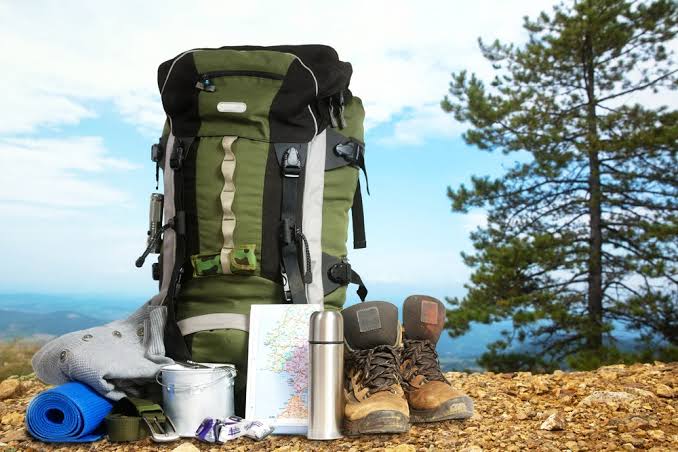
Buying outdoor gear can feel exciting. A new backpack, hiking boots, tent, jacket, or camping accessory often represents future adventures and new experiences. However, many outdoor enthusiasts end up spending more money than necessary because they buy equipment based on trends, appearance, or assumptions rather than actual needs.
The outdoor gear market is filled with thousands of products designed for different activities, environments, and experience levels. A product that works perfectly for one person may be completely unsuitable for another. A lightweight backpack designed for a weekend hike may not handle a multi-day trek. A premium jacket may be unnecessary for casual outdoor walks. A cheap tent may look like a bargain until poor weather exposes its limitations.
Understanding common outdoor gear buying mistakes helps you make smarter decisions, avoid wasted purchases, and build a reliable collection of equipment that matches your adventures.
Whether you are preparing for your first hiking trip, upgrading camping equipment, or replacing old outdoor essentials, knowing what mistakes to avoid can save both money and frustration.
Buying Gear Before Understanding Your Needs
One of the most common mistakes people make is purchasing outdoor gear before deciding how they will actually use it.
Outdoor equipment is designed for specific situations. Hiking, backpacking, camping, climbing, trekking, and casual outdoor activities all require different features. A person who goes on short weekend hikes does not necessarily need the same equipment as someone planning long-distance backpacking trips.
Before buying anything, consider:
-
How often will you use the gear?
-
What activities will you do?
-
What weather conditions will you face?
-
How much distance or weight will you typically carry?
-
Are you a beginner or an experienced outdoor user?
For example, buying an expensive expedition backpack because it looks professional may not make sense if you only take occasional day hikes. Similarly, purchasing heavy camping equipment for occasional car camping can create unnecessary storage and transportation problems.
The best outdoor gear is not always the most advanced option. It is the gear that fits your actual lifestyle.
Choosing Price Over Performance
Saving money is important, but choosing the cheapest option available can become expensive over time.
Low-cost outdoor products often seem attractive because they reduce the initial investment. However, poor-quality materials, uncomfortable designs, and weak durability can lead to replacement costs later.
For example:
-
Cheap hiking shoes may wear out quickly or cause discomfort.
-
Low-quality rain jackets may fail during unexpected weather.
-
Inexpensive backpacks may become uncomfortable when carrying heavier loads.
-
Poorly made camping equipment may not perform reliably outdoors.
This does not mean expensive gear is always better. Many affordable products offer excellent value when they are selected carefully.
Instead of asking, “What is the cheapest option?” ask:
“Does this product provide the features and durability I actually need?”
A balanced approach is to spend more on items that directly affect safety and comfort, such as footwear, backpacks, and weather protection, while saving money on accessories that have less impact.
Buying the Wrong Size or Fit
Fit is one of the most overlooked factors when buying outdoor gear.
Many people focus on features and appearance but ignore whether the equipment actually fits their body and usage style.
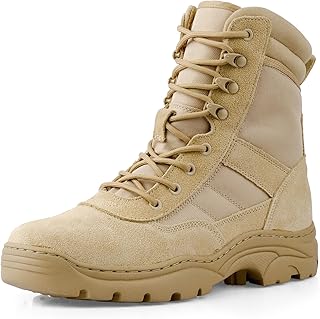
This mistake is especially common with:
-
Hiking boots
-
Backpacks
-
Jackets
-
Sleeping bags
-
Trekking clothing
A backpack with the wrong frame size can cause shoulder and back discomfort. Hiking boots that are too tight may create blisters during longer walks. A jacket that restricts movement can make outdoor activities uncomfortable.
Outdoor gear should support your movement, not limit it.
Whenever possible, test equipment before purchasing. Walk with a loaded backpack, try footwear with hiking socks, and check whether clothing allows natural movement.
Comfort becomes increasingly important the longer you spend outdoors.
Following Trends Instead of Practical Requirements
Outdoor gear trends change frequently. New materials, designs, and technologies appear every year, making it easy to believe you need the latest product.
However, buying equipment simply because it is popular can lead to unnecessary spending.
A lightweight titanium cooking set may look appealing, but it may not provide meaningful benefits for someone who only camps occasionally. A high-end smartwatch with advanced outdoor features may be unnecessary if your outdoor activities are limited to local trails.
Experienced outdoor users usually focus on reliability, comfort, and usefulness rather than having the newest equipment.
Before buying a trending product, ask:
-
Does this solve a problem I currently have?
-
Will it improve my outdoor experience?
-
Is the upgrade noticeable for my type of activity?
If the answer is no, keeping your current gear may be the smarter choice.
Ignoring Weather and Environment
Outdoor gear should always match the conditions where you will use it.
A product designed for warm climates may perform poorly in cold environments. Equipment suitable for dry trails may not handle wet or unpredictable weather.
Many buying mistakes happen because people purchase based on appearance rather than environmental requirements.
Consider factors such as:
-
Temperature range
-
Rain and moisture exposure
-
Wind conditions
-
Terrain type
-
Season of use
For example, a lightweight jacket may work well for summer hiking but provide limited protection during colder conditions. A sleeping bag designed for mild temperatures may not keep you comfortable during winter camping.
Researching the environment before purchasing gear prevents buying equipment that looks suitable but performs poorly when needed.
Buying Too Much Gear Too Early
Beginners often make the mistake of buying a complete outdoor setup before gaining experience.
It is tempting to purchase every recommended item at once:
-
Multiple backpacks
-
Specialized clothing
-
Advanced cooking equipment
-
Navigation tools
-
Extra accessories
However, many beginners discover later that some items are rarely used.
A better approach is to build your outdoor gear collection gradually.
Start with essential items:
-
Comfortable footwear
-
Weather-appropriate clothing
-
A suitable backpack
-
Basic safety equipment
-
Necessary camping essentials
As you gain experience, you will understand which upgrades actually improve your adventures.
Your personal experience will become the best guide for future purchases.
Overlooking Weight and Portability
Weight matters more outdoors than many buyers expect.
A product may seem convenient at home but become uncomfortable when carried for several hours.
This is especially important for:
-
Backpacks
-
Tents
-
Sleeping systems
-
Cooking equipment
Every extra item adds weight, and unnecessary weight can reduce enjoyment during hiking or backpacking.
However, choosing the lightest option is not always the correct solution. Extremely lightweight gear may sacrifice durability or comfort.
The goal is finding the right balance between:
-
Weight
-
Durability
-
Comfort
-
Performance
Consider how far and how often you will carry the equipment before deciding.
Not Researching Product Features Properly
Outdoor products often include technical features that can be confusing.
Terms like waterproof ratings, insulation types, materials, ventilation systems, and weight specifications can influence performance significantly.
Many buyers choose products based only on marketing descriptions without understanding what those features mean.
For example, a waterproof jacket is not only about the word “waterproof.” Breathability, seam construction, and ventilation also affect comfort during physical activity.
Similarly, a backpack’s capacity alone does not determine whether it will work well. Suspension systems, padding, and organization features can be equally important.
Learning basic product terminology helps you compare options more effectively and avoid paying for features you do not need.
Ignoring Long-Term Durability
Outdoor gear experiences more stress than everyday products.
Exposure to dirt, moisture, sunlight, rough surfaces, and repeated use can quickly reveal quality differences.
Before buying, consider:
-
Material quality
-
Warranty support
-
Repair options
-
User experiences
-
Expected lifespan
A slightly more durable product may provide better value over several years compared with repeatedly replacing cheaper alternatives.
Think about outdoor gear as an investment in future experiences rather than a one-time purchase.
Buying Without Reading Real User Experiences
Product descriptions are designed to highlight benefits, but real users often reveal practical details that manufacturers do not mention.
Reviews can help identify:
-
Comfort issues
-
Durability concerns
-
Sizing problems
-
Real-world performance
-
Unexpected limitations
However, not every review should influence your decision. Look for patterns rather than focusing on a single positive or negative comment.
A product receiving consistent feedback about comfort, reliability, or performance provides more useful information than isolated opinions.
Choosing Gear Based Only on Brand Name
Popular outdoor brands often have strong reputations, but brand recognition alone should not determine your purchase.
A well-known name does not guarantee that every product from that brand is the right choice for your needs.
Compare:
-
Features
-
Materials
-
Performance
-
Reviews
-
Price-to-value ratio
Sometimes a lesser-known product may offer better functionality for a specific use case.
The goal is not owning a famous brand. The goal is having dependable gear that performs when you need it.
Forgetting Maintenance and Care Costs
Outdoor gear requires maintenance to remain effective.
Many buyers consider only the purchase price and ignore long-term care.
Examples include:
-
Cleaning waterproof jackets properly
-
Maintaining hiking boots
-
Storing tents correctly
-
Protecting backpacks from unnecessary damage
Proper maintenance extends product life and protects your investment.
A well-maintained mid-range product can often outperform a neglected premium product.
Buying Gear for an Imaginary Adventure
Another common mistake is purchasing equipment for adventures you hope to have rather than activities you actually do.
Many people buy specialized gear after imagining future trips that never happen.
A better strategy is buying based on your current habits and realistic plans.
If you start exploring more challenging activities later, you can upgrade gradually with better knowledge of what you need.
Your gear collection should reflect your experiences, not just your ambitions.
How to Make Smarter Outdoor Gear Purchases
Avoiding outdoor gear mistakes becomes easier when you follow a simple buying process:
1. Define Your Activity
Know whether you need gear for hiking, camping, trekking, travel, or everyday outdoor use.
2. Prioritize Essential Features
Focus on performance features that directly affect comfort, safety, and usability.
3. Compare Multiple Options
Do not purchase the first product you find. Compare specifications, reviews, and value.
4. Consider Future Use
Choose products that match your current needs while allowing some room for growth.
5. Invest Where It Matters
Spend more on critical equipment and avoid unnecessary upgrades.
Smart buying is about making intentional choices, not simply purchasing more gear.
Final Thoughts
Outdoor gear mistakes often happen because buyers focus on appearance, trends, or short-term savings instead of real-world performance.
The right equipment should match your activities, environment, comfort preferences, and experience level. You do not need the most expensive setup or the newest technology to enjoy outdoor adventures. You need reliable gear that supports the way you actually explore.
By understanding common buying mistakes, researching carefully, and choosing products based on practical needs, you can build an outdoor gear collection that saves money and improves every adventure.
The best gear is not the gear with the most features. It is the gear you trust when you step outside.