First-Time International Travel Guide
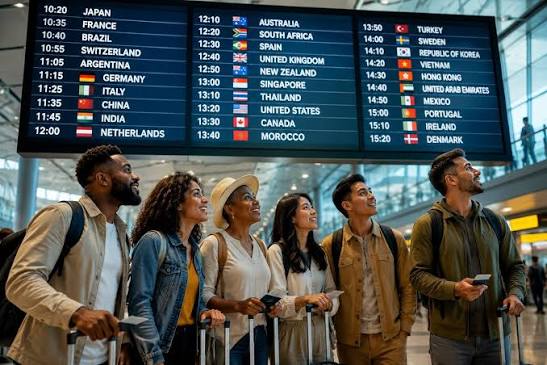
Traveling internationally for the first time is an exciting milestone, but it can also feel overwhelming. From arranging documents and booking flights to understanding airport procedures, packing correctly, and managing expenses abroad, there are many details that first-time travelers need to consider.
A successful international trip is not just about reaching a new destination. It is about preparing properly so you can enjoy the experience with confidence. The right planning helps avoid common travel problems, reduces unnecessary stress, and allows you to focus on exploring new places, cultures, and experiences.
This first-time international travel guide covers the essential steps every beginner traveler should know before leaving home, including planning, packing, airport preparation, money management, safety tips, and mistakes to avoid.
Start Planning Your International Trip Early
One of the biggest mistakes first-time travelers make is waiting until the last minute to prepare. International travel usually involves more planning than domestic trips because of passports, visas, travel insurance, currency exchange, and airline requirements.
Start by deciding your destination, travel dates, budget, and the purpose of your trip. Whether you are traveling for a vacation, business, education, or visiting family, your preparation process will depend on these factors.
Research your destination before booking anything. Learn about:
-
Local weather conditions during your travel dates
-
Entry requirements and visa rules
-
Transportation options
-
Local customs and etiquette
-
Safety considerations
-
Popular attractions and experiences
Creating a basic travel timeline can make preparation easier:
-
Several months before travel: Choose destination, check passport validity, apply for visas if needed
-
A few months before travel: Book flights and accommodation
-
A few weeks before travel: Organize documents, plan packing, and arrange currency
-
A few days before travel: Confirm bookings and complete final preparations
Early planning gives you more options and helps you avoid expensive last-minute decisions.
Check Your Passport and Travel Documents
Your passport is the most important document for international travel. Before booking flights, check its expiration date because many countries require your passport to remain valid for at least six months beyond your arrival date.
Create a document checklist before your trip:
-
Passport
-
Visa or travel authorization
-
Flight tickets
-
Hotel confirmations
-
Travel insurance details
-
Identification documents
-
Emergency contacts
-
Copies of important documents
Keeping digital copies of your documents is also a smart safety measure. Store scanned copies in secure cloud storage or email them to yourself so you can access them if physical documents are lost.
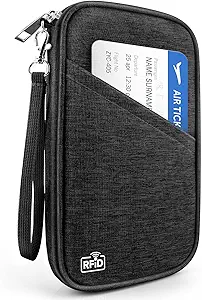
Avoid carrying all important documents in one place. Keeping backups separately can help you handle unexpected situations more easily.
Understand Visa Requirements Before Traveling
Visa requirements vary depending on your nationality and destination. Some countries allow visa-free entry, while others require travelers to apply before arrival.
Always check official immigration information before making final travel arrangements. A misunderstanding about visa requirements can result in denied boarding or entry problems.
When applying for a visa, prepare early because processing times can vary. Some applications require additional documents such as:
-
Proof of accommodation
-
Flight details
-
Financial statements
-
Travel insurance
-
Employment or education documents
A common beginner mistake is assuming that every destination has the same entry rules. Always verify requirements specifically for your trip.
Create a Realistic Travel Budget
International travel expenses include more than flights and hotels. First-time travelers often underestimate daily costs and forget smaller expenses that add up quickly.
A realistic budget should include:
-
Flights
-
Accommodation
-
Food
-
Local transportation
-
Attractions and activities
-
Shopping
-
Travel insurance
-
Emergency funds
-
Airport expenses
Research the average daily cost of your destination. Some cities may have affordable accommodation but expensive transportation or food costs.
It is also useful to keep a small emergency budget separate from your main spending money. Unexpected situations such as missed transportation, medical needs, or replacement items can happen during any trip.
Choose the Right Luggage and Packing Strategy
Packing for an international trip can be challenging, especially for beginners. Many travelers either pack too much or forget important essentials.
The goal is not to carry everything you own. The goal is to pack items that are useful, comfortable, and suitable for your destination.
Before packing, consider:
-
Trip duration
-
Weather conditions
-
Planned activities
-
Airline baggage limits
-
Laundry availability
Essential items for most international trips include:
-
Comfortable clothing suitable for the weather
-
Travel documents organizer
-
Universal travel adapter
-
Chargers and power bank
-
Basic toiletries
-
Comfortable walking shoes
-
Medication and personal care items
-
Small day bag for daily exploration
A useful packing strategy is to prepare outfits instead of packing individual items randomly. This helps reduce unnecessary clothing and makes your luggage easier to organize.
Prepare for Airport Procedures
Airports can feel confusing during your first international trip, but understanding the process makes everything easier.
The typical international departure process includes:
-
Arriving at the airport
-
Airline check-in and baggage drop
-
Security screening
-
Immigration checks
-
Boarding the flight
Arrive early because international flights usually require additional time for check-in, security, and immigration procedures.
Keep essential items in your carry-on bag:
-
Passport
-
Wallet
-
Phone
-
Chargers
-
Important documents
-
Medication
-
Travel essentials
Avoid placing valuable items or important documents inside checked luggage.
Learn How to Manage Money Abroad
Handling money in another country is one of the most important parts of international travel preparation.
Before leaving, understand:
-
Currency exchange rates
-
International card fees
-
ATM availability
-
Payment methods accepted at your destination
Do not depend on only one payment method. Carry a combination of:
-
Debit or credit card
-
Some local currency
-
Emergency backup funds
Inform your bank about international travel if required to prevent your cards from being blocked due to unusual activity.
Using a travel wallet or secure money pouch can also help protect important items while exploring crowded places.
Get Travel Insurance
Many first-time travelers overlook travel insurance, but it can provide valuable protection during unexpected situations.
Travel insurance may help cover issues such as:
-
Medical emergencies
-
Trip cancellations
-
Lost luggage
-
Flight delays
-
Travel interruptions
The right coverage depends on your destination and activities. Travelers planning adventure activities should check whether their policy includes those experiences.
Think of travel insurance as preparation for situations you hope never happen but want support with if they do.
Prepare Your Phone and Technology
Staying connected internationally is easier when you prepare your devices before departure.
Before traveling:
-
Check international roaming options
-
Download important travel apps
-
Save offline maps
-
Carry charging accessories
-
Download translation tools if needed
Useful travel apps may include:
-
Maps and navigation apps
-
Currency converters
-
Airline apps
-
Accommodation apps
-
Language translation tools
A portable charger can be especially helpful during long travel days when access to power outlets is limited.
Learn Basic Local Customs
Travel is not only about visiting places; it is also about respecting local communities and cultures.
Before arriving, learn basic information about:
-
Common greetings
-
Local traditions
-
Appropriate clothing
-
Tipping practices
-
Dining etiquette
Understanding local customs helps create better experiences and avoids accidental misunderstandings.
Even learning a few basic phrases in the local language can make interactions easier and shows respect toward residents.
Common First-Time International Travel Mistakes to Avoid
Many beginner travel problems can be avoided with better preparation.
Overpacking
Carrying too much luggage can make airports, transportation, and sightseeing more difficult. Pack versatile items that can be used in multiple situations.
Not Checking Entry Rules
Assuming you can enter a country without checking requirements can create serious problems. Always confirm visa and documentation requirements.
Ignoring Travel Insurance
Unexpected events can become expensive without proper coverage.
Keeping All Money and Documents Together
If your wallet or bag is lost, having backups can make recovery much easier.
Planning Every Minute
A detailed itinerary is useful, but leaving some flexibility allows you to enjoy unexpected discoveries.
Forgetting About Connectivity
Not preparing your phone, internet access, or offline maps can create unnecessary stress when navigating a new country.
How to Make Your First International Trip More Comfortable
Comfort plays an important role in enjoying international travel. Small preparation choices can make a major difference.
Consider bringing:
-
A comfortable travel pillow for long flights
-
Noise-reducing headphones
-
A reusable water bottle
-
Lightweight layers for changing temperatures
-
A compact organizer for cables and documents
The best travel gear is not always the most expensive. Choose items that solve real problems during your journey.
Final International Travel Checklist
Before leaving for your first international trip, confirm:
✓ Passport validity checked
✓ Visa requirements completed
✓ Flights and accommodation confirmed
✓ Travel insurance arranged
✓ Budget prepared
✓ Currency and payment methods organized
✓ Luggage packed appropriately
✓ Important documents backed up
✓ Phone and apps prepared
✓ Emergency contacts saved
Final Thoughts
Your first international trip does not need to be stressful. With thoughtful preparation, even beginner travelers can explore new countries with confidence and comfort.
The key is to focus on the essentials: organize your documents, understand your destination, pack smart, manage your budget, and prepare for unexpected situations.
International travel becomes easier with experience, but a well-planned first journey creates a strong foundation for future adventures. By preparing ahead and making practical choices, you can spend less time worrying and more time enjoying the world around you.