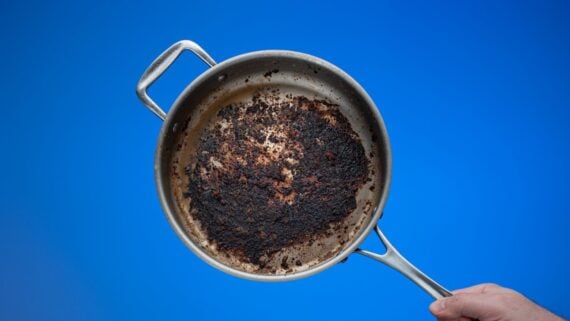
Cookware Mistakes to Avoid
Buying cookware is not simply a matter of choosing a pot or pan that looks good and fits your budget. The right cookware should make everyday cooking easier, suit the meals you prepare, work with your stove, and remain practical to maintain.
Many people discover problems only after using their new cookware for a few weeks. A skillet may be too heavy, a saucepan may be too small, a cookware set may contain pieces that never get used, or a cooking surface may not suit the foods you prepare most often.
These problems are usually avoidable.
Understanding what to look for before buying can help you spend money on cookware that earns its place in your kitchen rather than adding another unused item to the cupboard. Here are the most common cookware buying mistakes and the smarter approach to each one.
Buying Based on Price Alone
Price is an important consideration, but it should not determine your cookware purchase by itself.
A very inexpensive pan can sometimes be perfectly adequate for occasional cooking. However, extremely low-priced cookware may compromise on construction, balance, handles, heat performance, or long-term durability.
The opposite assumption can also be misleading. A high price does not automatically mean that a pan will perform better for your particular cooking habits.
Instead of comparing price tags first, consider what you are getting for the money.
Look at the construction, material, dimensions, weight, handle design, cooking surface, compatibility, and care instructions. Then consider how frequently you expect to use the piece.
A pan used several times a week deserves a different level of consideration from cookware that will only come out for occasional meals.
The best value is not necessarily the cheapest option. It is the cookware that provides useful performance without paying extra for features you will rarely use.
Buying a Cookware Set Without Checking Every Piece
Cookware sets can look like an attractive way to equip a kitchen quickly. The problem is that the number of pieces can make a deal appear better than it actually is.
Imagine buying a ten-piece set and regularly using only four items. The remaining pieces still take up cupboard space and form part of the purchase price.
Before choosing a set, examine its contents individually.
Ask yourself:
-
Would I actually use this saucepan?
-
Do I need two frying pans of similar sizes?
-
Is the included pot large enough for my meals?
-
Are there pieces I already own?
-
Would I purchase each item if it were sold separately?
Your cooking habits should determine the contents of your kitchen.
Someone who prepares large family meals may appreciate a broad cookware collection, while someone who usually cooks simple meals for one or two people may need only a handful of versatile pieces.
A smaller collection can be a smarter purchase when every item has a clear purpose.
Forgetting to Check Your Stove Type
Cookware needs to work with the cooking surface in your kitchen.
This sounds obvious, but it is an easy detail to overlook when shopping online, especially when a product looks suitable for every type of cooking.
If you use an induction cooktop, for example, cookware must meet the requirements for induction cooking. Other cookware may be designed specifically for gas, electric, or other cooking surfaces.
Before purchasing, check the manufacturer's compatibility information.
Also consider whether you need cookware that can move from the stovetop into the oven. If you regularly finish dishes in the oven, this feature can make a pan considerably more versatile.
Do not assume that every component can tolerate the same amount of heat. A cookware manufacturer's instructions may specify different limitations for the body, handles, lid, or cooking surface.
Checking these details before purchasing is much easier than discovering a compatibility problem after delivery.
Choosing Cookware Material Without Thinking About Your Meals
Different cookware materials behave differently, so choosing one simply because it is popular can be a mistake.
Stainless steel, cast iron, carbon steel, aluminum, and nonstick cookware each bring different characteristics to the kitchen.
For example, stainless steel can be a versatile choice for many cooking techniques but may require more attention when preparing foods that tend to stick. Cast iron can retain heat extremely well but may feel cumbersome if you prefer lightweight cookware.
Nonstick cookware can be convenient when easy food release and simple cleanup are priorities. However, it may not be the ideal choice for every cooking technique.
Instead of searching for the universally "best" material, think about the meals you prepare most often.
If breakfast usually means eggs and pancakes, easy food release may be a priority. If you frequently brown meat or cook vegetables over stronger heat, you may value different characteristics.
Your cooking style should come before cookware trends.
Assuming Heavier Cookware Is Always Better
Weight can sometimes indicate substantial construction, but heavier does not automatically mean higher quality.
A very heavy pan can be stable and retain heat effectively, but that same weight may become inconvenient when you need to lift, turn, carry, or pour from it.
This becomes particularly noticeable with large pots. Once filled with water or food, even a manageable empty pot can become difficult to move.
Lightweight cookware has advantages too, particularly if you cook frequently or have limited strength for handling heavy kitchen equipment.
When comparing cookware, think about how it will feel during an actual meal rather than judging quality by weight alone.
If possible, consider the balance between the body and handle. A well-balanced pan can feel easier to control than a heavier piece with an awkward design.
Choosing the Wrong Size
Cookware size should reflect the quantity of food you normally prepare.
Buying a tiny skillet because it takes up less space may become frustrating if you regularly cook several portions. Buying an oversized pan can create the opposite problem by making storage and handling more difficult.
Consider your household size, typical recipes, and cooking habits.
For example, someone who cooks mostly individual meals may have little use for extremely large cookware. A family that prepares batch meals may need larger pots and pans more often.
Also check the actual dimensions rather than relying entirely on descriptions such as "medium" or "large."
Manufacturers can use different terminology, so looking at measurements gives you a much clearer idea of what will fit on your stovetop and inside your cabinets.
Ignoring Storage Before Buying
A cookware purchase does not end when you bring the box into your kitchen.
You also need somewhere to keep it.
Large pots, wide skillets, and long-handled pans can quickly create storage problems. If your cabinets are already crowded, another oversized piece may make your kitchen less convenient.
Measure your available cupboard, drawer, or shelving space before buying larger cookware.
Think about how the piece will be stored alongside everything you already own. Some cookware can be stacked, while other designs require more individual space.
Storage should be part of the buying decision, particularly if you live in a smaller kitchen.
A pan that performs well but is difficult to store may not be as practical as a slightly smaller alternative.
Choosing Appearance Over Function
Attractive cookware can certainly make a kitchen look better, but appearance should not be the main reason you buy it.
Color, finish, shape, and styling are easy to notice in product photographs. Practical characteristics are harder to judge but far more important once you start cooking.
Before choosing based on appearance, consider whether the cookware has a comfortable handle, useful dimensions, suitable construction, and the right cooking characteristics for your needs.
Think about how often you will reach for it.
A simple-looking skillet that works well for your everyday meals is likely to provide more value than a beautiful pan that is difficult to handle or unsuitable for your stove.
Choose function first and aesthetics second.
Not Paying Attention to the Handle
The handle can determine whether cookware feels comfortable or awkward.
A pan may have excellent cooking performance, but an uncomfortable handle can make you hesitate to use it.
Look at the handle's length, shape, grip, and connection to the cookware. Consider whether the pan feels balanced when you lift it.
Long handles can provide useful clearance from heat but may require additional storage space. Shorter or more compact designs can be easier to store but may feel different during use.
If you intend to use the cookware in the oven, check the manufacturer's guidance for the handle as well.
The handle is not merely an accessory. It is part of how you interact with the cookware every time you cook.
Overlooking the Lid
When buying pots and covered pans, it is easy to focus entirely on the main cooking vessel and forget about the lid.
A poorly designed lid can reduce the convenience of an otherwise useful piece of cookware.
Check whether the lid sits securely and whether its handle is comfortable to grip. If you prefer watching food while it cooks, a transparent lid may be useful.
Also consider storage. Some lids can be awkward to organize because they take up considerable space even when the cookware itself stacks neatly.
If the cookware will be used in the oven, check the manufacturer's temperature guidance for the lid separately from the pan.
The lid should be considered part of the complete cookware design, not an optional extra.
Choosing Cookware Without Considering Maintenance
Every type of cookware has a care routine.
Some people are happy to spend extra time cleaning and maintaining their cookware. Others want to finish cooking, clean up quickly, and move on.
Neither approach is wrong, but your preference should influence what you buy.
Before purchasing, read the care instructions carefully.
Consider whether the cookware requires special cleaning, particular utensils, seasoning, drying, or other maintenance. Also check whether the manufacturer recommends hand washing or permits dishwasher cleaning.
If you know you dislike demanding maintenance, selecting cookware with a complicated care routine may lead to frustration.
The easiest cookware to own is often the cookware whose maintenance requirements fit naturally into your existing habits.
Treating Dishwasher Safety as a Quality Indicator
Dishwasher compatibility is convenient, but it should not be confused with overall cookware quality.
A piece that can be placed in the dishwasher may still be uncomfortable to use, unsuitable for your stove, or poorly matched to your cooking style.
If dishwasher cleaning is important to you, absolutely include it when comparing products. Just do not allow that single feature to outweigh more important considerations.
Think about the complete ownership experience.
How does the cookware perform? How comfortable is it? How well does it fit your kitchen? How much care does it require?
Those questions provide a much better picture of whether it is worth buying.
Buying Nonstick Cookware Without Checking Your Cooking Style
Nonstick cookware can be useful for foods where easy release is particularly important. However, shoppers sometimes buy it expecting it to handle every type of cooking.
Before purchasing, consider your usual cooking temperatures, utensils, cleaning habits, and recipes.
Read the manufacturer's instructions for the specific cookware rather than assuming that all nonstick products have identical requirements.
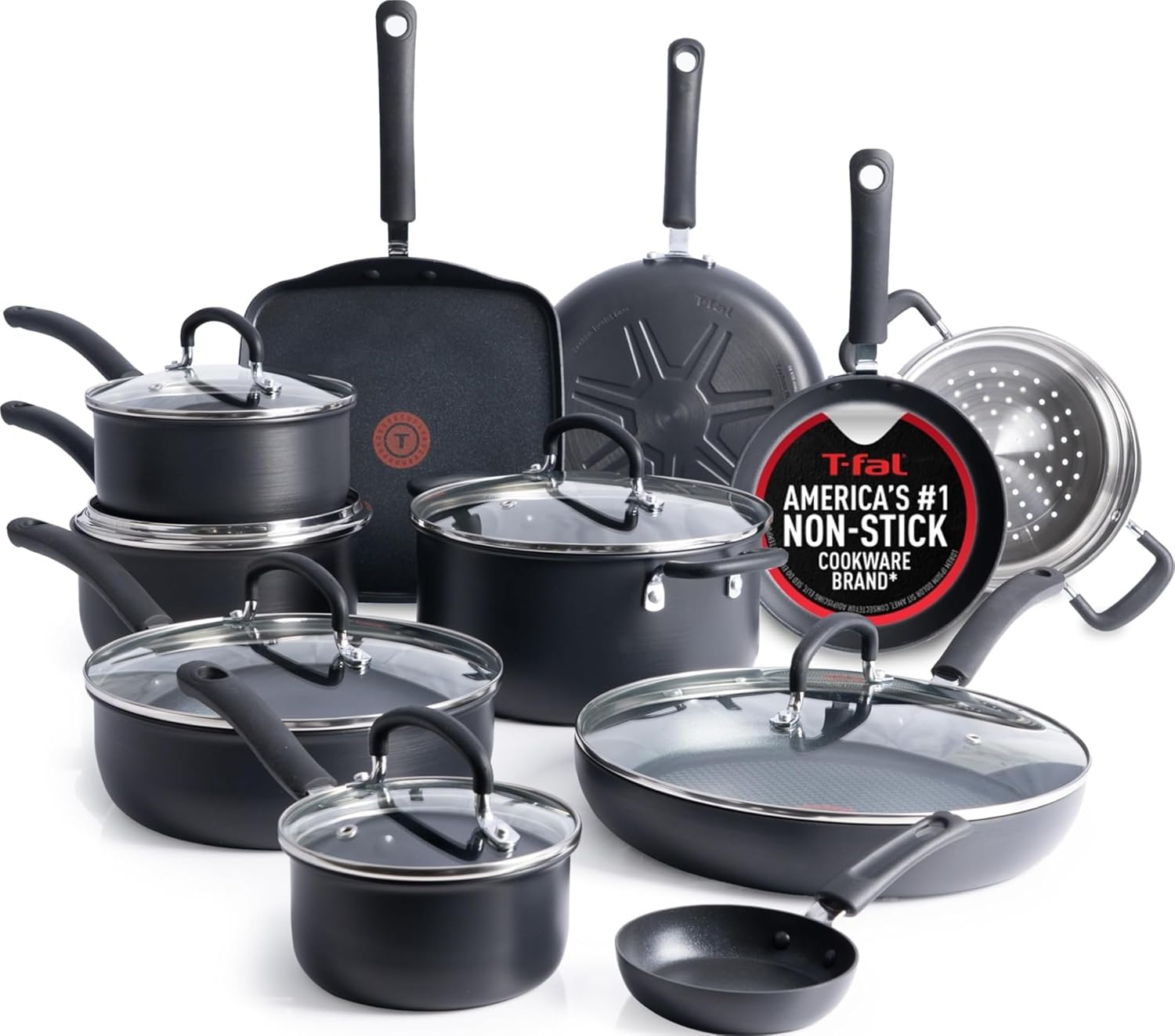
It can also make sense to use different cookware for different jobs.
For example, one pan may be convenient for delicate foods while another may be better suited to cooking methods that require different heat characteristics.
The goal is not to avoid nonstick cookware. It is to choose it for situations where its strengths match your needs.
Buying Specialty Cookware You Rarely Use
Specialty cookware can be appealing.
There is always another pan designed for a particular recipe or cooking technique. The problem is that specialized equipment can quickly consume storage space.
Before buying one, consider how frequently you will realistically use it.
If a particular piece makes a favorite dish significantly easier and you prepare that dish regularly, it may be a worthwhile purchase.
If you are buying it for a recipe you might make once a year, think twice.
Versatile cookware often provides better value for everyday kitchens because it can handle several types of meals.
Trusting Product Marketing Without Checking Specifications
Words such as "premium," "professional," and "advanced" can make cookware sound impressive, but promotional language does not provide enough information to make a good buying decision.
Look for concrete details instead.
Check the construction, material, dimensions, weight, compatibility, care instructions, temperature guidance, and included accessories.
Customer feedback can also help identify practical issues that may not be obvious from the product description.
Look for repeated comments about things such as uncomfortable handles, unexpected weight, difficult cleaning, poor storage, or changes in performance over time.
Specific information is more useful than impressive-sounding claims.
Assuming One Pan Can Replace Everything
A versatile pan is useful, but expecting one piece to perform every cooking task can create unnecessary compromises.
A skillet may be excellent for frying and sautéing. A saucepan can be more practical for sauces and smaller quantities of liquid. A larger pot is useful when cooking pasta, soup, or meals in batches.
Instead of trying to find one piece that does everything, identify the few cookware types that cover most of your cooking.
This approach can actually reduce unnecessary spending.
Once you understand the role each piece needs to perform, you can stop buying cookware simply because it offers another variation of something you already have.
Buying Cookware Without Considering Your Cooking Frequency
How often you cook should influence the type of cookware you buy.
Someone who prepares meals every day may benefit from investing in durable, comfortable pieces that can handle frequent use. Someone who cooks only occasionally may have different priorities.
Think about the role the cookware will play in your kitchen.
A pan used several times a week deserves careful consideration because small annoyances will become noticeable quickly. A rarely used piece may not justify a significant investment.
This is another reason why buying based purely on product popularity can be misleading.
The right cookware is personal.
How to Choose Cookware More Carefully
A simple process can make cookware shopping much easier.
Start by examining your current collection. Which pieces do you use constantly? Which ones frustrate you? Are there meals you avoid because you lack suitable cookware?
Use those answers to identify what you actually need.
Then compare potential purchases based on a few practical factors:
Material: Does it suit the food and techniques you use?
Size: Can it handle your normal portions without taking up unnecessary space?
Weight: Can you comfortably move it when it is full?
Compatibility: Does it work with your stovetop and, if necessary, your oven?
Handle: Does it feel secure and balanced?
Maintenance: Are you willing to follow its care requirements?
Storage: Do you have a convenient place to keep it?
Value: Will you use it often enough to justify the price?
This method keeps cookware shopping focused on real needs instead of impulse purchases.
A Quick Check Before You Buy
Before ordering a new pot or pan, pause for a minute and ask:
-
What will I cook in it?
-
How frequently will I use it?
-
Do I already own something that performs the same job?
-
Is the size suitable for my household?
-
Will it work on my stovetop?
-
Is the weight comfortable for me?
-
Does the handle feel practical?
-
Can I live with the cleaning requirements?
-
Where will I store it?
-
Am I paying for useful features or unnecessary extras?
If you have clear answers, you are much more likely to make a sensible purchase.
Final Thoughts
Cookware does not need to be expensive, oversized, or complicated to be useful. What matters most is how well it fits your cooking routine.
Many buying mistakes happen because shoppers focus on the number of pieces in a set, attractive finishes, marketing claims, or a tempting price instead of considering everyday practicality.
A better strategy is to start with the food you actually prepare.
Choose materials that suit your cooking style, sizes that match your portions, handles that feel comfortable, and cookware that works with your stove and storage space. Pay attention to maintenance before purchasing rather than after.
You may discover that you need far less cookware than you initially thought.
A small collection of carefully chosen pots and pans can cover most everyday cooking needs while keeping your kitchen easier to organize and your purchases more purposeful.