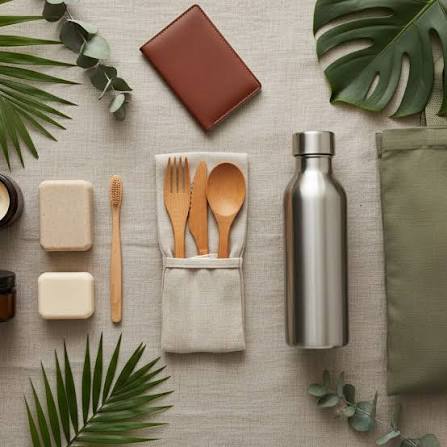
Reusable Products That Replace Disposables
Disposable products are a normal part of modern life. From plastic bags and paper towels to food storage wraps and single-use containers, many everyday items are designed to be used briefly and replaced frequently.
While these products may seem convenient, constantly buying disposable items can increase household expenses, create unnecessary waste, and add clutter to your home. A more practical approach is to replace frequently used disposable items with reusable alternatives that fit your lifestyle.
The goal of switching to reusable products is not to create a perfect zero-waste lifestyle. Instead, it is about making smarter choices with items you already use regularly. The best reusable products are the ones that solve everyday problems, save money over time, and become a natural part of your routine.
Whether you want to create a more organized kitchen, reduce household waste, prepare better for travel, or make more intentional purchases, reusable products can help you build a simpler and more efficient lifestyle.
Quick Guide: Disposable Items You Can Easily Replace
Before buying reusable products, focus on the items you use most often. Replacing frequently used disposable products creates the biggest impact.
| Disposable Item | Reusable Alternative | Best Use |
|---|---|---|
| Paper towels | Washable cleaning cloths | Kitchen and home cleaning |
| Plastic storage bags | Silicone storage bags | Food storage and meal prep |
| Plastic wrap | Reusable food wraps | Covering leftovers |
| Disposable bottles | Reusable water bottles | Home, work, and travel |
| Plastic grocery bags | Reusable shopping bags | Grocery shopping |
| Disposable containers | Glass or stainless steel containers | Food organization |
| Disposable makeup pads | Washable makeup remover pads | Personal care |
Starting with simple swaps makes the transition easier because you replace items you already purchase regularly.
Why Choose Reusable Products Instead of Disposable Items?
Reusable products have become popular because they offer practical benefits beyond sustainability. A well-designed reusable item can improve organization, reduce repeated purchases, and make daily routines easier.
Reduce Household Waste
Many disposable products are used for only a few minutes before being thrown away. Over time, these small habits can create a significant amount of unnecessary waste.
For example, replacing disposable paper towels with washable cleaning cloths or switching from plastic storage bags to reusable containers can reduce the number of items your household throws away.
The biggest benefit comes from consistency. A reusable product used regularly can replace dozens or hundreds of disposable alternatives during its lifespan.
Save Money Over Time
Reusable products often require a higher initial investment, but they can provide better value in the long run.
A reusable food container, bottle, or cleaning cloth may cost more than a disposable option, but repeated use reduces the need for constant replacements.
Before purchasing, consider:
- How often will I use this product?
- Does it replace something I regularly buy?
- Will it last long enough to provide value?
A reusable product is only worthwhile if it becomes part of your routine.
Create a More Organized Home
Disposable products often require continuous restocking. This can lead to crowded drawers, overflowing cabinets, and unnecessary purchases.
Replacing multiple disposable items with a smaller collection of reusable essentials can make your home more organized.
For example:
- A set of reusable containers can replace various food storage bags.
- A few quality cleaning cloths can replace multiple rolls of paper towels.
- A refillable bottle system can reduce packaging clutter.
A simpler home setup often makes everyday tasks easier.
Reusable Kitchen Products That Actually Replace Disposables
The kitchen is one of the easiest places to introduce reusable alternatives because many disposable items are used daily.
1. Reusable Food Storage Containers
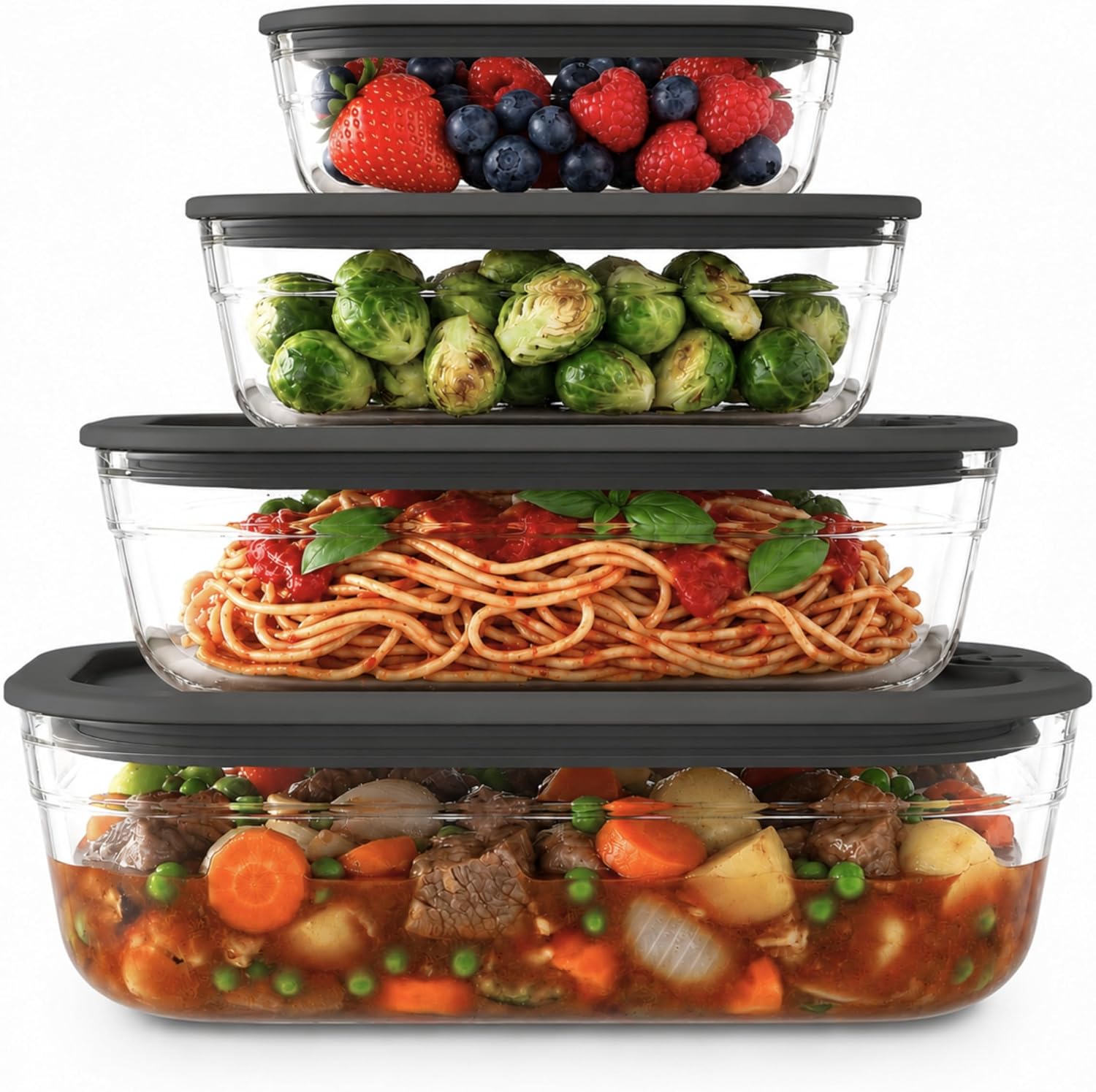
Reusable food containers are one of the most practical replacements for disposable storage bags, plastic wraps, and single-use containers.
They can be used for:
- Storing leftovers
- Preparing weekly meals
- Packing lunches
- Organizing pantry items
- Keeping ingredients fresh
Glass, stainless steel, and durable BPA-free plastic containers are common options.
What to Consider Before Buying
A good reusable food container should have:
Durability:
Choose materials that can handle regular use and cleaning.
Easy maintenance:
Containers that are dishwasher-safe and easy to store are more likely to be used consistently.
Versatility:
Products that work for multiple purposes provide better value.
Storage efficiency:
Stackable designs help save kitchen space.
Who Should Buy Reusable Food Containers?
They are ideal for:
✅ People who prepare meals in advance
✅ Families storing leftovers regularly
✅ Office workers carrying homemade meals
✅ Anyone trying to organize their kitchen
Who May Not Need Them?
They may not be necessary if:
❌ You rarely store food at home
❌ You already have enough quality containers
❌ Your lifestyle involves very little meal preparation
The goal is not to buy more products but to replace items you actually use.
2. Silicone Storage Bags
Silicone storage bags are designed to replace disposable plastic bags used for snacks, ingredients, and food storage.
Unlike single-use bags, reusable silicone bags can be washed and used repeatedly.
They are useful for:
- Packing snacks
- Storing fruits and vegetables
- Freezing ingredients
- Carrying travel snacks
Why They Are Useful
Silicone bags take up less space compared with traditional containers and can be stored easily when not in use.
They are especially helpful for people who:
- Pack lunches frequently
- Travel often
- Prepare meals ahead of time
Buying Tips
Look for:
- Strong seals to prevent leaks
- Easy-to-clean interiors
- Durable silicone material
- Sizes that match your needs
Buying too many different sizes without a clear purpose can create unnecessary clutter.
3. Reusable Food Wraps
Plastic wrap is commonly used for covering bowls, wrapping food, and storing leftovers. However, it is often discarded after a single use.
Reusable food wraps provide a washable alternative.
They can be used for:
- Covering leftover food
- Wrapping fruits and vegetables
- Packing snacks
- Protecting baked goods
Best For:
✅ People who frequently store leftovers
✅ Families preparing snacks
✅ Anyone looking for simple kitchen swaps
Not Ideal For:
❌ Foods requiring airtight storage for long periods
❌ People who rarely use food coverings
Choosing the right reusable product depends on your actual habits.
4. Reusable Grocery Bags
Plastic grocery bags are one of the easiest disposable items to replace because they are used frequently and often for only a short period.
Reusable grocery bags are designed to handle repeated shopping trips while providing a stronger and more convenient alternative.
They are useful for:
- Grocery shopping
- Farmers markets
- Carrying household items
- Storage and organization around the home
What Makes a Good Reusable Grocery Bag?
Not every reusable bag offers the same value. A practical grocery bag should have:
Strong Material
Look for bags that can handle heavier items such as bottles, canned goods, and produce.
Comfortable Handles
Long, durable handles make carrying groceries easier.
Easy Storage
Foldable designs are useful because they can be stored in cars, backpacks, or kitchen drawers.
Easy Cleaning
Washable materials help maintain hygiene, especially when carrying food items.
Who Should Use Reusable Grocery Bags?
They are a good choice for:
✅ People who shop regularly
✅ Families buying larger amounts of groceries
✅ Anyone trying to reduce single-use plastic consumption
Who May Not Need Multiple Bags?
Avoid buying excessive numbers of reusable bags if:
❌ You rarely shop in person
❌ You already have enough bags at home
❌ You often forget to bring them while shopping
The goal is not collecting reusable products. The goal is replacing disposable habits.
Reusable Cleaning Products for a More Practical Home
Cleaning routines often involve many disposable products, but several everyday cleaning items can be replaced with reusable alternatives.
Washable Cleaning Cloths
Paper towels are convenient for quick cleaning, but they are often used once and thrown away.
Washable cleaning cloths can replace many paper towel uses while providing a durable solution for everyday messes.
They can be used for:
- Cleaning kitchen counters
- Wiping appliances
- Dusting furniture
- Drying surfaces
- Cleaning spills
Paper Towels vs Washable Cleaning Cloths
| Feature | Paper Towels | Washable Cleaning Cloths |
|---|---|---|
| Usage | Single-use | Multiple uses |
| Long-term cost | Requires frequent replacement | One-time purchase |
| Storage | Requires regular restocking | Reusable supply |
| Best for | Quick cleanup | Daily household cleaning |
Buying Considerations
Choose cleaning cloths that are:
- Absorbent
- Durable after washing
- Suitable for different surfaces
- Easy to store
A small collection of quality cloths is usually more useful than buying many low-quality options.
Reusable Mop Pads
Disposable mop pads are convenient but need replacement after every cleaning session.
Reusable mop pads provide a more economical alternative for people who regularly clean floors.
They are especially useful for:
- Homes with pets
- Families with children
- High-traffic areas
- Frequent cleaning routines
Before Buying Consider:
- Are replacement pads available?
- Can they be machine washed?
- Do they fit your existing mop system?
- Are they durable after repeated washing?
A reusable mop pad works best when it makes your current cleaning routine easier.
Refillable Cleaning Bottles
Many household cleaning products come in plastic bottles that are discarded after use.
Refillable cleaning bottles allow you to reuse the same container while reducing packaging waste.
They can help you:
- Organize cleaning supplies
- Reduce repeated purchases
- Create a cleaner storage system
Some households combine refillable bottles with concentrated cleaning solutions to reduce the number of full-size cleaning products stored at home.
Reusable Bathroom and Personal Care Alternatives
Bathrooms often contain several disposable products that can be replaced with reusable options.
Reusable Makeup Remover Pads
Disposable cotton pads are commonly used for skincare routines and discarded after one use.
Reusable makeup remover pads provide a washable alternative.
They can be used for:
- Removing makeup
- Applying skincare products
- Gentle facial cleansing
Benefits:
- Reduce repeated purchases
- Create less waste
- Easy to wash and reuse
However, they require regular cleaning, so they are best suited for people who already maintain a consistent skincare routine.
Refillable Soap and Shampoo Containers
Instead of replacing soap bottles and containers repeatedly, refillable dispensers offer a more organized solution.
They can help:
- Reduce packaging waste
- Keep bathroom counters cleaner
- Create a consistent storage system
A simple refill system can make everyday essentials easier to manage.
Reusable Travel Toiletry Bottles
Travel-size disposable toiletry containers often create unnecessary waste after short trips.
Reusable travel bottles are a practical replacement for carrying:
- Shampoo
- Conditioner
- Body wash
- Skincare products
They are especially useful for frequent travelers because they can be reused for multiple journeys.
Travel Buying Checklist:
Choose bottles that are:
✅ Leak-resistant
✅ Easy to refill
✅ Compact for luggage
✅ Clearly labeled
A good travel setup reduces last-minute purchases and keeps packing more organized.
Reusable Products for Travel and Everyday Carry
Travel is another area where reusable products can make a noticeable difference.
Many travelers purchase disposable items during trips because they forget essentials or do not prepare in advance.
Creating a reusable travel kit can make packing easier.
Useful Reusable Travel Essentials
Reusable Water Bottle
A reusable bottle is one of the most practical everyday items.
It can replace frequent purchases of bottled water while being useful for:
- Flights
- Road trips
- Hiking
- Work
- Daily activities
When choosing one, consider:
- Size
- Weight
- Leak protection
- Cleaning convenience
Reusable Snack Containers
For road trips, outdoor activities, and daily commuting, reusable snack containers can replace disposable bags.
They are useful for carrying:
- Nuts
- Fruits
- Snacks
- Small meals
They also help keep bags cleaner and more organized.
Foldable Shopping Bags
Compact reusable bags are useful beyond grocery shopping.
They can be used for:
- Travel shopping
- Beach trips
- Day outings
- Carrying extra items
Their lightweight design makes them easy to keep in a backpack or luggage.
How to Choose Reusable Products That Are Actually Worth Buying
Not every reusable product is automatically a smart purchase. A product should solve a real problem and fit naturally into your routine.
Before buying, ask these questions:
1. Does It Replace Something I Already Use?
The best reusable products replace items you frequently purchase.
For example:
- Buying reusable containers makes sense if you regularly store food.
- Buying reusable cleaning cloths makes sense if you frequently use paper towels.
Avoid purchasing products simply because they are marketed as sustainable.
2. Will I Use It Regularly?
A reusable item only creates value when it is actually used.
A high-quality product sitting unused in a drawer does not provide meaningful benefits.
Choose items that match your habits.
3. Is It Durable Enough?
A reusable product should last long enough to justify replacing a disposable option.
Look for:
- Strong materials
- Quality construction
- Easy maintenance
- Reliable design
Durability is one of the most important factors when choosing reusable products.
4. Is It Easy to Maintain?
Convenience matters.
If a product is difficult to clean, store, or use, you may stop using it.
The best reusable alternatives fit into your existing routine with minimal effort.
Common Mistakes When Buying Reusable Products
Switching to reusable products can be helpful, but there are some mistakes that reduce their effectiveness.
Buying Too Many Products at Once
A common mistake is purchasing a large collection of reusable items without knowing whether they will be used.
Start with a few high-impact replacements.
Examples:
- A reusable bottle
- Food storage containers
- Cleaning cloths
- Grocery bags
Add more only when you identify a real need.
Choosing Low-Quality Products
Cheap reusable products may need frequent replacement, reducing their overall value.
Investing in durable essentials usually provides better results.
Replacing Items Before They Are Needed
Sustainable living is not about throwing away existing products to buy new alternatives.
Use what you already own, then replace disposable items gradually when they need replacement.
Who Should Switch to Reusable Products?
Reusable products are especially useful for people who:
✅ Want a more organized home
✅ Frequently purchase disposable items
✅ Prepare meals regularly
✅ Travel often
✅ Want practical ways to reduce waste
These products work best when they support your existing lifestyle.
Who Should Avoid Buying Too Many Reusable Products?
Reusable products are not about buying more things.
Avoid unnecessary purchases if:
- You already own similar items
- The product does not solve a real problem
- You are buying only because it is trendy
A thoughtful approach is better than simply owning more sustainable products.
Final Thoughts on Reusable Products That Replace Disposables
Reusable products can make everyday life simpler, more organized, and more intentional. The most valuable swaps are not the ones that create a perfect sustainable lifestyle overnight, but the ones that naturally fit into your routine.
Replacing commonly used disposable items such as food storage bags, paper towels, plastic bottles, and single-use containers can reduce waste while improving everyday convenience.
The best approach is to start small. Choose reusable products that solve real problems, invest in quality items, and build better habits over time.
A practical home is not created by owning more products. It is created by choosing the right products and using them effectively.