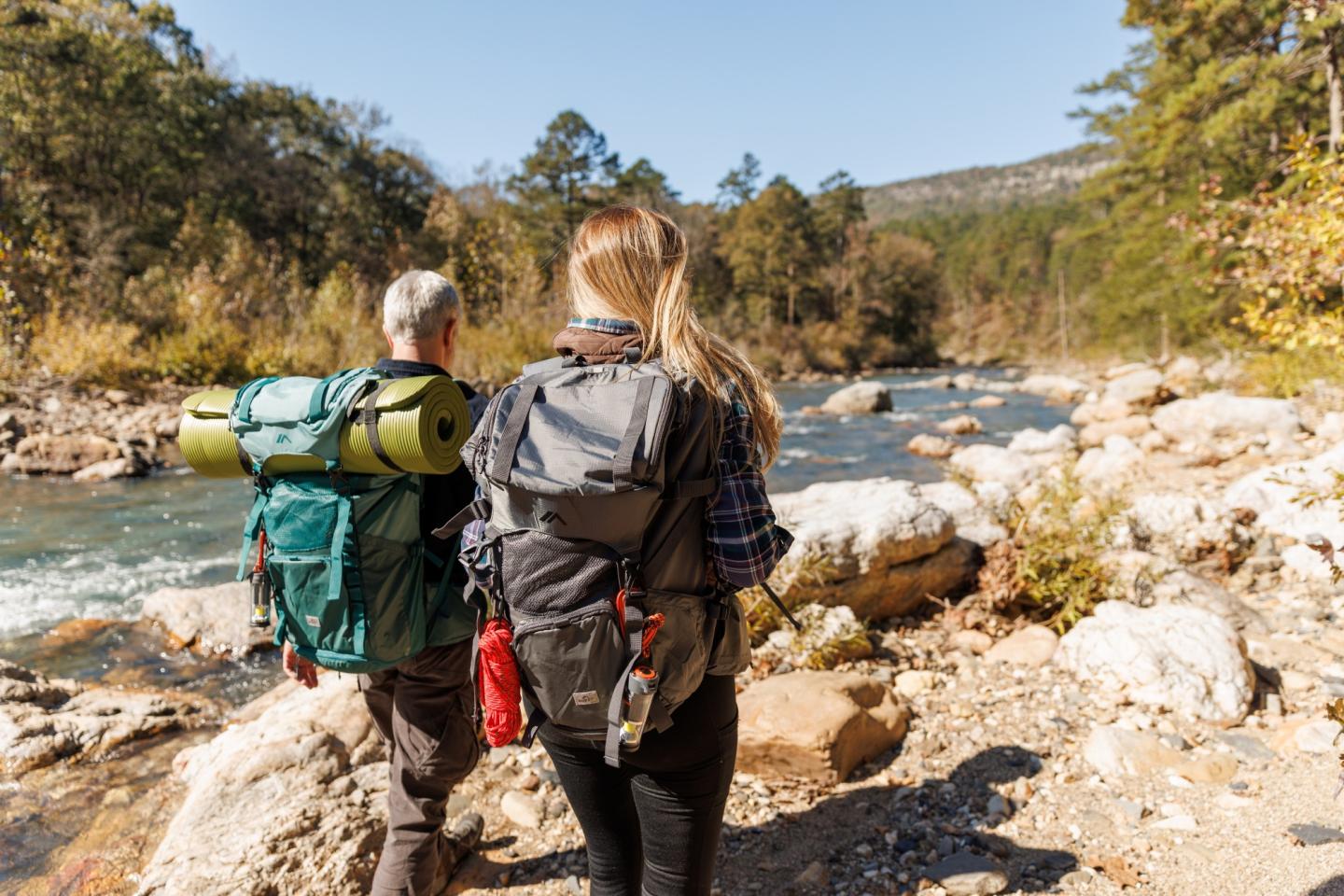
Day Hiking vs Backpacking: Key Differences
Outdoor adventures offer a great way to disconnect from daily routines, explore nature, and challenge yourself physically and mentally. Two of the most popular ways to experience the outdoors are day hiking and backpacking. While both activities involve walking trails and spending time in nature, they provide very different experiences.
Understanding the difference between day hiking and backpacking can help you choose the right adventure based on your fitness level, experience, available time, and comfort preferences.
Day hiking is ideal for those who want to explore trails without carrying overnight gear, while backpacking is a deeper outdoor experience that involves traveling with all essential equipment and camping overnight.
In this guide, we’ll explain the key differences between day hiking and backpacking, including gear requirements, preparation, difficulty levels, costs, benefits, and how to decide which adventure is right for you.
What Is Day Hiking?
Day hiking is an outdoor activity where you complete a trail within a single day and return home or to your starting point before nightfall.
Day hikes can range from short beginner-friendly walks to challenging full-day mountain climbs. They usually do not require camping equipment because hikers only carry supplies needed for the duration of the trip.
A typical day hike may include:
- Walking through forests, mountains, parks, or natural areas
- Exploring scenic viewpoints
- Carrying a small backpack with essentials
- Completing a trail within a few hours
- Returning before the end of the day
Day hiking is one of the easiest ways for beginners to experience outdoor adventures because it requires less planning and fewer specialized skills compared to backpacking.
What Is Backpacking?
Backpacking is a multi-day outdoor adventure where hikers carry everything they need to survive and camp overnight in the wilderness.
Unlike day hiking, backpacking requires carrying additional equipment such as:
- A backpacking tent
- Sleeping bag
- Sleeping pad
- Cooking equipment
- Extra clothing
- Food supplies
- Navigation tools
Backpackers often travel deeper into remote areas where they cannot easily return home after a few hours. The goal is not only reaching a destination but also experiencing extended time outdoors.
Backpacking requires more preparation, physical endurance, and outdoor knowledge because hikers must manage their own shelter, food, and safety throughout the journey.
Day Hiking vs Backpacking: The Main Differences
Although both activities involve hiking trails, the biggest differences come down to duration, equipment, difficulty, and level of preparation.
| Feature | Day Hiking | Backpacking |
|---|---|---|
| Duration | Few hours to one day | Multiple days or weeks |
| Overnight Stay | No camping required | Requires camping |
| Backpack Size | Small daypack | Large backpack |
| Gear Needed | Basic essentials | Complete outdoor setup |
| Physical Demand | Beginner to moderate | Moderate to advanced |
| Planning | Simple preparation | Detailed planning |
| Cost | Lower investment | Higher equipment costs |
| Experience Level | Suitable for beginners | Requires more skills |
Difference in Distance and Duration
One of the biggest differences between day hiking and backpacking is how long you spend on the trail.
Day Hiking
Day hikes typically cover shorter distances, although experienced hikers may complete longer routes.
Common day hiking distances include:
- Short trails: 2–5 miles
- Moderate hikes: 5–10 miles
- Challenging day hikes: 10+ miles
The main goal is completing the trail within daylight hours.
Backpacking
Backpacking involves covering greater distances over several days.
A backpacking trip may include:
- 10–20 miles over a weekend
- 30–50 miles on longer routes
- Extended journeys lasting weeks
Because backpackers carry heavier loads, progress is usually slower compared to day hiking.
Gear Differences Between Day Hiking and Backpacking
The equipment you carry is one of the biggest differences between these two activities.
Essential Day Hiking Gear
A day hiker usually needs:
- Comfortable hiking shoes or boots
- Lightweight backpack
- Water bottle or hydration system
- Snacks and meals
- Weather-appropriate clothing
- Navigation tools
- First aid kit
- Sun protection
- Headlamp or flashlight
- Emergency supplies
The focus is keeping your backpack lightweight while carrying only essential items.
Essential Backpacking Gear
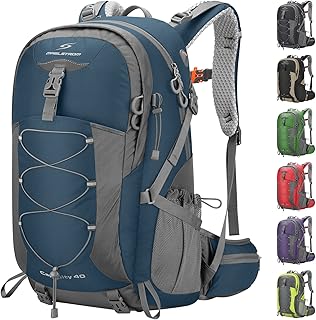
Backpacking requires additional equipment because you must create your own campsite and carry supplies.
Important backpacking gear includes:
- Backpacking backpack
- Lightweight tent
- Sleeping bag
- Sleeping pad
- Camping stove
- Food storage containers
- Water filtration system
- Extra clothing layers
- Cooking equipment
- Repair tools
- Navigation equipment
Choosing lightweight and durable gear is important because every extra pound becomes more noticeable during long-distance travel.
Difference in Physical Difficulty
Both day hiking and backpacking can be physically challenging, but backpacking usually requires greater endurance.
Day Hiking Difficulty
Day hikes allow you to:
- Carry less weight
- Take shorter routes
- Adjust your plans easily
- Return home quickly if needed
This makes day hiking a great option for beginners or people building outdoor fitness.
Backpacking Difficulty
Backpacking requires:
- Carrying heavier equipment
- Walking multiple days consecutively
- Managing fatigue
- Setting up camp
- Handling changing weather conditions
Strong physical preparation is important before attempting longer backpacking trips.
Which Is Better for Beginners?
For most beginners, day hiking is the better starting point.
Day hiking allows you to learn important outdoor skills without the challenges of overnight camping.
Beginners can gradually develop:
- Trail navigation skills
- Weather awareness
- Gear knowledge
- Hiking confidence
- Physical endurance
After gaining experience with longer day hikes, many people transition into beginner-friendly backpacking trips.
A good progression is:
- Start with short local hikes
- Practice carrying a backpack
- Try longer day hikes
- Learn basic camping skills
- Attempt a one-night backpacking trip
Cost Comparison: Day Hiking vs Backpacking
Another important difference is the cost of getting started.
Day Hiking Costs
Day hiking requires minimal equipment investment.
Basic essentials include:
- Hiking footwear
- Backpack
- Water bottle
- Outdoor clothing
- Safety items
Many beginners can start with equipment they already own.
Backpacking Costs
Backpacking requires more specialized equipment, including:
- Lightweight tent
- Sleeping system
- Cooking equipment
- Large backpack
- Outdoor accessories
Although backpacking can require a larger initial investment, quality gear can last for many years with proper care.
Safety Considerations
Safety is important for both day hiking and backpacking.
Day Hiking Safety Tips
Before a day hike:
- Check the weather forecast
- Tell someone your planned route
- Carry enough water
- Stay on marked trails
- Bring basic emergency supplies
Backpacking Safety Tips
Backpackers should also consider:
- Food storage practices
- Navigation skills
- Emergency communication
- Water purification
- Wildlife awareness
- Campsite selection
Spending multiple days outdoors requires more responsibility and preparation.
Day Hiking vs Backpacking: Which Experience Is Better?
There is no single answer because the best choice depends on your goals.
Choose day hiking if you:
- Are new to outdoor activities
- Prefer shorter adventures
- Want simple preparation
- Enjoy exploring without camping
- Have limited time
Choose backpacking if you:
- Want deeper wilderness experiences
- Enjoy camping
- Like challenging adventures
- Want to disconnect from technology
- Enjoy multi-day exploration
Both activities offer unique benefits and memorable experiences.
Benefits of Day Hiking
Day hiking provides many advantages:
Easy to Start
You can begin with basic equipment and nearby trails.
Flexible Schedule
A hike can fit into a weekend or even a few hours.
Lower Cost
You do not need expensive camping equipment.
Great for Fitness
Regular hiking improves:
- Cardiovascular health
- Strength
- Balance
- Mental well-being
Benefits of Backpacking
Backpacking offers a deeper connection with nature.
Explore Remote Locations
Backpackers can reach places that are difficult to access during a single-day trip.
Build Outdoor Skills
You learn valuable skills including:
- Navigation
- Camping
- Cooking outdoors
- Weather planning
Experience Personal Growth
Long-distance adventures can improve confidence, patience, and problem-solving abilities.
How to Choose Between Day Hiking and Backpacking
Ask yourself these questions:
How much time do you have?
If you only have a few hours or one day, hiking is usually the better choice.
Do you enjoy camping?
If sleeping outdoors and managing your own campsite sounds exciting, backpacking may be a good fit.
How much gear do you want to carry?
If you prefer traveling light, day hiking offers a simpler experience.
What is your fitness level?
Start with easier hikes and gradually increase difficulty before attempting backpacking.
Final Thoughts
Day hiking and backpacking are both rewarding ways to explore the outdoors, but they offer different experiences.
Day hiking is simple, accessible, and beginner-friendly. It allows you to enjoy nature without the complexity of overnight preparation.
Backpacking provides a deeper adventure by combining hiking, camping, and self-reliance. It requires more planning and equipment but offers unforgettable experiences in remote locations.
For beginners, starting with day hikes is the best way to build confidence and outdoor skills. As your experience grows, backpacking can become the next exciting step in your outdoor journey.
Whether you choose a short scenic trail or a multi-day wilderness adventure, spending time outdoors is a great way to discover new places and challenge yourself.
Frequently Asked Questions (FAQs)
Is backpacking harder than day hiking?
Yes. Backpacking is generally more physically demanding because you carry heavier gear and hike for multiple days.
Can beginners go backpacking?
Yes. Beginners can try backpacking after gaining basic hiking and camping experience. Starting with a short overnight trip is recommended.
What equipment is needed for day hiking?
Day hikers typically need comfortable footwear, water, snacks, weather protection, navigation tools, and a small backpack.
How far can a beginner hike in one day?
Many beginners can comfortably hike 3–6 miles, depending on fitness level, terrain, and conditions.
Is hiking cheaper than backpacking?
Yes. Day hiking usually costs less because it requires fewer specialized equipment purchases.