Slow Travel Vacations: Why Fewer Destinations Create Better Memories
For years, vacations were measured by how many cities we could squeeze into a single trip. The faster we moved, the more accomplished we felt. But today, travelers are rethinking that approach. Instead of rushing from one attraction to the next, more people are embracing slow travel vacations a mindset that values depth over distance and connection over checklists.
Slow travel isn’t about doing less. It’s about experiencing more. By spending longer in fewer places, travelers create richer memories, reduce stress, and return home feeling genuinely refreshed. Here’s why slow travel is transforming the way we vacation and why fewer destinations often lead to better memories.
What Is Slow Travel?
Slow travel is a travel philosophy focused on:
-
Spending more time in one destination
-
Traveling at a relaxed, unhurried pace
-
Connecting with local culture and everyday life
-
Being intentional about where and how you travel
Instead of hopping between multiple cities or countries, slow travelers choose one or two locations and explore them deeply. This approach allows room for spontaneity, rest, and meaningful experiences.
Why Traditional Fast Travel Can Feel Unsatisfying
Fast-paced travel may look impressive on social media, but it often comes with hidden costs:
-
Constant packing and unpacking
-
Tight schedules and missed moments
-
Travel fatigue and burnout
-
Superficial experiences
When every day is packed with movement, there’s little time to truly absorb your surroundings. Memories blur together, and the trip can feel more exhausting than restorative.
Slow travel flips that experience entirely.
How Fewer Destinations Create Better Memories
1. You Experience Places, Not Just Landmarks
When you stay longer in one place, you move beyond tourist highlights and into everyday life. You discover:
-
Neighborhood cafés
-
Quiet parks
-
Local markets
-
Walking routes that feel familiar
These small, unscripted moments often become the most cherished memories—not the famous photo spots.
2. You Build Emotional Connections
Memories are stronger when they’re tied to emotion. Slow travel creates space for:
-
Conversations with locals
-
Familiar faces at the same coffee shop
-
Comfort in routine
Instead of being a visitor passing through, you begin to feel like you belong—even if just temporarily.
3. You Reduce Stress and Travel Fatigue
Fewer destinations mean:
-
Less time in transit
-
Fewer hotel check-ins
-
More predictable days
Your body and mind have time to settle. You’re not constantly thinking about the next move, which allows you to stay present and relaxed.
4. You Remember More Clearly
When trips are rushed, experiences blend together. Slow travel allows each day to stand on its own. You remember:
-
Specific streets
-
Favorite meals
-
Meaningful conversations
The memories feel richer and more detailed because you weren’t overwhelmed.
The Benefits of Slow Travel Vacations
Deeper Cultural Understanding
Spending time in one place gives you insight into local customs, food, and rhythms. You start to understand not just how a place looks—but how it lives.
Better Value for Money
Longer stays often mean:
-
Discounted accommodations
-
Fewer transportation costs
-
Less spending on convenience
Slow travel is surprisingly budget-friendly.
More Sustainable Travel
Fewer flights and less transportation reduce your carbon footprint. Supporting local businesses over longer stays also benefits communities more directly.
Improved Mental Well-Being
Slow travel promotes:
-
Mindfulness
-
Reduced anxiety
-
Genuine rest
It’s not just a vacation—it’s a reset.
Who Is Slow Travel Perfect For?
Slow travel works especially well for:
-
Solo travelers seeking meaningful experiences
-
Couples looking to reconnect
-
Families wanting less stressful trips
-
Remote workers on workcations
-
Anyone feeling burned out by fast-paced life
If you want a vacation that feels restorative rather than rushed, slow travel is worth considering.
How to Plan a Slow Travel Vacation
Choose the Right Destination
Look for places with:
-
Walkable neighborhoods
-
Good public transportation
-
Cultural depth
-
Natural spaces
Cities, small towns, and countryside regions all work well for slow travel.
Stay Longer in One Place
Aim for:
-
At least 5–7 days in one destination
-
Two locations max for shorter trips
Longer stays allow you to settle into a rhythm.
Plan Less, Explore More
Instead of scheduling every hour:
-
Pick one main activity per day
-
Leave room for rest and spontaneity
Let curiosity guide your experience.
Packing Smart for Slow Travel
Slow travel doesn’t mean overpacking. It means packing intentionally.
Essentials to Bring
-
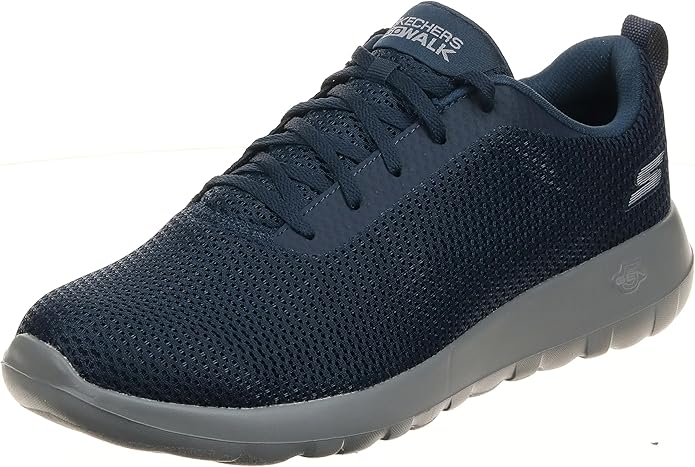
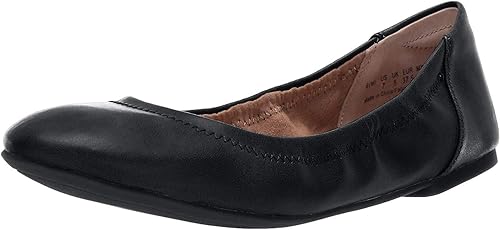
Comfortable walking shoes
-
Layered clothing
-
A day bag or backpack
-
Reusable water bottle
-
Travel journal or e-reader
What You Can Skip
-
Multiple outfit changes per day
-
“Just-in-case” items you won’t use
-
Bulky luggage
Packing lighter supports a slower, easier pace.
Slow Travel vs. Doing Nothing
Slow travel isn’t about inactivity. It’s about balance. Your days might include:
-
Morning walks
-
Long lunches
-
Museum visits
-
Reading in a café
-
Cooking local recipes
You’re still exploring—just without pressure.
Creating Memories That Last
The best travel memories aren’t always the most dramatic. They’re often:
-
A familiar route you walked daily
-
A local dish you learned to love
-
A quiet sunset with no agenda
Slow travel allows these moments to surface naturally.
Tips for Embracing the Slow Travel Mindset
-
Let go of FOMO (fear of missing out)
-
Focus on how the trip feels, not how it looks
-
Accept that you can’t see everything
-
Value presence over productivity
Travel isn’t a competition. It’s a personal experience.
Final Thoughts
Slow travel vacations remind us that more isn’t always better. By choosing fewer destinations and spending more time in each, we create space for connection, reflection, and joy.
The memories that last longest aren’t rushed. They’re layered, meaningful, and deeply personal.
So on your next vacation, consider slowing down. Stay longer. See less. Feel more.
Because the best memories aren’t collected they’re lived.