Dog Sledding Gear Essentials: What to Pack for Your First Sledding Adventure
Dog sledding is one of the most iconic winter adventures. The sound of paws on snow, crisp air rushing past, and breathtaking winter landscapes make it an unforgettable experience especially if it’s your first time. But because dog sledding takes place in cold, often remote environments, packing the right gear is essential for comfort, safety, and enjoyment.
If you’re preparing for your first dog sledding adventure, this guide covers exactly what to pack, what to wear, and how to stay warm and prepared without overpacking.
Why Packing Right Matters for Dog Sledding
Dog sledding is not like a casual winter walk. You’ll be:
-
Exposed to cold temperatures for extended periods
-
Sitting or standing on a moving sled
-
Traveling through snowy, windy terrain
-
Often far from indoor shelters
Even guided tours expect participants to come prepared. The right gear ensures you:
-
Stay warm without overheating
-
Protect yourself from wind chill
-
Enjoy the ride instead of focusing on discomfort
-
Stay safe in unpredictable winter conditions
Clothing Essentials for Dog Sledding
Thermal Base Layers
Start with a moisture-wicking base layer. Avoid cotton—it traps moisture and makes you cold. Instead, choose:
-
Merino wool
-
Synthetic thermal wear
These keep sweat away from your skin and help regulate body temperature.
Insulating Mid Layers
Mid layers trap warmth and provide insulation. Ideal options include:
-
Fleece jackets
-
Lightweight down or synthetic insulated tops
Layering allows flexibility if temperatures change.
Windproof & Waterproof Outerwear
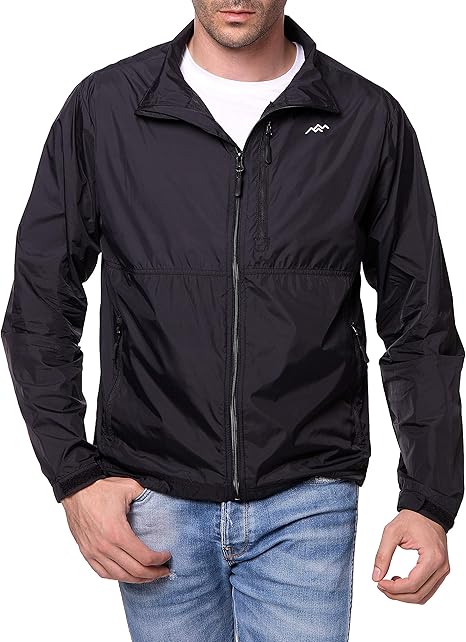
A high-quality winter jacket and insulated snow pants are crucial. Look for:
-
Wind resistance
-
Waterproof or water-resistant fabric
-
Roomy fit for layering
Dog sledding often involves wind exposure, which increases cold dramatically.
Footwear & Lower Body Gear
Insulated Winter Boots
Your boots should be:
-
Fully waterproof
-
Insulated for sub-zero temperatures
-
Comfortable for standing on sled runners
Cold feet can ruin the experience quickly.
Thick Wool Socks
Bring warm, breathable socks and consider packing an extra pair just in case.
Gaiters (Optional but Helpful)
Gaiters prevent snow from entering your boots, especially during deep snow stops.
Hand, Head & Face Protection
Gloves or Mittens
Hands are highly exposed during dog sledding. Pack:
-
Insulated, waterproof gloves or mittens
-
A backup pair in case one gets wet
Mittens are often warmer than gloves.
Hat or Thermal Beanie
A snug-fitting hat prevents heat loss and protects your ears from cold wind.
Neck Gaiter or Balaclava
Wind chill can be intense. A neck gaiter or balaclava protects your face, nose, and neck.
Essential Accessories for Comfort & Safety
Sunglasses or Snow Goggles
Sunlight reflecting off snow can strain your eyes. UV protection is important even on cloudy days.
Hand & Foot Warmers
Disposable warmers are small, lightweight, and incredibly effective during long rides.
Backpack or Day Pack
Choose a compact, winter-friendly backpack to carry:
-
Extra layers
-
Snacks
-
Water
-
Camera or phone
Hydration & Snacks
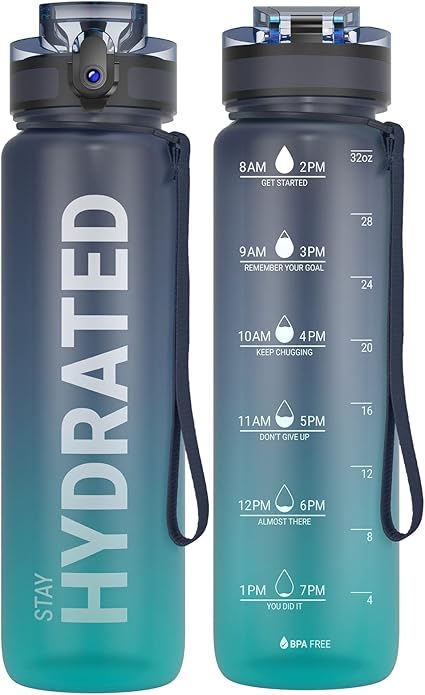
Insulated Water Bottle
Cold temperatures can freeze regular bottles. Insulated bottles keep water drinkable.
High-Energy Snacks
Bring snacks that are easy to eat in the cold:
-
Energy bars
-
Trail mix
-
Nuts
-
Chocolate
Dog sledding burns calories, even if you’re riding rather than running.
Safety & Personal Items
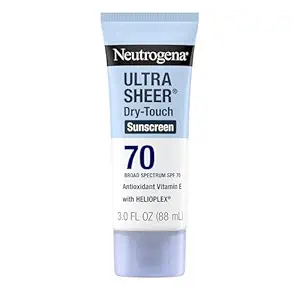
Sunscreen & Lip Balm
Snow reflects UV rays, increasing the risk of sunburn—even in winter.
Small First-Aid Kit
Include:
-
Bandages
-
Antiseptic wipes
-
Pain relief
-
Personal medication
Phone & Power Bank
Cold drains batteries fast. Keep electronics warm and bring a power bank if possible.
Camera & Memory Gear
Dog sledding offers incredible photo opportunities:
-
Snowy forests
-
Huskies in action
-
Wide-open winter landscapes
Bring a camera or phone with:
-
A protective case
-
Wrist or neck strap
-
Extra battery if available
Be mindful of cold exposure to electronics.
What Not to Pack
Avoid bringing:
-
Cotton clothing
-
Heavy handbags
-
Unnecessary valuables
-
Glass containers
Pack light but smart—mobility and warmth matter more than extras.
What Tour Providers Often Supply
Most guided dog sledding tours provide:
-
Sleds and harnesses
-
Dogs and professional guides
-
Sometimes helmets or overboots
Always confirm what’s included so you don’t pack duplicates.
Tips for First-Time Dog Sledders
-
Dress warmer than you think you need
-
Layer instead of wearing one bulky item
-
Keep snacks and water accessible
-
Listen closely to guide instructions
-
Stay relaxed—dogs and guides handle the hard work
Dog sledding is designed to be beginner-friendly when you’re properly prepared.
Sample Packing Checklist
Clothing
-
Thermal base layers
-
Insulated mid layers
-
Winter jacket & snow pants
-
Wool socks
Accessories
-
Gloves/mittens
-
Hat & neck gaiter
-
Sunglasses
Gear
-
Insulated boots
-
Backpack
-
Water bottle
-
Snacks
Extras
-
Hand warmers
-
Camera
-
Sunscreen & lip balm
Final Thoughts
Your first dog sledding adventure should be thrilling, not uncomfortable. Packing the right dog sledding gear essentials ensures you stay warm, safe, and focused on the experience rather than the cold.
With proper layers, insulated footwear, and smart accessories, you’ll be ready to enjoy the ride, connect with the dogs, and take in some of the most beautiful winter scenery imaginable.
Before you head out, check weather conditions, review your packing list, and remember preparation is the key to winter adventure success.
Pack smart. Stay warm. Enjoy the ride.