There’s something truly magical about winter nights. Snow-covered landscapes glow under moonlight, stars shine brighter in crisp air, and in some parts of the world, the aurora borealis dances across the sky in breathtaking waves of color. Night winter adventures whether stargazing in the mountains or chasing the Northern Lights offer unforgettable experiences.
But these adventures also come with challenges. Freezing temperatures, darkness, icy terrain, and long hours outdoors demand proper preparation. Packing the right gear isn’t just about comfort it’s about safety, confidence, and fully enjoying the moment.
This guide walks you through essential night winter adventure gear, helping you stay warm, safe, and ready for snowy stargazing and aurora chasing.
Why Night Winter Adventures Need Special Gear
Nighttime winter conditions are very different from daytime travel. Temperatures drop sharply after sunset, visibility decreases, and even familiar terrain can feel unfamiliar in the dark.
Without the right gear, you may face:
-
Rapid heat loss while standing still
-
Reduced battery life for electronics
-
Difficulty navigating icy paths
-
Limited mobility due to bulky or incorrect clothing
-
Missed moments due to discomfort or cold
With proper packing, night winter adventures become peaceful, comfortable, and truly magical.
1. Clothing Essentials: Staying Warm Without Overheating
Layering is the foundation of any winter night adventure. Since stargazing and aurora chasing often involve standing still for long periods, insulation matters even more than movement.
Base Layer: Heat Retention
This layer keeps you warm and dry.
Pack:
-
Thermal tops and leggings (merino wool or synthetic)
-
Avoid cotton—it traps moisture and causes heat loss
Mid Layer: Insulation
This layer traps body heat.
Pack:
-
Fleece jacket
-
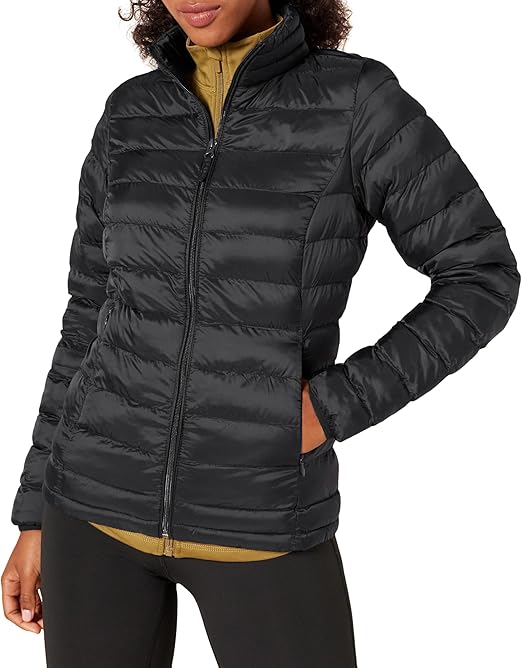
Insulated down or synthetic jacket
Choose lightweight insulation that allows easy movement.
Outer Layer: Weather Protection
Your shield against wind, snow, and moisture.
Pack:
-
Waterproof, windproof winter jacket
-
Insulated or shell snow pants
Must-Have Winter Accessories
-
Insulated beanie or thermal hat
-
Neck gaiter or scarf
-
Touchscreen-compatible gloves
-
Insulated mittens for long waits
-
Wool socks (bring extras)
👉 Pro Tip: Bring hand and toe warmers—they’re lifesavers during long night shoots.
2. Footwear & Traction Gear for Icy Nights
Cold feet can quickly ruin a night adventure.
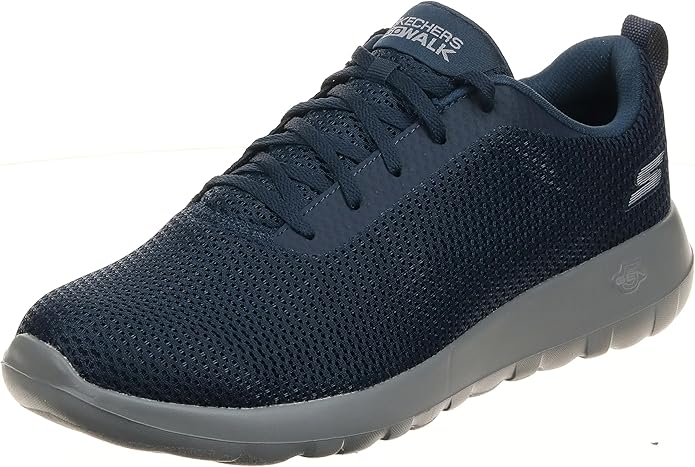
Footwear Essentials
-
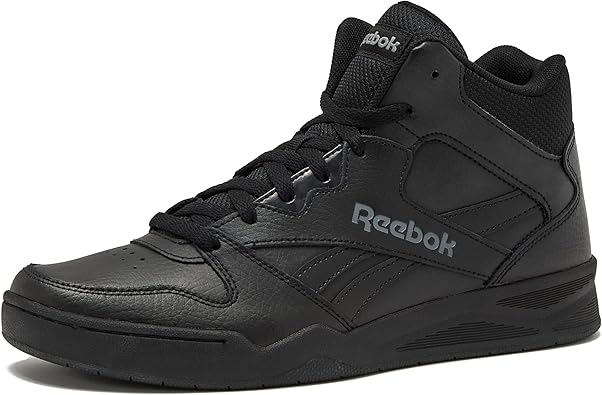
Insulated, waterproof snow boots
-
Thick thermal or wool socks
-
Gaiters to keep snow out
Traction Gear
-
Ice cleats or microspikes
-
Trekking poles for stability
These items help you walk confidently on icy or snow-covered paths.
3. Lighting & Visibility Gear
Proper lighting is crucial at night—not just for seeing, but for safety.
Headlamp
-
Hands-free and essential for setting up gear
-
Look for adjustable brightness and red-light mode
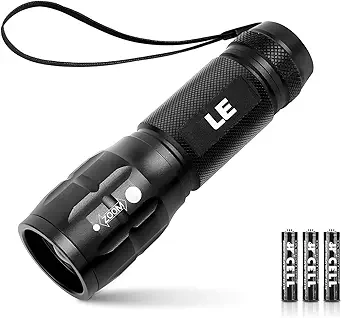
Flashlight
-
Backup light source
-
Useful for signaling or scanning surroundings
Reflective Gear
-
Reflective strips or patches on clothing or backpacks
-
Improves visibility in low-light conditions
4. Camera & Stargazing Gear Essentials
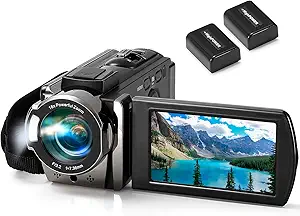
If you’re heading out for snowy stargazing or aurora chasing, camera gear plays a major role.
Camera Essentials
-
Weather-sealed mirrorless or DSLR camera
-
Wide-angle lens (14–24mm or 16–35mm)
-
Fast aperture (f/2.8 or wider)
Accessories to Pack
-
Sturdy tripod (carbon fiber preferred)
-
Extra camera batteries (3–4 minimum)
-
Remote shutter or timer
-
Lens hood to reduce snow glare
-
Lens cloth and anti-fog wipes
👉 Battery Tip: Keep spare batteries in your inner jacket pocket to stay warm.
5. Power & Electronics Management in the Cold
Cold weather drains batteries faster than expected.
Pack:
-
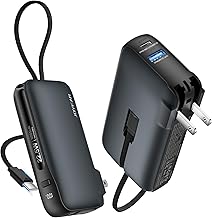
Fully charged power bank
-
Insulated battery pouch
-
Short charging cables
Turn off unnecessary features like Wi-Fi and Bluetooth to conserve power.
6. Navigation & Safety Essentials for Night Adventures
Nighttime winter exploration requires extra safety planning.
Navigation Gear
-
GPS device or offline maps
-
Compass as a backup
Safety Essentials
-
Headlamp with spare batteries
-
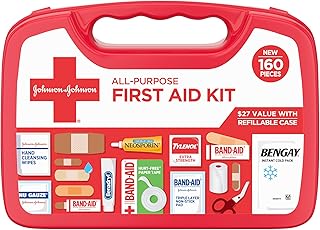
First-aid kit
-
Emergency blanket
-
Whistle or emergency signal
-
Fully charged phone
For remote locations:
-
Satellite communicator or emergency beacon
7. Food & Hydration for Cold Nights
Cold suppresses thirst, but dehydration still happens.
What to Pack
-
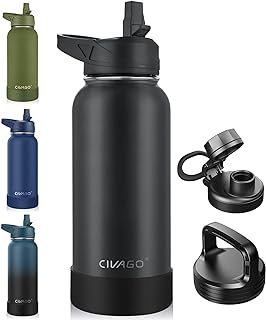
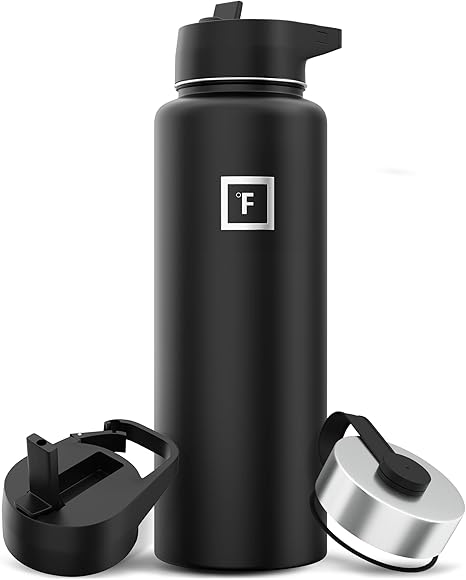
Insulated water bottle (prevents freezing)
-
Thermos with hot tea, coffee, or soup
-
High-energy snacks:
-
nuts
-
trail mix
-
protein bars
-
chocolate
-
Eating small amounts regularly helps maintain body heat.
8. Comfort & Wellness Items You’ll Be Glad You Packed
Night winter adventures often mean long waits.
Helpful extras:
-
Foldable insulated sit pad
-
Extra scarf or blanket
-
Lip balm with SPF
-
Sunglasses (for snow glare during early evening)
-
Tissues and wet wipes
These small items significantly improve comfort.
9. Tips for Snowy Stargazing
Snow creates a unique stargazing environment.
Best Practices
-
Choose nights with clear skies and low wind
-
Use snow as a natural reflector for foreground light
-
Avoid headlamp use during actual stargazing—let your eyes adjust
-
Dress warmer than you think you need
Snow-covered ground often enhances the overall night scene, adding brightness and depth.
10. Aurora Chasing Tips for Winter Nights
Aurora chasing requires patience and planning.
Before You Go
-
Monitor aurora forecasts and weather conditions
-
Check cloud coverage—it matters more than aurora strength
During the Chase
-
Stay flexible with locations
-
Keep your gear ready but protected from snow
-
Use short exposure times for fast-moving aurora
Mindset Tip
Aurora displays are unpredictable—enjoy the experience even if the lights are subtle.
11. Mental Preparation for Night Winter Adventures
Cold, darkness, and waiting can test patience.
Stay Positive By:
-
Setting realistic expectations
-
Taking warm breaks
-
Focusing on the experience, not just photos
-
Traveling with a companion when possible
A calm mindset improves safety and enjoyment.
12. Quick Night Winter Adventure Packing Checklist
Clothing
✔ Thermal layers
✔ Insulated jacket & pants
✔ Gloves, beanie, scarf
✔ Snow boots
Gear
✔ Headlamp & flashlight
✔ Camera & tripod
✔ Extra batteries & power bank
Safety & Comfort
✔ First-aid kit
✔ Thermos & snacks
✔ Hand warmers
✔ Navigation tools
Final Thoughts: Embrace the Magic of Winter Nights
Night winter adventures offer some of the most unforgettable experiences in travel—silent snowy landscapes, endless stars, and the rare beauty of the aurora. With the right gear and thoughtful preparation, you can stay warm, safe, and fully present in the moment.
Pack smart, dress well, respect the cold, and slow down. When you do, winter nights reveal a world that feels almost otherworldly—and absolutely worth the effort.