Ice Skating Adventure Pack: What to Bring for Scenic Frozen Lake Skates & Winter Exploration
There’s something magical about gliding across a frozen lake surrounded by snow-covered trees, crisp winter air, and wide-open skies. Unlike indoor rinks, outdoor ice skating on frozen lakes and natural surfaces feels like a true winter adventure. But with that beauty comes responsibility natural ice conditions, cold temperatures, and remote locations require careful planning.
That’s where an Ice Skating Adventure Pack comes in. Packing the right gear ensures you stay warm, safe, and comfortable while fully enjoying the experience. Whether you’re planning a scenic lake skate, a winter exploration trip, or a photography-focused adventure on ice, this guide covers everything you need to bring.
Why You Need a Specialized Ice Skating Adventure Pack
Skating on frozen lakes is very different from skating at a maintained rink. Natural environments are unpredictable, temperatures change quickly, and help may not be nearby. A well-prepared pack helps you:
-
Stay warm in sub-zero temperatures
-
Maintain traction and balance on uneven ice
-
Handle minor emergencies
-
Enjoy longer skating sessions without discomfort
-
Explore safely and responsibly
This packing list is designed for scenic frozen lake skating, beginner-to-intermediate adventurers, and winter explorers who value safety just as much as fun.
Essential Ice Skating Gear
Ice Skates (Outdoor-Ready)
Choose skates designed for outdoor or recreational skating. Look for:
-
Insulated lining for warmth
-
Ankle support for uneven ice
-
Stainless steel blades for durability
Avoid lightweight indoor-only skates, as they don’t hold up well on natural ice.
Skate Guards
Blade guards protect your skates while walking on rocky shores, snow, or uneven paths. They’re essential if you’ll be moving on and off the ice.
Warm Clothing Layers for Frozen Lake Skating
Moisture-Wicking Base Layers
Start with thermal base layers made from merino wool or synthetic fabrics. These regulate body temperature and keep sweat away from your skin.
Insulating Mid-Layers
Fleece jackets or lightweight down vests help trap heat without restricting movement—important when skating.
Waterproof & Windproof Outer Layer
A winter jacket and snow pants with wind resistance protect you from icy gusts and snow spray. Look for breathable fabrics so you don’t overheat while skating.
Winter Accessories You Shouldn’t Skip
Gloves or Mittens
Insulated, waterproof gloves are a must. Consider bringing:
-
A primary warm pair
-
A lightweight backup pair
Falls happen, and wet gloves get cold fast.
Hat or Thermal Beanie
Heat escapes quickly through your head. A snug, fleece-lined beanie keeps you warm without slipping over your eyes.
Neck Gaiter or Scarf
Protect your neck and face from wind chill. Neck gaiters are ideal because they stay in place during movement.
Traction & Safety Accessories
Ice Picks or Ice Claws
These handheld tools help you pull yourself out if the ice breaks. Wear them around your neck or keep them easily accessible.
Traction Cleats
Slip-on ice cleats help when walking to and from the lake, especially on snowy trails or icy parking areas.
Helmet (Optional but Recommended)
For beginners or uneven ice conditions, a lightweight helmet adds an extra layer of safety.
Safety & Emergency Essentials
Ice Safety Knowledge (Non-Negotiable)
Before skating, always:
-
Check local ice thickness reports
-
Avoid moving water areas
-
Skate with a partner
-
Inform someone of your location
Small First-Aid Kit
Include:
-
Adhesive bandages
-
Antiseptic wipes
-
Blister care
-
Hand warmers
Whistle or Personal Alarm
A loud whistle can help signal for assistance in remote areas.
Headlamp or Flashlight
Winter days are short. A compact headlamp ensures visibility if you’re skating close to sunset.
Comfort & Convenience Items
Backpack or Day Pack
Choose a water-resistant backpack with:
-
Insulated compartments
-
External straps for skates or gear
-
Comfortable shoulder support
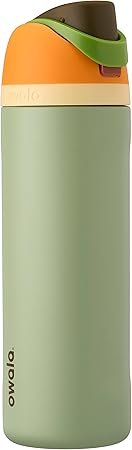
Thermos with Hot Drinks
Hot tea, coffee, or cocoa helps maintain body temperature and boosts morale on cold days.
High-Energy Snacks
Pack easy-to-eat snacks like:
-
Trail mix
-
Energy bars
-
Dried fruit
-
Chocolate
Cold weather burns calories faster than you think.
Navigation & Exploration Tools
Map or Offline GPS
Cell service can be unreliable near lakes. Offline maps or printed routes help you stay oriented.
Phone with Protective Case
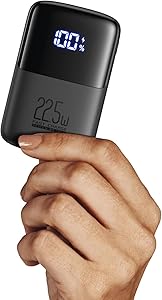
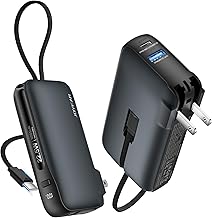
Cold drains batteries quickly. Keep your phone in an insulated pocket or bring a power bank.
Optional Extras for a Scenic Experience
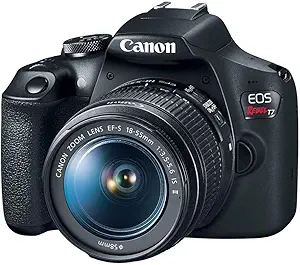
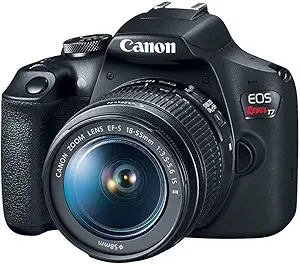
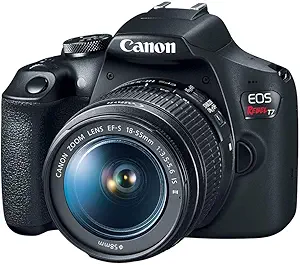
Camera or Action Cam
Frozen lakes offer stunning visuals. Bring a camera with:
-
Cold-resistant battery
-
Neck or wrist strap
-
Protective case
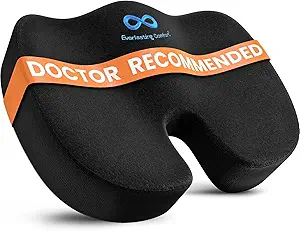
Lightweight Seat Pad
A foam or insulated seat pad lets you take breaks without sitting directly on ice.
Extra Socks
Dry socks can be a lifesaver if snow sneaks into your boots or skates.
What Not to Bring
Avoid overpacking bulky items that restrict movement. Skip:
-
Heavy cotton clothing (retains moisture)
-
Large glass containers
-
Non-insulated footwear
-
Unnecessary valuables
Tips for a Safe & Enjoyable Frozen Lake Skating Trip
-
Skate during daylight hours whenever possible
-
Test ice thickness with local guidelines (generally 4–6 inches minimum)
-
Stay near shorelines if you’re new
-
Dress in layers you can remove
-
Never skate alone
Preparation transforms outdoor ice skating from risky to rewarding.
Final Thoughts
A frozen lake skating adventure is one of winter’s most unforgettable experiences but only if you’re properly prepared. Packing the right Ice Skating Adventure Pack ensures you stay warm, safe, and confident while exploring nature’s icy playground.
From insulated skates and layered clothing to safety tools and warm drinks, every item plays a role in making your winter exploration smooth and stress-free. With the right gear, frozen lakes become a place of freedom, beauty, and pure winter joy.
Before you step onto the ice, pack smart, skate safely, and enjoy the magic of winter.