Winter Night Photography: Gear & Tips for Capturing Snowy Stars and Aurora
Winter nights offer some of the most breathtaking photography opportunities on Earth. Snow-covered landscapes reflect starlight, skies turn deeper and clearer, and in high-latitude regions, the aurora dances across the horizon in waves of green and purple. But winter night photography is also demanding freezing temperatures, long exposures, and low light test both your patience and your gear.
With the right preparation, you can capture stunning images of snowy starscapes and the Northern Lights. This guide covers essential gear, camera settings, and practical tips to help you shoot confidently in cold, dark conditions.
Why Winter Is Perfect for Night & Aurora Photography
Winter nights have unique advantages:
-
Longer darkness = more shooting time
-
Clearer air with less atmospheric haze
-
Snow reflection adds light to foregrounds
-
Higher aurora activity in winter months
The challenge lies in managing cold, moisture, and stability—exactly what smart packing and planning solve.
Essential Gear for Winter Night Photography
1. Camera & Lenses
Choose equipment that performs well in low light.
Best options:
-
Full-frame mirrorless or DSLR for better noise control
-
Wide-angle fast lens (14–24mm or 16–35mm, f/2.8 or faster)
-
Prime lens (20mm, 24mm, or 35mm) for sharper stars
A wide aperture allows more light in, essential for stars and aurora.
2. Tripod Built for Cold
Night photography requires long exposures.
Look for:
-
Carbon fiber tripod (less cold transfer)
-
Sturdy legs with snow or spiked feet
-
Quick-lock mechanisms for gloved hands
Stability is critical, especially on icy ground.
3. Power Essentials
Cold drains batteries fast.
Pack:
-
3–4 fully charged camera batteries
-
Insulated battery pouch
-
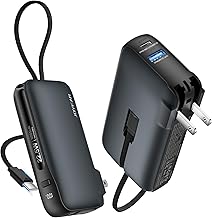
Power bank for emergencies
Keep spare batteries in your inner jacket pocket to stay warm.
4. Camera Protection
Snow and condensation are major risks.
Must-haves:
-
Weatherproof camera bag
-
Rain/snow cover
-
Microfiber cloth
-
Anti-fog wipes
Always seal your camera in a bag before moving indoors to prevent condensation.
Clothing Essentials for Long Winter Night Shoots
Standing still in freezing temperatures makes you colder faster than hiking.
Dress in layers:
-
Thermal base layer
-
Insulated mid-layer (fleece or down)
-
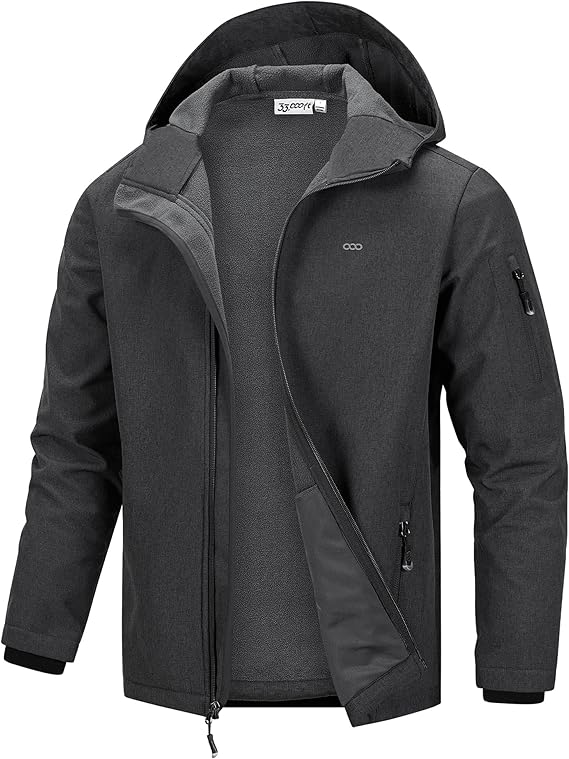
Windproof, waterproof outer layer
Accessories that matter:
-
Insulated boots
-
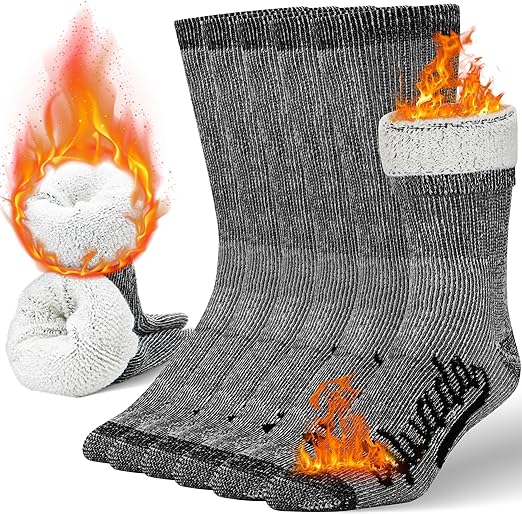
Wool socks
-
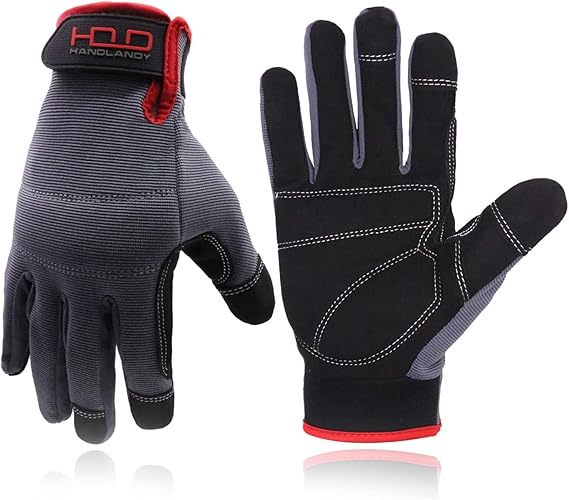
Touchscreen gloves
-
Hand and toe warmers
-
Beanie and neck gaiter
Comfort allows you to focus on composition instead of the cold.
Camera Settings for Snowy Stars & Aurora
For Star Photography
-
Mode: Manual
-
Aperture: f/2–f/2.8
-
Shutter speed: 10–20 seconds (use the 500 rule)
-
ISO: 1600–3200
-
Focus: Manual (focus on a bright star)
For Aurora Photography
Aurora moves—adjust settings accordingly.
-
Aperture: f/1.8–f/2.8
-
Shutter speed: 2–8 seconds (shorter for fast movement)
-
ISO: 800–3200
-
White balance: Auto or Daylight
Shoot in RAW for maximum editing flexibility.
Tips for Shooting in Snowy Night Conditions
1. Use Snow as a Foreground Tool
Snow reflects light naturally. Use it to:
-
Brighten foregrounds
-
Create leading lines
-
Add texture and depth
2. Avoid Light Pollution
Head away from city lights. Even a small town glow can reduce star visibility.
3. Turn Off Image Stabilization on Tripods
Leaving stabilization on while mounted can introduce blur.
4. Check Focus Frequently
Cold can slightly shift focus. Recheck every few shots.
5. Plan Aurora Shoots in Advance
Use aurora forecast apps and weather trackers. Clear skies matter more than strong aurora activity.
Safety Tips for Winter Night Adventures
-
Always tell someone your location
-
Carry a headlamp with spare batteries
-
Use traction cleats on icy ground
-
Know your weather limits
-
Don’t push too far in extreme cold
Photography is never worth risking safety.
Editing Tips for Winter Night Photos
Post-processing brings winter night images to life.
Key adjustments:
-
Reduce noise carefully
-
Adjust white balance to neutralize blue snow
-
Enhance contrast without crushing shadows
-
Slightly boost clarity for aurora detail
Avoid over-editing natural tones work best for winter scenes.
Final Thoughts: Capture the Magic of Winter Nights
Winter night photography rewards patience, preparation, and persistence. With the right gear, thoughtful camera settings, and smart cold-weather strategies, you can capture breathtaking images of snowy stars and glowing aurora.
Dress warmly, protect your equipment, and slow down to enjoy the quiet magic of winter nights. When everything comes together the silence, the stars, the snow you’ll create images that truly stand out.