Wildlife Safari Adventure: Essential Gear for an Unforgettable Journey
A wildlife safari is one of the most thrilling travel experiences you can have. Whether you're exploring vast African savannas, tracking majestic tigers through dense forests, observing elephants in their natural habitat, or photographing exotic birds in remote wetlands, a safari offers unforgettable encounters with nature.
However, a successful safari requires more than excitement and curiosity. Proper preparation and the right gear can significantly improve your comfort, safety, and overall experience. From protective clothing and binoculars to photography equipment and hydration essentials, every item plays an important role in helping you enjoy the wilderness to the fullest.
This comprehensive guide covers the essential gear you need for a memorable wildlife safari adventure.
Why Proper Safari Gear Matters
Wildlife safaris often involve long hours outdoors in changing weather conditions and remote environments. Being prepared allows you to:
- Stay comfortable throughout the journey
- Protect yourself from sun, dust, and insects
- Observe wildlife more effectively
- Capture incredible photographs
- Handle unexpected situations confidently
Packing wisely ensures you can focus on the experience rather than worrying about what you forgot.
Choosing the Right Safari Clothing
Your clothing can greatly impact your comfort during a safari.
Neutral-Colored Clothing
Wild animals are less likely to be disturbed by neutral tones.
Consider colors such as:
- Khaki
- Beige
- Olive green
- Brown
- Light gray
Avoid bright colors and flashy patterns that may attract attention or disrupt wildlife observation.
Lightweight and Breathable Shirts
Many safari destinations experience warm daytime temperatures.
Choose shirts that offer:
- Breathability
- Moisture-wicking properties
- Quick-drying fabric
- UV protection
Long-sleeved options provide added protection against insects and sun exposure.
Comfortable Safari Pants
Lightweight pants are ideal for:
- Sun protection
- Insect protection
- Comfort during long drives
Convertible pants with zip-off legs offer flexibility in changing temperatures.
Lightweight Jacket
Early mornings and evenings can be surprisingly cool, even in warm climates.
A lightweight jacket helps maintain comfort during:
- Sunrise game drives
- Sunset safaris
- Open-vehicle excursions
Rain Jacket
Weather conditions can change unexpectedly.
A compact waterproof jacket protects you from sudden rain showers and wind.
Footwear for Safari Adventures
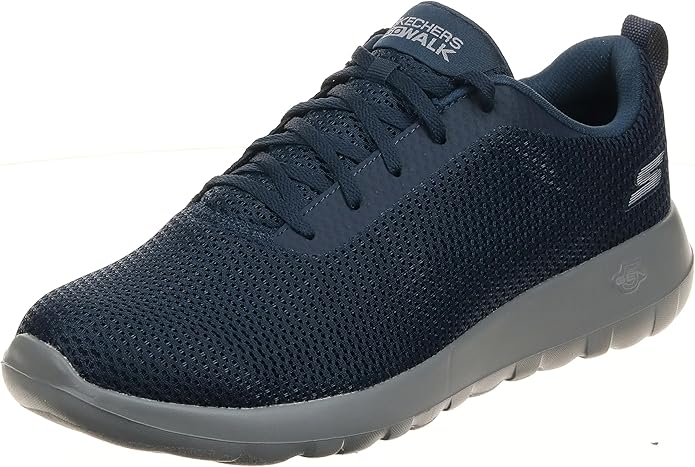
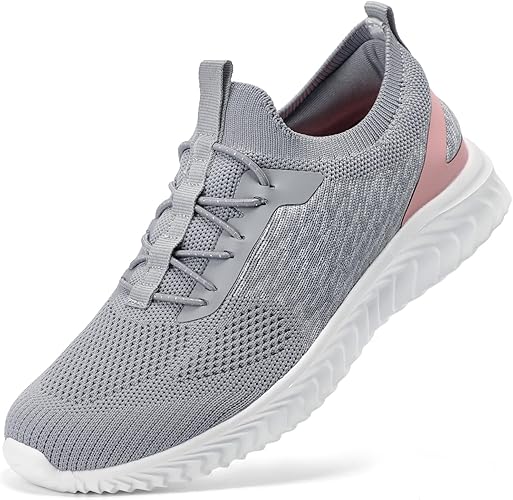
Comfortable Walking Shoes
Even if much of your safari takes place in a vehicle, you'll likely spend time walking around lodges, camps, or designated trails.
Choose shoes that provide:
- Good grip
- Breathability
- All-day comfort
Hiking Boots
For walking safaris or nature treks, hiking boots offer:
- Ankle support
- Better traction
- Protection from rough terrain
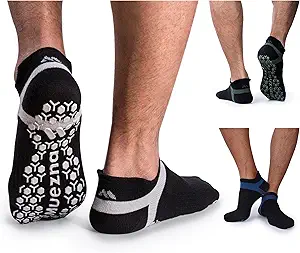
Moisture-Wicking Socks
Quality socks help prevent blisters and keep your feet comfortable during long days outdoors.
Essential Wildlife Viewing Equipment
Binoculars
Binoculars are arguably the most important safari accessory.
They allow you to:
- Observe animals from a safe distance
- Spot birds and distant wildlife
- Appreciate fine details that may be missed with the naked eye
A pair with 8x or 10x magnification is suitable for most safari adventures.
Field Guide
A wildlife or bird identification guide helps you learn more about the animals and ecosystems you encounter.
Many travelers use:
- Printed guidebooks
- Mobile identification apps
- Regional wildlife handbooks
These resources make wildlife sightings more educational and engaging.
Photography Essentials
One of the highlights of a safari is capturing extraordinary wildlife moments.
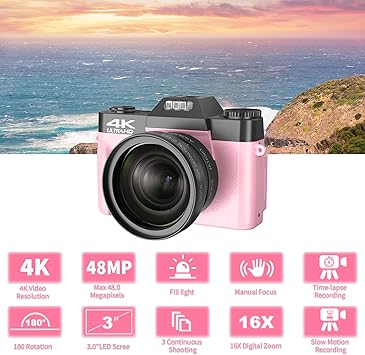
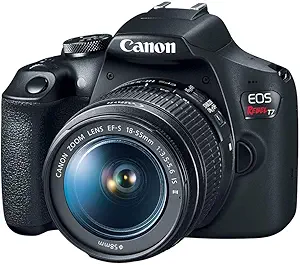
Camera
Whether you're a professional photographer or casual traveler, a camera helps preserve unforgettable memories.
Popular options include:
- DSLR cameras
- Mirrorless cameras
- High-quality smartphone cameras
Telephoto Lens
Wildlife often remains at a distance.
A telephoto lens allows you to:
- Capture detailed animal portraits
- Photograph birds effectively
- Avoid disturbing wildlife
Long-range lenses are particularly useful on safari.
Extra Memory Cards
Wildlife photography often results in hundreds of images.
Bring multiple memory cards to ensure you never run out of storage space.
Spare Batteries
Remote safari locations may offer limited charging opportunities.
Carry extra batteries to keep your camera operational throughout the day.
Camera Cleaning Kit
Dust is common in many safari environments.
A cleaning kit helps maintain image quality and protect your equipment.
Sun Protection Essentials
Safaris frequently involve extended exposure to sunlight.
Wide-Brim Hat
A hat helps protect your:
- Face
- Neck
- Ears
Choose a breathable design for maximum comfort.
Sunglasses
Quality sunglasses provide:
- UV protection
- Reduced glare
- Improved visibility
Polarized lenses are especially beneficial during bright conditions.
Sunscreen
Apply broad-spectrum sunscreen regularly throughout the day.
Pay special attention to:
- Face
- Neck
- Arms
- Hands
Even cloudy conditions can result in sun exposure.
Lip Balm with SPF
Dry climates and sun exposure can quickly affect your lips.
A protective lip balm helps prevent cracking and discomfort.
Insect Protection
Many safari destinations contain mosquitoes and other insects.
Insect Repellent
A quality insect repellent helps reduce bites and improves comfort.
Apply according to manufacturer instructions and local recommendations.
Long-Sleeved Clothing
Lightweight long sleeves provide an additional barrier against insects without causing excessive heat.
Anti-Itch Cream
Minor insect bites can become irritating.
A small tube of anti-itch cream can be useful during your trip.
Hydration and Nutrition
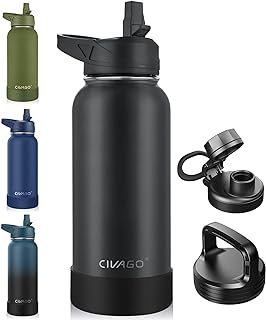
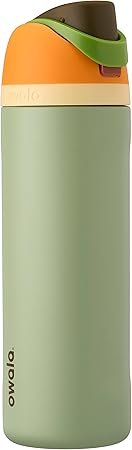
Reusable Water Bottle
Hydration is critical during safari excursions.
A reusable water bottle allows you to:
- Stay hydrated
- Reduce plastic waste
- Save money
Many safari lodges provide refill stations.
Insulated Bottle
In warmer climates, insulated bottles help keep water cool for extended periods.
Healthy Snacks
Safari drives often last several hours.
Pack convenient snacks such as:
- Granola bars
- Trail mix
- Nuts
- Dried fruits
These provide quick energy between meals.
Travel and Safety Essentials
Travel Documents
Always carry:
- Passport
- Identification
- Travel insurance documents
- Emergency contact information
Store copies separately from originals.
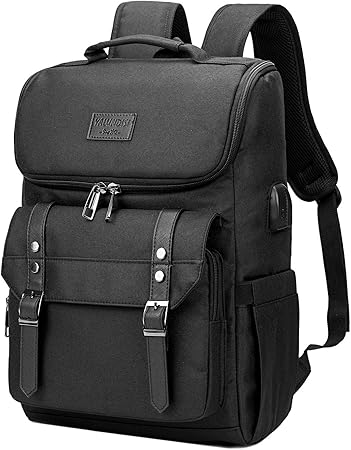
Small Daypack
A lightweight daypack helps organize your daily essentials, including:
- Water
- Camera gear
- Snacks
- Sunscreen
- Binoculars
Choose one that is comfortable and easy to carry.
Flashlight or Headlamp
Many safari lodges and camps are located in remote areas with limited lighting.
A flashlight is useful for:
- Evening walks
- Navigating campsites
- Emergency situations
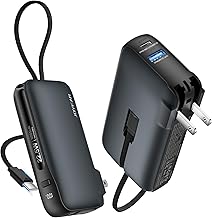
Portable Power Bank
A power bank ensures your devices remain charged during long excursions.
It's especially useful for:
- Smartphones
- Cameras
- GPS devices
Health and First-Aid Essentials
Personal Medications
Pack sufficient medication for your entire trip, plus extra in case of delays.
Keep medications in their original packaging whenever possible.
Basic First-Aid Kit
Include items such as:
- Adhesive bandages
- Antiseptic wipes
- Pain relievers
- Allergy medication
- Motion sickness tablets
A compact first-aid kit can handle many minor issues.
Hand Sanitizer
Useful when soap and water are unavailable.
Wet Wipes
Wet wipes help maintain cleanliness during long drives and outdoor activities.
Packing Tips for Safari Travelers
Pack Light
Many safari vehicles and small aircraft have luggage restrictions.
Choose versatile items that serve multiple purposes.
Use Soft-Sided Luggage
Soft duffel bags are often preferred because they fit more easily into safari vehicles and aircraft compartments.
Organize with Packing Cubes
Packing cubes help keep your gear organized and accessible.
Separate categories such as:
- Clothing
- Electronics
- Toiletries
- Photography equipment
Protect Electronics
Use padded cases and waterproof bags to protect cameras and accessories from dust and moisture.
Common Safari Packing Mistakes to Avoid
Wearing Bright Colors
Bright clothing can attract attention and interfere with wildlife observation.
Stick to neutral tones whenever possible.
Forgetting Binoculars
Many travelers underestimate how valuable binoculars are during a safari.
Underestimating Sun Exposure
Even cool mornings can lead to significant UV exposure throughout the day.
Packing Heavy Luggage
Overpacking can become inconvenient, especially when moving between camps or lodges.
Neglecting Backup Power
Always carry spare batteries or a portable charger.
Making the Most of Your Safari Experience
Preparation is important, but so is your mindset.
To maximize your safari adventure:
- Be patient when searching for wildlife
- Listen to experienced guides
- Respect animals and their habitats
- Keep noise to a minimum
- Stay alert for unexpected sightings
Some of the most memorable safari moments happen when you least expect them.
Final Thoughts
A wildlife safari adventure offers a rare opportunity to connect with nature, witness incredible animals in their natural environment, and create lifelong memories. Proper preparation ensures you can fully enjoy every moment of the experience.
By packing essential gear such as neutral clothing, comfortable footwear, binoculars, photography equipment, sun protection, insect repellent, hydration supplies, and safety essentials, you'll be ready for the challenges and excitement of the wilderness.
Whether you're embarking on your first safari or returning for another unforgettable journey, thoughtful planning and smart packing will help you stay comfortable, safe, and prepared for every wildlife encounter.
So gather your gear, charge your camera, and get ready for an extraordinary adventure into the wild. The journey of a lifetime awaits!