The Ultimate Road Cycling Packing Checklist for Every Cyclist
Road cycling is one of the most rewarding ways to stay active, explore new places, and enjoy the outdoors. Whether you're planning a short weekend ride, a long-distance cycling adventure, or training for a competitive event, being properly prepared can make all the difference. The right gear not only improves comfort and performance but also enhances safety and helps you handle unexpected situations on the road.
One of the biggest mistakes cyclists make is heading out without essential equipment. A forgotten helmet, empty water bottle, or missing repair kit can quickly turn an enjoyable ride into a frustrating experience. That's why having a reliable road cycling packing checklist is crucial.
This guide covers everything every cyclist should pack before hitting the road, helping you stay safe, comfortable, and ready for every mile ahead.
Why a Road Cycling Packing Checklist Matters
A well-planned checklist ensures you have everything needed for a successful ride. Benefits include:
- Improved safety on the road
- Better riding comfort
- Enhanced cycling performance
- Preparedness for emergencies
- Reduced stress during long rides
Whether you're cycling through city streets, scenic countryside roads, or challenging mountain routes, preparation is key to an enjoyable experience.
Essential Cycling Gear
Helmet
A helmet is the most important piece of cycling safety equipment.
It protects your head in case of accidents and significantly reduces the risk of serious injury. Always ensure your helmet:
- Fits properly
- Meets safety standards
- Is free from cracks or damage
Never start a ride without it.
Cycling Jersey
A cycling jersey is designed specifically for comfort and performance.
Benefits include:
- Moisture-wicking fabric
- Improved airflow
- Rear storage pockets
- Lightweight construction
Choose a jersey suitable for the weather conditions and ride duration.
Cycling Shorts
Padded cycling shorts help reduce discomfort during long rides.
They provide:
- Extra cushioning
- Reduced friction
- Better support
- Improved comfort on extended journeys
Quality cycling shorts can dramatically improve your riding experience.
Cycling Gloves
Gloves offer protection and comfort by:
- Reducing hand fatigue
- Improving grip
- Protecting hands during falls
- Absorbing road vibrations
They are especially useful on longer rides.
Cycling Shoes
Cycling-specific shoes improve efficiency and comfort.
They help:
- Transfer power more effectively
- Enhance pedal control
- Reduce foot fatigue
For recreational riders, comfortable athletic shoes may also work well.
Hydration Essentials
Water Bottles
Hydration is critical for cycling performance and safety.
Always carry enough water for your route.
Most road bikes include bottle cages that make hydration easily accessible while riding.
Electrolyte Drinks
During longer rides, electrolyte replacement becomes important.
Electrolyte drinks help:
- Replace lost minerals
- Maintain energy levels
- Reduce muscle cramps
- Support endurance
Consider carrying electrolyte tablets or powdered drink mixes.
Nutrition for the Ride
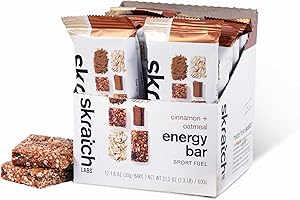
Energy Bars
Energy bars provide quick and convenient fuel during rides.
They're ideal because they:
- Are easy to carry
- Require no preparation
- Provide sustained energy
Energy Gels
For intense rides or races, energy gels offer rapid carbohydrate intake.
Many cyclists use them during long climbs or endurance events.
Trail Mix and Snacks
Healthy snacks can help maintain energy levels throughout your journey.
Popular options include:
- Nuts
- Dried fruits
- Granola bars
- Crackers
Pack enough nutrition to match the duration and intensity of your ride.
Bike Repair and Maintenance Essentials
Mechanical issues can happen unexpectedly, even on well-maintained bicycles.
Spare Inner Tube
Flat tires are among the most common cycling problems.
Always carry at least one spare inner tube.
For longer rides, consider bringing two.
Tire Levers
Tire levers make it easier to remove and reinstall tires when repairing flats.
They are lightweight and take up minimal space.
Mini Bike Pump
A portable pump is essential for reinflating tires after repairs.
Choose a compact model designed specifically for road cycling.
CO₂ Inflator
Many cyclists carry CO₂ cartridges for faster tire inflation.
They save time and effort during roadside repairs.
Patch Kit
A patch kit provides a backup solution if multiple flats occur.
It can help you continue your ride when spare tubes run out.
Multi-Tool
A cycling multi-tool is one of the most valuable items in your repair kit.
Typical tools include:
- Allen keys
- Screwdrivers
- Chain tools
- Wrenches
A multi-tool can resolve many common mechanical issues.
Navigation and Route Planning
Smartphone
Your smartphone can serve multiple purposes:
- GPS navigation
- Emergency communication
- Ride tracking
- Photography
Keep it fully charged before departure.
Bike Mount
A bike mount allows easy access to navigation while riding.
Choose a secure mount that protects your phone from vibrations.
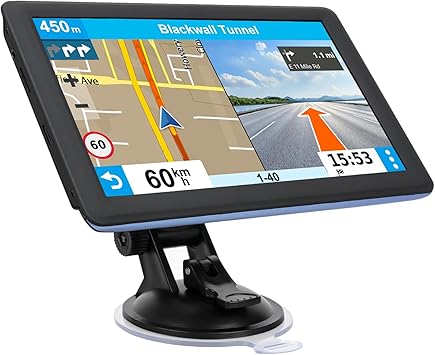
GPS Cycling Computer
Dedicated cycling computers provide:
- Speed tracking
- Distance monitoring
- Route guidance
- Performance metrics
They are especially useful for long-distance riders.
Printed Route Information
Technology can fail unexpectedly.
Having a backup route plan or emergency directions can be helpful in remote areas.
Safety Equipment
Front and Rear Bike Lights
Visibility is essential, even during daytime rides.
Bike lights improve safety by helping drivers and other road users see you more clearly.
Reflective Gear
Reflective elements increase visibility in low-light conditions.
Examples include:
- Reflective vests
- Reflective ankle straps
- Reflective stickers
Identification
Carry identification that includes:
- Name
- Emergency contact details
- Relevant medical information
This information can be invaluable during emergencies.
Emergency Contact Information
Store emergency contacts both on your phone and in a physical format.
Weather Protection
Lightweight Rain Jacket
Weather conditions can change quickly.
A packable rain jacket provides protection from:
- Rain
- Wind
- Sudden temperature drops
Arm and Leg Warmers
These versatile accessories help regulate body temperature during changing conditions.
They can be removed easily as temperatures rise.
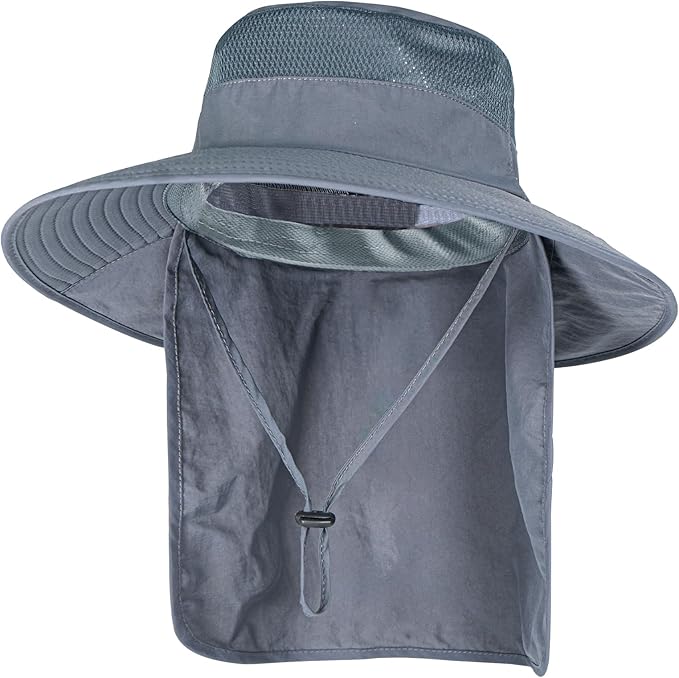
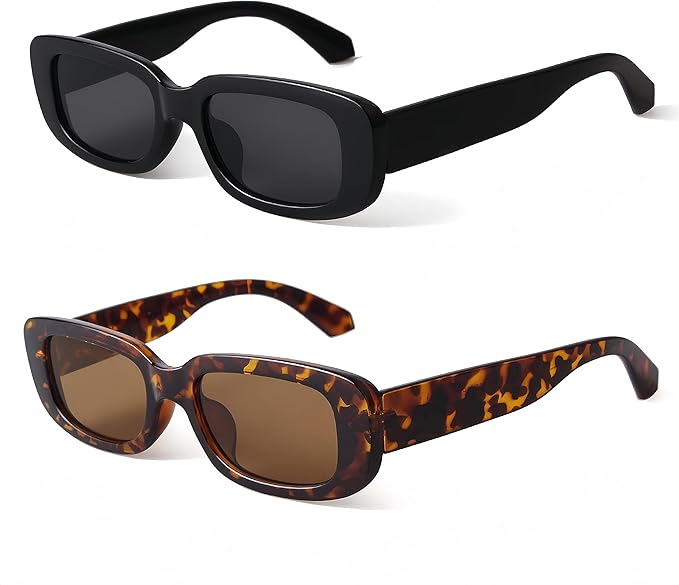
Sunglasses
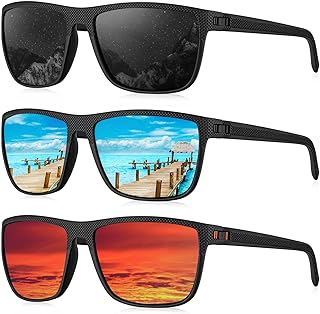
Cycling sunglasses offer protection from:
- UV rays
- Dust
- Wind
- Insects
Clear or interchangeable lenses can be useful in varying light conditions.
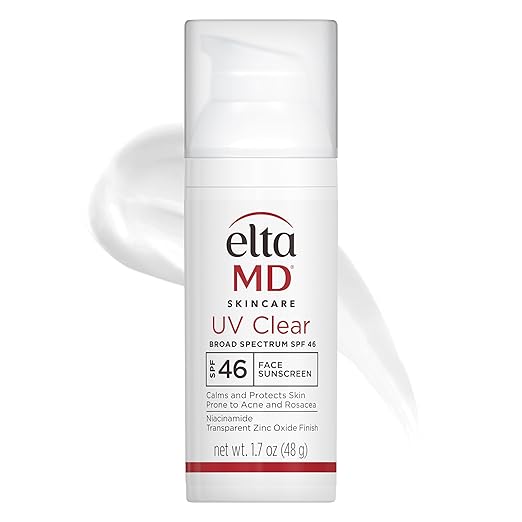
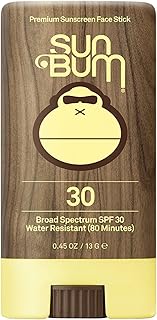
Sunscreen
Even on cloudy days, UV exposure can be significant.
Apply sunscreen before every ride and reapply as needed.
Storage and Carrying Solutions
Saddle Bag
A saddle bag is one of the most popular storage options for cyclists.
It can hold:
- Spare tubes
- Tire levers
- Multi-tools
- Patch kits
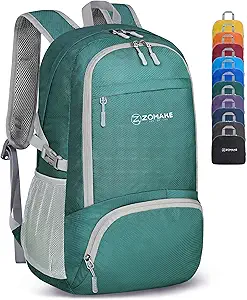
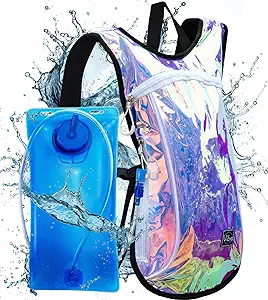
Cycling Backpack
For longer rides, a lightweight backpack may be useful for carrying:
- Extra clothing
- Food
- Hydration systems
- Electronics
Top Tube Bag
A top tube bag provides quick access to:
- Snacks
- Phone
- Wallet
- Keys
It allows riders to access essentials without stopping.
Personal Essentials
Wallet
Carry:
- Identification
- Payment cards
- Emergency cash
A waterproof wallet adds extra protection.
Keys
Keep house, car, or hotel keys secure and easily accessible.
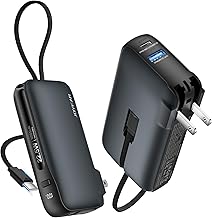
Phone Charger or Power Bank
Long rides can quickly drain smartphone batteries.
A compact power bank ensures continued access to navigation and communication.
Tissues or Wet Wipes
These lightweight items are surprisingly useful during long rides.
Long-Distance Ride Essentials
For rides exceeding several hours, consider additional equipment.
Extra Nutrition
Long-distance cycling requires more fuel.
Pack sufficient:
- Snacks
- Electrolytes
- Energy supplements
Extra Water Capacity
Remote routes may have limited refill opportunities.
Additional bottles or hydration packs can be beneficial.
Spare Clothing
Weather changes and unexpected delays can make spare clothing invaluable.
Consider:
- Extra socks
- Base layers
- Lightweight jackets
Portable Battery Pack
Extended GPS usage can quickly consume battery life.
A power bank provides peace of mind on long adventures.
Pre-Ride Bike Inspection Checklist
Before every ride, inspect your bicycle carefully.
Check Tire Pressure
Proper tire pressure improves:
- Performance
- Comfort
- Efficiency
- Puncture resistance
Inspect Brakes
Verify that brakes function properly and respond effectively.
Test Gears
Ensure smooth shifting throughout the drivetrain.
Tighten Bolts
Check critical components such as:
- Handlebars
- Seat post
- Wheels
- Pedals
Lubricate the Chain
A properly lubricated chain improves efficiency and reduces wear.
Common Packing Mistakes to Avoid
Forgetting Hydration
Many cyclists underestimate their hydration needs.
Always carry more water than you think you'll need.
Skipping Repair Tools
Mechanical problems can happen at any time.
Even short rides warrant a basic repair kit.
Ignoring Weather Forecasts
Always check weather conditions before departure.
Overpacking
Bring essential items without adding unnecessary weight.
Focus on efficiency and practicality.
Final Thoughts
A successful road cycling adventure begins with proper preparation. Whether you're commuting, training, exploring scenic routes, or participating in endurance events, having the right gear can significantly improve your experience.
By following this ultimate road cycling packing checklist, you'll be prepared for changing weather, mechanical issues, long distances, and unexpected challenges. Essential items such as a helmet, hydration supplies, nutrition, repair tools, navigation equipment, and weather protection help ensure every ride is safe, comfortable, and enjoyable.
Remember, the goal isn't to carry everything it’s to carry the right things. Build a checklist that matches your riding style, destination, and route conditions, and you'll be ready to tackle every mile with confidence.
Happy riding and safe cycling! 🚴♂️🌤️🛣️🚴♀️