What to Pack for a Beginner-Friendly Camping Trip
Camping looks peaceful on social media: string lights, cozy blankets, a perfect sunrise, and coffee by the tent. Real beginner camping? It’s more like forgetting a lighter, realizing your sleeping setup is uncomfortable, and discovering that “it won’t get that cold” was a lie.
The good news is that your first camping trip does not need to be extreme, expensive, or stressful. In fact, the best first-time camping experiences are usually the simplest ones: a short trip, a beginner-friendly campsite, easy meals, and a packing list that covers comfort, safety, and the little things people always forget.
Outdoor guides consistently recommend starting with a developed campground with basics like toilets and water, and keeping your first setup simple instead of overpacking or overbuying gear.
If you’re planning your first campout in 2026, this is the packing guide you actually need.
Why Beginner Camping Is Trending Again
Camping has become one of those “low-pressure adventure” trips people are choosing instead of expensive travel. It fits the 2026 mood perfectly: slower weekends, nature escapes, digital breaks, budget-friendly travel, and cozy outdoor setups.
But beginner campers are also doing camping differently now. It’s less “survival mode” and more:
- comfort-first packing
- easy car camping
- cute but practical gear
- portable power and phone charging
- simple meals
- short one- or two-night stays
That’s actually the best way to start. You do not need a wilderness fantasy. You need a camping setup that helps you sleep well, stay dry, eat easily, and avoid rookie mistakes.
The Best Beginner Camping Rule: Pack for Comfort First
A lot of first-time campers focus too much on “cool” gear and not enough on what actually affects the trip.
If you want your first camping trip to go well, prioritize these five things:
- Shelter
- Sleep
- Warmth
- Light
- Food + water
Everything else is a bonus.
That means your packing list should not start with aesthetic extras. It should start with what keeps you comfortable enough to actually enjoy being outside.
The Ultimate Beginner-Friendly Camping Packing List
1) A Beginner-Friendly Tent
Your tent is not the place to be overly optimistic.
For a first camping trip, you want a tent that is:
- easy to pitch
- roomy enough for your gear
- weather-resistant
- beginner-proof
A common beginner mistake is buying a tent that’s technically “for 2 people” and then discovering there’s no comfortable room for bags, shoes, and movement. If you’re camping with one other person, slightly more room often feels much better for a first trip.
Look for:
- simple pole system
- rainfly included
- ventilation windows
- decent waterproofing
- easy setup instructions
If you’re doing car camping, go for comfort over ultralight specs.
Good beginner option:
Quechua Camping Tent Unisex Grey 2 Person Mh100
If you want a quicker setup and more comfort, this is also a solid upgrade:
Quechua by Decathlon Camping Tent 2 Seconds
2) A Sleeping Setup That Doesn’t Ruin the Trip
A lot of people think camping discomfort is “part of the experience.” It doesn’t have to be.
Bad sleep is one of the fastest ways to hate your first camping trip.
What you need:
- sleeping bag or blanket suited to weather
- sleeping pad, foam mat, or air mattress
- pillow
- extra layer for colder nights
Outdoor packing guides consistently include sleeping pad + sleeping insulation as core essentials, not luxuries.
Beginner tip:
Even if the day feels warm, the ground can get cold at night. A pad matters more than most beginners realize.
Good beginner-friendly options:
Quechua Camping Air Basic Mattress Unisex 70Cm
Decathlon Self-Inflating Camping Mattress Unisex Basic 60 Cm
Forclaz by Decathlon Folding Foam Trekking Mattress
If you want the easiest first-time experience, bring your own pillow from home instead of trying to be ultra-outdoorsy.
3) Clothes You Can Layer Easily
Beginner campers often pack for the daytime weather and forget how different nights can feel outdoors.
That’s how you end up wearing everything you brought at 2 a.m.
REI specifically recommends planning clothing around weather changes and avoiding cotton if conditions may get wet.
What to pack:
- 2–3 breathable tops
- one warm fleece or hoodie
- one waterproof or windproof outer layer
- comfortable pants or joggers
- extra socks
- sleepwear
- underwear
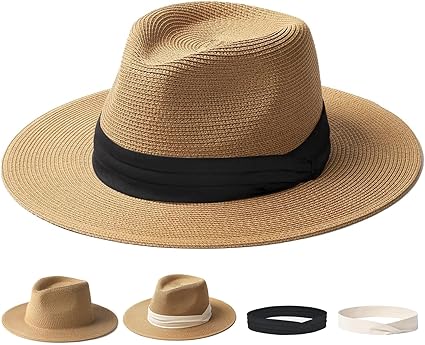
- hat or cap
- sturdy shoes or trail sneakers
- slip-on camp shoes or sandals
Best clothing rule:
Pack for cold, even if you’re hoping for warm.
This is especially true if you’re camping near water, hills, forests, or open ground where temperatures drop fast after sunset.
4) A Headlamp (Not Just Your Phone Flashlight)
This is one of the most repeated beginner camping tips online for a reason.
A headlamp is way more useful than you think:
- walking to the restroom at night
- cooking after sunset
- finding stuff inside the tent
- setting up camp if you arrive late
Reddit campers repeatedly mention headlamps and backup lighting as one of the easiest “small things” to forget that becomes instantly annoying.
Good beginner options:
Rechargeable LED Headlamp
Ledlenser MH8 Rechargeable Headlamp
Smart move:
Pack one personal light and one backup campsite light if possible.
5) A Simple Cooking Setup
You do not need to become a camp chef on your first trip.
Your first camping meals should be:
- easy
- low mess
- fast to cook
- hard to ruin
Think:
- sandwiches
- instant noodles
- pasta
- wraps
- foil meals
- ready-to-cook breakfast
- marshmallows / snacks
A lot of beginner camping guides recommend bringing a portable stove, basic cookware, and easy food instead of making the whole trip depend on a perfect campfire.
Good beginner stove options:
Campingaz Camp Bistro 2 Camping Stove
Hacer Portable Camping Gas Stove with Carrying Case
Mini Backpacking Camping Stove with Piezo Ignition – Portable Gas Stove for Hiking, Trekking & Outdoor Cooking
Don’t forget:
- lighter or matches
- fuel
- spoon/fork
- cup/mug
- knife
- pan or pot
- plates/bowls
- trash bags
- dish soap + sponge
The easiest camping trip is the one where cleanup is simple.
6) Water and Easy Hydration
Nothing makes a camping trip feel worse faster than being thirsty, underprepared, or constantly walking back and forth for water.
Bring:
- reusable water bottles
- large water jug if driving
- electrolyte packets
- coffee/tea setup if you care about your morning mood
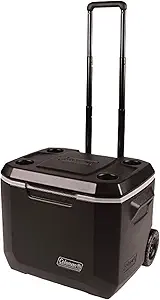
- cooler + ice if needed
Many beginner camping checklists also recommend confirming in advance whether your campsite has safe drinking water, rather than assuming.
Smart beginner move:
Freeze a few bottles of water before leaving. They help keep food cold and turn into drinking water later.
7) Toiletries and Hygiene Basics
Camping feels way more manageable when you pack for cleanliness instead of “roughing it.”
Bring:
- toothbrush + toothpaste
- face wash or wipes
- deodorant
- toilet paper
- hand sanitizer
- tissues
- towel
- menstrual products if needed
- lip balm
- moisturizer
- small mirror
- hair tie or clip
- dry shampoo if that matters to you
Add these too:
- biodegradable soap
- zip bags for used items
- wet wipes for quick cleanup
- a separate “bathroom pouch”
The more organized your small essentials are, the less chaotic your campsite feels.
8) Bug Spray and Sunscreen
This is the category beginners forget because it’s “not exciting.”
And then suddenly:
- you’re itchy
- you’re burnt
- you’re annoyed
- and the vibe is gone
These are not optional.
Bring:
- insect repellent
- sunscreen
- after-sun lotion or aloe
- anti-itch cream if you’re sensitive
This also lines up with beginner advice shared across community camping threads, where people repeatedly mention bug spray, sunscreen, and toilet paper as easy-to-forget essentials.
9) A Small First Aid Kit
You don’t need a giant emergency bag, but you absolutely should bring a simple first aid kit.
Pack:
- band-aids
- antiseptic wipes
- pain relief tablets
- blister patches
- tweezers
- gauze
- tape
- allergy meds if needed
- personal medications
Reddit campers still bring up first aid as one of those things you hope you won’t need — until you suddenly do.
Beginner mindset:
You are not packing for disaster. You are packing for small inconveniences that are harder to solve outdoors.
10) A Portable Power Bank
Camping in 2026 does not mean pretending your phone doesn’t exist.
You’ll probably still want it for:
- maps
- weather
- flashlight backup
- photos
- music
- emergency calls
That’s why a power bank is now one of the most practical modern camping essentials.
Good options:
Ambrane Force 10K Power Bank
Xiaomi Power Bank 4i 20000mAh 33W Sonic Charge
Xiaomi Power Bank 4i 10000mAh 22.5W Fast Charging PD
Best move:
Charge everything before you leave:
- phone
- watch
- headlamp
- speaker
- camera
- power bank
Camping is more relaxing when your battery anxiety stays at home.
11) Camp Comfort Items That Make a Huge Difference
These are not survival items, but they make beginner camping much better.
Bring:
- camp chair
- picnic blanket
- extra blanket
- lantern
- deck of cards or game
- book or Kindle
- speaker (keep volume respectful)
- tote bag for loose items
- organizer bins
- zip bags
- paper towels
These are the things that make your campsite feel settled instead of chaotic.
And honestly? That’s what a lot of beginner campers want now: less rugged, more relaxing.
What People Always Forget on Their First Camping Trip
This is the real list.
According to both beginner guides and camping community discussions, the things people forget most often are usually small but high-impact.
Commonly forgotten camping items:
- lighter
- extra socks
- toilet paper
- trash bags
- bug spray
- sunscreen
- phone charger
- headlamp
- towel
- pillow
- camp chair
- paper towels
- dish sponge
- can opener
- cutlery
- zip bags
These are the items that won’t necessarily cancel your trip — but they can absolutely make it more annoying.
What NOT to Overpack for Your First Camping Trip
One of the best beginner camping tips is this:
Don’t buy or bring everything at once.
Even experienced outdoor guides suggest borrowing or renting pricier gear for your first trip instead of panic-buying a full setup immediately.
Skip the overpacking trap:
You probably do not need:
- five outfit changes
- fancy camp gadgets
- elaborate cookware
- too much food
- multiple backup versions of everything
- aesthetic-only gear that adds weight and clutter
Your first trip is not about building the perfect Pinterest campsite.
It’s about learning:
- what you actually use
- what you wish you had
- what you never touched
That’s how smart campers build better packing lists over time.
Beginner Camping Tips That Make the Trip Easier
1. Do a “backyard test pack”
Set up your tent at home first if you can.
That way you don’t learn how it works in fading light with rising stress.
2. Check the weather twice
Check once a few days before and again right before leaving.
3. Arrive before dark
This is one of the easiest ways to reduce first-trip stress.
4. Keep your first trip short
One or two nights is enough.
5. Choose a campsite with bathrooms and water
This is one of the best first-time camping decisions you can make.
6. Keep meals easy
The best camping food is food you’ll actually enjoy making outdoors.
7. Make a “night bag”
Put these together in one easy-to-find pouch:
- headlamp
- hoodie
- toothbrush
- wipes
- lip balm
- phone
- charger
- water bottle
This one small trick makes nighttime way easier.
Beginner-Friendly Camping Packing Checklist
You can also use this section as a printable blog checklist.
Shelter
- Tent
- Rainfly
- Tent stakes
- Groundsheet or footprint
Sleep
- Sleeping bag
- Sleeping pad or mattress
- Pillow
- Extra blanket
Clothing
- Tops
- Warm layer
- Waterproof layer
- Pants/leggings
- Socks
- Underwear
- Sleepwear
- Hat
- Comfortable shoes
- Camp sandals/slip-ons
Cooking + Food
- Portable stove
- Fuel
- Lighter/matches
- Pot/pan
- Utensils
- Plates/bowls
- Mug
- Snacks
- Easy meals
- Cooler + ice
- Water bottles
- Water jug
Safety + Essentials
- Headlamp
- Lantern
- First aid kit
- Bug spray
- Sunscreen
- Pocket tissues
- Trash bags
- Power bank
- Phone charger
Toiletries
- Toothbrush
- Toothpaste
- Soap
- Wipes
- Towel
- Toilet paper
- Hand sanitizer
- Lip balm
Comfort Extras
- Camp chair
- Blanket
- Tote bag
- Cards/game
- Book
- Speaker
- Organizer pouch
Final Thoughts
Your first camping trip does not need to be impressive.
It just needs to be comfortable enough that you want to do it again.
That’s the real goal.
If you pack for:
- sleep
- warmth
- light
- food
- small conveniences
…you’re already ahead of most first-time campers.
Camping gets easier after the first trip because you stop guessing. You learn what matters to you. Maybe you’ll realize you need a better sleeping pad. Maybe you’ll become the person who never forgets bug spray again. Maybe you’ll discover that the best camping luxury is simply dry socks and a charged phone.
And honestly? That’s a great place to start.