Snowshoeing Gear Guide: What to Pack for Beginner-Friendly Snow Trails
Snowshoeing is one of the easiest and most enjoyable ways to explore winter landscapes. It doesn’t require advanced technical skills, expensive lift passes, or years of experience just the right gear and a sense of adventure. For beginners, however, knowing what to pack can make the difference between a fun snowy walk and an uncomfortable, cold outing.
This beginner-friendly snowshoeing gear guide breaks down exactly what to bring for your first snow trail adventure, so you can focus on enjoying the crisp air, quiet paths, and stunning winter views.
Why Snowshoeing Is Perfect for Beginners
Snowshoeing is often described as winter hiking. If you can walk, you can snowshoe. Beginner-friendly trails are usually well-marked, low in elevation, and accessible from popular winter parks or forest areas.
With the right packing strategy, snowshoeing offers:
-
A low-impact winter workout
-
Peaceful, crowd-free trails
-
A safe introduction to winter outdoor activities
-
An affordable alternative to skiing or snowboarding
Proper gear ensures warmth, stability, and confidence—especially for first-timers.
Clothing Essentials: Dress Smart for Snow Trails
Base Layer: Stay Dry From the Start
Your base layer is the foundation of winter comfort.
-
Thermal tops and bottoms
-
Moisture-wicking materials like merino wool or synthetic fabrics
-
Avoid cotton, which traps sweat and causes chills
A dry base layer keeps you warm even when you start to sweat.
Insulating Layer: Lock in Warmth
The mid-layer retains body heat.
-
Fleece jacket or insulated pullover
-
Lightweight down or synthetic jacket (optional)
Choose layers that are warm but breathable so you can adjust easily.
Outer Layer: Protection From Snow & Wind
Snowshoeing exposes you to wind, falling snow, and wet conditions.
-
Waterproof, windproof jacket
-
Snow-resistant pants or insulated hiking pants
A reliable outer shell keeps you dry and comfortable throughout the hike.
Footwear & Traction: The Most Important Gear
Winter Boots
Good footwear makes or breaks a snowshoeing trip.
-
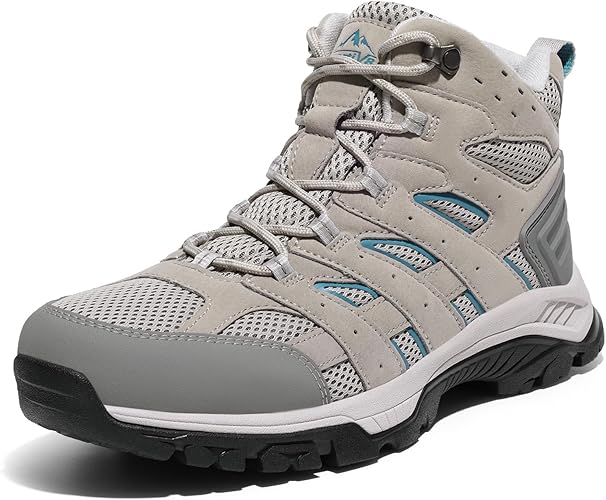
Waterproof, insulated winter boots
-
Ankle support for uneven trails
-
Thick wool or thermal socks
Bring an extra pair of socks in case your feet get wet.
Snowshoes: Choosing the Right Pair
Beginners should opt for simple, easy-to-use snowshoes.
-
Lightweight design
-
Secure bindings
-
Suitable for flat or rolling terrain
Most beginner trails don’t require aggressive traction or advanced features.
Gaiters (Optional but Helpful)
Gaiters prevent snow from entering your boots and pants, keeping you dry and warm.
Cold Weather Accessories: Small Items, Big Comfort
-
Insulated gloves or mittens
-
Backup glove liners
-
Warm beanie or hat
-
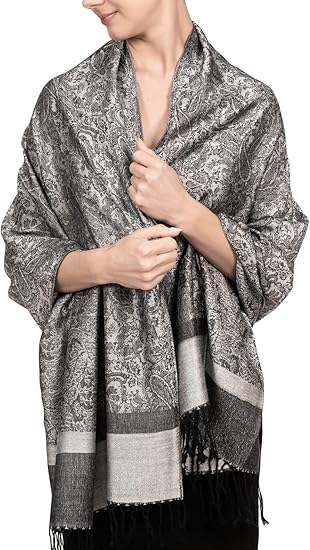
Neck gaiter or scarf
-
Sunglasses or goggles (snow glare can be intense)
These accessories help prevent heat loss and protect exposed skin.
Backpack Essentials for Beginner Snowshoeing
Hydration
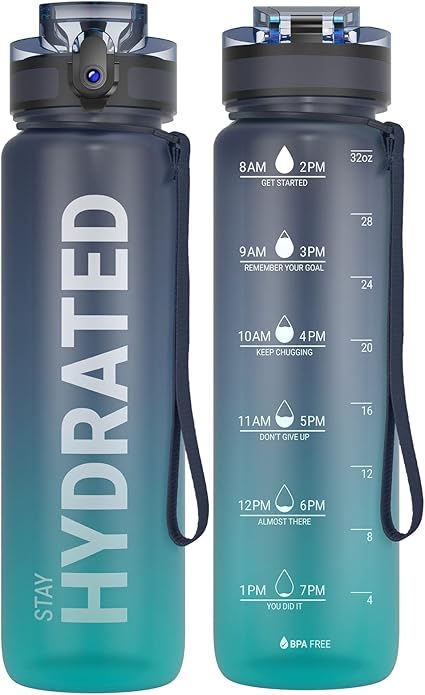
Cold weather can mask thirst, but hydration is still crucial.
-
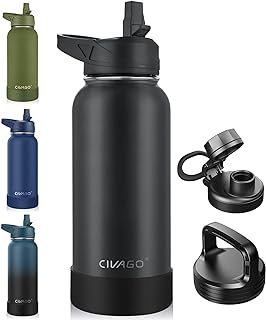
Insulated water bottle
-
Thermos with hot tea, coffee, or soup
Avoid hydration packs unless they’re insulated, as hoses can freeze.
Snacks & Energy Boosters
Snowshoeing burns more calories than regular walking.
-
Trail mix
-
Energy bars
-
Nuts and dried fruit
-
Chocolate or energy bites
High-energy snacks keep you fueled and warm.
Navigation Basics
Even beginner trails can look different under snow.
-
Offline trail maps
-
Smartphone with GPS (fully charged)
-
Small compass (optional)
Always tell someone your route and return time.
Safety Essentials: Be Prepared, Even on Easy Trails
Winter conditions can change quickly.
-
Compact first-aid kit
-
Emergency blanket or bivy
-
Whistle for emergencies
-
Headlamp or flashlight (short winter daylight hours)
Even short snowshoe trips deserve proper safety gear.
Optional Comfort & Convenience Items
-
Hand and toe warmers
-
Sunscreen (UV rays reflect off snow)
-
Lip balm with SPF
-
Small microfiber towel
These items enhance comfort and prevent winter discomfort.
What Beginners Often Forget (But Shouldn’t)
-
Extra socks and gloves
-
Backup power bank for your phone
-
Proper sunglasses for snow glare
-
Snacks—even for short trips
Overpacking slightly is better than being underprepared in winter.
Beginner Snowshoeing Checklist (Quick Recap)
Clothing
-
Thermal base layers
-
Insulating mid-layer
-
Waterproof outer shell
Footwear
-
Insulated boots
-
Wool socks
-
Snowshoes
Accessories
-
Gloves, hat, scarf
-
Sunglasses
Backpack
-
Insulated water bottle
-
Snacks
-
Navigation tools
Safety
-
First-aid kit
-
Emergency blanket
-
Headlamp
Tips for a Successful First Snowshoeing Trip
-
Choose short, well-marked trails
-
Check weather and trail conditions
-
Start slow and take breaks
-
Stay on designated snowshoe trails
-
Turn back early if weather worsens
Snowshoeing is about enjoyment, not endurance.
Final Thoughts: Start Simple, Stay Warm, Enjoy the Snow
Snowshoeing is one of the most beginner-friendly winter adventures, offering beautiful scenery and peaceful outdoor time without complex gear or skills. By packing smart and dressing in layers, you’ll stay warm, comfortable, and confident on snowy trails.
With this beginner snowshoeing gear guide, you’re ready to step into winter with ease. All that’s left to do is strap on your snowshoes, take your first step into the snow, and enjoy the quiet magic of winter trails.