Mic Checks & Vintage Airwaves: The Ultimate Classic Radio Studio Tour Kit for Nostalgic Explorers
There’s something timeless about radio. Long before podcasts and streaming platforms, radio was the heartbeat of communication bringing music, news, and stories into homes across the world. Today, classic radio studio tours offer a rare opportunity to step behind the scenes and experience the magic of broadcasting in its original form.
From vintage microphones and analog consoles to soundproof rooms and live recording setups, these tours combine nostalgia, history, and creativity. Whether you're a media enthusiast, a content creator, or simply curious about how radio shaped communication, a studio tour is an unforgettable experience.
To make the most of your visit, having the right day kit is essential. This guide will help you prepare for a smooth, engaging, and immersive journey into the world of vintage airwaves.
Why Classic Radio Studio Tours Are Trending
In a world dominated by digital content, people are increasingly drawn to experiences that feel authentic and nostalgic. Classic radio studio tours offer a refreshing break from screens and modern noise.
A Journey Into Media History
These tours provide insights into how broadcasting worked before the digital age.
Behind-the-Scenes Access
Visitors can explore studios, control rooms, and equipment used for live recordings.
Inspiration for Creators
Podcasters, voice artists, and content creators often find inspiration in these environments.
Unique Travel Experience
Unlike typical sightseeing, radio tours offer an interactive and educational experience.
What to Expect During a Radio Studio Tour
Every studio is different, but most tours include:
- A walkthrough of recording rooms
- Demonstrations of audio equipment
- Stories about famous broadcasts and presenters
- Insights into sound production and editing
Some tours may even allow visitors to step into a recording booth or participate in a mock broadcast.
Building Your Classic Radio Studio Tour Kit
Because radio studios are controlled environments, your kit should be minimal, practical, and respectful of the space.
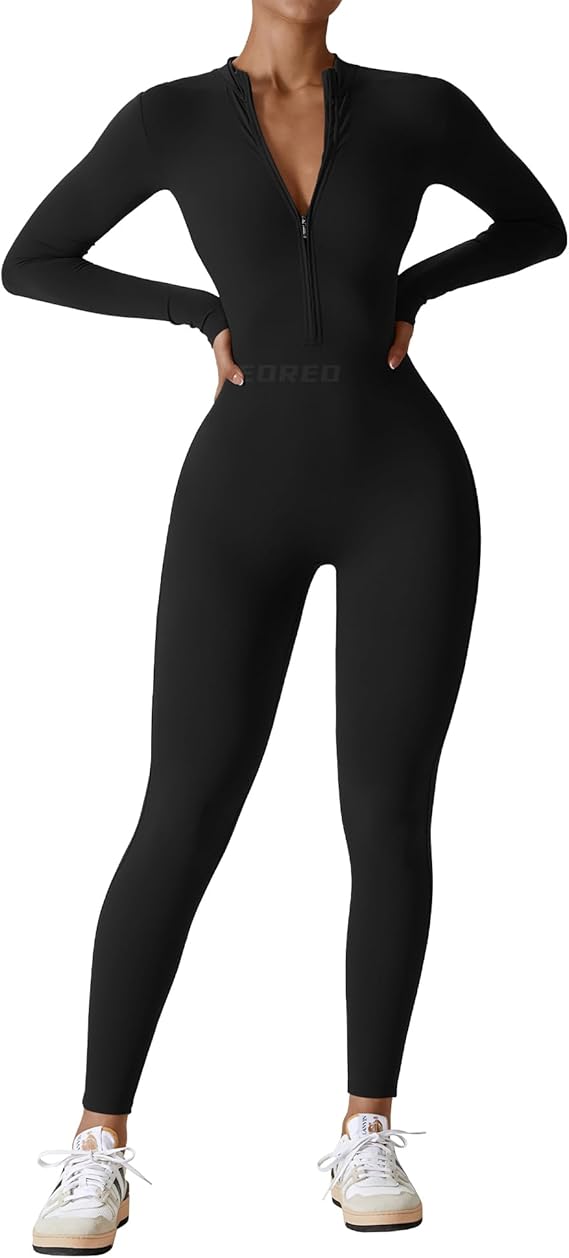
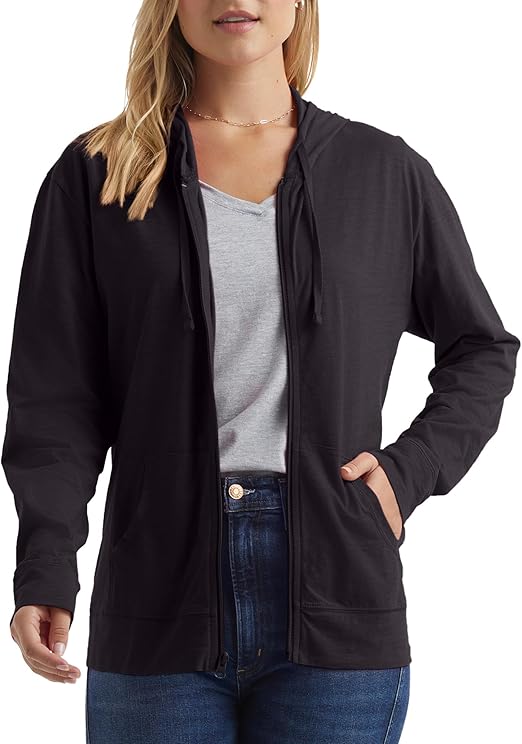
Comfortable and Quiet Clothing
Clothing plays an important role in your experience, especially in a sound-sensitive environment.
What to Wear
Choose:
- Soft, breathable fabrics
- Comfortable outfits for walking and standing
- Minimal accessories
What to Avoid
Avoid items that create noise, such as:
- Rustling jackets
- Heavy jewelry
- Loud footwear
Quiet clothing helps maintain the integrity of recording spaces.
Essential Items to Carry
A few key items will help you stay comfortable and engaged throughout the tour.
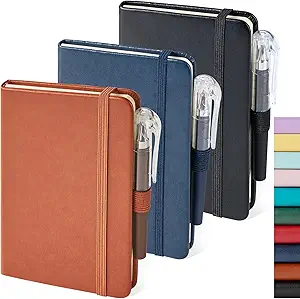
Notebook or Digital Notes
Radio tours are filled with interesting facts and insights.
Use a notebook or note-taking app to record:
- Broadcasting techniques
- Equipment details
- Creative ideas
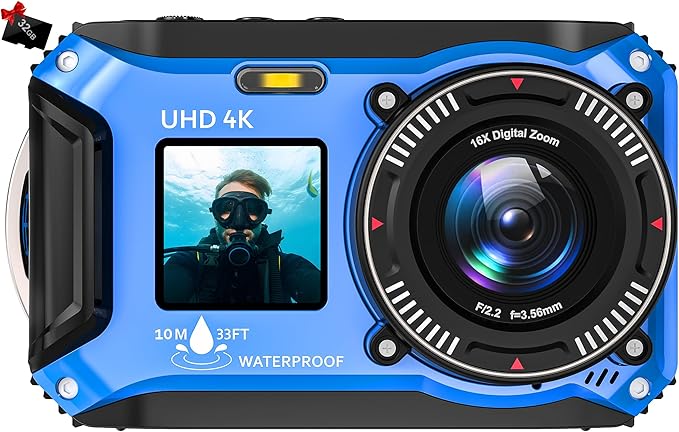
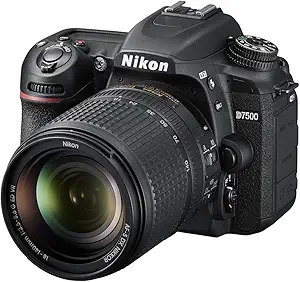
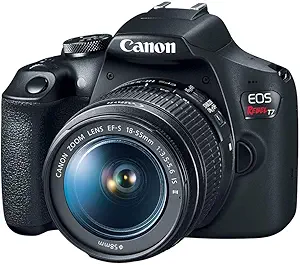
Smartphone or Camera
If photography is allowed, bring your phone or camera to capture:
- Vintage equipment
- Studio interiors
- Unique design elements
Always check the studio’s rules before taking photos.
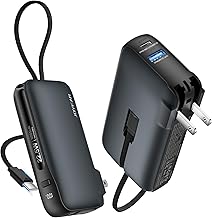
Portable Charger
Long tours and media usage can drain your device battery.
A compact power bank ensures you stay connected.
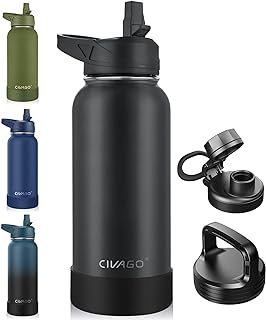
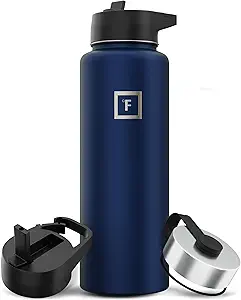
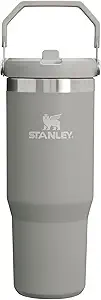
Water Bottle
Stay hydrated, especially if the tour is lengthy.
Choose a bottle with a secure lid to avoid spills.
Optional Items for a Better Experience
These extras are not essential but can enhance your visit.
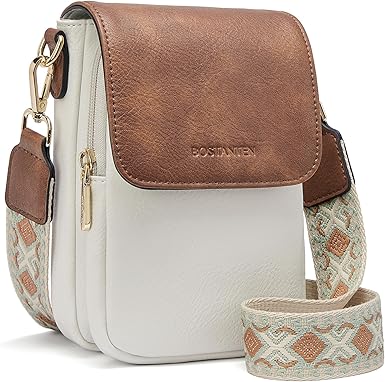
Lightweight Bag
A small crossbody bag or compact backpack helps you carry your essentials without getting in the way.
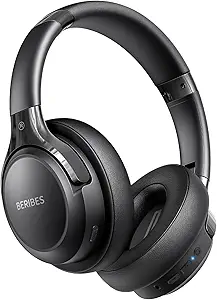
Headphones or Earbuds
Useful for travel before and after the tour, or for reviewing audio content on the go.
Travel Journal
For those passionate about storytelling or media, a journal can be a great way to reflect on the experience.
Understanding Studio Etiquette
Radio studios are professional environments, and following basic etiquette ensures a smooth experience for everyone.
Maintain Silence
Keep noise to a minimum, especially in recording areas.
Follow Instructions
Listen to your guide and respect restricted zones.
Handle Equipment Carefully
Do not touch equipment unless permitted.
Be Mindful of Others
Respect fellow visitors and studio staff.
The Magic of Vintage Broadcasting Equipment
One of the highlights of a radio studio tour is seeing classic equipment up close.
Analog Soundboards
These control panels were used to mix audio signals and manage broadcasts.
Vintage Microphones
Old-school microphones are iconic symbols of radio history.
They were designed for clarity and durability, often with a distinctive look.
Recording Booths
Soundproof rooms where presenters recorded shows, interviews, and announcements.
Tape Machines and Editing Tools
Before digital editing, audio was recorded and edited using physical tapes—a fascinating process to observe.
Tips for First-Time Visitors
If this is your first radio studio tour, these tips can help you make the most of it.
Arrive Early
Give yourself time to settle in and explore before the tour begins.
Ask Questions
Engage with your guide to learn more about broadcasting techniques.
Stay Curious
Observe details and think about how radio has evolved over time.
Respect the Environment
Remember that studios are working spaces, not just attractions.
Photography Tips in a Studio Setting
If photography is allowed, capturing the essence of a radio studio can be very rewarding.
Focus on Details
Zoom in on dials, switches, and microphone designs.
Use Low-Light Settings
Studios often have dim lighting, so adjust your camera accordingly.
Avoid Flash
Flash photography can disrupt the environment and is often not allowed.
Why This Experience Matters Today
Radio played a crucial role in shaping communication, culture, and entertainment. Even today, many of its principles continue to influence podcasts, streaming, and digital media.
Visiting a classic radio studio helps you appreciate:
- The evolution of media technology
- The artistry of voice and storytelling
- The importance of sound in communication
It’s a reminder of how powerful simple audio can be.
What NOT to Bring
To keep your visit smooth and respectful, avoid bringing unnecessary items.
Leave behind:
- Large bags or backpacks
- Noisy accessories
- Food items (unless allowed)
- Bulky electronics
A minimal kit is always the best choice.
The Nostalgic Experience
A classic radio studio tour is more than just an educational visit it’s a journey into a different era. As you walk through quiet corridors and step into recording rooms, you can almost imagine the voices that once filled the airwaves.
From dramatic news broadcasts to late-night music shows, radio has created countless memorable moments. Experiencing it firsthand brings those stories to life in a unique and meaningful way.
Final Thoughts
A well-prepared classic radio studio tour kit ensures you can fully immerse yourself in the experience. By packing light, dressing appropriately, and respecting the environment, you’ll enjoy a smooth and memorable visit.
Whether you're passionate about media, curious about history, or simply looking for a unique travel experience, a radio studio tour offers something truly special.
So get ready to step behind the mic, explore vintage airwaves, and discover the timeless charm of radio where every sound tells a story.