Benefits of Walking 10,000 Steps a Day (2026 Guide): Science, Trends & a Realistic Plan to Start
In a world full of complicated workout programs and viral fitness challenges, one habit continues to stand strong in 2026: walking 10,000 steps a day.
It’s simple. It’s free. It doesn’t require a gym membership. And with smartwatches, fitness trackers, and AI health apps tracking our daily movement, step goals are more popular than ever.
But is 10,000 steps really necessary? What are the real benefits? And how can you realistically hit that number in a busy schedule?
This complete guide covers the science, modern trends, health benefits, myths, and a practical plan to help you make walking part of your daily lifestyle.
Where Did the 10,000 Steps Rule Come From?
Interestingly, the 10,000-step goal didn’t originate from medical research. It began in Japan in the 1960s when a pedometer called Manpo-kei (meaning “10,000 steps meter”) was marketed before the Tokyo Olympics.
However, modern research now supports the idea that higher daily step counts are strongly linked to:
-
Lower risk of heart disease
-
Reduced mortality rates
-
Better weight management
-
Improved mental health
-
Stronger metabolic health
While 10,000 isn’t a magical number, it’s a practical benchmark that encourages consistent daily movement.
Why Walking Is Trending Again in 2026
Walking has evolved from being “just exercise” to becoming a full wellness movement.
Here’s why it’s trending:
-
📱 Smartwatches track daily steps automatically
-
🧠 Walking meetings are replacing sitting meetings
-
💻 Remote workers need movement breaks
-
🏃 “Hot girl walks” and mindful walking trends on social media
-
💪 Low-impact fitness is preferred over extreme workouts
The shift toward sustainable health habits has made walking a long-term favorite.
15 Science-Backed Benefits of Walking 10,000 Steps a Day
1. Improves Heart Health
Walking strengthens the heart muscle and improves circulation.
Regular walking can:
-
Lower blood pressure
-
Improve cholesterol levels
-
Reduce risk of heart disease
Even moderate-paced walking significantly benefits cardiovascular health.
2. Supports Weight Management
Walking burns calories without stressing your body.
On average:
-
10,000 steps ≈ 300–500 calories burned (depending on body weight and pace)
Combined with balanced nutrition, walking supports gradual, sustainable fat loss.
3. Boosts Mental Health
Walking is a natural stress reliever.
It helps:
-
Reduce cortisol (stress hormone)
-
Increase serotonin and dopamine
-
Improve mood
-
Reduce symptoms of anxiety and mild depression
Outdoor walking adds additional mental benefits due to sunlight exposure and fresh air.
4. Improves Blood Sugar Control
After meals, walking for even 10–15 minutes can:
-
Reduce blood sugar spikes
-
Improve insulin sensitivity
-
Lower risk of type 2 diabetes
In 2026, many people use continuous glucose monitors (CGMs) to see how post-meal walks improve their numbers.
5. Increases Energy Levels
It may seem counterintuitive, but moving more actually increases energy.
Walking:
-
Improves oxygen flow
-
Enhances mitochondrial function
-
Reduces fatigue
Many professionals report better afternoon productivity after short walking breaks.
6. Strengthens Muscles & Joints
Walking engages:
-
Core muscles
-
Glutes
-
Calves
-
Hip stabilizers
It also improves joint lubrication, reducing stiffness.
Unlike high-impact workouts, walking is gentle on knees and hips.
7. Enhances Longevity
Several long-term studies show that people who walk more daily have a lower risk of premature death.
Some research suggests benefits begin at 7,000–8,000 steps, but 10,000 provides even greater protection for many individuals.
8. Improves Sleep Quality
Daily movement regulates your circadian rhythm.
Walking:
-
Reduces insomnia
-
Improves sleep depth
-
Helps you fall asleep faster
Morning sunlight walks are especially powerful for resetting your biological clock.
9. Reduces Risk of Chronic Diseases
Regular walking is associated with lower risk of:
-
Heart disease
-
Stroke
-
Type 2 diabetes
-
Obesity
-
Certain cancers
Consistency is key.
10. Supports Healthy Aging
For adults over 40, walking helps maintain:
-
Balance
-
Bone density
-
Muscle strength
-
Mobility
It’s one of the safest lifelong exercises.
11. Improves Brain Function
Walking increases blood flow to the brain.
It may:
-
Improve memory
-
Enhance creativity
-
Reduce cognitive decline risk
Some people report their best ideas come during walks.
12. Encourages Mindfulness
Walking without headphones occasionally can:
-
Reduce mental clutter
-
Improve focus
-
Create space for reflection
Mindful walking is becoming a major wellness trend.
13. Supports Gut Health
Gentle movement stimulates digestion and reduces bloating.
A short post-meal walk can significantly improve digestion.
14. Reduces Back Pain
Sitting for long hours contributes to back pain.
Walking:
-
Improves posture
-
Strengthens core
-
Reduces stiffness
Remote workers especially benefit from daily step goals.
15. Builds a Sustainable Fitness Habit
Unlike intense programs that lead to burnout, walking is:
-
Low pressure
-
Flexible
-
Easy to maintain
It forms the foundation of an active lifestyle.
Is 10,000 Steps Necessary?
Here’s the truth:
You don’t need exactly 10,000 steps.
Research suggests:
-
6,000–8,000 steps already provide major health benefits
-
More movement is generally better than less
However, 10,000 is a motivational and practical goal for most healthy adults.
How Long Does It Take to Walk 10,000 Steps?
On average:
-
10,000 steps ≈ 7–8 kilometers
-
Takes about 60–90 minutes total per day
But you don’t need to do it all at once.
How to Reach 10,000 Steps in a Busy Day
Morning
-
10–15 minute walk (1,500–2,000 steps)
Midday
-
Walking meetings
-
Post-lunch walk (1,500–2,000 steps)
Evening
-
20–30 minute walk (3,000–4,000 steps)
Small Additions
-
Take stairs
-
Park farther away
-
Pace during calls
-
Household chores
Steps add up quickly.
Trending 2026 Walking Challenges
-
30-Day Step Challenges
-
75 Soft (walking-based challenge)
-
Workplace step competitions
-
Virtual walking marathons
-
Charity step fundraising events
Gamification makes consistency easier.
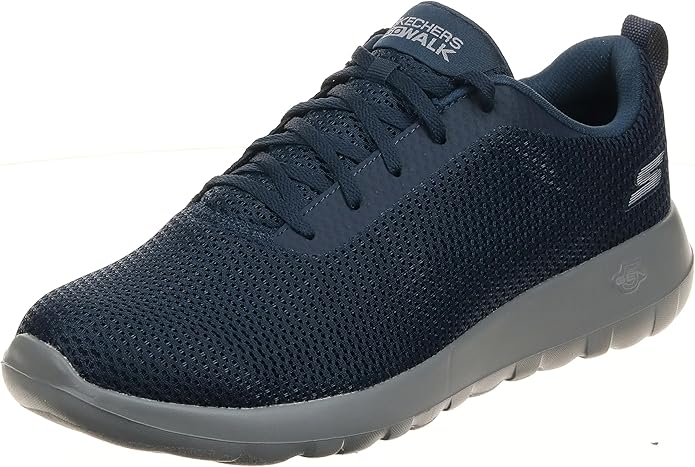
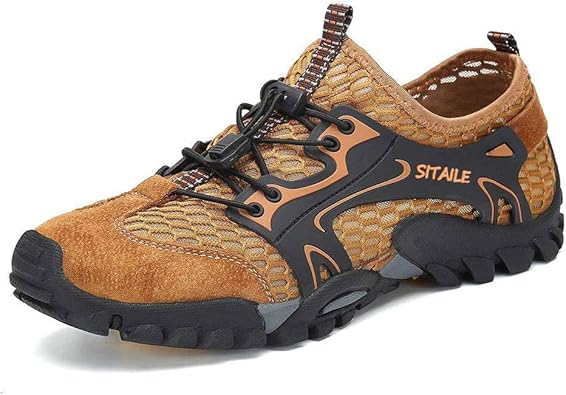
Best Shoes for Walking
Invest in:
-
Cushioned soles
-
Proper arch support
-
Breathable materials
-
Shock absorption
Comfort reduces injury risk.
Common Mistakes to Avoid
-
Jumping from 2,000 to 10,000 immediately
-
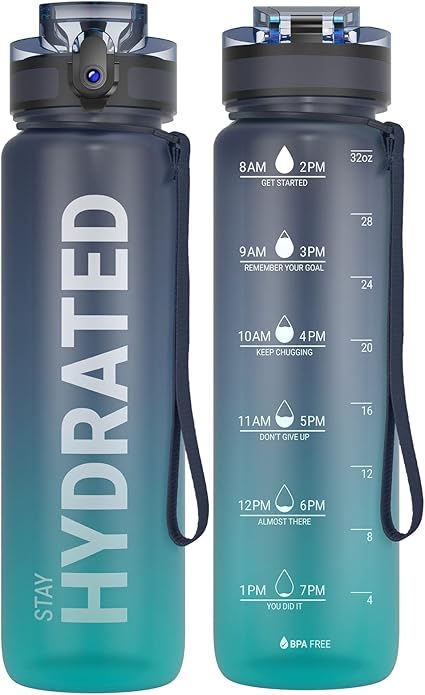
Ignoring hydration
-
Wearing improper shoes
-
Poor posture while walking
-
Focusing only on steps and ignoring nutrition
Who Should Be Cautious?
Consult a doctor if you have:
-
Severe joint pain
-
Heart conditions
-
Advanced arthritis
-
Chronic illness
Start slowly and build up gradually.
Walking vs Running: Which Is Better?
Running burns more calories in less time.
But walking:
-
Has lower injury risk
-
Is more sustainable
-
Is easier to maintain long term
For many people, walking daily + strength training 2–3 times weekly is ideal.
Walking for Weight Loss: Realistic Expectations
If combined with proper nutrition:
-
0.5–1 kg weight loss per month is realistic
-
Walking reduces belly fat gradually
-
Consistency matters more than intensity
Walking alone without diet changes may not lead to major fat loss, but it improves overall health.
Mental Health Benefits in 2026’s High-Stress Lifestyle
With increased screen time and remote work, walking:
-
Breaks digital fatigue
-
Reduces burnout
-
Improves emotional regulation
Many therapists now recommend “walk and talk” therapy sessions.
Sample Beginner Plan (4 Weeks)
Week 1:
Aim for 5,000–6,000 steps daily.
Week 2:
Increase to 7,000 steps.
Week 3:
Reach 8,500 steps.
Week 4:
Target 10,000 steps.
Gradual progression prevents injury.
Pair Walking With Strength Training
For optimal health:
-
Walk daily
-
Strength train 2–3 times per week
-
Stretch regularly
This supports fat loss and muscle preservation.
Final Thoughts
Walking 10,000 steps a day isn’t about chasing a number.
It’s about:
-
Moving consistently
-
Reducing sedentary time
-
Supporting heart and brain health
-
Building a sustainable routine
You don’t need fancy equipment.
You don’t need extreme workouts.
You just need consistency.
Start where you are.
Add 1,000 more steps this week.
Then build from there.
Small steps truly lead to big results.