Snowshoe Adventure Essentials: Best Accessories for Comfort & Safety in Deep Snow
Snowshoeing is one of the most rewarding ways to explore winter landscapes but once you move beyond packed trails and into deep snow, the experience changes quickly. Powdery terrain, colder temperatures, and limited visibility demand more than just snowshoes and boots. The right accessories can dramatically improve comfort, stability, and safety on your snowshoe adventures.
Whether you’re tackling forest trails, backcountry routes, or scenic winter wonderlands, this guide covers the best snowshoe adventure accessories you should pack for deep snow conditions.
Why Accessories Matter in Deep Snow
Deep snow creates unique challenges:
-
Increased physical effort
-
Reduced traction and balance
-
Faster heat loss
-
Limited trail visibility
-
Higher risk of fatigue or cold-related issues
Accessories aren’t “extras” in winter—they’re essential tools that help you conserve energy, stay warm, and respond to changing conditions.
Traction & Stability Accessories
Trekking Poles with Snow Baskets
Snowshoeing in deep snow can strain your legs and joints. Trekking poles provide balance and reduce fatigue.
Why they matter:
-
Improve stability on uneven terrain
-
Reduce knee and ankle strain
-
Help maintain rhythm on long treks
Look for adjustable poles with wide snow baskets designed to prevent sinking.
Heel Lifters (If Supported)
Some snowshoes support heel-lifting attachments.
Benefits:
-
Reduce calf strain on uphill climbs
-
Improve posture and energy efficiency
-
Make steep terrain more manageable
These are especially helpful on mountainous or rolling terrain.
Foot & Lower Body Protection
Gaiters: A Deep Snow Essential
Gaiters seal the gap between boots and pants, preventing snow from entering.
Why gaiters are critical:
-
Keep feet and legs dry
-
Prevent snow buildup inside boots
-
Add warmth in windy conditions
Waterproof, insulated gaiters are ideal for deep snow.
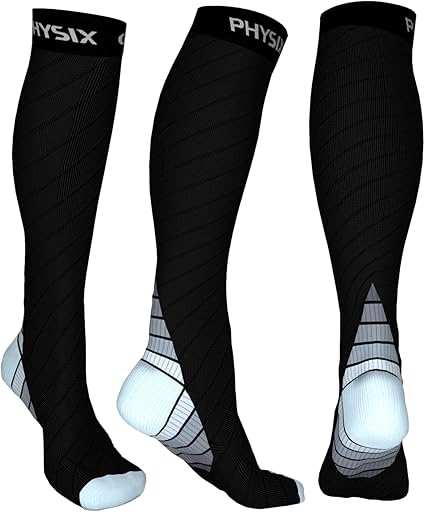
Insulated Socks & Backup Pairs
Wet or cold feet can ruin a snowshoe trip quickly.
-
Thick merino wool or thermal socks
-
One spare pair in your pack
-
Avoid cotton at all costs
Dry feet = warmer feet = longer adventures.
Cold Weather Comfort Accessories
Gloves, Mittens & Liners
Hands are one of the first areas to feel cold.
Best setup:
-
Insulated mittens for warmth
-
Lightweight glove liners underneath
-
Spare gloves packed for emergencies
Mittens are warmer than gloves, especially in deep snow and wind.
Head & Neck Protection
A significant amount of body heat escapes from the head.
-
Thermal beanie or insulated hat
-
Neck gaiter or balaclava
-
Windproof face covering for exposed terrain
These accessories help regulate temperature without overheating.
Hand & Toe Warmers
Disposable warmers are small but powerful.
-
Great for extreme cold days
-
Useful during long breaks
-
Lightweight and easy to pack
They’re a simple backup when temperatures drop unexpectedly.
Navigation & Visibility Accessories
Headlamp or Compact Flashlight
Winter daylight hours are short, and deep snow slows progress.
-
LED headlamp with fresh batteries
-
Backup flashlight if possible
Always plan for a hike that takes longer than expected.
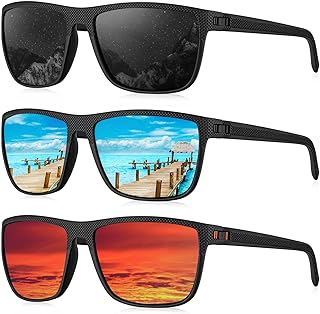
Sunglasses or Snow Goggles
Snow reflects UV rays intensely.
-
Polarized sunglasses for sunny days
-
Goggles for windy or snowy conditions
Eye protection improves visibility and reduces fatigue.
Hydration & Nutrition Accessories
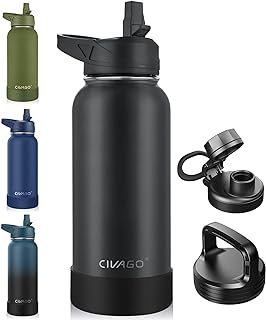
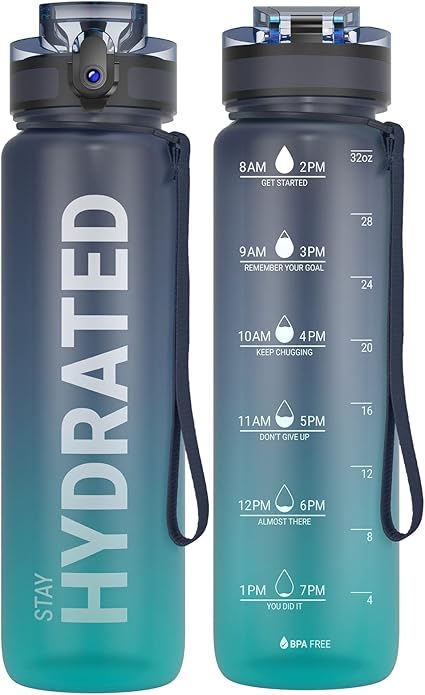
Insulated Water Bottles
Hydration is just as important in winter.
-
Insulated bottles prevent freezing
-
Store upside-down to keep lids from freezing
Avoid standard hydration bladders unless they’re winter-rated.
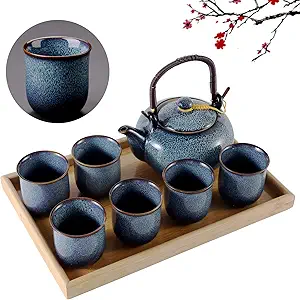
Thermos for Hot Drinks
Hot drinks provide both hydration and warmth.
-
Tea, coffee, broth, or soup
-
Boosts morale on cold days
A warm sip can be a game-changer mid-hike.
High-Energy Snack Storage
Cold weather burns calories faster.
-
Trail mix
-
Protein bars
-
Chocolate or energy bites
Choose snacks that won’t freeze solid.
Safety & Emergency Accessories
Emergency Blanket or Bivy Sack
Deep snow hikes often occur in remote areas.
-
Retains body heat
-
Provides emergency shelter
-
Lightweight and compact
This is one accessory you hope never to use—but should always carry.
First-Aid Kit (Winter-Specific)
Customize your kit for cold conditions.
-
Blister treatment
-
Pain relievers
-
Bandages
-
Cold-weather skin care
Winter gear causes friction—blisters are common.
Whistle & Multi-Tool
-
Whistle for signaling in emergencies
-
Multi-tool for quick gear fixes
Small tools can solve big problems outdoors.
Comfort & Convenience Accessories
Sit Pad or Insulated Mat
Deep snow means nowhere dry to sit.
-
Lightweight foam or inflatable pad
-
Keeps you warm during breaks
Perfect for scenic stops and photography.
Microfiber Towel
-
Wipe snow from gear
-
Dry hands or face
-
Clean goggles or sunglasses
A small towel adds surprising convenience.
Optional Accessories for Advanced Snowshoe Adventures
Depending on terrain and experience level:
-
GPS device or satellite communicator
-
Snow safety gear (for backcountry areas)
-
Lightweight shovel (if venturing deeper)
Advanced accessories depend on route difficulty and location.
Snowshoe Accessories Checklist (Quick Recap)
Stability
-
Trekking poles with snow baskets
-
Heel lifters (if supported)
Warmth
-
Gaiters
-
Insulated socks
-
Gloves & liners
-
Hat & neck gaiter
Visibility
-
Headlamp
-
Sunglasses or goggles
Hydration & Food
-
Insulated water bottle
-
Thermos
-
High-energy snacks
Safety
-
First-aid kit
-
Emergency blanket
-
Whistle
Tips for Accessory Planning in Deep Snow
-
Always pack one extra warmth item
-
Test accessories before your trip
-
Keep essentials accessible in your pack
-
Adjust layers often to avoid sweating
-
Turn back early if conditions worsen
Accessories are most effective when used proactively—not reactively.
Final Thoughts: Small Gear, Big Difference
Snowshoeing in deep snow is an incredible winter experience but it demands thoughtful preparation. The right accessories reduce fatigue, improve balance, and protect you from the cold, allowing you to enjoy the quiet beauty of snowy landscapes safely.
By packing these snowshoe adventure essentials, you transform your trip from a challenging slog into a comfortable, confident winter journey. When comfort and safety are handled, all that’s left is to enjoy the crunch of snow beneath your feet and the stillness of winter trails.