Augmented Reality Shopping: The Future of Online Stores
In the rapidly evolving world of ecommerce, one technological advancement stands out as a game-changer: Augmented Reality (AR) shopping. Once science fiction, AR technologies are now deeply integrated into many online retail experiences — transforming how consumers browse, try, and buy products.
From virtually trying on sneakers to placing digital furniture in your living room using just a smartphone, AR shopping is redefining what it means to shop online. This blog explores why AR is becoming the future of online retail, how it benefits both consumers and retailers, and what trends are shaping this exciting frontier.
What Is Augmented Reality (AR) Shopping?
Augmented Reality (AR) overlays digital information onto a user’s view of the real world. Unlike Virtual Reality (VR), which transports users to entirely virtual environments, AR enriches the physical world with interactive digital elements.
In Online Shopping, AR Means:
• Trying products virtually (e.g., clothes, makeup, glasses).
• Visualizing how items will look in your space (e.g., furniture, decor).
• Enhancing product visualization beyond static images or videos.
• Personalized and immersive retail experiences.
Why AR Is the Future of Online Retail
1. Bridging the Gap Between Online and In-Store Experiences
One of the biggest challenges of online shopping has always been the lack of physical interaction with products. AR bridges this gap:
• Try before you buy — without visiting a store.
• See size, color, texture, and style in real time.
• Eliminate guesswork from online purchases.
This enhanced confidence reduces hesitation and boosts sales.
2. Reducing Returns and Increasing Satisfaction
Returns are a costly burden for ecommerce businesses. A common reason: the product didn’t meet expectations.
With AR, consumers can:
• Preview products accurately.
• Avoid size, fit, or style discrepancies.
• Make informed decisions.
Studies show that AR experiences can reduce return rates significantly — sometimes by 20–30%. By enabling customers to “test drive” products digitally, retailers cut return costs and improve satisfaction.
3. Boosting Engagement and Conversion
AR isn’t just functional — it’s fun. Interactive experiences boost engagement, encouraging users to:
• Spend more time on product pages.
• Share experiences on social media.
• Return for additional shopping sessions.
Research indicates that products with AR content experience higher conversion rates — in some cases, up to 40% more than products without AR previews.
4. Personalization at Scale
Personalization drives modern ecommerce. AR enhances personalization by tailoring product visualization to:
• A user’s environment (e.g., their room or body).
• Their preferences (size, color, fit).
• Real-time interaction (move, rotate, zoom objects).
This deep personalization mimics in-store experiences while leveraging digital convenience.
Examples of AR Shopping in Action
Let’s look at real examples across industries where AR is transforming online retail.
👗 Fashion & Apparel
Fashion brands have been early adopters of AR. Imagine virtually trying on outfits — instantly visualizing how a dress or pair of shoes will look on you.
Examples:
• Virtual fitting rooms that map clothing to your body.
• Apps that swap hairstyles or makeup styles in real time.
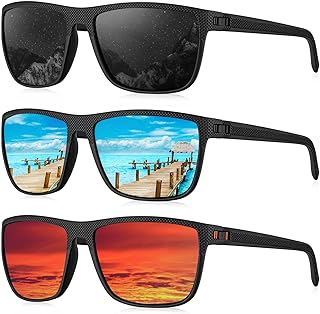
• Try-on filters for sunglasses, hats, and accessories.
Major brands now provide AR try-on within apps and web browsers — reducing the friction of traditional online shopping.
👓 Eyewear
Eyewear brands are among the most successful AR adopters.
Shoppers can:
• See how frames look on their unique face shape.
• Compare multiple styles side by side.
• Try colors and sizes before purchase.
This drastically reduces return rates and improves customer confidence.
🪑 Furniture & Home Decor
Buying furniture online without seeing it in your space is risky. AR solves this perfectly.
With AR:
• Visualize how a sofa fits in your living room.
• Check scale, style, and color against your existing decor.
• Move items around virtually before buying.
Retailers like IKEA have led this trend with AR apps that let users place realistic 3D products in their homes.
💄 Beauty & Cosmetics
Beauty brands use AR to help shoppers try makeup without touching a product.
Shoppers can:
• Try eyeshadow palettes or lipstick shades on their face via camera.
• Experiment with bold looks without buying products.
• Get recommendations based on skin tone and features.
This reduces purchase risk and increases engagement — users test more products and often end up buying more.
🛍️ Retail Marketplaces and Social Commerce
AR tools are now integrated into marketplaces and social channels like Instagram and Snapchat.
• Shoppable AR filters let users try products within social apps.
• AR campaigns become viral marketing assets.
• Brands reach customers where they already spend time.
This integration makes AR shopping not just a purchase tool, but a discovery and inspiration tool as well.
Core Technologies Powering AR Shopping
To understand AR’s potential, it helps to know what technologies make it work.
🔍 Computer Vision
AR relies on computer vision to identify:
• Surfaces
• Body features (face, hands, torso)
• Spatial environments
This allows AR objects to stay anchored realistically in real time.
📱 AR Toolkits and Frameworks
Modern AR experiences are enabled by robust development platforms:
• ARKit (Apple)
• ARCore (Google)
• WebAR (browser-based AR) — growing rapidly because no app download is required
These toolkits make AR accessible on most smartphones and even desktop browsers.
🧠 AI and Machine Learning
AI enhances AR by:
• Improving tracking accuracy
• Personalizing recommendations
• Detecting user features for better fit prediction
• Recognizing environments for object placement
Together, AI and AR create smarter, more realistic experiences.
Types of AR Shopping Experiences
AR experiences are not one-size-fits-all. Here are the common categories:
1. Try-Before-You-Buy
Customers virtually test products on their bodies or in their spaces.
Examples:
• Virtual clothing try-on
• Furniture placement in a room
• Eyewear on your face
2. Interactive Product Visualization
Instead of static product photos, customers can:
• Rotate 3D models
• Zoom and explore details
• See products in 360° views
This increases confidence and customer engagement.
3. AR-Enhanced Packaging & Brand Experiences
Some brands use AR on physical packaging:
• Scan packaging with smartphone to reveal animations or instructions.
• Offer loyalty benefits or mini-games with AR interactions.
This blends physical and digital retail experiences.
4. Guided Shopping and Virtual Assistance
AR can provide:
• Step-by-step product guides
• Custom recommendations based on your environment
• Contextual shopping support
Think of AR as a digital sales assistant that improves online discovery.
Why AR Is Becoming More Accessible
In the past, AR experiences required expensive hardware or special software.
But today:
• Most modern smartphones support AR natively.
• WebAR lets customers try AR without app downloads.
• Social platforms support AR filters and shoppable experiences.
• Retailers can integrate AR through plug-ins and SDKs with minimal engineering.
This ease of adoption accelerates AR’s growth — even small brands can implement AR.
Top Trends Shaping AR Shopping in 2025–2026
Let’s explore what’s trending RIGHT NOW in AR shopping.
🔥 1. WebAR — AR Without App Downloads
One of the biggest shifts in AR retail is WebAR, which works directly in a browser.
Benefits:
• No app install friction
• Works on most devices
• Seamless integration into ecommerce sites
Customers simply tap “View in AR” and get an interactive experience instantly.
🔥 2. AI + AR Personalized Shopping
AI is enhancing AR experiences through:
• Real-time style recommendations
• Body-shape fitting adjustments
• Predictive product suggestions
This level of personalization turns AR from a novelty to a smart shopping assistant.
🔥 3. AR Social Commerce Integration
Social platforms like Instagram, TikTok, and Snapchat are making AR shoppable.
Shoppers can:
• Try products in AR within social feeds
• Tap to shop directly from AR filters
• Share experiences with their communities
This trend blurs the line between discovery and purchase, driving sales through fun interactions.
🔥 4. Virtual Try-Ons as Marketing Assets
Instead of just being a sales tool, AR try-ons function as marketing experiences:
• Shareable AR try-on videos and photos
• Influencer AR campaigns
• Branded custom AR filters
These experiences boost brand visibility and engagement.
🔥 5. AR-Driven Product Customization
Customers can now customize products in AR:
• Change colors, materials, accessories live
• Visualize personalized items before buying
• Preview custom builds in real environments
This makes customized purchases less risky and more satisfying.
Business Benefits: Beyond Better Shopping
AR doesn’t just help customers — it boosts business performance too.
📈 Increase Sales and Conversions
Interactive AR content leads to:
• Higher engagement
• Lower hesitation
• More confident buying decisions
→ Result: higher conversion rates.
📉 Lower Return Costs
Returns are one of ecommerce’s biggest headaches. AR reduces returns by helping shoppers make accurate purchase decisions before checkout.
🛍️ Better Customer Retention
Fun, personalized AR experiences lead to:
• Higher customer satisfaction
• Repeat visits and purchases
• Stronger brand loyalty
Customers remember experiences that feel innovative and helpful.
📊 Richer Customer Insights
AR platforms provide data on:
• What products customers try most
• How long they engage with AR
• Which upgrades or variations attract attention
Retailers can use this data to improve product offerings, merchandising, and pricing strategies.
Challenges and Considerations
As promising as AR shopping is, adoption isn’t without hurdles.
⏱ Technical Complexity
Implementing AR requires:
• High-quality 3D product modeling
• Backend integration with inventory systems
• Compatibility across devices
Retailers must plan resources carefully.
📲 Device and Browser Constraints
Although modern AR works on many devices:
• Older phones may not fully support AR features.
• Some experiences work better in apps vs web.
Designers must ensure fallback content for unsupported devices.
💡 Educating Consumers
Not all shoppers know how to use AR features. Clear guidance and prompts are essential:
• Instructional overlays
• One-tap AR launch buttons
• Short tutorials
User onboarding matters.
How to Get Started With AR Shopping (For Retailers)
If you’re a brand or retailer looking to adopt AR, here’s a simple roadmap:
1. Choose Your AR Use Case
Decide whether you want:
• Try-on experiences
• Space visualization
• Interactive product visuals
• Guided AR shopping
2. Create 3D Product Models
High-quality 3D representations are the foundation of AR. Options include:
• In-house 3D modeling
• Third-party 3D scanning services
• Automated 3D product generators
3. Select the Right AR Platform
Choose from:
• WebAR providers
• AR SDKs (ARKit, ARCore)
• Ecommerce platform plugins
4. Integrate Seamlessly With Your Store
Integrate AR experiences into:
• Product pages
• Checkout flows
• Recommendations
• Marketing channels
A frictionless experience is key.
5. Promote and Educate
Let customers know:
• AR options are available
• How to use them
• What benefits they provide
Use email, banners, and social media for awareness.
Customer Stories: How AR Is Changing Shopping
🟣 Better Home Shopping
Amy, a homeowner, used AR to preview furniture before renovation. She placed couches, lamps, and rugs in her living room using her smartphone — eliminating guesswork and making confident purchases without showroom visits.
👠 Fashion Confidence
Lila, a busy professional, tried dresses and shoes in AR on a retailer’s app. Instead of ordering multiple sizes, she used try-on tools to find the perfect fit — saving time and reducing returns.
💄 Personalized Beauty
Sam struggled to choose the right lipstick shade online. AR makeup try-ons allowed her to test colors on her face in real time — transforming her beauty shopping experience into a joyful and precise process.
The Future of AR Shopping Is Limitless
Augmented Reality is more than a technological trend — it’s a retail revolution.
In the years ahead, we’ll likely see:
✅ Even more realistic, lifelike AR visualization.
✅ AI-driven personalized AR assistants.
✅ AR integrated into physical and virtual retail spaces.
✅ Voice-enabled AR shopping.
✅ AR commerce embedded in daily life through glasses and wearables.
As AR matures, ecommerce will become:
• More intuitive
• More immersive
• More personalized
• More efficient
AR is not just enhancing online stores — it’s redefining what shopping means in the digital era.
Conclusion: AR Is the Future of Online Retail
Augmented Reality shopping has moved from futuristic concept to everyday reality. By enabling interactive, immersive experiences, AR gives customers more confidence and retailers more engagement and revenue. It’s no longer a luxury — it’s quickly becoming a must-have competitive advantage for any online store looking to thrive in the next decade.
Whether you’re a shopper enjoying the convenience of virtual try-ons or a retailer embracing AR to stand out, one thing is clear:
The future of online shopping is augmented — and it’s happening now.