Wildlife Safari Packing Guide: Travel Smart in the Wild
A wildlife safari is one of the most thrilling travel experiences you can have. Imagine watching elephants roam freely across vast plains, spotting a majestic lion resting in the shade, or seeing exotic birds soaring above the savannah. Whether you're heading to the grasslands of Serengeti National Park, exploring the jungles of Ranthambore National Park, or visiting the legendary Kruger National Park, preparation is the key to making your safari both comfortable and unforgettable.
Unlike regular vacations, a safari requires thoughtful packing. The environment is unpredictable, weather conditions can change quickly, and opportunities to see wildlife can happen in seconds. Having the right gear ensures you stay safe, capture amazing moments, and fully enjoy the adventure.
This Wildlife Safari Packing Guide will help you travel smart in the wild with essential items, expert tips, and modern travel trends to make your safari experience smooth and memorable.
Why Packing Smart for a Safari Matters
A safari trip usually involves early morning game drives, dusty roads, long hours in open vehicles, and close encounters with wildlife. The right packing strategy helps you:
-
Stay comfortable in varying temperatures
-
Protect yourself from sun, dust, and insects
-
Capture incredible wildlife photos
-
Be prepared for unexpected situations
Modern travelers are also focusing on lightweight gear, eco-friendly products, and smart travel gadgets, which can enhance your safari experience.
Essential Clothing for a Wildlife Safari
Clothing plays a major role in staying comfortable and blending into nature.
1. Neutral-Colored Clothing
Safari environments often require earth-toned clothing like beige, khaki, olive green, or brown. Bright colors may disturb animals or attract insects.
Neutral clothing also helps you blend naturally into the environment, increasing your chances of observing wildlife closely.
Recommended items
-
Khaki shirts
-
Olive cargo pants
-
Lightweight jackets
-
Breathable cotton T-shirts
Avoid bright colors like red, white, or neon shades.
2. Lightweight Long-Sleeve Shirts
Long-sleeve shirts provide protection from the sun and insects while keeping you cool.
Look for shirts made from:
-
Breathable fabrics
-
Moisture-wicking materials
-
Quick-dry travel fabric
These shirts are perfect for hot safari climates while keeping your skin protected.
3. Comfortable Safari Pants
Safari drives can last several hours, so comfortable pants are essential.
Choose:
-
Convertible pants (zip-off legs)
-
Lightweight hiking pants
-
Durable fabrics resistant to dust and dirt
Cargo pants with pockets are especially helpful for carrying small items like lip balm, sunscreen, or a phone.
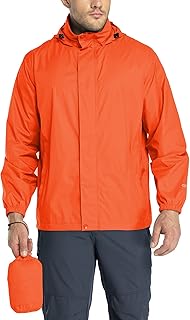
4. Lightweight Jacket or Fleece
Early mornings and evenings during safari drives can be surprisingly cold, especially in places like Masai Mara National Reserve.
A lightweight jacket or fleece will keep you warm without taking up much space in your bag.
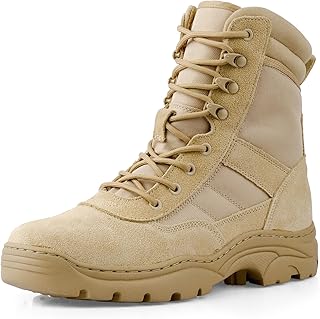
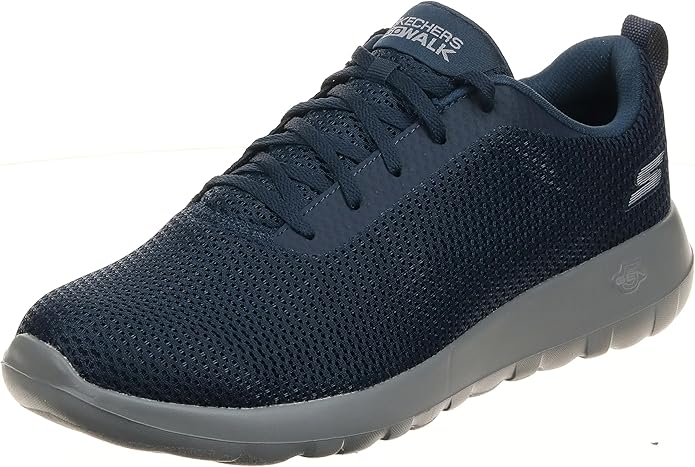
5. Comfortable Walking Shoes or Boots
Good footwear is crucial, especially if your safari includes walking tours.
Best options:
-
Hiking shoes
-
Lightweight trekking boots
-
Breathable walking sneakers
Make sure your shoes are already broken in to avoid blisters during your trip.
Essential Safari Gear
Packing the right gear will help you observe wildlife and capture incredible moments.
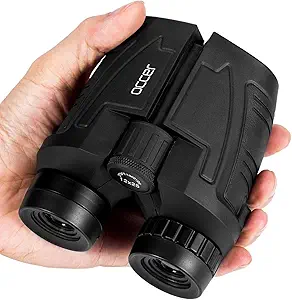
6. Binoculars
Wild animals often stay at a distance. A good pair of binoculars helps you see details clearly.
With binoculars, you can:
-
Observe animals safely from afar
-
Spot birds in trees
-
Watch wildlife behavior in detail
Choose compact binoculars that are easy to carry.
7. Camera with Zoom Lens
Wildlife photography is one of the highlights of any safari.
A camera with a strong zoom lens allows you to capture:
-
Lions and leopards at a distance
-
Birds flying overhead
-
Unique wildlife behaviors
Even modern smartphones can take impressive photos, but a camera with optical zoom will deliver better results.
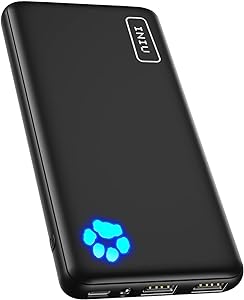
8. Portable Power Bank
Safari trips often involve long days away from charging points. A power bank ensures your devices stay charged.
You can use it to power:
-
Smartphones
-
Cameras
-
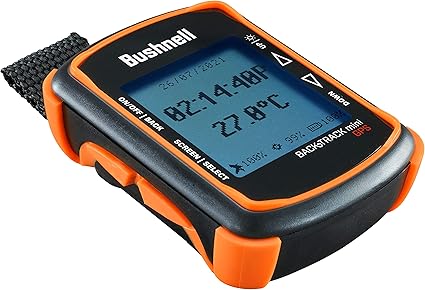
GPS devices
-
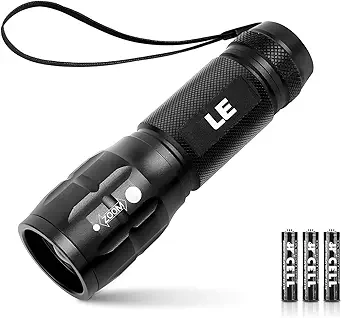
Portable lights
Solar-powered chargers are becoming popular among eco-conscious travelers.
Sun Protection Essentials
Safari environments can be extremely sunny, especially in open vehicles.
9. Wide-Brimmed Hat
A wide-brimmed hat protects your face, neck, and eyes from the sun.
Benefits include:
-
Preventing sunburn
-
Reducing heat exposure
-
Improving comfort during long game drives
10. High-SPF Sunscreen
Sunburn can happen quickly during safaris. Always pack a broad-spectrum sunscreen with SPF 30 or higher.
Reapply sunscreen every few hours, especially if you’re spending the entire day outdoors.
11. Sunglasses
Polarized sunglasses help protect your eyes from glare and make it easier to spot wildlife in bright sunlight.
Look for sunglasses with:
-
UV protection
-
Polarized lenses
-
Durable frames
Health and Safety Items
Safety should always be a priority during wildlife adventures.
12. Insect Repellent
Mosquitoes and insects are common in safari regions.
Use insect repellents that contain:
-
DEET
-
Picaridin
-
Natural plant-based formulas
These help protect against mosquito-borne illnesses and insect bites.
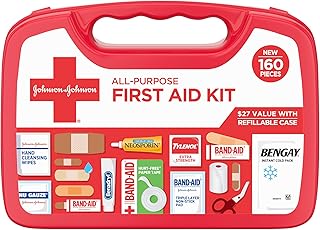
13. Personal First Aid Kit
A small first aid kit can be extremely useful during safari trips.
Include:
-
Bandages
-
Pain relievers
-
Antiseptic wipes
-
Allergy medication
-
Motion sickness tablets
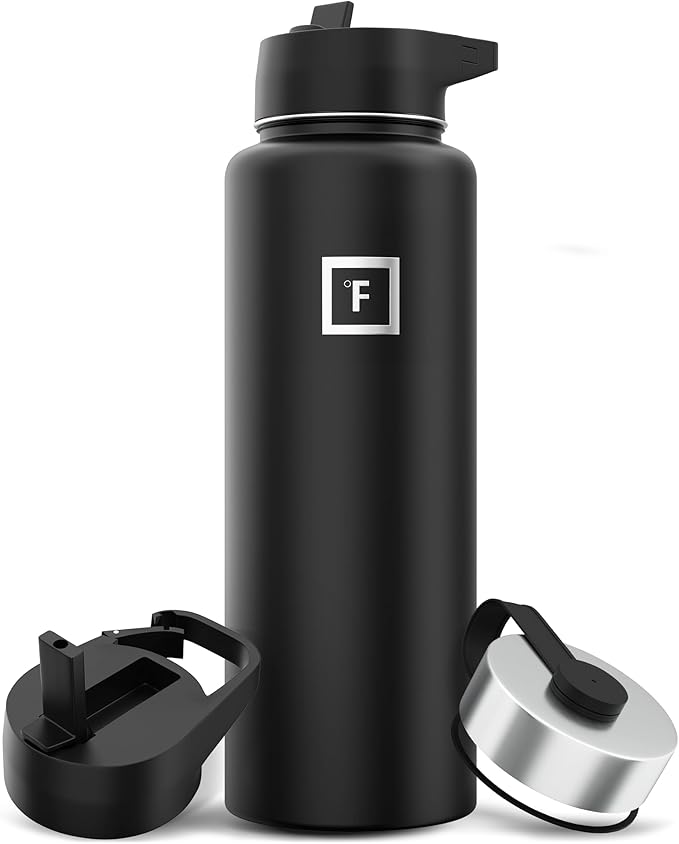
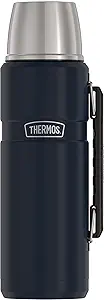
14. Reusable Water Bottle
Hydration is important, especially in warm safari climates.
Reusable water bottles are:
-
Eco-friendly
-
Convenient
-
Perfect for staying hydrated during long drives
Insulated bottles keep water cool for several hours.
Smart Travel Gadgets for Modern Safaris
Travel technology is transforming how people experience safaris.
15. Smartphone with Offline Maps
Many safari parks have limited internet access. Downloading offline maps can help you navigate and track locations.
Travel apps can also help you:
-
Identify animals
-
Track sightings
-
Learn about local wildlife
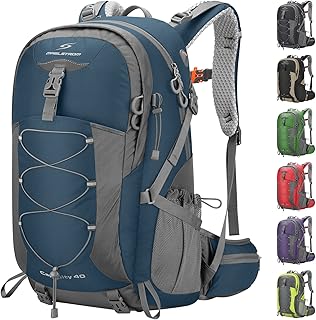
16. Travel Backpack or Daypack
A compact daypack keeps your essentials organized during safari drives.
Your daypack should include:
-
Camera gear
-
Snacks
-
Water bottle
-
Sunscreen
-
Binoculars
Choose a backpack with multiple compartments for easy access.
Optional but Useful Safari Items
Some items may not be essential but can significantly improve your experience.
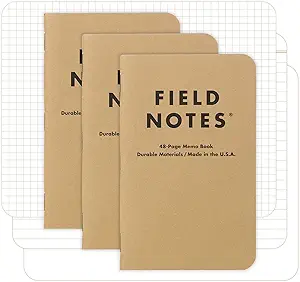
17. Travel Journal
A safari adventure is filled with unforgettable moments.
A travel journal allows you to:
-
Record wildlife sightings
-
Write daily experiences
-
Capture memories of your trip
18. Lightweight Scarf or Buff
A scarf can protect you from dust during game drives.
It can also:
-
Keep you warm in the morning
-
Provide sun protection
-
Add comfort during windy rides
19. Snacks and Energy Bars
Safari drives often last several hours.
Healthy snacks help maintain energy levels between meals.
Popular choices include:
-
Energy bars
-
Trail mix
-
Nuts
-
Dried fruit
Packing Tips for a Successful Safari
Pack Light but Smart
Safari vehicles have limited luggage space. Soft travel bags or duffel bags are usually better than large suitcases.
Use Packing Cubes
Packing cubes help organize clothing and make it easy to find items quickly.
Check the Weather Before Your Trip
Weather conditions vary depending on safari location and season.
For example:
-
Serengeti National Park has dry and wet seasons
-
Kruger National Park experiences cooler winter mornings
-
Ranthambore National Park can be extremely hot in summer
Packing accordingly ensures maximum comfort.
Sustainable Safari Packing Trends
Modern travelers are becoming more environmentally conscious.
Eco-friendly safari packing ideas include:
-
Reusable water bottles
-
Solar-powered chargers
-
Sustainable clothing materials
-
Reef-safe sunscreen
Responsible tourism helps protect wildlife and preserve natural habitats.
Final Thoughts
A wildlife safari is a once-in-a-lifetime adventure filled with breathtaking landscapes, incredible animals, and unforgettable memories. Packing the right items ensures you stay comfortable, prepared, and ready for every moment in the wild.
From neutral clothing and binoculars to sun protection and smart travel gadgets, the right safari gear can make a huge difference in your overall experience. Whether you're exploring the plains of Masai Mara National Reserve, the forests of Ranthambore National Park, or the vast wilderness of Kruger National Park, traveling smart allows you to focus on what truly matters—enjoying the beauty of wildlife in its natural habitat.
With the right preparation and packing strategy, your safari journey will be comfortable, exciting, and truly unforgettable.