Winter Travel Essentials for Cold Destinations
Traveling to cold destinations can be an unforgettable experience. Snow-covered landscapes, winter adventures, cozy accommodations, and unique seasonal activities make cold-weather trips exciting and memorable. However, preparing for freezing temperatures requires more than simply packing a heavy jacket. The right planning, clothing choices, travel accessories, and essential gear can make the difference between an uncomfortable trip and a comfortable winter adventure.
Whether you are visiting a snowy mountain town, exploring a winter city, planning a ski vacation, or heading to a cold-weather destination for the first time, having the right winter travel essentials helps you stay warm, organized, and prepared.
This winter travel guide covers everything you need to consider before your journey, including clothing layers, packing strategies, comfort items, safety essentials, and practical tips for traveling in cold conditions.
Why Winter Travel Requires Extra Preparation
Cold-weather destinations create challenges that warm-weather trips usually do not. Lower temperatures, snow, icy surfaces, shorter daylight hours, and unpredictable weather conditions require travelers to prepare carefully.
A common mistake many travelers make is focusing only on warm clothing. While staying warm is important, winter travel preparation also involves protecting yourself from moisture, managing your luggage efficiently, keeping electronics safe, and ensuring you remain comfortable throughout your journey.
A well-prepared winter traveler considers:
- Temperature and weather conditions
- Length of the trip
- Outdoor activities planned
- Transportation options
- Accommodation conditions
- Personal comfort needs
Preparing ahead allows you to enjoy your destination instead of spending time searching for missing essentials after arrival.
Essential Winter Clothing for Cold Destinations
The most important part of winter travel preparation is choosing the right clothing. Wearing multiple layers is usually more effective than relying on one extremely thick piece of clothing because layers allow you to adjust based on temperature and activity level.
1. Base Layers for Temperature Control
A good base layer helps regulate body temperature by managing moisture. When you are walking, exploring, or participating in outdoor activities, your body can still sweat even in cold weather.
Choose materials designed for comfort and moisture management, such as:
- Thermal shirts
- Merino wool layers
- Moisture-wicking fabrics
- Lightweight insulated clothing
Avoid cotton as a primary winter layer because it absorbs moisture and can make you feel colder when wet.
2. Insulating Layers for Warmth
The middle layer provides insulation by trapping body heat. This layer is responsible for keeping you warm when temperatures drop.
Popular insulating options include:
- Fleece jackets
- Wool sweaters
- Lightweight insulated jackets
- Warm hoodies
The ideal insulation layer should provide warmth without making movement difficult.
3. Weather Protection Outer Layers
The outer layer protects you from snow, wind, and rain. A quality winter outer layer should help block harsh weather conditions while allowing comfort during outdoor activities.
Look for features such as:
- Water resistance
- Wind protection
- Adjustable hoods
- Secure pockets
- Breathable materials
A waterproof outer layer becomes especially important if you plan activities in snowy or wet environments.
Winter Accessories You Should Always Pack
Small accessories can have a big impact on comfort during cold-weather travel. Many travelers underestimate how quickly exposed areas such as hands, ears, and neck can become uncomfortable in freezing temperatures.
Warm Gloves or Mittens
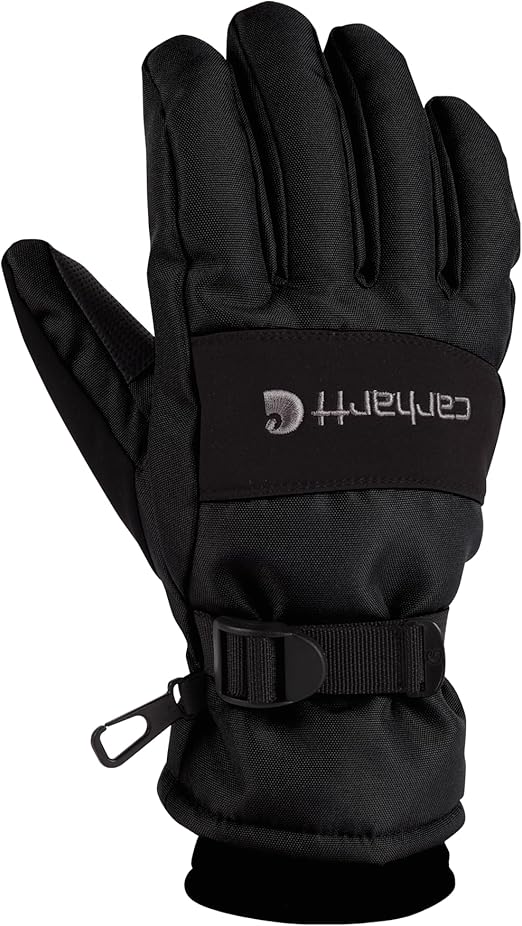
Cold hands can make sightseeing and outdoor activities unpleasant. Pack insulated gloves or mittens depending on your planned activities.
For travelers who frequently use their phones, touchscreen-compatible gloves can be useful because they allow you to take photos and navigate without removing your gloves.
Winter Hat or Beanie
A significant amount of body heat can be lost through your head when temperatures are low. A warm hat helps maintain comfort during outdoor exploration.
Choose a hat that:
- Covers your ears
- Fits comfortably
- Packs easily
- Works with other winter layers
Scarves and Neck Warmers
A scarf or neck warmer protects areas exposed to cold wind. These accessories are lightweight, easy to pack, and useful in many winter destinations.
A versatile neck covering can also provide extra warmth during flights, train journeys, and outdoor activities.
Warm Socks
Cold feet can quickly ruin a winter adventure. Pack multiple pairs of warm socks made from materials designed for cold conditions.
Good winter socks should provide:
- Insulation
- Comfort during long walks
- Moisture control
- Proper fit with winter footwear
Avoid wearing regular thin socks in freezing temperatures because they provide limited protection.
Choosing the Right Winter Footwear
Footwear is one of the most important winter travel decisions. Walking through snow, ice, or wet streets requires shoes that provide warmth, comfort, and traction.
A good winter travel shoe should include:
Waterproof Protection
Snow and melted ice can quickly make regular shoes uncomfortable. Waterproof footwear helps keep your feet dry during outdoor activities.
Good Grip
Slippery surfaces are common in winter destinations. Shoes with reliable traction reduce the risk of slipping on icy paths.
Comfortable Fit
Winter footwear is often heavier than regular shoes. Choose footwear that allows comfortable walking, especially if you plan to explore cities or natural areas.
Extra Space for Warm Socks
Your winter shoes should have enough room for thicker socks without feeling tight. A comfortable fit helps maintain warmth and circulation.
Smart Packing Tips for Winter Trips
Packing for cold destinations can be challenging because winter clothing takes up more space than summer clothing. A thoughtful packing strategy helps you carry everything you need without overpacking.
Use a Layering Approach
Instead of packing multiple bulky sweaters and jackets, focus on versatile layers that can be combined in different ways.
For example:
- Two base layers
- One insulation layer
- One weatherproof jacket
- Multiple accessories
This approach creates more outfit combinations while saving luggage space.
Pack Multi-Purpose Clothing
Choose items that work in different situations. A jacket suitable for sightseeing, restaurants, and outdoor activities reduces the number of items you need to carry.
Multi-purpose travel clothing helps:
- Reduce luggage weight
- Save packing space
- Simplify outfit planning
Use Packing Organizers
Packing cubes and organizers can make winter luggage easier to manage. They help separate clothing categories and make it easier to find items without unpacking everything.
You can organize your luggage by:
- Thermal clothing
- Accessories
- Everyday outfits
- Travel documents
- Electronics
Travel Backpack or Day Bag
A reliable day bag is useful for carrying your winter essentials while exploring. Since winter clothing often includes multiple layers, having a comfortable backpack helps you keep important items accessible.
A good winter travel bag should have:
- Water-resistant material
- Comfortable shoulder straps
- Enough space for accessories
- Separate compartments for organization
- Easy access pockets
A day bag allows you to carry essentials such as gloves, snacks, chargers, water bottles, and extra layers without returning to your accommodation frequently.
Reusable Water Bottle
Staying hydrated is just as important in cold weather as it is during summer travel. Many travelers drink less water in winter because they do not feel as thirsty, but cold air and physical activity can still lead to dehydration.
A reusable bottle helps you:
- Carry water during outdoor activities
- Reduce single-use plastic waste
- Stay prepared during long sightseeing days
For extremely cold destinations, insulated bottles can help prevent drinks from freezing.
Travel Thermos for Hot Drinks
A warm drink can make a winter journey much more comfortable. Carrying a travel thermos allows you to enjoy coffee, tea, or other hot beverages while exploring cold environments.
A thermos is especially useful for:
- Snow activities
- Long outdoor walks
- Road trips
- Hiking adventures
Small comfort items like these can significantly improve the overall travel experience.
Portable Charger for Cold Weather Travel
Cold temperatures can affect battery performance, especially for smartphones and cameras. A phone that loses power while navigating unfamiliar areas can create unnecessary stress.
A portable charger helps you stay connected for:
- Maps and navigation
- Travel bookings
- Emergency communication
- Photography
Keep your power bank and electronics protected from extreme cold by storing them inside your bag or an inner pocket.
Protecting Electronics During Winter Trips
Cold weather can be challenging for electronic devices. Cameras, smartphones, and batteries may perform differently in freezing conditions.
Follow these tips to protect your electronics:
- Keep devices inside protective cases
- Avoid sudden temperature changes
- Store batteries in warmer areas
- Use waterproof protection during snowfall
- Carry cleaning cloths for moisture
When moving from a cold outdoor environment into a warm indoor space, allow electronics to adjust gradually to prevent condensation.
Winter Travel Essentials for Outdoor Activities
If your trip includes outdoor adventures, you may need additional preparation. Activities such as hiking, sightseeing in snowy areas, skiing, or exploring mountain regions require specialized planning.
Snow-Friendly Gear
Depending on your destination and activities, consider packing:
- Waterproof outerwear
- Thermal clothing
- Insulated gloves
- Warm socks
- Snow-friendly footwear
- Sunglasses or snow goggles
Snow can reflect sunlight strongly, making eye protection important even on cloudy days.
Sunscreen and Lip Protection
Many travelers associate sunscreen only with summer vacations, but winter destinations also require sun protection. Snow reflects sunlight, increasing exposure during outdoor activities.
Important skincare essentials include:
- Sunscreen
- Lip balm with SPF
- Moisturizer
- Hand cream
Cold air and wind can dry out exposed skin quickly, so maintaining a simple skincare routine can improve comfort.
Winter Travel Safety Tips
Cold destinations can be beautiful, but they also require awareness and preparation. Weather conditions may affect transportation, outdoor activities, and daily plans.
Check Weather Conditions Before Traveling
Always research expected temperatures and conditions before your trip. Weather information helps you decide what clothing and equipment you need.
Check:
- Average temperatures
- Snow conditions
- Weather forecasts
- Road conditions
- Local travel updates
Being prepared allows you to adjust plans when conditions change.
Be Careful on Snow and Ice
Slippery surfaces are one of the most common challenges during winter travel. Walk carefully and avoid rushing on icy paths.
Helpful tips include:
- Wear shoes with good traction
- Take shorter steps on slippery surfaces
- Use handrails when available
- Avoid walking in unfamiliar areas during poor visibility
Keep Important Documents Protected
Cold weather trips often involve multiple transportation methods, including flights, trains, and road travel. Keep important documents safe and easily accessible.
Protect:
- Passport
- Identification documents
- Travel insurance details
- Hotel information
- Emergency contacts
A waterproof travel pouch can help protect documents from snow or moisture.
How to Prepare for Different Types of Winter Trips
Every winter destination requires slightly different preparation. Your packing list should match your travel style and activities.
Winter City Trips
For exploring cities during winter, focus on comfort and convenience.
Recommended essentials:
- Comfortable waterproof shoes
- Warm coat
- Gloves
- Scarf
- Portable charger
- Day backpack
City travelers often spend many hours outdoors walking between attractions, so comfortable footwear and warm layers are essential.
Mountain and Snow Destinations
Mountain destinations usually require more protection because temperatures can be lower and weather conditions can change quickly.
Consider packing:
- Extra thermal layers
- Waterproof clothing
- Winter accessories
- Outdoor-friendly footwear
- Emergency supplies
Preparation becomes especially important if you plan hiking, skiing, or extended outdoor activities.
Winter Road Trips
Cold-weather road trips require additional planning because travelers may spend more time exposed to changing conditions.
Useful items include:
- Warm blankets
- Extra clothing layers
- Snacks
- Water
- Emergency supplies
- Car safety equipment
Planning ahead ensures you remain comfortable even if unexpected delays occur.
How to Pack a Winter Travel Bag Efficiently
Winter clothing can quickly fill your luggage, but smart packing techniques can help maximize space.
Roll Soft Clothing Items
Rolling items such as thermal layers, sweaters, and casual clothing can help save space and make your suitcase easier to organize.
Wear Bulky Items During Travel
If you are traveling with a large winter jacket or heavy footwear, consider wearing them during transportation instead of packing them.
This helps:
- Save luggage space
- Reduce suitcase weight
- Keep important layers accessible
Create a Winter Travel Checklist
A checklist reduces the chance of forgetting important items.
Before leaving, confirm you have:
Clothing
- Base layers
- Warm jacket
- Gloves
- Winter hat
- Scarf
- Warm socks
Travel Gear
- Backpack
- Water bottle
- Charger
- Travel documents
- Packing organizers
Comfort Items
- Moisturizer
- Lip balm
- Travel pillow
- Entertainment items
Frequently Asked Questions About Winter Travel Essentials
What are the most important winter travel essentials?
The most important winter travel essentials include warm layered clothing, waterproof footwear, winter accessories, travel documents, portable chargers, and weather protection gear. Your exact packing list depends on your destination and planned activities.
How should I dress for a cold destination?
The best approach is wearing multiple layers. Start with a moisture-managing base layer, add an insulating middle layer, and finish with a weather-resistant outer layer. This allows you to adjust your clothing based on changing temperatures.
What should I pack for a snowy vacation?
For a snowy vacation, pack waterproof clothing, warm footwear, thermal layers, gloves, winter accessories, skincare products, and electronics protection. Outdoor activities may require additional specialized gear.
How can I avoid overpacking for winter travel?
Avoid packing too many bulky items by choosing versatile clothing, using layers, selecting multi-purpose gear, and organizing your suitcase efficiently. A carefully planned packing list helps you bring only what you need.
Do I need sunscreen during winter travel?
Yes. Sunscreen is still important during winter travel, especially in snowy areas where sunlight reflects off snow surfaces. Protecting your skin helps prevent dryness and sun exposure.
Final Thoughts: Prepare Smart for Your Winter Adventure
Traveling to cold destinations can be an incredible experience when you prepare properly. The right combination of clothing, travel gear, organization, and safety planning allows you to enjoy winter landscapes comfortably and confidently.
Instead of packing randomly, focus on essentials that provide warmth, flexibility, and convenience. Layer your clothing, protect your electronics, prepare for changing weather, and choose travel items that support your specific journey.
Whether you are exploring a snowy city, planning a mountain getaway, or enjoying a winter road trip, the right preparation helps you spend less time worrying about the cold and more time enjoying your adventure.
A successful winter trip is not about bringing everything—it is about bringing the right essentials that keep you warm, comfortable, and ready for every moment.