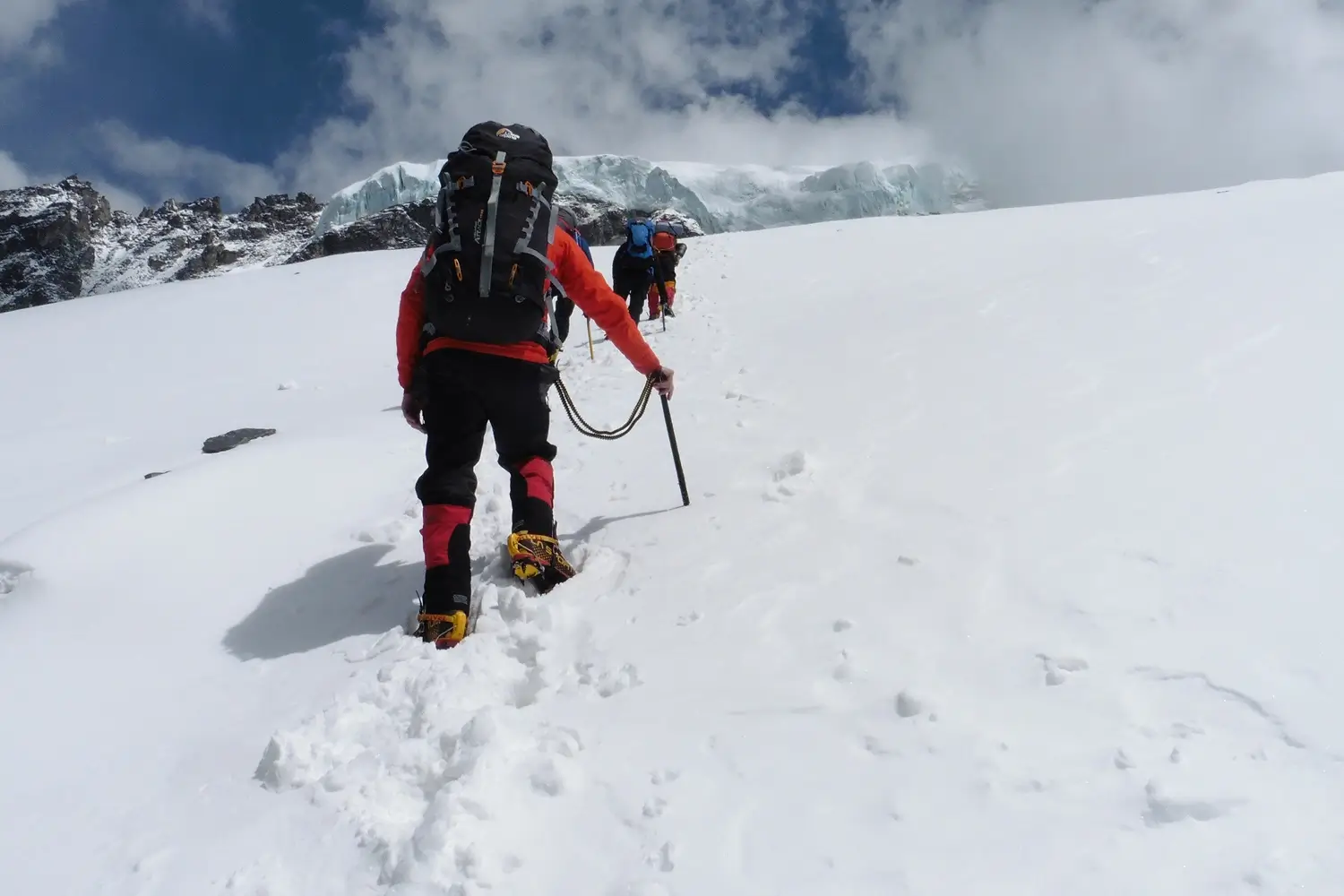
Snow Trekking Gear Guide: Winter Adventure Essentials
Introduction
Snow trekking is one of the most rewarding outdoor experiences, offering breathtaking landscapes, peaceful trails, and unforgettable adventures through snow-covered mountains. However, trekking in snowy conditions requires much more preparation than regular hiking. Freezing temperatures, slippery trails, strong winds, and unpredictable weather can turn a beautiful adventure into a challenging experience without the right equipment.
Having the proper snow trekking gear helps you stay warm, comfortable, and safe throughout your journey. From insulated clothing and waterproof footwear to essential safety equipment, every item in your backpack plays an important role when exploring winter trails.
Whether you are planning your first snow trek or upgrading your existing adventure kit, understanding the essential winter trekking equipment will help you prepare better and enjoy your outdoor experience with confidence.
In this snow trekking gear guide, we will cover the essential equipment every winter trekker needs, including clothing layers, footwear, backpacks, safety tools, camping essentials, and useful accessories.
Why Snow Trekking Requires Special Gear
Unlike regular hiking, snow trekking exposes you to extreme conditions where staying dry and maintaining body temperature becomes a priority. Snow, cold winds, and moisture can quickly reduce your comfort and energy levels.
The right winter trekking equipment helps you:
- Maintain body warmth in freezing temperatures
- Protect yourself from snow and wind
- Improve grip and stability on slippery surfaces
- Carry essential supplies safely
- Handle unexpected weather changes
A well-prepared trekker focuses on three important factors:
Warmth, protection, and mobility.
Your gear should provide insulation without adding unnecessary weight because carrying a heavy backpack can make long-distance trekking more difficult.
Essential Snow Trekking Clothing System
One of the most important parts of winter trekking preparation is choosing the right clothing. Instead of wearing one thick jacket, experienced trekkers follow a layering system that allows better temperature control.
1. Base Layer: Moisture Management
The base layer is the first layer worn next to your skin. Its main purpose is to remove sweat and moisture while keeping your body dry.
Recommended materials:
- Merino wool
- Synthetic moisture-wicking fabrics
- Thermal inner wear
Avoid cotton clothing during snow trekking because cotton absorbs moisture and dries slowly. Wet clothing can make you feel colder and increase the risk of discomfort during the trek.
Essential base layer items:
- Thermal top
- Thermal leggings
- Moisture-wicking underwear
- Trekking socks
2. Insulation Layer: Retaining Body Heat
The insulation layer helps trap body heat and keeps you warm in cold environments.
Popular insulation options include:
Fleece Jackets
Fleece provides excellent warmth while remaining lightweight and breathable. It works well during moderate winter conditions.
Down Jackets
Down jackets offer exceptional warmth-to-weight performance and are popular among high-altitude trekkers.
Synthetic Insulated Jackets
Synthetic insulation performs better in damp conditions and is usually easier to maintain.
A good insulation layer should keep you warm without restricting movement while walking on challenging trails.
3. Outer Layer: Protection From Snow and Wind
The outer layer protects you from harsh weather conditions such as snowfall, wind, and moisture.
Look for:
- Waterproof jackets
- Windproof shells
- Breathable materials
- Adjustable hoods
A quality waterproof trekking jacket prevents snow from entering while allowing sweat vapor to escape.
Important features:
- Waterproof zippers
- Adjustable cuffs
- Helmet-compatible hood
- Lightweight construction
Snow Trekking Footwear Essentials
Your footwear is one of the most important parts of your winter trekking setup. Cold feet, poor grip, or uncomfortable shoes can make your adventure difficult.
Waterproof Trekking Boots
Snow trekking requires boots that provide:
- Waterproof protection
- Strong ankle support
- Insulation
- Durable traction
Regular hiking shoes are often unsuitable for snowy trails because they may allow water to enter and provide insufficient grip.
Look for:
- Waterproof membranes
- Rugged outsoles
- Comfortable padding
- Room for thicker socks
Trekking Socks for Cold Conditions
Many beginners underestimate the importance of good trekking socks. Your socks help regulate temperature and prevent discomfort during long walks.
Recommended materials:
- Merino wool
- Wool blends
- Synthetic hiking socks
Carry an extra pair of socks because wet socks can quickly become uncomfortable in cold weather.
Snow Traction Equipment
Snow-covered trails can become slippery, especially on icy sections. Additional traction equipment improves stability and reduces the risk of falls.
Microspikes
Microspikes attach to your boots and provide better grip on icy surfaces. They are useful for beginner and intermediate winter trails.
Crampons
Crampons are designed for more technical snow and ice conditions. They provide stronger traction but require proper knowledge and experience.
Trekking Poles
Trekking poles are extremely useful during snow trekking because they:
- Improve balance
- Reduce pressure on knees
- Help test snow depth
- Provide additional stability
Adjustable poles with strong tips work best for winter conditions.
Snow Trekking Backpack Essentials
Choosing the right backpack is important because winter gear takes up more space than regular hiking equipment.
A good snow trekking backpack should have:
- Comfortable shoulder straps
- Adjustable hip belt
- Water-resistant material
- Rain cover compatibility
- Multiple compartments
For day trips, a 20–35 liter backpack is usually sufficient. Multi-day winter treks may require larger backpacks depending on camping requirements.
What to Pack Inside Your Snow Trekking Backpack
A properly packed backpack should include:
Clothing Essentials
- Extra thermal layers
- Additional socks
- Gloves
- Warm hat
- Neck warmer
Safety Items
- First aid kit
- Emergency blanket
- Headlamp
- Whistle
- Multi-tool
Navigation Equipment
- Offline maps
- GPS device or smartphone navigation
- Compass
Personal Essentials
- Sunglasses
- Sunscreen
- Water bottle
- Snacks
- Power bank
Snow Camping Gear Essentials
If you are planning a multi-day snow trek, your camping equipment becomes just as important as your clothing and footwear. Sleeping outdoors in freezing temperatures requires specialized gear designed to provide warmth and protection.
1. Winter Sleeping Bag
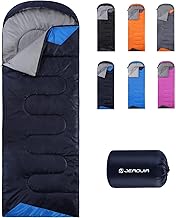
A regular sleeping bag may not provide enough warmth during snowy adventures. A winter-rated sleeping bag is designed to handle lower temperatures and protect you from extreme cold.
When choosing a sleeping bag for snow trekking, consider:
- Temperature rating
- Insulation type
- Weight
- Packability
Down Sleeping Bags
Down insulation provides excellent warmth while remaining lightweight, making it popular among experienced trekkers.
Synthetic Sleeping Bags
Synthetic options perform better in wet conditions and are often more affordable.
Choose a sleeping bag suitable for the expected temperature range of your trek.
2. Insulated Sleeping Pad
Many beginners focus only on sleeping bags but forget that the ground can absorb body heat quickly.
A sleeping pad provides:
- Insulation from cold surfaces
- Additional comfort
- Protection from uneven terrain
For snow trekking, choose an insulated sleeping pad with a high thermal rating.
Types include:
- Foam sleeping pads
- Inflatable sleeping pads
- Self-inflating sleeping pads
A quality sleeping pad can make a major difference in comfort during cold nights.
3. Four-Season Tent
For serious winter trekking and snowy environments, a four-season tent is recommended.
Unlike regular camping tents, four-season tents are designed to handle:
- Heavy snowfall
- Strong winds
- Cold temperatures
Important features include:
- Strong poles
- Durable fabric
- Snow-resistant design
- Good ventilation
Proper ventilation is important because moisture from breathing can create condensation inside the tent.
4. Cold Weather Cooking Equipment
Staying energized during a snow trek requires proper nutrition and access to warm meals.
Essential cooking gear includes:
- Lightweight camping stove
- Fuel canister suitable for cold temperatures
- Compact cookware
- Insulated mug
- Utensils
Hot drinks such as tea, coffee, and soup can help maintain warmth during winter adventures.
Essential Snow Trekking Safety Equipment
Winter environments can change quickly, so carrying safety equipment is extremely important.
1. First Aid Kit
A trekking first aid kit should include:
- Bandages
- Antiseptic wipes
- Pain relief medication
- Blister treatment
- Medical tape
- Personal medicines
Cold weather can increase the chances of injuries such as slips, falls, and frost-related problems.
2. Headlamp
Winter days are shorter, and unexpected delays can happen during trekking.
A reliable headlamp helps you:
- Navigate after sunset
- Set up camp
- Handle emergencies
Always carry extra batteries or a rechargeable power source.
3. Navigation Tools
Snow can cover familiar trails, making navigation more challenging.
Useful navigation equipment includes:
- GPS devices
- Offline maps
- Compass
- Smartphone navigation apps
Never depend only on mobile networks because many mountain areas have limited connectivity.
4. Emergency Communication Tools
For remote winter adventures, emergency communication devices can provide additional safety.
Options include:
- Satellite communication devices
- Emergency beacons
- Whistles
These tools are especially useful for long or isolated trekking routes.
Winter Trekking Accessories You Should Carry
Small accessories can greatly improve comfort during a snow trek.
Warm Gloves
Hands are one of the first areas affected by cold temperatures.
Choose gloves that provide:
- Insulation
- Water resistance
- Dexterity
Many trekkers prefer using a glove layering system:
- Thin liner gloves
- Insulated outer gloves
Winter Hat or Beanie
A significant amount of body heat can be lost through the head. A warm hat helps maintain body temperature during cold conditions.
Choose:
- Wool or fleece materials
- Comfortable fit
- Moisture management
Neck Gaiter or Buff
A neck gaiter protects:
- Neck
- Face
- Nose
It can also be adjusted depending on weather conditions.
Sunglasses and Snow Goggles
Snow reflects sunlight, which can create strong glare and discomfort.
Good-quality sunglasses help protect your eyes from:
- UV exposure
- Snow glare
- Wind
For extreme conditions, snow goggles provide better protection.
Hydration and Food Tips for Snow Trekking
Cold weather can reduce your feeling of thirst, but staying hydrated remains essential.
Hydration Tips:
- Drink water regularly
- Carry an insulated water bottle
- Prevent water from freezing
- Avoid waiting until you feel thirsty
Warm drinks can help maintain comfort during breaks.
High-Energy Foods for Winter Treks
Cold conditions require additional energy because your body works harder to stay warm.
Good trekking food options include:
- Energy bars
- Nuts and dried fruits
- Chocolate
- Trail mix
- Instant meals
Choose lightweight foods that provide quick energy.
Common Snow Trekking Mistakes to Avoid
Even experienced trekkers can make mistakes in winter conditions. Proper preparation helps prevent unnecessary problems.
1. Wearing Cotton Clothing
Cotton absorbs moisture and loses insulation when wet.
Instead, choose:
- Merino wool
- Synthetic fabrics
- Technical outdoor clothing
2. Ignoring Foot Protection
Cold feet can quickly ruin a trekking experience.
Avoid:
- Regular shoes
- Thin socks
- Non-waterproof footwear
Invest in proper winter trekking boots and quality socks.
3. Carrying Too Much Weight
While preparation is important, carrying unnecessary items can make trekking exhausting.
Focus on:
- Lightweight equipment
- Multi-purpose gear
- Essential safety items
4. Underestimating Weather Conditions
Mountain weather can change rapidly.
Always check:
- Weather forecasts
- Trail conditions
- Local warnings
Be prepared to adjust your plans if conditions become unsafe.
Snow Trekking Gear Checklist
Before starting your winter adventure, use this checklist:
Clothing
✓ Thermal base layers
✓ Fleece jacket
✓ Insulated jacket
✓ Waterproof shell jacket
✓ Trekking pants
✓ Warm gloves
✓ Winter hat
✓ Thermal socks
Footwear
✓ Waterproof trekking boots
✓ Extra socks
✓ Gaiters
✓ Microspikes or crampons
Backpack Essentials
✓ Trekking backpack
✓ Rain cover
✓ Water bottle
✓ Snacks
✓ Headlamp
✓ Power bank
✓ First aid kit
Camping Gear
✓ Winter sleeping bag
✓ Insulated sleeping pad
✓ Four-season tent
✓ Camping stove
Safety Equipment
✓ Navigation tools
✓ Emergency supplies
✓ Whistle
✓ Multi-tool
How to Choose the Right Snow Trekking Gear
The best snow trekking gear depends on several factors:
Trek Difficulty
A beginner day trek requires less equipment compared to a high-altitude multi-day expedition.
Weather Conditions
Consider:
- Temperature
- Snow depth
- Wind conditions
- Duration of the trek
Weight Considerations
For longer adventures, lightweight equipment becomes increasingly important.
Quality Over Quantity
Investing in reliable gear is better than carrying many low-quality items. Durable equipment provides better performance and often lasts for multiple adventures.
Final Thoughts
Snow trekking offers an incredible opportunity to explore beautiful winter landscapes, but proper preparation is essential for a safe and enjoyable experience. The right snow trekking gear helps you stay warm, protected, and comfortable while handling challenging mountain conditions.
From layered clothing and waterproof boots to safety equipment and winter camping essentials, every piece of gear has an important purpose. Whether you are planning a beginner-friendly snow hike or a challenging winter expedition, preparing with the right equipment can make your adventure more enjoyable.
A successful snow trek is not just about reaching the destination—it is about being prepared for the journey along the way.
Frequently Asked Questions (FAQs)
What gear is essential for snow trekking?
Essential snow trekking gear includes thermal layers, waterproof clothing, insulated footwear, trekking poles, gloves, winter accessories, safety equipment, and suitable camping gear for overnight trips.
Can beginners go snow trekking?
Yes, beginners can enjoy snow trekking by choosing suitable trails, preparing physically, and carrying the right winter equipment.
Are regular hiking shoes suitable for snow trekking?
Regular hiking shoes are usually not recommended because they may lack insulation, waterproofing, and traction required for snowy conditions.
What clothes should I wear for winter trekking?
A layering system works best: moisture-wicking base layers, insulating mid layers, and waterproof outer layers provide warmth and protection.
Do I need trekking poles for snow?
Trekking poles are highly recommended because they improve balance and stability on slippery snowy trails.