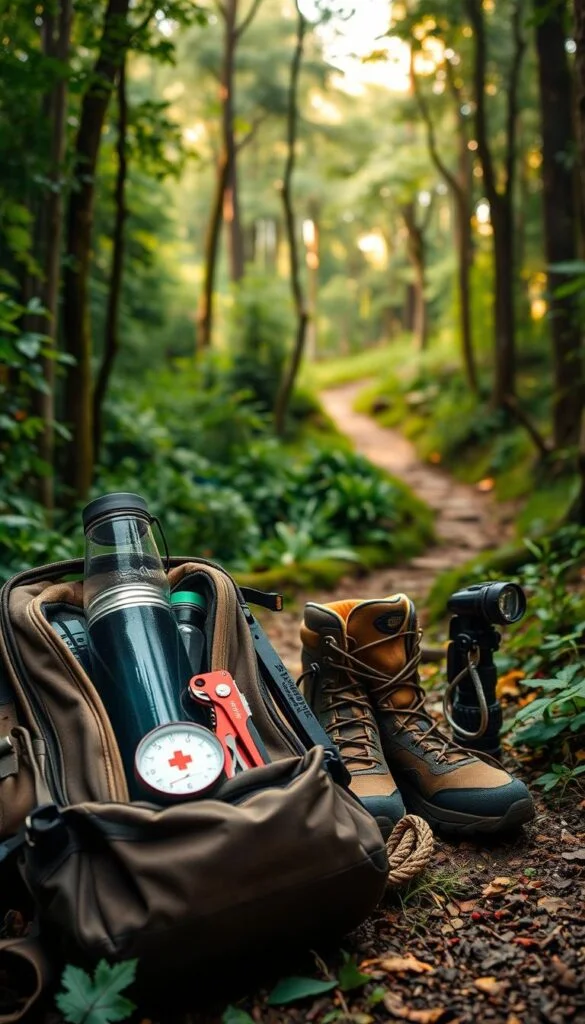
Must-Have Hiking Essentials for Beginners
Hiking is one of the easiest and most rewarding ways to explore nature, improve your fitness, and take a break from everyday routines. Whether you're planning a short walk through a local nature trail or your first mountain adventure, having the right gear can make your experience safer, more comfortable, and much more enjoyable.
For beginners, it's easy to either overpack or forget important items. Carrying unnecessary equipment adds weight, while leaving behind essential gear can turn an exciting trip into a stressful one. The key is to focus on practical items that improve safety, comfort, and convenience without overloading your backpack.
This guide covers the must-have hiking essentials for beginners, explaining why each item matters and how to choose the right gear for your first outdoor adventures.
Why Having the Right Hiking Essentials Matters
Unlike a casual walk around your neighborhood, hiking often takes you into areas where facilities are limited or unavailable. Weather conditions can change quickly, trails can be longer than expected, and even well-marked routes may present unexpected challenges.
Packing the right hiking essentials helps you:
- Stay comfortable throughout your hike
- Reduce the risk of injuries
- Be prepared for changing weather
- Keep yourself hydrated and energized
- Handle minor emergencies with confidence
Choosing quality gear doesn't mean buying the most expensive equipment. Beginners should focus on dependable, versatile items that provide the best value and can be used on many future hikes.
1. Comfortable Hiking Backpack
A reliable hiking backpack is the foundation of your gear setup. It keeps your equipment organized while distributing weight evenly across your shoulders and hips.
For day hikes, a backpack between 20 and 30 liters usually provides enough space for water, snacks, clothing, and emergency supplies.
Look for features such as:
- Adjustable shoulder straps
- Padded back panel
- Chest and hip straps
- Multiple compartments
- Water bottle pockets
- Hydration bladder compatibility
Choose a backpack that fits comfortably rather than simply selecting the largest size.
2. Supportive Hiking Footwear
Your footwear is one of the most important investments you'll make.
Many beginners wonder whether they need hiking boots or trail running shoes. The answer depends on the terrain you'll be exploring.
Hiking Boots
Ideal for:
- Rocky terrain
- Mountain trails
- Multi-day hikes
- Wet conditions
They provide better ankle support and durability.
Trail Running Shoes
Best for:
- Easy hiking trails
- Well-maintained paths
- Warm weather
- Lightweight hiking
They're lighter and often more breathable than traditional hiking boots.
Regardless of which style you choose, make sure your footwear fits properly and is broken in before your first hike.
3. Moisture-Wicking Clothing
What you wear plays a major role in your comfort on the trail.
Avoid cotton whenever possible because it absorbs sweat and dries slowly.
Instead, choose clothing made from:
- Polyester
- Merino wool
- Nylon blends
These materials help regulate body temperature while keeping moisture away from your skin.
A simple layering system works best:
- Moisture-wicking base layer
- Lightweight insulating layer
- Waterproof outer shell
Layering allows you to adjust easily as temperatures change throughout the day.
4. Waterproof Rain Jacket
Even if the weather forecast looks perfect, carrying a lightweight waterproof rain jacket is always a smart decision.
Weather can change rapidly, especially in mountainous areas.
Look for jackets that offer:
- Waterproof materials
- Breathability
- Adjustable hood
- Lightweight construction
- Easy packability
A quality rain jacket also helps block wind, making it useful even on dry days.
5. Plenty of Water
Dehydration is one of the most common mistakes beginner hikers make.
Carry enough water for the length of your hike.
A general guideline is:
- Around 500–750 ml of water per hour of hiking, depending on weather and activity level.
You can carry water using:
- Reusable water bottles
- Hydration reservoirs
- Collapsible bottles
For longer hikes, consider bringing a portable water filter or purifier if you'll have access to natural water sources.
6. Healthy Trail Snacks
Your body burns more energy while hiking than during everyday activities.
Pack lightweight snacks that provide lasting energy.
Good choices include:
- Mixed nuts
- Energy bars
- Dried fruit
- Beef jerky
- Peanut butter packets
- Trail mix
For hikes lasting several hours, bring a light meal such as sandwiches or wraps.
Keeping your energy levels stable helps reduce fatigue and improves your overall hiking experience.
7. Navigation Tools
Even popular hiking trails can become confusing if trail markers are missing or weather conditions reduce visibility.
Every beginner should carry at least one reliable navigation tool.
Options include:
- Trail maps
- Compass
- GPS hiking device
- Smartphone with offline trail maps
Download maps before leaving home because many hiking areas have limited mobile coverage.
Learning basic navigation skills before your trip adds another layer of safety.
8. Basic First Aid Kit
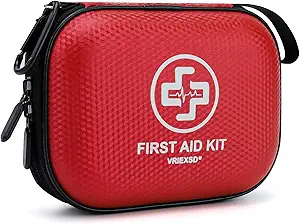
A compact first aid kit should always be part of your hiking backpack.
It doesn't need to be large but should contain basic supplies for treating minor injuries.
Include items such as:
- Adhesive bandages
- Blister treatment
- Antiseptic wipes
- Medical tape
- Gauze pads
- Pain relievers
- Tweezers
- Personal medications
Knowing how to use the contents of your first aid kit is just as important as carrying one.
9. Sun Protection
Many hikers underestimate how much sun exposure they receive, especially at higher elevations.
Protect yourself by packing:
- Sunscreen (SPF 30 or higher)
- Sunglasses with UV protection
- Wide-brim hat or cap
- SPF lip balm
Reapply sunscreen throughout longer hikes, particularly during warmer months.
Proper sun protection helps prevent sunburn and reduces the risk of heat-related illnesses.
10. Multi-Tool or Pocket Knife
A compact multi-tool can solve many small problems while hiking.
Useful features include:
- Knife blade
- Scissors
- Screwdriver
- Bottle opener
- Pliers
Although you may rarely need it, a quality multi-tool can be invaluable for quick gear repairs and unexpected situations.
11. Headlamp or Flashlight
Even if you plan to finish your hike before sunset, carrying a light source is a smart precaution. Delays caused by difficult terrain, unexpected weather, or taking the wrong trail can leave you hiking in low-light conditions.
A lightweight LED headlamp is often the best choice because it keeps both hands free.
When choosing a headlamp, look for:
- Bright LED illumination
- Adjustable brightness settings
- Long battery life
- Water-resistant construction
- Lightweight design
Always pack spare batteries or ensure your rechargeable headlamp is fully charged before heading out.
12. Emergency Shelter
For longer hikes or remote trails, an emergency shelter provides extra protection if you're forced to spend unexpected time outdoors.
Compact emergency options include:
- Emergency bivvy bag
- Survival blanket
- Lightweight emergency tarp
These items take up very little space but can help retain body heat during unexpected situations.
13. Fire Starter
A dependable fire starter is another useful addition to your hiking kit, especially if you're hiking in remote areas.
Good options include:
- Waterproof matches
- Refillable lighter
- Ferrocerium fire starter
While you may never need it, carrying one can be valuable during emergencies. Always follow local fire regulations and never leave a campfire unattended.
14. Trekking Poles
Many beginners overlook trekking poles, but they can significantly improve comfort on the trail.
Benefits include:
- Better balance on uneven terrain
- Reduced pressure on knees
- Improved stability during descents
- Extra support when carrying a backpack
Adjustable, lightweight aluminum or carbon fiber poles are ideal for most beginners.
15. Personal Identification and Emergency Information
Carry a small waterproof pouch containing:
-
Photo ID
- Emergency contact details
- Medical information
- Health insurance card (if applicable)
- Some cash or a payment card
It's a simple step that can make a big difference in an emergency.
Beginner Hiking Packing Checklist
Here's a simple checklist to help you prepare before every hike:
✔ Hiking backpack
✔ Hiking boots or trail shoes
✔ Moisture-wicking clothing
✔ Waterproof rain jacket
✔ Water bottles or hydration reservoir
✔ Trail snacks and lunch
✔ Navigation tools
✔ First aid kit
✔ Sunscreen and sunglasses
✔ Hat
✔ Multi-tool
✔ Headlamp
✔ Emergency blanket
✔ Fire starter
✔ Trekking poles
✔ Identification and emergency contacts
Adjust this list based on the trail difficulty, weather forecast, and hike duration.
Tips for Choosing Your First Hiking Gear
If you're just getting started, there's no need to purchase every premium item immediately.
Instead:
- Buy quality footwear first.
- Invest in a comfortable backpack.
- Choose clothing designed for outdoor activities.
- Upgrade equipment as you gain hiking experience.
- Read reviews before purchasing gear.
- Focus on durability and comfort over unnecessary features.
Reliable gear lasts for years and often performs better than cheaper alternatives.
Common Mistakes Beginner Hikers Should Avoid
Learning from others' experiences can help you avoid common problems.
Wearing New Boots on the Trail
Always break in new footwear before attempting a long hike to reduce the risk of painful blisters.
Carrying Too Much Gear
Overpacking makes hiking more tiring. Bring only what you'll realistically need.
Ignoring the Weather Forecast
Check weather conditions before leaving and prepare for sudden changes, especially in mountainous regions.
Forgetting to Stay Hydrated
Drink water regularly throughout your hike instead of waiting until you feel thirsty.
Skipping Trail Research
Learn about the trail's distance, elevation gain, difficulty level, and available facilities before setting out.
Hiking Beyond Your Ability
Choose beginner-friendly trails and gradually increase difficulty as your confidence and fitness improve.
Frequently Asked Questions
What are the most important hiking essentials for beginners?
The essentials include a comfortable backpack, supportive hiking footwear, weather-appropriate clothing, water, snacks, navigation tools, a first aid kit, sun protection, and a reliable light source.
Do beginners need hiking boots?
Not always. Well-maintained trails are often suitable for quality trail running shoes. Hiking boots become more beneficial on rocky, uneven, or challenging terrain where additional ankle support is helpful.
How much water should I carry?
A general recommendation is around 500–750 ml per hour of hiking, depending on temperature, trail difficulty, and your personal hydration needs.
Can I hike with a regular backpack?
A regular backpack can work for short walks, but a hiking backpack offers better weight distribution, improved comfort, and dedicated storage for outdoor gear.
What's the biggest mistake first-time hikers make?
One of the most common mistakes is underestimating the trail. Beginners often carry too little water, wear unsuitable footwear, or fail to prepare for changing weather conditions.
Final Thoughts
Starting your hiking journey doesn't require an expensive collection of outdoor equipment. What matters most is choosing dependable gear that keeps you safe, comfortable, and prepared for the trail ahead.
Begin with the essentials—a well-fitting backpack, supportive footwear, weather-appropriate clothing, plenty of water, nutritious snacks, and basic safety equipment. As you gain experience, you'll discover which additional gear best suits your hiking style and the types of trails you enjoy most.
Investing in quality hiking essentials from the beginning not only improves your outdoor experience but also gives you confidence to explore new destinations with peace of mind. Whether you're tackling your first nature trail or planning weekend adventures in the mountains, the right preparation helps every hike become a memorable one.
With thoughtful planning and the proper gear, you'll be ready to enjoy the beauty of the outdoors safely and comfortably, one trail at a time.