Snowshoeing Trail Challenge Gear: What to Pack for Long Winter Treks
Snowshoeing is one of the most rewarding ways to explore winter landscapes. When the trail gets longer and conditions become more challenging, preparation becomes just as important as endurance. Long snowshoe treks through deep snow, remote trails, and changing weather demand thoughtful packing, reliable gear, and smart layering.
Whether you’re tackling an all-day winter hike or training for a multi-hour snowshoe challenge, this guide covers everything you need to pack to stay warm, safe, fueled, and confident from start to finish.
Why Packing Right Matters on Long Snowshoe Treks
Long winter treks expose your body and gear to:
-
Freezing temperatures
-
Deep, uneven snow
-
Wind and moisture
-
Physical fatigue
-
Limited access to help
A well-prepared snowshoeing pack helps you:
-
Maintain body heat without overheating
-
Prevent injuries and exhaustion
-
Handle emergencies confidently
-
Enjoy the trail instead of worrying about discomfort
The goal is simple: pack light, pack smart, and pack for safety.
Snowshoes & Footwear Essentials
Snowshoes Built for Distance
Choose snowshoes designed for long treks:
-
Lightweight frames to reduce fatigue
-
Aggressive crampons for traction
-
Secure bindings that stay tight for hours
Trail-specific snowshoes offer better control and efficiency on varied terrain.
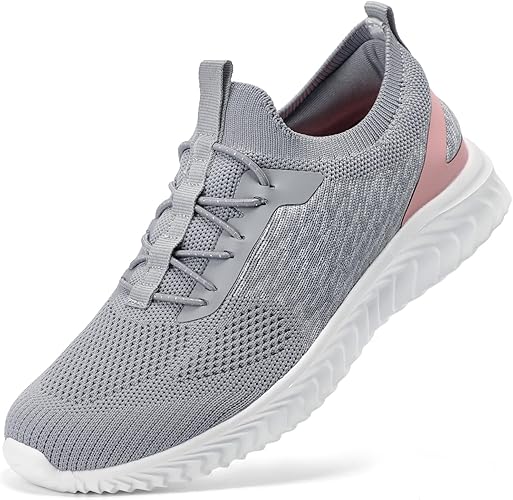
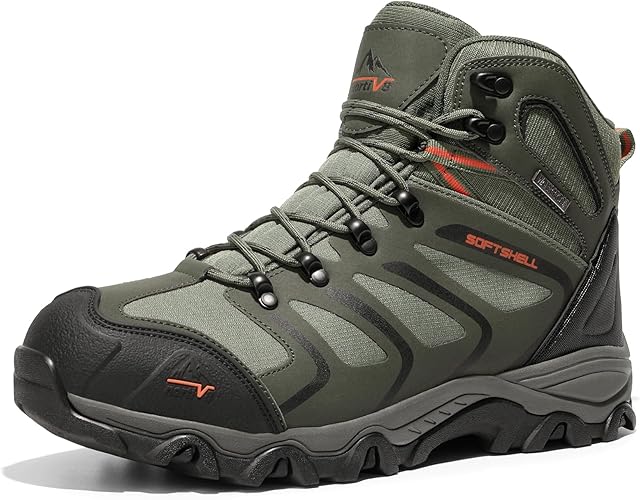
Insulated, Waterproof Boots
Your boots should:
-
Fit comfortably inside snowshoe bindings
-
Be waterproof and insulated
-
Provide ankle support
Cold, wet feet can end a trek quickly, so quality footwear is non-negotiable.
Gaiters
High-quality gaiters keep snow out of your boots and protect your lower legs from moisture and wind—especially important in deep snow.
Layered Clothing System for Long Winter Hikes
Base Layer: Moisture Management
Choose merino wool or synthetic base layers that wick sweat away from your skin. Staying dry is critical during extended activity.
Mid Layer: Insulation
Fleece jackets or lightweight insulated tops provide warmth without bulk. Consider a zippered mid-layer for ventilation.
Outer Layer: Weather Protection
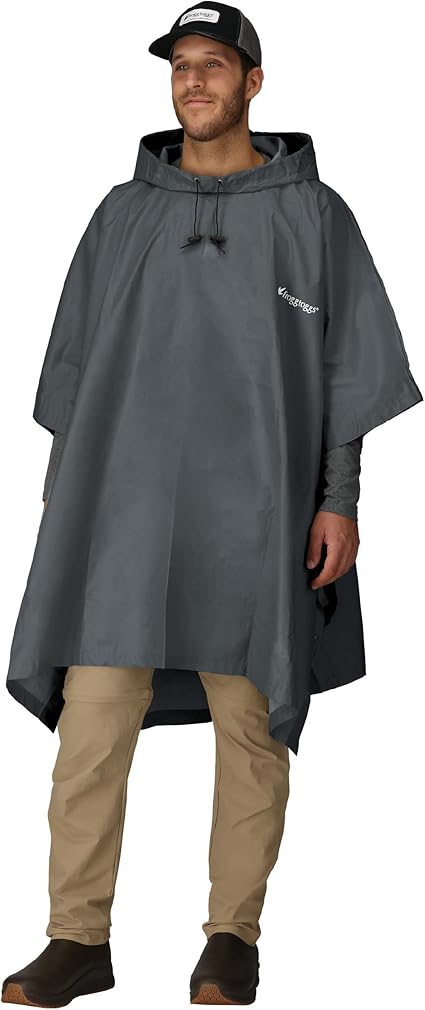
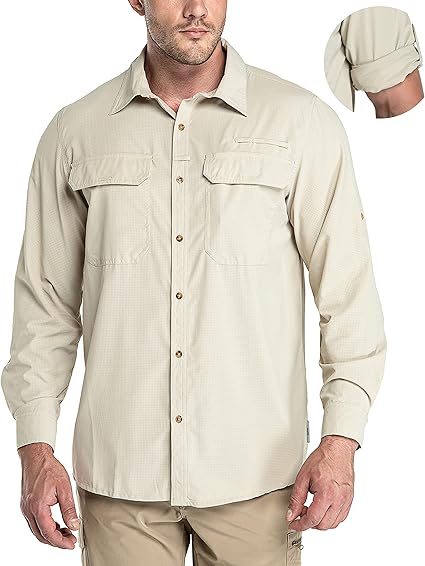
A waterproof, windproof shell jacket and snow pants protect against wind, snowfall, and sudden weather changes.
Extra Insulating Layer
Pack an extra insulated jacket for breaks or emergencies when your body temperature drops quickly.
Accessories for Cold-Weather Comfort
Gloves & Mittens
Bring two pairs:
-
Insulated gloves for movement
-
Heavier mittens for rest stops
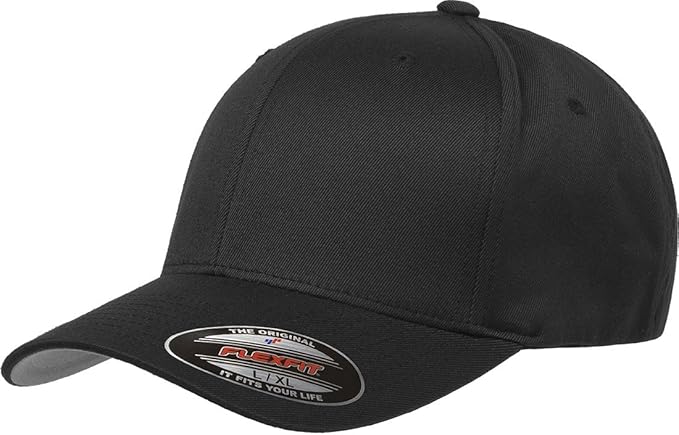
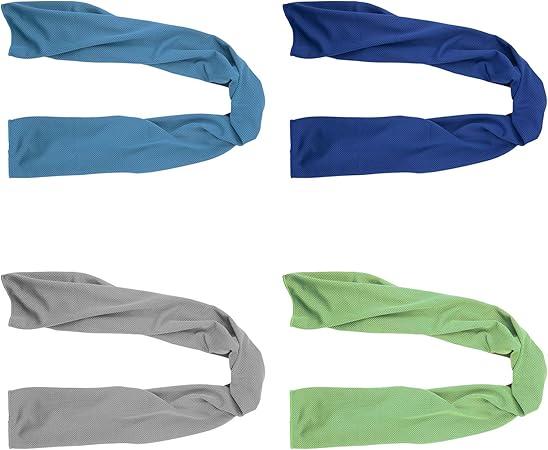
Hat & Neck Protection
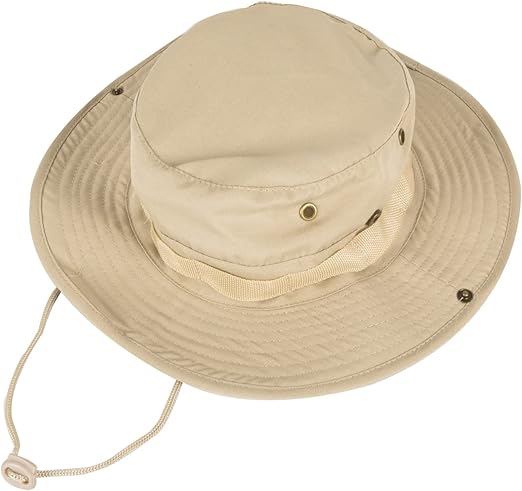
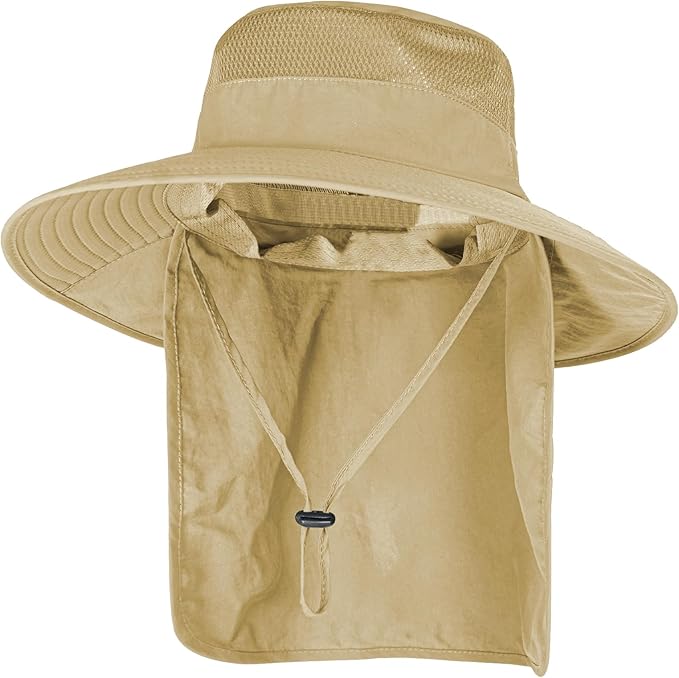
A thermal beanie and neck gaiter protect against heat loss and windburn.
Sunglasses or Goggles
Snow glare can cause eye strain or snow blindness. UV-protected eyewear is essential.
Safety Gear for Snowshoe Trail Challenges
Navigation Tools
Carry:
-
Offline maps or a GPS device
-
Compass as backup
Snow-covered trails can obscure signage and landmarks.
Headlamp
Short winter days make a headlamp essential, even for daytime treks. Always carry spare batteries.
First-Aid Kit
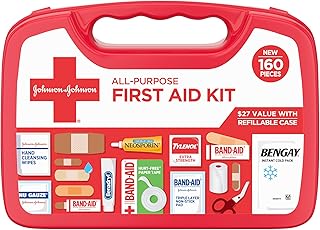
Include blister care, bandages, antiseptic wipes, pain relief, and personal medication.
Emergency Shelter
A compact bivy sack or emergency blanket provides life-saving protection if conditions worsen.
Whistle & Emergency Signal
A whistle is lightweight and effective for signaling in low-visibility conditions.
Hydration & Nutrition for Endurance
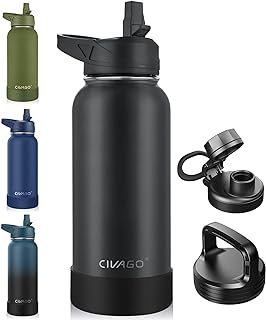
Insulated Water Bottles
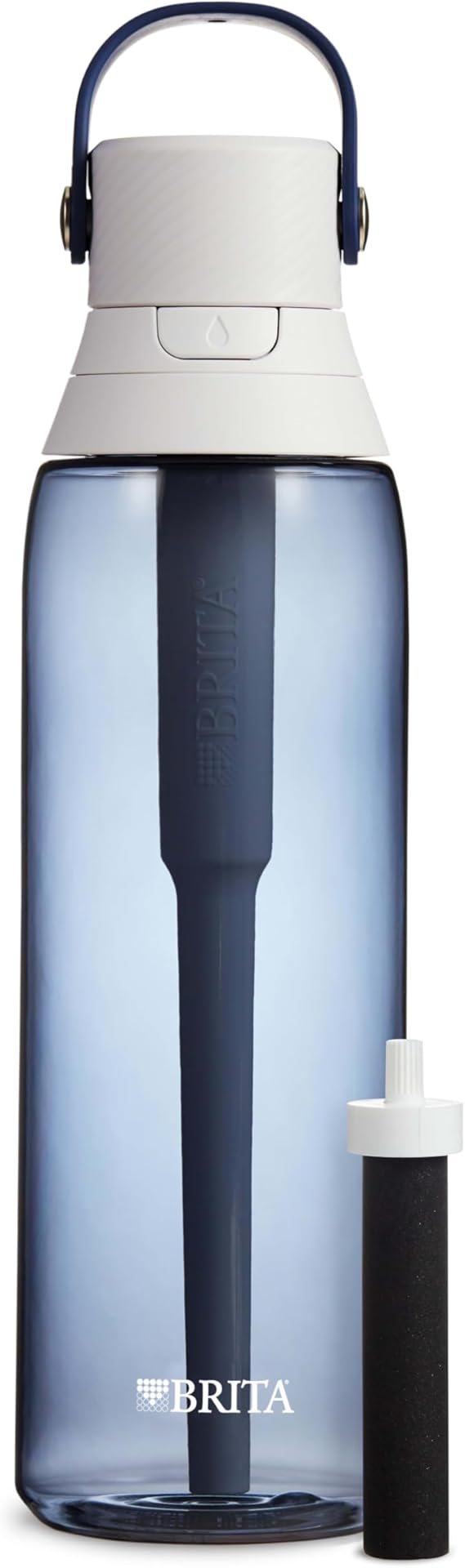
Use insulated bottles or hydration sleeves to prevent freezing. Avoid hydration bladders unless specially designed for winter.
High-Energy Food
Pack calorie-dense snacks such as:
-
Trail mix
-
Energy bars
-
Nut butter packets
-
Jerky
-
Chocolate
Cold weather increases calorie burn fuel consistently.
Thermos with Warm Drinks
Warm liquids help maintain body temperature and boost morale during long treks.
Backpack Essentials
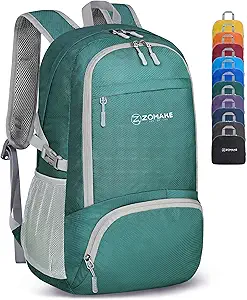
Winter-Ready Day Pack
Choose a pack with:
-
25–35L capacity for long day treks
-
External straps for snowshoes or poles
-
Water-resistant material
-
Comfortable waist and chest straps
Trekking Poles
Snowshoe-specific trekking poles improve balance, reduce knee strain, and help navigate uneven terrain.
Optional but Valuable Extras
Repair Kit
Include duct tape, zip ties, and spare straps for quick fixes.
Extra Socks
Dry socks can prevent frostbite and blisters if your feet get wet.
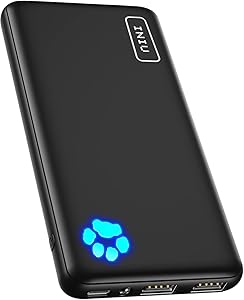
Power Bank
Cold drains phone batteries quickly. Keep power banks insulated.
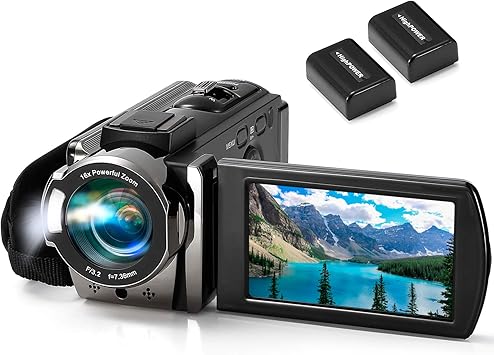
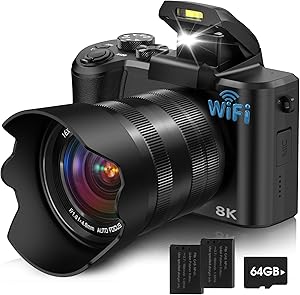
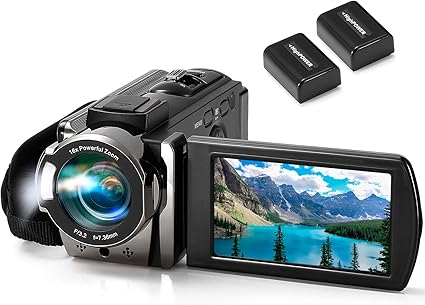
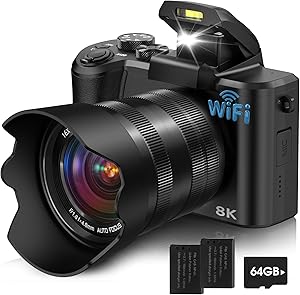
Camera or Action Cam
Winter landscapes are stunning just protect electronics from cold exposure.
What to Leave Behind
Avoid unnecessary weight by skipping:
-
Heavy cotton clothing
-
Large, non-essential gadgets
-
Glass containers
-
Excessive duplicates
Minimalism improves endurance on long snowshoe treks.
Tips for a Successful Long Snowshoe Trek
-
Start early to maximize daylight
-
Check weather and avalanche conditions
-
Stick to planned routes
-
Take regular breaks to hydrate and eat
-
Adjust layers before sweating heavily
-
Never trek alone in remote areas
Preparation and pacing make long winter treks safer and more enjoyable.
Final Thoughts
Snowshoeing trail challenges push your limits but with the right gear, they become unforgettable adventures rather than risky endeavors. Packing smart ensures warmth, safety, and endurance on long winter treks through deep snow and remote terrain.
From snowshoes and layered clothing to navigation tools and emergency gear, every item in your pack plays a role in keeping you confident on the trail. Before stepping into the snow, review your gear, check conditions, and prepare for the journey ahead.
Pack smart. Move steadily. Explore winter safely.