Snow Adventure Essentials: What to Pack for Ice, Snow & Adventure Photography
Snow adventures are unforgettable. From icy mountain trails and frozen lakes to snow-covered forests and winter festivals, snowy landscapes offer some of the most dramatic and beautiful scenery you’ll ever experience. For adventure lovers and photographers alike, winter is a season of contrast soft white snow against bold skies, glittering ice under golden sunlight, and quiet landscapes filled with emotion.
But snow adventures demand preparation. Cold temperatures, slippery terrain, moisture, and limited daylight can quickly turn an exciting trip into a challenging one if you’re not packed properly. Whether you’re hiking through snow, exploring frozen destinations, or heading out to capture epic winter photography, having the right essentials makes all the difference.
This guide covers everything you need to pack for snow, ice, and adventure photography, so you can stay warm, safe, and fully focused on the experience.
Why Packing Right Matters for Snow Adventures
Winter environments are beautiful—but unforgiving. Unlike summer trips, snow adventures test both your endurance and your gear. Poor preparation can lead to:
-
Cold-related fatigue
-
Wet clothing and frozen fingers
-
Drained camera batteries
-
Damaged photography equipment
-
Missed photo opportunities
Packing smart helps you:
-
Stay comfortable for longer outdoor sessions
-
Protect expensive gear from snow and moisture
-
Move confidently on icy terrain
-
Capture better photos without rushing
Think of this as your ultimate winter survival + photography checklist.
1. Clothing Essentials: Dress for Warmth, Mobility & Safety
Layering is the golden rule of snow adventures. The right clothing system keeps you warm without overheating.
Base Layer (Moisture Control)
Your base layer sits closest to your skin and manages sweat.
Pack:
-
Thermal tops and leggings (merino wool or synthetic)
-
Avoid cotton—it traps moisture and makes you colder
Mid Layer (Insulation)
This layer traps body heat.
Pack:
-
Fleece jacket or insulated sweater
-
Lightweight down or synthetic insulated jacket
Outer Layer (Protection)
Your shield against snow, wind, and moisture.
Pack:
-
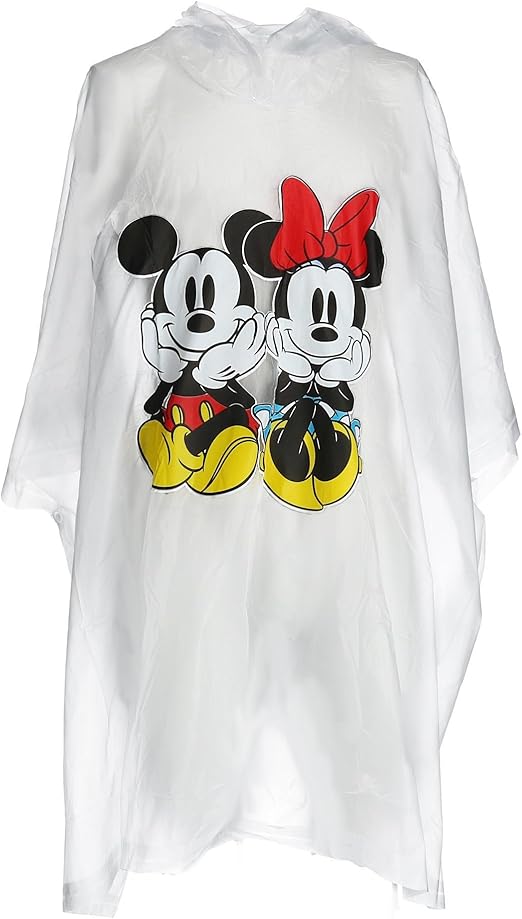
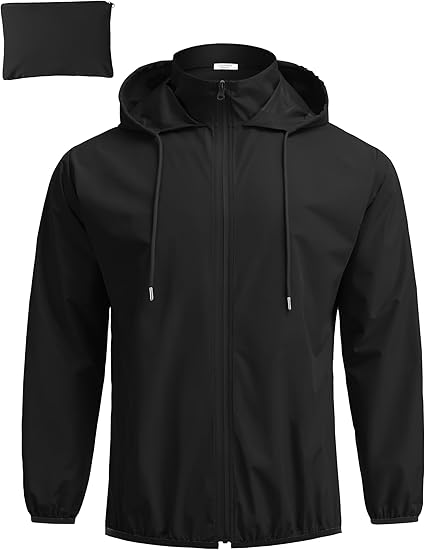
Waterproof, windproof jacket
-
Insulated snow pants or waterproof shell pants
Accessories That Matter
-
Wool socks (pack extra pairs)
-
Waterproof gloves + touchscreen gloves
-
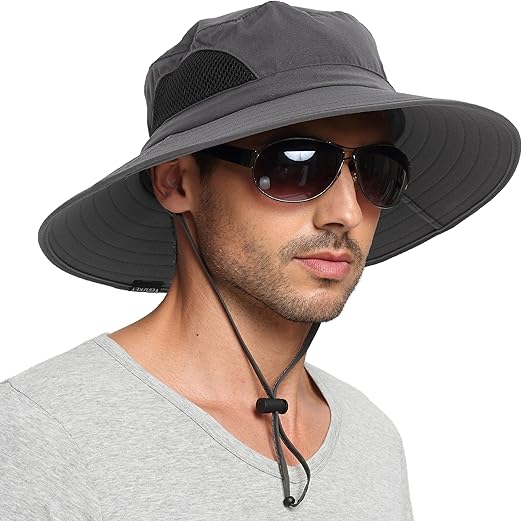
Thermal beanie or insulated hat
-
Neck gaiter or scarf
-
Snow boots with good traction
👉 Pro Tip: Choose gloves that allow camera control without removing them.
2. Footwear & Traction Gear for Ice and Snow
Slipping on ice can ruin your trip—or your gear.
Must-have footwear essentials:
-
Insulated, waterproof snow boots
-
Thick thermal socks
-
Gaiters (to keep snow out while hiking)
Traction tools to pack:
-
Ice cleats or microspikes
-
Trekking poles for balance on snowy trails
These small additions significantly improve safety and confidence on icy terrain.
3. Camera Gear Essentials for Snow Adventure Photography
Winter photography is magical, but cold weather is tough on cameras. Choose gear that performs reliably in extreme conditions.
Camera Body
-
Weather-sealed mirrorless or DSLR preferred
-
Action camera for dynamic adventure shots
Lenses
-
Wide-angle lens for landscapes and mountains
-
Telephoto lens for wildlife and distant peaks
-
Prime lens for low-light winter scenes
Essential Camera Accessories
-
Lens hood (protects from snow glare)
-
UV or protective filter
-
Polarizing filter to reduce snow glare
-
ND filter for long exposure snow shots
4. Battery & Power Management in Cold Weather
Cold drains batteries faster than you expect.
Pack these power essentials:
-
3–4 fully charged camera batteries
-
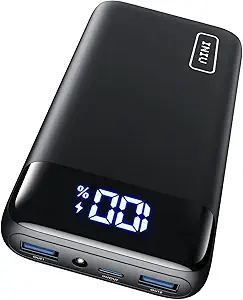
Power bank for camera, phone, and action cam
-
Insulated battery pouch
👉 Pro Tip: Keep spare batteries in your inner jacket pocket to stay warm.
5. Camera Protection & Storage Essentials
Snow equals moisture—and moisture is your gear’s enemy.
Protective Gear to Pack
-
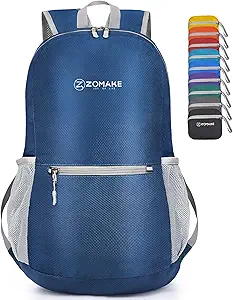
Weatherproof camera backpack
-
Rain/snow cover for your camera
-
Dry bags or zip-lock pouches
-
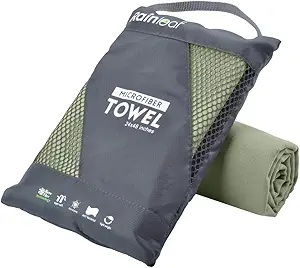
Microfiber cloths for lens cleaning
-
Anti-fog wipes
Condensation Prevention Tip
After shooting in cold conditions, seal your camera in a bag before entering a warm space. Let it acclimate slowly to prevent internal condensation.
6. Tripods & Stability Gear for Snow Photography
Winter photography often means:
-
Low light
-
Long exposures
-
Slippery surfaces
A stable tripod is essential.
Choose:
-
Carbon fiber tripod (better for cold than aluminum)
-
Rubber or spiked tripod feet
-
Snow baskets for tripod legs
This ensures sharp images even in harsh conditions.
7. Navigation & Safety Essentials for Snow Adventures
Snow-covered terrain can hide trails and landmarks. Safety gear is non-negotiable.
Pack these safety essentials:
-
GPS device or offline maps
-
Headlamp or flashlight (short winter days)
-
Whistle and emergency mirror
-
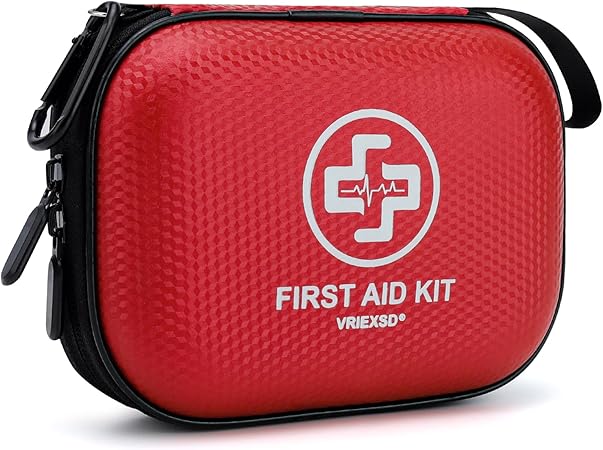
First-aid kit
-
Multi-tool or small knife
-
Emergency blanket
For remote adventures:
-
Avalanche beacon (if applicable)
-
Satellite communicator
8. Food, Hydration & Energy Essentials
Cold weather burns calories fast—even if you don’t feel sweaty.
What to Pack
-
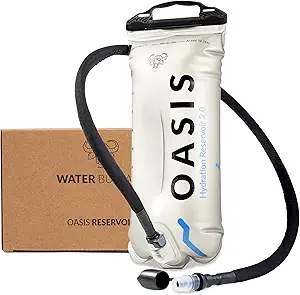
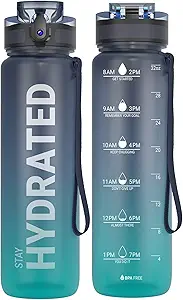
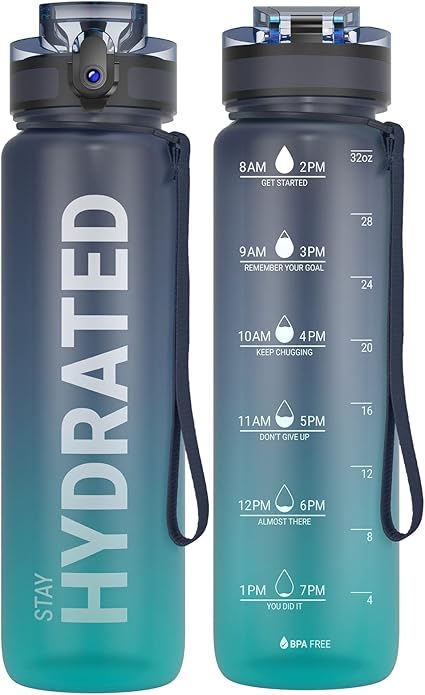
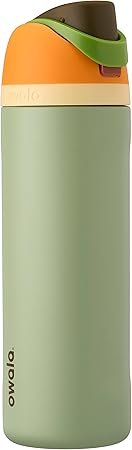
Insulated water bottle (prevents freezing)
-
Thermos with hot tea, coffee, or soup
-
High-energy snacks:
-
nuts
-
protein bars
-
trail mix
-
chocolate
-
👉 Pro Tip: Avoid sugary snacks alone—pair them with protein for sustained energy.
9. Personal Care & Comfort Items
Small comforts go a long way in cold environments.
Pack these extras:
-
Hand and toe warmers
-
Lip balm with SPF
-
Sunscreen (snow reflects UV rays)
-
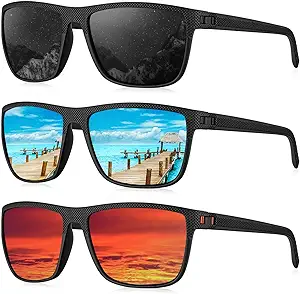
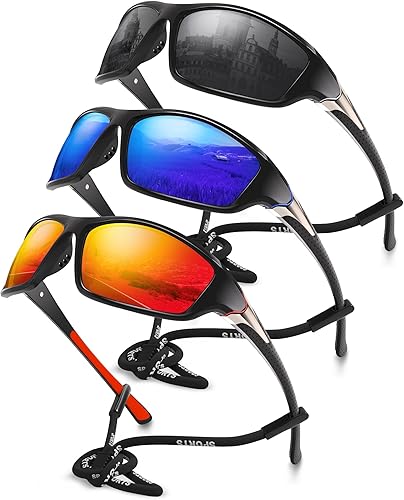
Sunglasses or snow goggles
-
Tissues and wet wipes
10. Adventure Photography Tips for Snow & Ice
Master Snow Exposure
Snow confuses camera meters. Increase exposure compensation (+0.3 to +1 EV) to keep snow bright and natural.
Shoot in RAW
RAW files preserve details in highlights and shadows—essential for snowy scenes.
Watch Your White Balance
Snow can appear blue. Try:
-
Daylight for sunny conditions
-
Cloudy for warmer tones
Capture Motion
-
Freeze falling snow with fast shutter speeds
-
Use slow shutter speeds for dreamy snowfall effects
Use Foreground Elements
Add depth with:
-
footprints
-
trees
-
rocks
-
frozen branches
11. Packing Checklist Summary
Here’s a quick Snow Adventure Essentials Checklist:
Clothing
✔ Thermal layers
✔ Insulated jacket
✔ Waterproof outerwear
✔ Gloves & beanie
✔ Snow boots
Photography Gear
✔ Camera & lenses
✔ Extra batteries
✔ Filters
✔ Tripod
✔ Camera cover
Safety & Navigation
✔ First-aid kit
✔ Headlamp
✔ GPS/maps
✔ Emergency blanket
Comfort & Food
✔ Thermos
✔ Snacks
✔ Hand warmers
12. Best Snow Adventure Experiences for Photographers
Looking for inspiration? Try these snow adventures:
-
Frozen lake photography
-
Snowy mountain hikes
-
Winter wildlife tracking
-
Ice cave exploration
-
Snow festivals and winter markets
Each offers unique textures, lighting, and storytelling opportunities.
Final Thoughts: Be Prepared, Stay Safe & Capture the Magic
Snow adventures combine thrill, beauty, and challenge. With the right packing strategy, you can enjoy the experience without worrying about the cold, slippery terrain, or damaged gear.
Remember:
-
Layer smart
-
Protect your camera
-
Pack extra power
-
Prioritize safety
-
Take your time composing shots
When you’re warm, prepared, and confident, winter landscapes reveal their true magic—and your photos will reflect it.