Ice Skating Gear Guide: What to Pack for a Fun & Safe Outdoor Ice Skating Day
Outdoor ice skating is one of winter’s simplest pleasures. Whether you’re gliding across a frozen lake, skating at a seasonal rink, or enjoying a winter festival, the experience combines fresh air, movement, and scenic winter views. But cold temperatures, slippery surfaces, and unpredictable weather mean that packing the right gear is essential.
This ice skating gear guide covers everything you need to pack to stay warm, safe, and comfortable so you can focus on enjoying your time on the ice.
Why Proper Gear Matters for Outdoor Ice Skating
Unlike indoor rinks, outdoor skating exposes you to:
-
Cold temperatures and wind chill
-
Snow and wet ice
-
Uneven or natural surfaces
-
Limited access to warming areas
The right gear helps prevent:
-
Cold-related discomfort
-
Slips and minor injuries
-
Wet clothing that lowers body temperature
-
Shortened skating sessions
Good preparation turns a chilly outing into a memorable winter activity.
Clothing Essentials for Ice Skating
Base Layers: Stay Warm Without Bulk
Start with a moisture-wicking base layer:
-
Thermal tops and bottoms
-
Merino wool or synthetic fabrics
Avoid cotton—it traps moisture and makes you cold once you start moving.
Insulating Mid Layers
Mid layers trap heat and keep you comfortable:
-
Fleece jackets
-
Lightweight insulated vests
-
Thermal sweaters
Choose layers that allow easy movement.
Outer Layer: Wind & Water Protection
Your outer layer should be:
-
Windproof
-
Water-resistant or waterproof
-
Flexible enough for skating movements
A winter jacket with adjustable cuffs and a high collar works best.
Bottom Wear: Comfort & Mobility
Insulated Pants or Leggings
Choose:
-
Thermal leggings under snow pants
-
Insulated athletic pants
-
Water-resistant winter trousers
Avoid jeans they absorb moisture and restrict movement.
Footwear & Skating Equipment
Ice Skates
Ensure skates are:
-
Properly fitted
-
Sharpened
-
Comfortable for extended wear
Rental skates can work, but personal skates often provide better support.
Socks
Wear:
-
Thick wool or thermal socks
-
One warm pair (avoid doubling up—it restricts circulation)
Dry socks are critical for warmth.
Hand, Head & Face Protection
Gloves or Mittens
Your hands are exposed during skating. Bring:
-
Insulated, waterproof gloves
-
A backup pair if possible
Mittens are warmer but may limit dexterity.
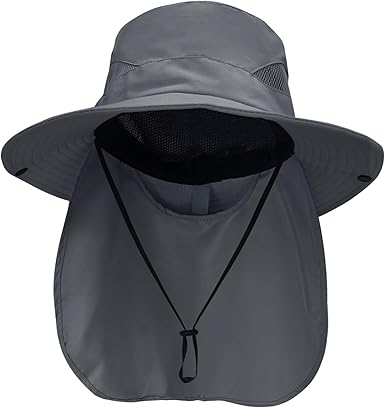
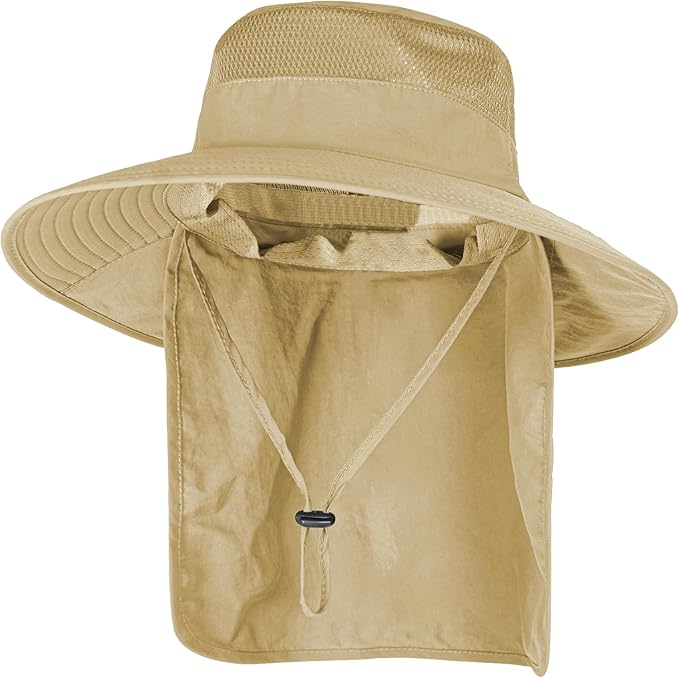
Hat or Beanie
A warm hat:
-
Reduces heat loss
-
Protects ears from wind
Choose a snug fit that stays secure during movement.
Neck Gaiter or Scarf
Protect your neck and face from cold air and wind chill, especially on open ice.
Safety Gear for Outdoor Skating
Helmet (Recommended for Beginners)
A lightweight helmet:
-
Protects against falls
-
Adds confidence for new skaters
Especially important on natural ice or uneven surfaces.
Knee & Elbow Pads (Optional)
Helpful for:
-
Beginners
-
Children
-
Long skating sessions
They add comfort and reduce injury risk.
Accessories That Make a Big Difference
Sunglasses or Clear-Lens Glasses
Snow and ice reflect sunlight. Eye protection reduces glare and eye strain.
Hand & Toe Warmers
Disposable warmers are:
-
Lightweight
-
Affordable
-
Effective for long sessions
Great for extremely cold days.
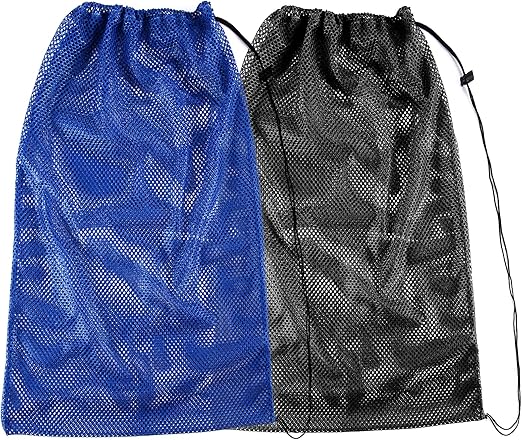
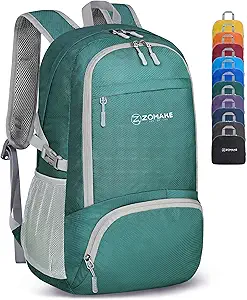
Small Backpack or Tote
Carry:
-
Extra layers
-
Water bottle
-
Snacks
-
Phone and wallet
Choose a compact, lightweight bag.
Hydration & Energy Essentials
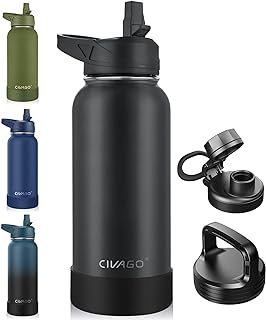
Insulated Water Bottle
Cold weather can freeze standard bottles. Insulated ones keep liquids drinkable.
Easy Snacks
Outdoor skating burns energy. Pack:
-
Granola bars
-
Trail mix
-
Chocolate
-
Energy bites
Choose snacks that won’t freeze solid.
Weather Protection Essentials
Sunscreen & Lip Balm
Winter sun and snow reflection can cause sunburn—even in cold weather.
Tissues & Hand Sanitizer
Useful for cold noses and on-the-go cleanup.
Skating on Frozen Lakes: Extra Precautions
If skating on natural ice:
-
Check ice thickness and safety reports
-
Skate in designated areas
-
Avoid skating alone
-
Carry ice picks or safety spikes if required
Safety should always come first on natural ice.
What Not to Pack
Skip:
-
Cotton clothing
-
Heavy handbags
-
Jewelry
-
Glass containers
Stick to lightweight, functional gear.
Sample Ice Skating Packing Checklist
Clothing
-
Thermal base layers
-
Insulating mid layer
-
Windproof jacket
-
Insulated pants
Gear
-
Ice skates
-
Wool socks
-
Gloves or mittens
-
Hat and neck gaiter
Accessories
-
Sunglasses
-
Hand warmers
-
Small backpack
Extras
-
Water bottle
-
Snacks
-
Sunscreen & lip balm
Tips for a Better Ice Skating Experience
-
Dress in layers so you can adjust
-
Lace skates snugly for ankle support
-
Take breaks to warm up
-
Stay hydrated
-
Don’t skate past your comfort level
Preparation improves both safety and enjoyment.
Final Thoughts
An outdoor ice skating day should be fun, refreshing, and memorable not cut short by cold fingers or uncomfortable gear. Packing the right ice skating essentials ensures you stay warm, safe, and confident on the ice.
With proper layers, protective accessories, and a few smart extras, you can enjoy winter skating to the fullest whether it’s your first time or a seasonal tradition.
Pack smart. Stay warm. Glide safely.