How to Pack for Experiences, Not Just Destinations
The Smarter Way to Travel in 2026
Travel has changed. It’s no longer just about where you go—it’s about what you do, how you feel, and the memories you create. In 2026, travelers are shifting from checklist tourism to experience-driven travel, and that mindset starts before you even leave home—with how you pack.
Packing for experiences instead of destinations means you’re preparing for moments: sunrise hikes, wine tastings, spontaneous swims, slow café mornings, wellness rituals, adventure sports, cultural immersion, and content creation—all without overpacking.
In this guide, we’ll break down how to pack intentionally for experiences, why it’s trending, and how to build a flexible, stress-free packing system that works for any trip.
Why Experience-First Travel Is Trending
1. Travelers Want Meaning, Not Just Photos
Modern travelers—especially Gen Z and Millennials—are prioritizing:
-
Wellness over hustle
-
Memories over souvenirs
-
Presence over perfection
Packing now reflects how you want to live during the trip, not just how you want to look.
2. Rise of Slow Travel & Micro-Experiences
Instead of rushing through cities, travelers are:
-
Staying longer in one place
-
Engaging with local culture
-
Doing hands-on activities (classes, tastings, workshops)
Your suitcase needs to support that flexibility.
3. Social Media Changed Packing Habits
Reels, vlogs, and travel storytelling require:
-
Outfit versatility
-
Functional gear
-
Aesthetic but practical essentials
Destination Packing vs Experience Packing
| Destination Packing | Experience Packing |
|---|---|
| Focuses on location | Focuses on activities |
| Outfit-heavy | Function + versatility |
| “What if I need this?” | “What will I actually do?” |
| Often leads to overpacking | Lighter, smarter bags |
Key mindset shift:
👉 Pack for how you’ll spend your days, not just where you’ll sleep.
Step 1: List Your Core Experiences First
Before packing anything, ask yourself:
-
What are my top 5 experiences on this trip?
-
Will I be:
-
Walking a lot?
-
Swimming?
-
Dining out?
-
Hiking or exploring nature?
-
Relaxing and journaling?
-
Creating content?
-
Example: Vineyard Trip
Experiences might include:
-
Wine tasting
-
Walking through vineyards
-
Long lunches
-
Golden-hour photos
-
Relaxed conversations
Your packing list instantly becomes clearer.
Step 2: Build an Experience-Based Packing System
1. Clothing That Adapts to Activities
Instead of packing “outfits,” pack layers and pieces that mix well.
Experience-friendly clothing checklist:
-
Neutral base tops
-
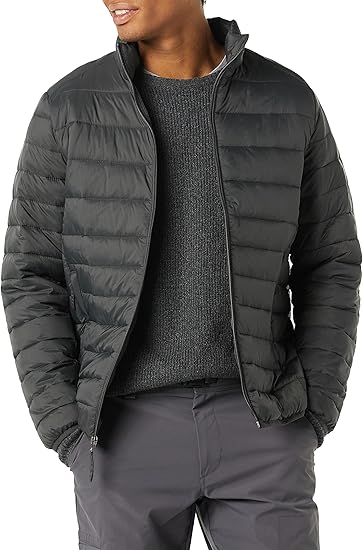
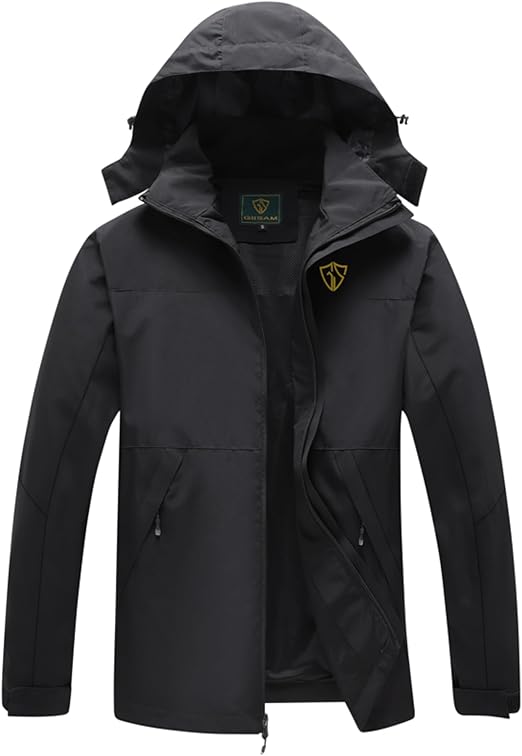
One statement layer (jacket/shawl)
-
Comfortable yet stylish bottoms
-
Shoes that work for walking + style
-
One versatile dress or outfit
💡 Rule of thumb: Every item should work for at least 2 experiences.
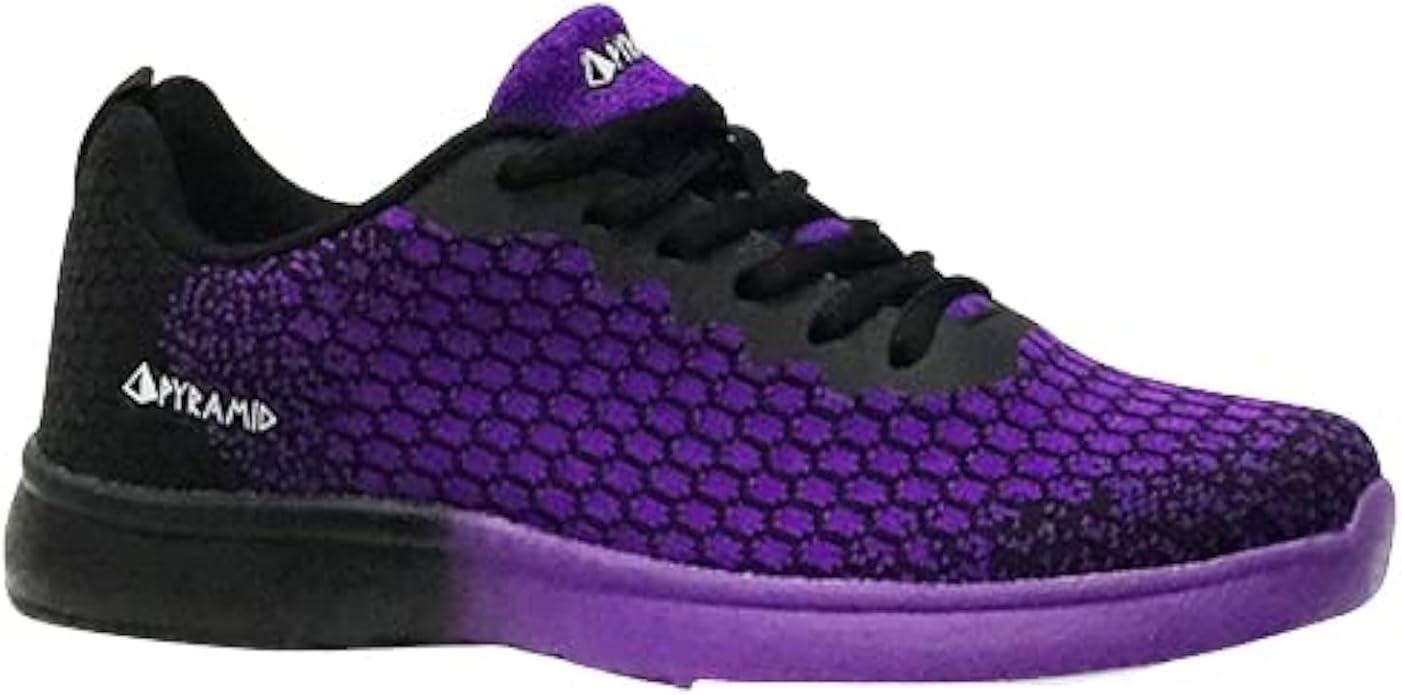
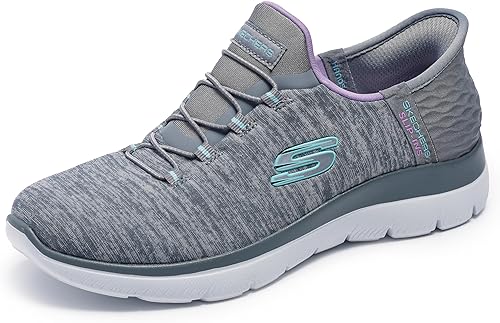
2. Shoes Make or Break Experiences
Overpacking shoes is common—but smart travelers pack by activity:
-
Walking/exploring → cushioned sneakers
-
Casual elegance → loafers/sandals
-
Nature/adventure → trail-friendly shoes
If shoes limit your comfort, they limit your experience.
Step 3: Pack for Comfort, Energy & Wellness
Experiences demand energy—and packing poorly can drain it.
Wellness Essentials Travelers Are Prioritizing
-
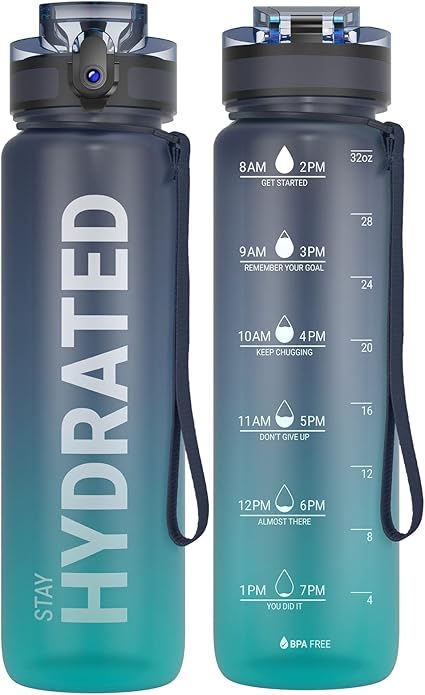
Reusable water bottle
-
Electrolyte packets
-
Eye mask & earplugs
-
Skincare basics (travel sizes)
-
Lip balm & sunscreen
-
Pain relief patches or balm
✨ Wellness is now part of travel luxury.
Step 4: Tech & Tools That Enhance Experiences
Instead of bringing every gadget, pack tools that enhance moments.
Experience-Enhancing Tech
-
Compact power bank
-
Phone tripod (for solo travelers)
-
Noise-canceling earbuds
-
Kindle or e-reader
-
Offline maps & playlists downloaded
Less screen time, more intentional use.
Step 5: Pack for Weather and Mood
Weather affects experiences—but so does mood.
Smart Mood-Based Additions
-
Cozy layer (even in warm destinations)
-
Journal or planner
-
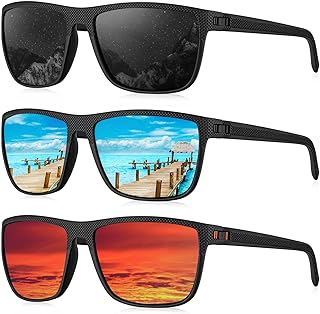
Sunglasses that don’t pinch
-
Scarf that doubles as blanket/style piece
Packing comfort items reduces stress and decision fatigue.
Step 6: Activity-Specific Mini Kits
This is a huge 2026 trend: packing mini kits inside your bag.
Popular Experience Kits
-
Beach kit: towel, SPF, sunglasses
-
Wellness kit: face mist, lip balm, hand cream
-
Adventure kit: cap, snacks, sunscreen
-
Dining kit: wipes, lip balm, compact mirror
-
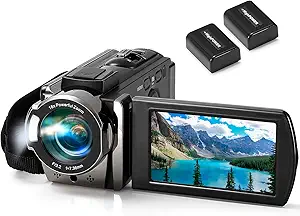
Content kit: tripod, power bank, lens cloth
Mini kits = faster transitions + better experiences.
Step 7: Leave Space for Spontaneity
Overpacked bags limit flexibility.
Why Space Matters
-
Unexpected shopping
-
Weather changes
-
New plans
-
Souvenirs with meaning
Packing lighter gives you freedom to say yes.
Step 8: Sustainable Packing = Better Experiences
Experience-driven travelers are also eco-conscious.
Sustainable Packing Choices
-
Reusable toiletry bottles
-
Solid shampoo/conditioner
-
Multi-use products
-
Tote bag for shopping
-
Laundry soap sheets
Less waste = less worry = better travel flow.
Experience-Based Packing Examples
✨ City Break
Focus on:
-
Walkable shoes
-
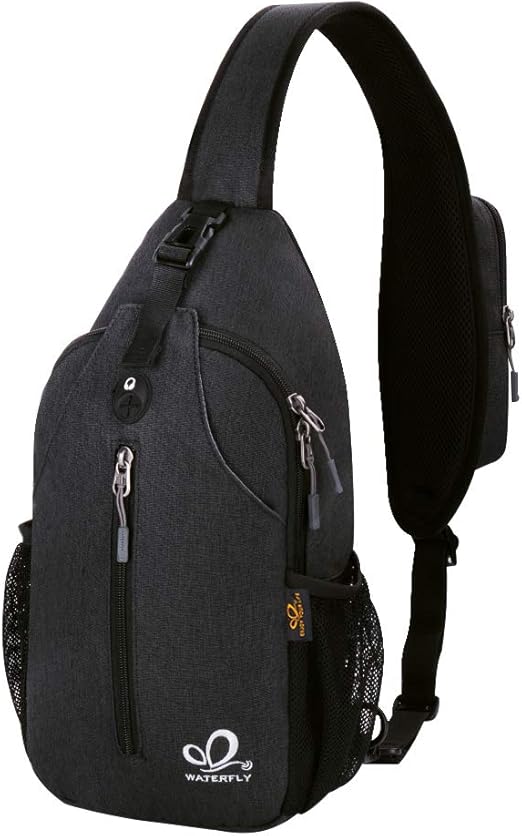
Crossbody bag
-
Layered outfits
-
Power bank
🌿 Nature Retreat
Focus on:
-
Breathable fabrics
-
Weather layers
-
Refillable bottle
-
Journal
🍷 Vineyard / Luxury Day Trip
Focus on:
-
Polished but comfy outfits
-
Sun protection
-
Light jacket
-
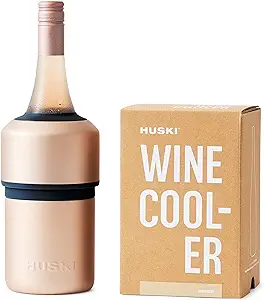
Wine-friendly accessories
✈️ Long-Haul Travel
Focus on:
-
Sleep comfort
-
Compression socks
-
Skincare basics
-
Entertainment kit
Common Packing Mistakes to Avoid
-
Packing for “just in case”
-
Ignoring comfort for style
-
Forgetting downtime items
-
Overpacking shoes
-
Not considering transitions (day → evening)
Remember: Your bag should support your day, not slow it down.
Final Thoughts: Pack for the Life You Want to Live on the Trip
When you pack for experiences:
-
You feel lighter
-
You move more freely
-
You say yes more often
-
You stress less
-
You enjoy more
Travel isn’t about having more things—it’s about being present for moments.
So next time you pack, don’t ask:
❌ “What should I bring?”
Ask instead:
✅ “What do I want to experience?”
That’s how meaningful travel begins. ✨