Day Trip Winter Hiking Pack: What to Bring for Comfort, Safety & Scenic Views
Winter day hikes offer some of the most beautiful and peaceful outdoor experiences of the year. Snow-covered trails, frozen waterfalls, and crisp mountain air create unforgettable scenery without the commitment of overnight camping. But winter conditions also bring unique challenges, making a well-packed day hiking bag essential.
Whether you’re heading out for a few hours or a full winter day hike, this guide covers exactly what to bring for comfort, safety, and scenic enjoyment on snowy trails.
Why a Day Trip Winter Hiking Pack Matters
Even short winter hikes can turn risky without proper preparation. Cold temperatures, icy terrain, and early sunsets mean there’s little room for error. A thoughtfully packed day hiking bag helps you:
-
Stay warm without overheating
-
Maintain traction and balance on snow and ice
-
Stay hydrated and energized
-
Handle unexpected weather or delays
With the right essentials, winter hiking becomes enjoyable rather than stressful.
Clothing Layers: Stay Warm and Adaptable
Base Layer: Moisture Management
Your base layer regulates body temperature by wicking sweat away from your skin.
-
Thermal tops and bottoms
-
Merino wool or synthetic fabrics
-
Avoid cotton, which traps moisture
A dry base layer prevents chills during breaks.
Mid Layer: Insulation
This layer traps heat while allowing airflow.
-
Fleece jacket or insulated pullover
-
Lightweight down or synthetic jacket (optional)
Choose layers that are easy to remove or add as conditions change.
Outer Layer: Weather Protection
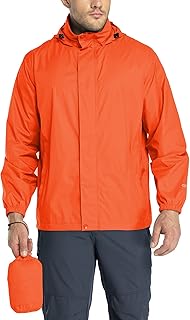
Your outer shell protects against snow, wind, and moisture.
-
Waterproof, windproof jacket
-
Snow-resistant hiking pants
Even on clear days, winter weather can shift quickly.
Footwear & Traction: Stability Is Everything
Winter Hiking Boots
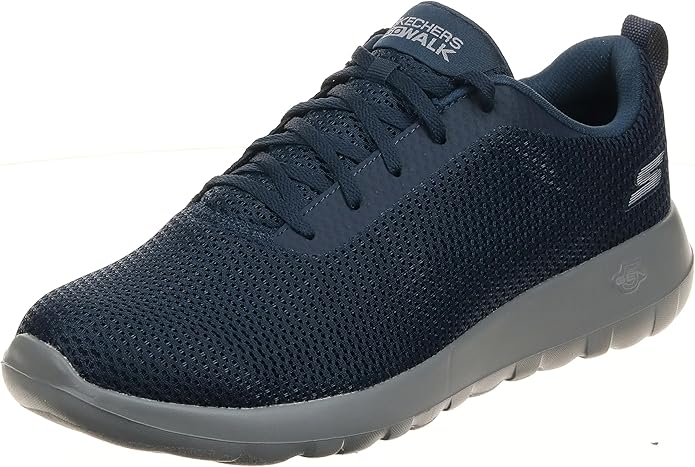
Footwear is one of the most important items in your pack.
-
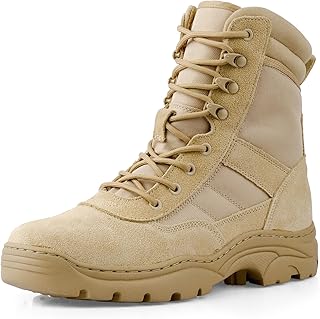
Waterproof, insulated hiking boots
-
Ankle support for uneven terrain
-
Wool or thermal socks
Pack an extra pair of socks in case your feet get wet.
Traction Devices
Snow and ice make trails slippery and unpredictable.
-
Microspikes or traction cleats
-
Optional gaiters to keep snow out
Traction devices are lightweight but crucial for safety.
Cold Weather Accessories: Don’t Skip the Small Stuff
-
Insulated gloves or mittens
-
Extra glove liners
-
Beanie or thermal hat
-
Neck gaiter or scarf
-
Sunglasses (snow glare can be intense)
Exposed skin loses heat quickly, even on mild winter days.
Backpack Essentials for a Winter Day Hike
Hydration
Cold weather can reduce thirst, but dehydration still happens.
-
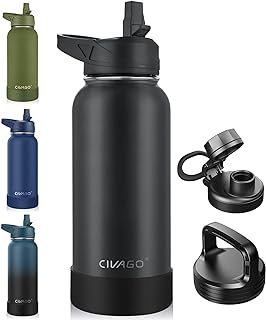
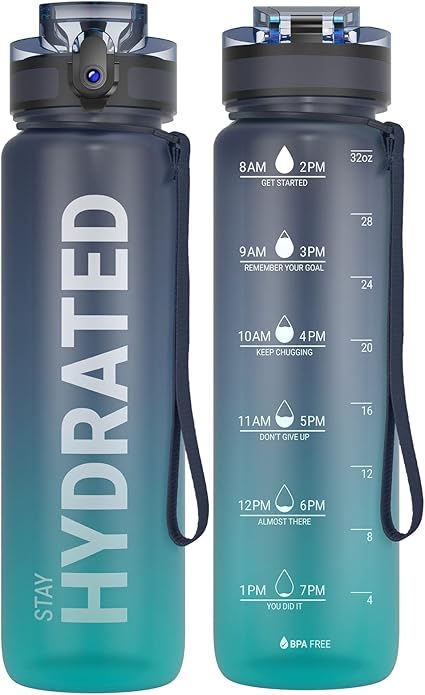
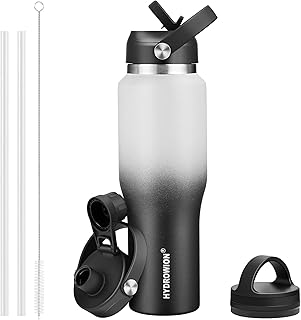
Insulated water bottle
-
Thermos with hot tea, coffee, or soup
Avoid standard hydration hoses unless they’re insulated.
Food & Energy
Winter hiking burns more calories.
-
Energy bars or protein snacks
-
Trail mix or nuts
-
Chocolate or energy bites
High-calorie snacks help maintain warmth and energy.
Navigation & Technology
Snow can obscure trail markers.
-
Offline trail maps or GPS app
-
Fully charged phone
-
Portable power bank
Always share your hiking plan with someone before you go.
Safety & Emergency Gear: Essential for Any Winter Hike
Never assume a short hike won’t require safety gear.
-
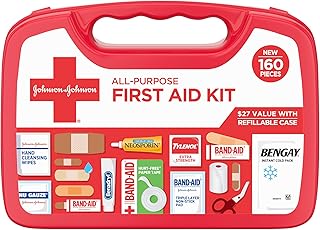
Compact first-aid kit
-
Emergency blanket or bivy sack
-
Headlamp or flashlight (short daylight hours)
-
Whistle for emergencies
These items can be lifesaving in unexpected situations.
Comfort & Scenic Extras
Enhance your winter hiking experience with a few extras.
-
Hand and toe warmers
-
Sunscreen and SPF lip balm
-
Small microfiber towel
-
Lightweight sit pad for scenic breaks
These items help you enjoy the scenery longer without discomfort.
Optional Gear for Certain Conditions
Depending on trail difficulty and snow depth, consider:
-
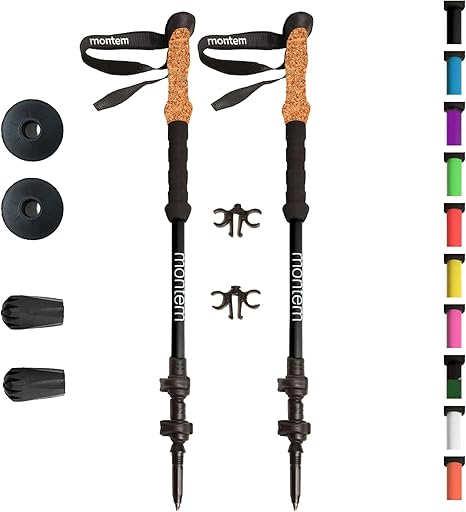
Trekking poles with snow baskets
-
Snowshoes for deep snow
-
Windproof face mask
Adapt your pack to the trail and weather conditions.
Winter Day Hiking Checklist (Quick Recap)
Clothing
-
Thermal base layers
-
Insulating mid-layer
-
Waterproof outer shell
Footwear
-
Insulated boots
-
Wool socks
-
Traction devices
Backpack
-
Insulated water bottle
-
High-energy snacks
-
Navigation tools
Safety
-
First-aid kit
-
Emergency blanket
-
Headlamp
Tips for a Successful Winter Day Hike
-
Check weather and trail conditions before leaving
-
Start early to maximize daylight
-
Take regular breaks to avoid sweating too much
-
Turn back if weather worsens
-
Stay on marked winter trails
Winter hiking is about preparation, not speed.
Final Thoughts: Pack Smart, Hike Confidently
A winter day hike doesn’t have to be extreme to be memorable. With the right packing strategy, even short trips offer incredible scenery, fresh air, and peaceful moments in nature. A well-organized winter hiking pack keeps you safe, comfortable, and free to enjoy every step.
Before heading out, review your checklist, check the forecast, and pack intentionally. When comfort and safety are handled, the magic of winter trails truly shines.
Pack smart, step carefully, and enjoy the quiet beauty of winter hiking.