Adventure Vacations for Beginners: Thrill Without the Fear
Adventure travel doesn’t have to mean jumping off cliffs, battling wild rivers, or surviving on protein bars in the jungle. For beginners, adventure vacations are less about fear and more about trying something new, stepping outside your comfort zone, and discovering what you’re capable of safely.
If you’ve ever scrolled through travel photos and thought, “That looks exciting… but also terrifying,” this guide is for you. Let’s explore how first-time adventurers can enjoy thrills without panic, pressure, or risk overload.
What Is an Adventure Vacation (for Beginners)?
An adventure vacation combines physical activity, nature, and new experiences, but at a pace that feels achievable. For beginners, it focuses on:
-
Low-to-moderate intensity activities
-
Professional guides and safety support
-
Short durations and flexible difficulty levels
-
Comfort balanced with excitement
Think kayaking on calm waters, hiking scenic trails, or zip-lining through forests not extreme survival challenges.
Why Adventure Travel Is Perfect for First-Timers
1. Builds Confidence
Trying something new especially outdoors creates a sense of achievement. Even small wins like completing a trail hike or paddling a kayak can boost confidence.
2. Breaks Routine Without Overwhelm
Adventure travel offers a break from daily life without requiring advanced skills or intense training.
3. Connects You With Nature
Nature reduces stress and anxiety. Beginner adventures let you enjoy the outdoors without discomfort.
4. Creates Meaningful Memories
Shared adventures often become the most talked-about travel stories—even when they’re simple.
Best Beginner-Friendly Adventure Activities
1. Hiking & Nature Walks
Why it’s ideal: Low cost, flexible pace, and easy to customize.
Start with:
-
Well-marked trails
-
Short distances (3–5 km)
-
Gentle elevation gains
Popular beginner hiking destinations often include national parks, hill stations, and coastal paths.
2. Kayaking or Canoeing (Calm Waters)
Why it’s ideal: Peaceful, scenic, and surprisingly easy to learn.
Best for beginners:
-
Lakes, backwaters, or slow rivers
-
Tandem kayaks (shared effort)
-
Guided sessions
Kayaking offers adventure without speed or danger—and plenty of photo moments.
3. Zip-Lining
Why it’s ideal: Big thrill, minimal effort.
You’re securely harnessed, guided by professionals, and the activity lasts only seconds—perfect for conquering fear quickly.
4. Snorkeling
Why it’s ideal: Explore underwater life without deep diving.
Beginner tips:
-
Choose shallow reefs
-
Use life jackets if needed
-
Go with certified instructors
It’s calm, colorful, and far less intimidating than scuba diving.
5. Cycling Tours
Why it’s ideal: Familiar activity, adventurous setting.
Great for beginners:
-
Countryside or coastal routes
-
Flat terrain
-
Short daily distances
Cycling tours often include rest stops, meals, and support vehicles.
6. Camping (With Comfort)
Why it’s ideal: Adventure without giving up basics.
Beginner-friendly options include:
-
Glamping
-
Campsites with facilities
-
Organized group camping
You get nature, bonfires, and stargazing—without survival stress.
Top Beginner Adventure Destinations
1. Mountains & Hill Stations
Perfect for hiking, nature walks, and light trekking with breathtaking views.
2. Beaches & Coastal Regions
Ideal for kayaking, snorkeling, paddleboarding, and cycling.
3. Forest Retreats & National Parks
Great for wildlife safaris, guided walks, and eco-adventures.
4. Countryside & Rural Escapes
Perfect for cycling, farm stays, and cultural exploration with a gentle adventurous touch.
How to Choose the Right Adventure Vacation
1. Be Honest About Your Comfort Level
Adventure should excite you—not terrify you. Choose activities that challenge you slightly, not overwhelmingly.
2. Start Small
Your first adventure doesn’t need to be a week-long expedition. Even a 2–3 day trip is enough.
3. Look for Guided Experiences
Certified guides ensure safety, instructions, and confidence.
4. Read Reviews & Safety Info
Check difficulty levels, age limits, and beginner suitability before booking.
Packing Tips for Beginner Adventurers
Packing right can make or break your experience.
Essentials:
-
Comfortable clothing
-
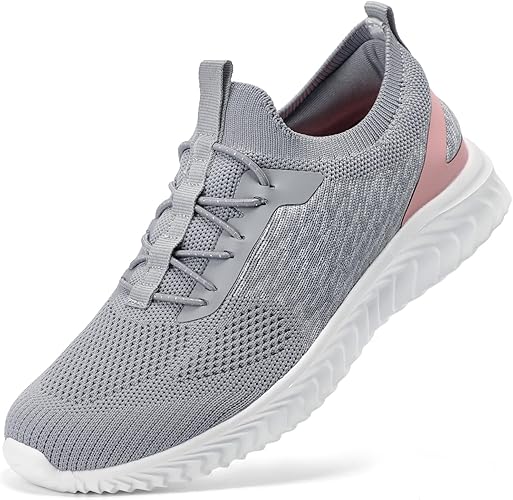
Good walking shoes
-
Light jacket or rainwear
-
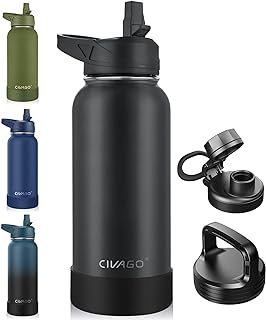
Reusable water bottle
-
Sunscreen and hat
-
Small backpack
Optional Comfort Add-Ons:
-
Trekking poles
-
Quick-dry towel
-
Power bank
-
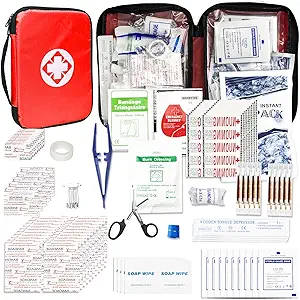
Basic first-aid kit
Pack light—but smart.
Overcoming Fear as a First-Time Adventurer
Fear is natural. The key is managing it—not eliminating it.
Practical Tips:
-
Watch beginner tutorials before the trip
-
Ask guides questions—no question is silly
-
Focus on breathing and staying present
-
Remember: professionals won’t push you beyond safety
Often, fear disappears once you start.
Adventure Travel Myths (Debunked)
Myth 1: Adventure travel is only for fit people
Truth: Beginner adventures are designed for all fitness levels.
Myth 2: It’s dangerous
Truth: Guided beginner activities prioritize safety above all.
Myth 3: You need expensive gear
Truth: Most beginner trips provide equipment or require minimal gear.
Myth 4: You must be fearless
Truth: Fear is part of the experience—and overcoming it is the reward.
Sample Beginner Adventure Itineraries
3-Day Soft Adventure Getaway
-
Day 1: Nature walk + local exploration
-
Day 2: Kayaking or cycling + relaxation
-
Day 3: Light hike + cultural visit
5-Day Beginner Adventure Trip
-
Guided hikes
-
One water-based activity
-
One thrill activity (zip-line or snorkel)
-
Free relaxation days
Why Adventure Vacations Are Worth Trying (At Least Once)
Adventure vacations help you:
-
Discover new strengths
-
Build resilience
-
Gain confidence
-
Create unforgettable memories
You don’t need to be bold, fearless, or athletic. You just need curiosity.
Final Thoughts: Start Where You Are
Adventure isn’t about how extreme your trip looks on social media. It’s about personal growth, joy, and trying something new on your terms.
Start small. Choose comfort with a dash of thrill. Trust the process.
Your first adventure vacation doesn’t have to scare you it just has to inspire you.