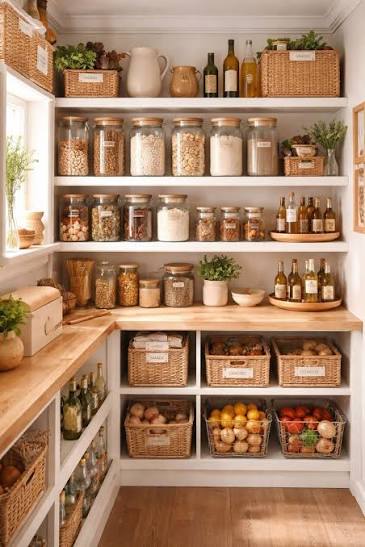
How to Organize Your Pantry Like a Pro: Simple Tips for a Clutter-Free Kitchen
Introduction
An efficiently arranged pantry can make your entire kitchen routine smoother. When every ingredient has a designated place, you spend less time searching through crowded shelves and more time enjoying the cooking process.
Many kitchens face similar challenges, including overflowing storage areas, forgotten items hidden behind newer purchases, messy packaging, and limited shelf space. However, creating a functional pantry does not require expensive renovations or a complete kitchen makeover.
With a thoughtful organization system, smart storage techniques, and a little decluttering, you can transform even a small pantry into a practical space that saves time and reduces daily frustration.
Professional organizers focus on one key principle: every item should have a clear purpose and a dedicated location. By arranging your pantry according to your cooking habits, you can improve efficiency, reduce food waste, and maintain a cleaner kitchen environment.
In this guide, you will discover practical pantry organization strategies that help create a tidy, accessible, and easy-to-maintain kitchen storage system.
1. Start by Completely Emptying Your Pantry
The first step to organizing your pantry is removing everything. Trying to organize shelves while items are still inside usually leads to temporary improvements rather than a lasting solution.
Take everything out and place items on your kitchen counter or a large table. This allows you to see exactly what you own and identify problem areas.
While emptying your pantry, separate items into categories:
-
Dry foods
-
Snacks
-
Baking ingredients
-
Spices and seasonings
-
Canned goods
-
Breakfast items
-
Cooking essentials
-
Kitchen supplies
This process helps you understand what storage system will work best for your space.
Before putting anything back, clean all shelves and corners. Remove crumbs, dust, and spills so you are starting with a fresh foundation.
2. Check Expiration Dates and Remove Unused Items
A professional pantry organization system starts with removing unnecessary items.
Check every product before returning it to your shelves. Throw away expired food and separate items you no longer use.
Many kitchens become cluttered because people continue adding new groceries without checking what they already have.
Consider creating three groups:
Keep
Items you regularly use and need in your kitchen.
Donate
Unopened items that are still safe to consume but are unlikely to be used.
Discard
Expired products or damaged packaging.
Decluttering your pantry not only creates more space but also makes it easier to see what you actually need when shopping.
3. Create Pantry Zones Based on Usage
One of the biggest secrets of professionally organized kitchens is creating zones.
Instead of storing items randomly, group similar products together based on how you use them.
Cooking Zone
Keep frequently used cooking ingredients together:
-
Oils
-
Spices
-
Sauces
-
Pasta
-
Rice
-
Cooking essentials
Place these items near your preparation area so they are easy to access while cooking.
Baking Zone
Create a dedicated section for baking supplies:
-
Flour
-
Sugar
-
Baking powder
-
Chocolate chips
-
Measuring tools
Keeping baking ingredients together prevents unnecessary searching when preparing recipes.
Snack Zone
A snack section makes it easier for families to find everyday items:
-
Chips
-
Crackers
-
Nuts
-
Granola bars
-
Cookies
Breakfast Zone
Store morning essentials together:
-
Coffee
-
Tea
-
Cereals
-
Oatmeal
-
Breakfast ingredients
Organizing your pantry by activity makes your kitchen workflow much smoother.
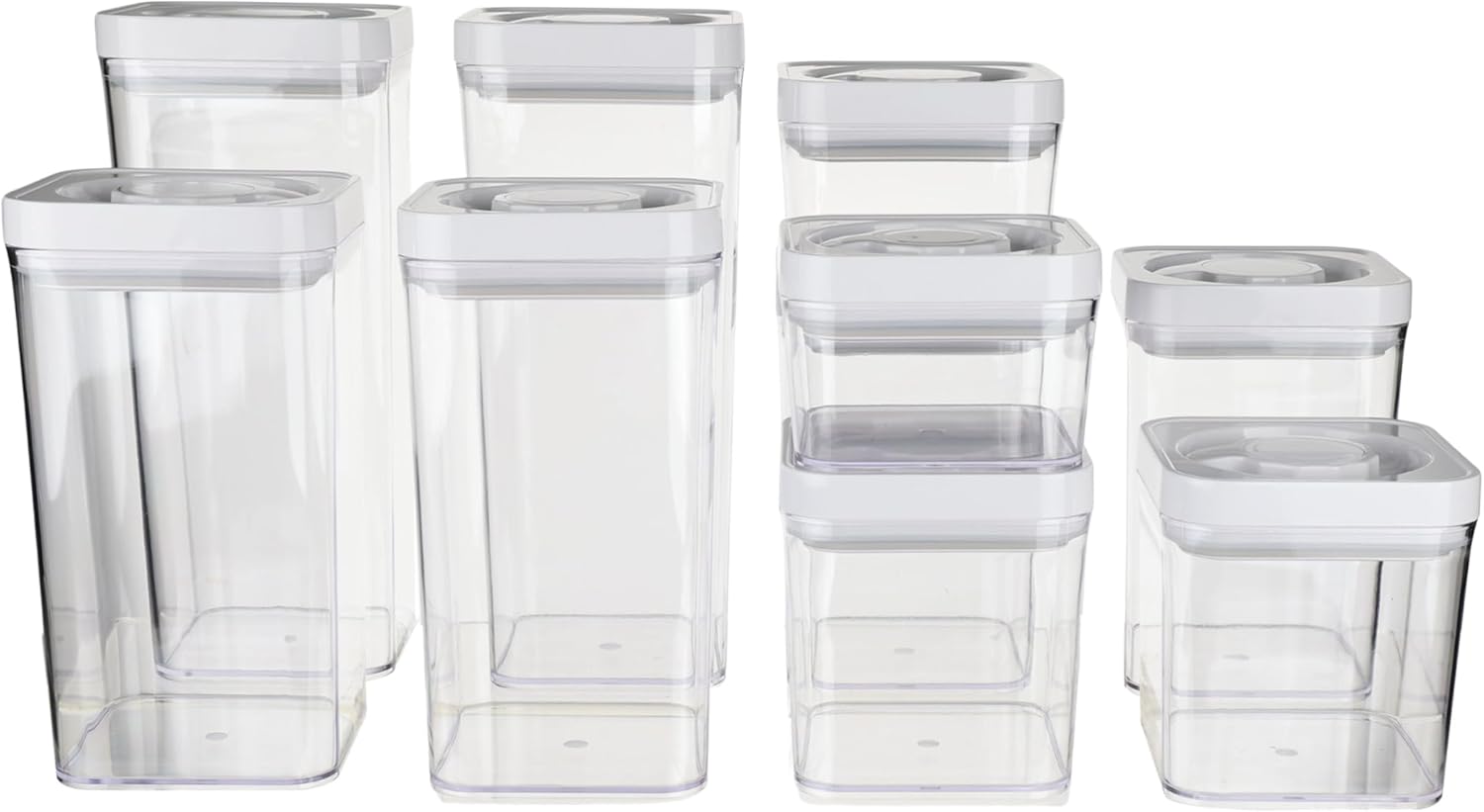
4. Use Clear Containers for Better Visibility
One of the most effective pantry organization upgrades is replacing original packaging with clear storage containers.
Transparent containers allow you to quickly see what you have without opening multiple packages.
Benefits include:
-
Easier inventory management
-
Cleaner appearance
-
Better use of shelf space
-
Protection from moisture
-
Reduced food waste
Popular items to store in containers include:
-
Pasta
-
Rice
-
Flour
-
Sugar
-
Cereals
-
Snacks
-
Baking ingredients
Choose containers that stack easily and match the size of your pantry shelves.
However, you do not need to transfer every item. Focus on products you use frequently or items that come in bulky packaging.
5. Maximize Vertical Space
Many pantries waste valuable space because shelves are not used efficiently.
Professional organizers often focus on using vertical storage.
Some practical solutions include:
Shelf Risers
Shelf risers create additional levels, allowing you to store more items without stacking products unsafely.
They work especially well for:
-
Canned goods
-
Spices
-
Small jars
Stackable Containers
Stackable storage containers help maximize shelf height and keep similar items together.
Door Storage
If your pantry has a door, use that space for:
-
Spices
-
Small snacks
-
Measuring tools
-
Kitchen accessories
Making use of vertical space can significantly increase your pantry capacity.
6. Arrange Items Based on Frequency of Use
A common mistake is placing rarely used items in convenient locations while everyday essentials are difficult to reach.
A professional pantry follows a simple rule:
Eye-Level Shelves
Store frequently used items here.
Examples:
-
Coffee
-
Snacks
-
Cooking ingredients
-
Breakfast items
Lower Shelves
Use for heavier products:
-
Large containers
-
Appliances
-
Bulk items
Upper Shelves
Reserve for items used occasionally:
-
Seasonal ingredients
-
Extra supplies
-
Special baking products
This approach makes your daily routine easier.
7. Use Labels to Maintain Organization
Labels may seem like a small detail, but they make a big difference.
Labels help everyone in your household return items to the correct location.
You can label:
-
Containers
-
Baskets
-
Storage bins
-
Pantry categories
Common pantry labels include:
-
Snacks
-
Baking
-
Breakfast
-
Pasta & Grains
-
Spices
-
Canned Foods
A labeling system also prevents duplicate purchases because you can quickly identify what you already have.
8. Organize Small Items With Baskets and Bins
Small packages often create the most pantry clutter.
Items like snack packets, seasoning packets, and small food packages can easily become messy.
Storage baskets and bins help create structure.
Useful categories include:
-
Kids’ snacks
-
Baking supplies
-
Quick meals
-
Cooking sauces
-
Healthy snacks
Instead of searching through multiple shelves, you can simply pull out a basket and find what you need.
9. Create a Smart Grocery System
An organized pantry should make grocery shopping easier.
Before shopping, quickly check your pantry inventory.
Keep frequently purchased items in a consistent location so you know when supplies are running low.
A simple system:
-
Check pantry before shopping
-
Replace items when running low
-
Keep older products in front
-
Place new items behind older ones
This method follows the “first in, first out” approach used in professional kitchens.
It helps reduce food waste and prevents expired products.
10. Make Space for Everyday Kitchen Essentials
Your pantry should support your cooking habits.
If you regularly use certain items, make sure they are easy to access.
Examples:
-
Coffee and tea station
-
Meal preparation ingredients
-
Baking supplies
-
Cooking oils
-
Favorite snacks
The goal is not just making your pantry look attractive. The goal is creating a system that works for your lifestyle.
11. Pantry Organization Ideas for Small Kitchens
Small kitchens can still have highly functional pantries.
Try these space-saving ideas:
Use Narrow Storage Containers
Slim containers can fit into tight spaces and make shelves easier to organize.
Add Pull-Out Storage
Pull-out organizers make deep shelves easier to access.
Store Vertically
Use stackable solutions instead of spreading items across shelves.
Reduce Duplicate Items
Small kitchens benefit most from intentional shopping habits.
A smaller pantry does not mean less functionality. It means every inch needs to be used wisely.
12. Maintain Your Organized Pantry
The biggest challenge is keeping your pantry organized after the initial cleanup.
A few simple habits can help:
Weekly Reset
Spend a few minutes returning misplaced items.
Monthly Review
Check expiration dates and remove unused products.
Seasonal Cleaning
Reorganize based on changing cooking habits.
A pantry does not stay organized automatically. Small consistent habits create long-term results.
Common Pantry Organization Mistakes to Avoid
Overbuying Storage Containers
Do not purchase containers before understanding your pantry needs.
Organizing Only by Appearance
A beautiful pantry is useful only if it is practical.
Ignoring Expiration Dates
Keeping unused products creates unnecessary clutter.
Storing Everything on the Counter
Not every kitchen item needs to be visible.
Creating a System Nobody Follows
The best organization method is one that works for everyone using the kitchen.
Benefits of an Organized Pantry
A properly organized pantry provides several advantages:
-
Faster meal preparation
-
Less food waste
-
Easier grocery shopping
-
Cleaner kitchen appearance
-
Better use of storage space
-
Less daily stress
Organization is not about perfection. It is about creating a kitchen environment that supports your everyday life.
Frequently Asked Questions
How do I organize my pantry like a professional?
Start by removing everything, decluttering unused items, creating categories, using storage containers, and arranging products based on frequency of use.
What is the best way to organize a small pantry?
Use vertical storage, stackable containers, labeled bins, and keep frequently used items within easy reach.
Should I use containers for pantry organization?
Clear containers are helpful for frequently used dry goods because they improve visibility and keep shelves organized.
How often should I reorganize my pantry?
A quick weekly reset and monthly review can help maintain an organized pantry.
What should go at eye level in a pantry?
Store everyday essentials such as snacks, coffee, cooking ingredients, and frequently used foods at eye level.
Final Thoughts
Learning how to organize your pantry like a pro is not about creating a perfect-looking space. It is about designing a system that makes your kitchen easier to use every day.
By decluttering, creating smart zones, maximizing storage space, and maintaining simple habits, you can turn any pantry into a functional and efficient part of your home.
A well-organized pantry saves time, reduces waste, and makes cooking a more enjoyable experience.