Winter transforms familiar hiking trails into magical landscapes of snow-dusted trees, frozen streams, and quiet, peaceful paths. Unlike intense alpine expeditions, winter wonderland hikes are often beginner-friendly, scenic, and perfect for day trips if you pack smartly. Cold weather adds beauty, but it also demands preparation.
Whether you’re exploring a snowy forest trail, a national park in winter, or a nearby hill after fresh snowfall, this guide breaks down exactly what to pack for comfort, warmth, and safety without overloading your backpack.
Let’s build the ultimate Winter Wonderland Hiking Kit so you can enjoy the views, not worry about the cold.
Why Winter Hiking Requires a Special Packing Strategy
Winter hiking isn’t just summer hiking with a jacket. Snow, ice, shorter daylight hours, and colder temperatures change everything—from footwear to hydration.
Key winter challenges include:
-
Rapid heat loss
-
Slippery or uneven terrain
-
Wet gear from snow melt
-
Faster fatigue in cold air
The good news? You don’t need professional mountaineering equipment. With the right essentials, winter hiking becomes comfortable, safe, and incredibly rewarding.
1. Layered Clothing: The Foundation of Winter Comfort
Layering is the golden rule of winter hiking. It allows you to regulate body temperature as you move, rest, and adapt to changing conditions.
Base Layer (Moisture Control)
Your base layer sits against your skin and should wick sweat, not trap it.
Pack this first:
-
Thermal long-sleeve top (merino wool or synthetic)
-
Thermal leggings or base-layer pants
Avoid cotton—it absorbs moisture and makes you colder.
Mid Layer (Insulation)
This layer traps body heat.
Best options:
-
Fleece jacket
-
Lightweight insulated hoodie
-
Wool sweater (for dry, cold climates)
Choose something breathable—you’ll warm up faster than you expect while hiking.
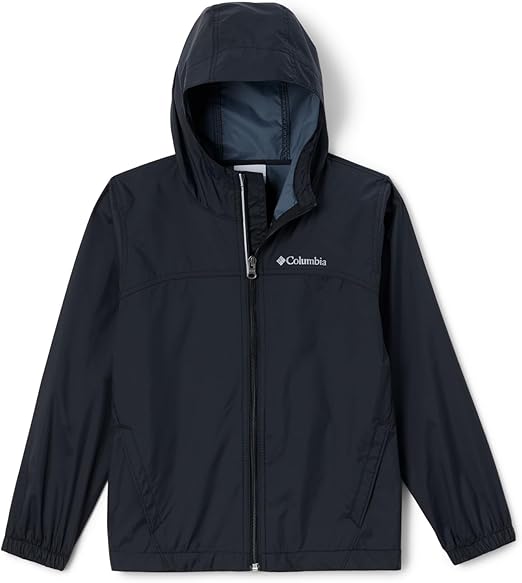
Outer Layer (Weather Protection)
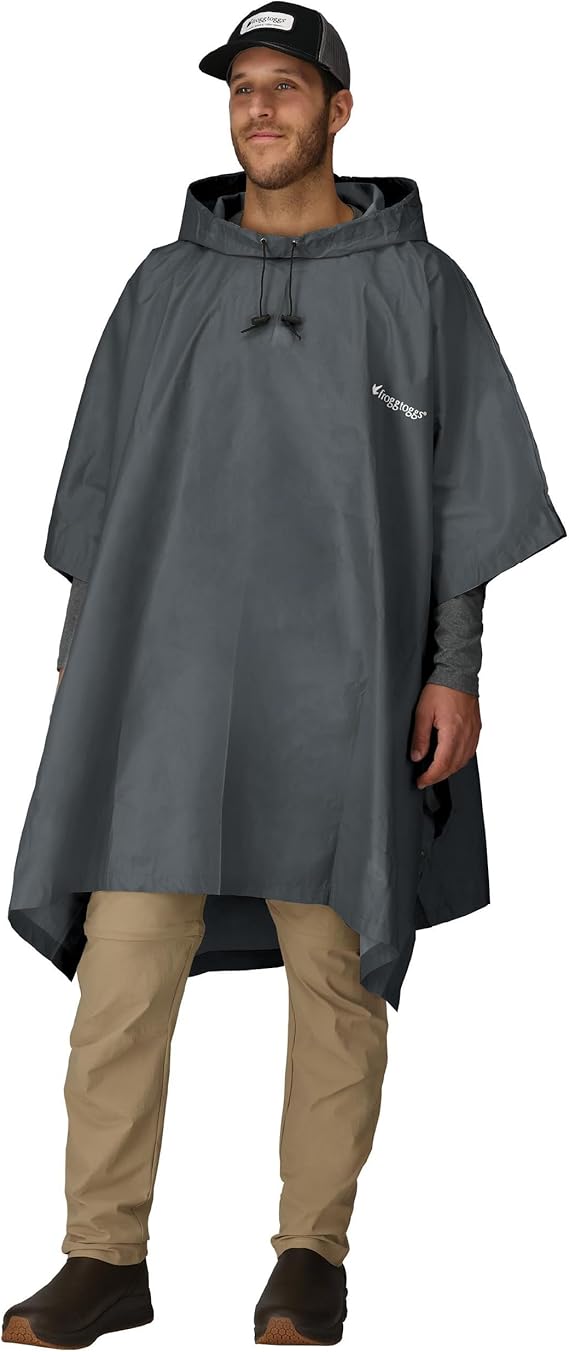
Your shell protects you from wind, snow, and light rain.
Essentials:
-
Waterproof or water-resistant jacket
-
Windproof outer layer
-
Optional snow pants for deeper snow
Look for jackets with vents or zippers to prevent overheating.
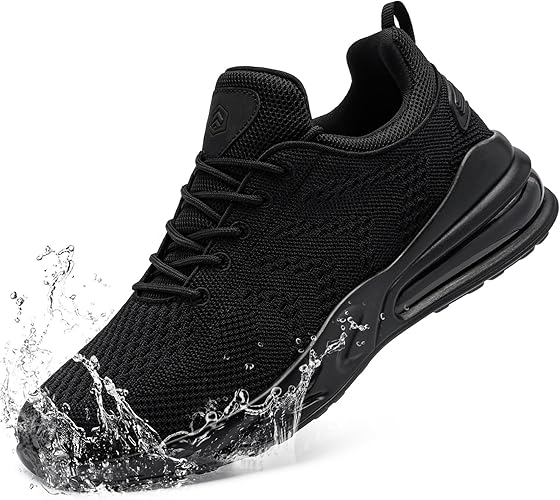
2. Winter Hiking Footwear: Stability on Snowy Trails
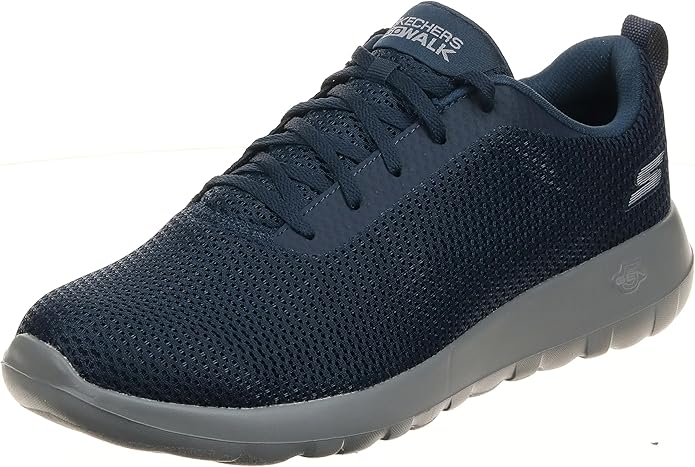
Your feet take the most abuse on winter hikes, especially on packed snow or icy paths.
Hiking Boots
Choose:
-
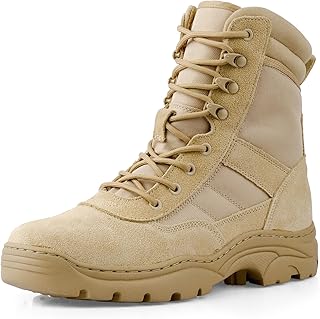
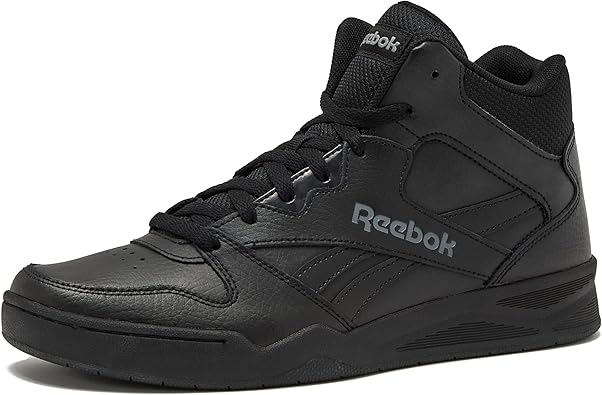
Waterproof hiking boots
-
Insulated or compatible with thick socks
-
Good ankle support
Trail runners are not ideal unless conditions are dry and mild.
Socks Matter More Than You Think
Pack:
-
Wool or thermal hiking socks
-
One extra pair (wet socks = cold feet)
Avoid thin cotton socks—they offer no insulation when damp.
Traction Aids (Optional but Smart)
For icy or compacted snow trails:
-
Microspikes
-
Slip-on traction cleats
They’re lightweight, easy to pack, and boost confidence on slippery sections.
3. Accessories That Make or Break a Winter Hike
Small items can have a huge impact on comfort.
Head & Neck Protection
Heat escapes quickly from your head.
Pack:
-
Insulated beanie or wool cap
-
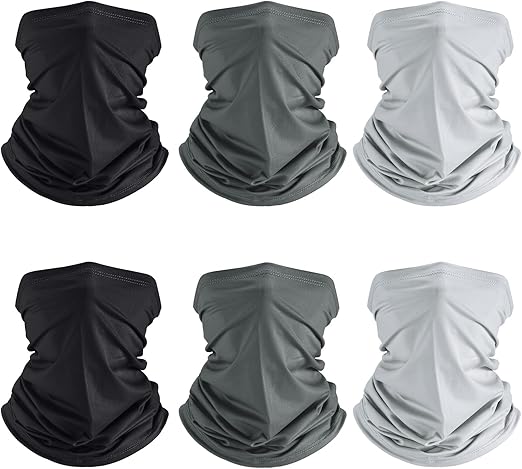
Neck gaiter or scarf
-
Optional balaclava for windy days
Gloves
Bring:
-
Insulated gloves for warmth
-
Lightweight liner gloves for flexibility
Cold hands can end a hike early—always pack gloves, even on mild winter days.
Sunglasses & Sunscreen
Snow reflects sunlight intensely.
Don’t forget:
-
UV-protective sunglasses
-
Sunscreen (SPF 30+)
-
Lip balm with SPF
Winter sunburn is real.
4. Backpack Essentials for Winter Day Hikes
A comfortable, weather-ready backpack keeps everything organized.
Backpack
Choose:
-
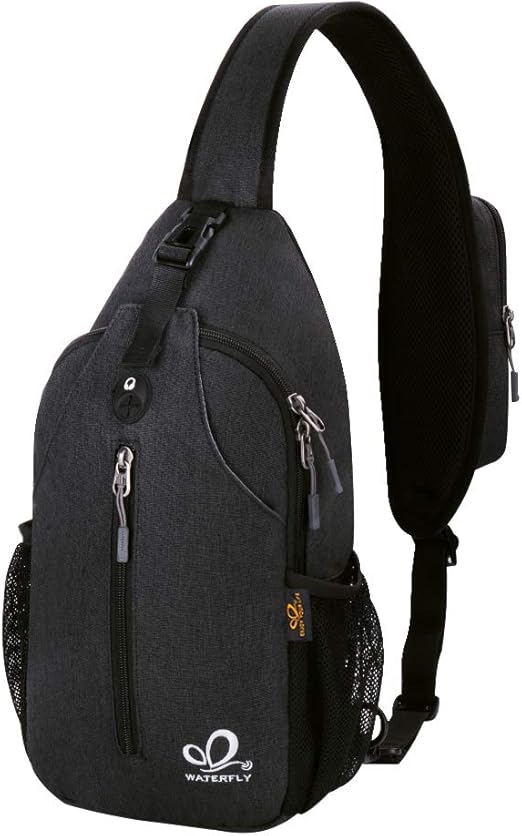
20–30L daypack
-
Water-resistant material
-
Adjustable straps for layers
Navigation & Safety
Even on easy trails, winter conditions can change fast.
Pack:
-
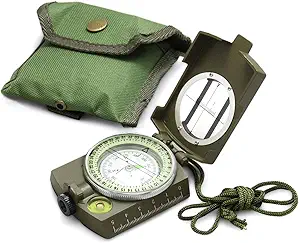
Offline maps or GPS app
-
Trail map (printed or digital)
-
Fully charged phone
-
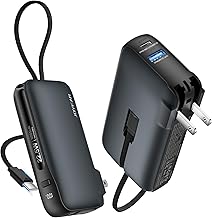
Power bank (cold drains batteries faster)
Optional but helpful:
-
Whistle
-
Small headlamp or flashlight (shorter daylight hours)
5. Hydration & Nutrition in Cold Weather
You may feel less thirsty in winter—but hydration is just as important.
Water
Pack:
-
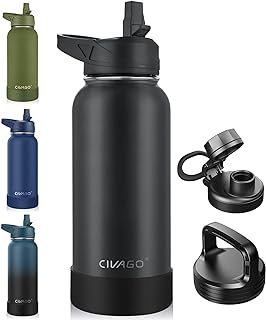
Insulated water bottle
-
Thermos with warm tea or soup
Avoid hydration bladders—they can freeze.
Winter-Friendly Snacks
Choose foods that:
-
Don’t freeze solid
-
Provide quick energy
Great options:
-
Trail mix
-
Energy bars
-
Nut butter packets
-
Chocolate (yes, it works!)
Pack snacks in accessible pockets—you’ll eat more often to stay warm.
6. Comfort Extras for Scenic Winter Walks
Winter hiking is about enjoying the moment, not rushing.
Consider adding:
-
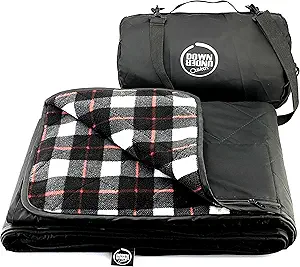
Lightweight sit pad or foldable mat
-
Compact thermos mug
-
Hand warmers
-
Compact camera or phone tripod for snow photos
These small additions turn a hike into a peaceful winter experience.
7. Safety Essentials You Should Never Skip
Even easy trails deserve respect in winter.
Pack this first for safety:
-
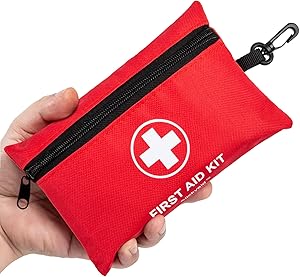
Basic first-aid kit
-
Emergency blanket
-
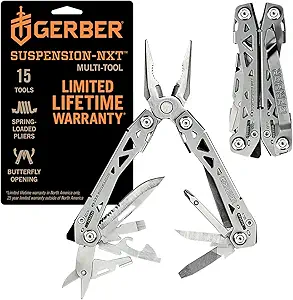
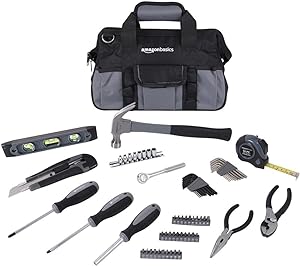
Multi-tool or pocket knife
-
Extra socks
-
Lightweight rain cover or pack liner
Always let someone know your route and return time.
8. What to Wear vs. What to Pack
Wear while hiking:
-
Base layer
-
Mid layer
-
Hiking boots
-
Light gloves
-
Beanie
Pack in your bag:
-
Extra insulating layer
-
Backup gloves
-
Shell jacket
-
Snacks & water
-
Safety items
This balance keeps you comfortable without overheating.
9. Beginner Tips for Winter Wonderland Hiking
If you’re new to winter hiking, keep these tips in mind:
-
Start with short, well-marked trails
-
Check weather and trail conditions beforehand
-
Begin your hike earlier in the day
-
Walk slower—snow increases fatigue
-
Turn back if conditions worsen
Winter hiking is about enjoyment, not endurance.
10. Final Checklist: Winter Wonderland Hiking Kit
Clothing
-
Thermal base layers
-
Insulating mid-layer
-
Waterproof outer jacket
-
Winter hiking pants
Footwear
-
Waterproof hiking boots
-
Wool socks (+ extra pair)
-
Traction aids (optional)
Accessories
-
Beanie
-
Gloves
-
Neck gaiter
-
Sunglasses
-
Sunscreen
Backpack Essentials
-
Daypack (20–30L)
-
Water bottle or thermos
-
Snacks
-
Navigation tools
-
Power bank
Safety
-
First-aid kit
-
Emergency blanket
-
Headlamp
-
Extra layers
Conclusion: Pack Smart, Hike Happy
Winter wonderland hikes offer a peaceful escape from crowds and a chance to experience nature at its most magical. With the right packing strategy, you don’t need extreme gear just thoughtful essentials that prioritize warmth, safety, and comfort.
Pack smart, dress in layers, and take your time. Snowy trails aren’t about speed they’re about stillness, scenery, and enjoying the quiet beauty of winter.
When you pack right, winter hiking becomes less intimidating and far more unforgettable.