Winter Packing Mistakes That Make You Colder, Not Warmer
Winter travel looks cozy on social media — snow-dusted streets, warm coffee in hand, stylish coats, and scenic views. But in reality, many travelers end up freezing, uncomfortable, and frustrated, even after packing what they believe are “warm” clothes.
The problem isn’t the destination. It’s how people pack for cold weather.
In 2026, winter travel trends show a clear shift toward smart layering, minimalist packing, and functional gear — yet the same old packing mistakes keep travelers colder than necessary. This in-depth guide breaks down the most common winter packing mistakes that actually make you colder, not warmer, and explains exactly what to do instead.
Whether you’re planning a January city break, a snowy adventure, or a cold-weather road trip, avoiding these mistakes will make a dramatic difference in comfort, warmth, and enjoyment.
Why “More Clothes” Doesn’t Mean More Warmth
One of the biggest myths in winter travel is that packing more equals staying warmer. In reality, improper layering, wrong fabrics, and bulky choices can trap cold air, restrict circulation, and cause sweating — all of which lead to feeling colder.
Modern winter packing is about efficiency, not excess. Understanding how heat works in cold environments is key to avoiding the mistakes below.
Mistake #1: Skipping Thermal Base Layers
Why It Makes You Colder
Many travelers start their winter outfit with regular cotton T-shirts or leggings. Cotton absorbs moisture and holds it against your skin. Once damp, it pulls heat away from your body rapidly.
What to Do Instead
Thermal base layers should always be your first layer.
Best options:
-
Merino wool thermals
-
Moisture-wicking polyester blends
-
Lightweight bamboo blends
Trending tip: Thin thermals are now designed to fit under everyday clothing, making them perfect for city travel and sightseeing.
Mistake #2: Wearing Bulky Sweaters Instead of Proper Layers
Why It Makes You Colder
Bulky sweaters create air gaps that allow cold air to circulate. They also limit flexibility, making movement uncomfortable and reducing your ability to regulate temperature.
What to Do Instead
Use a layering system:
-
Thermal base layer
-
Insulating mid layer (fleece or wool)
-
Windproof outer layer
One high-quality mid layer is warmer and more effective than multiple thick sweaters.
Mistake #3: Ignoring Wind Protection
Why It Makes You Colder
Wind strips away body heat faster than low temperatures alone. Even the warmest jacket will fail if it’s not wind-resistant.
What to Do Instead
Choose outerwear with:
-
Windproof fabric
-
Adjustable cuffs
-
High collars or hoods
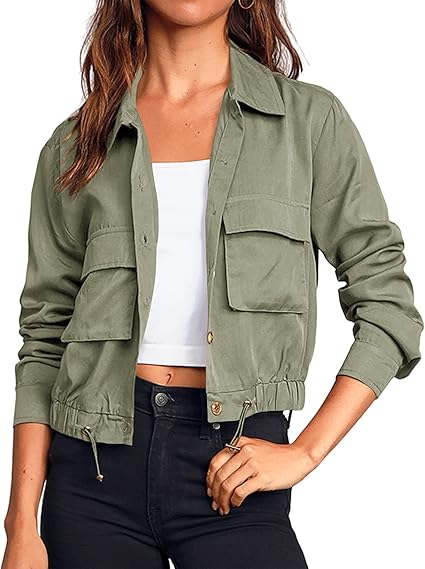
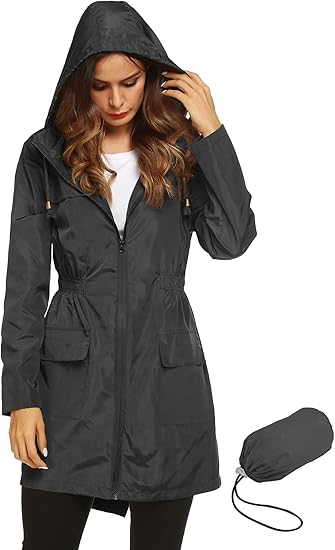
Trending outerwear: Packable insulated jackets with wind-blocking shells.
Mistake #4: Wearing Cotton Socks
Why It Makes You Colder
Cotton socks trap moisture from sweat, leading to cold, damp feet — one of the fastest ways to feel cold overall.
What to Do Instead
Pack wool or thermal socks.
Why wool works:
-
Retains warmth even when damp
-
Regulates temperature
-
Prevents blisters
Rotating socks daily keeps feet dry and warm.
Mistake #5: Choosing Style Over Insulated Footwear
Why It Makes You Colder
Fashion boots without insulation allow cold from the ground to seep in. Thin soles offer no thermal barrier.
What to Do Instead
Look for boots with:
-
Insulated lining
-
Thick, rubber soles
-
Water resistance
Trending choice: Waterproof ankle boots with thermal insulation — stylish and functional.
Mistake #6: Forgetting Gloves, Beanie, and Scarf
Why It Makes You Colder
A significant amount of body heat escapes through your head and extremities. Exposed hands and ears accelerate heat loss.
What to Do Instead
Always pack:
-
Insulated gloves (touchscreen-friendly)
-
Beanie or thermal hat
-
Wool or fleece scarf
Neutral colors allow easy outfit matching.
Mistake #7: Overpacking Jackets, Underpacking Accessories
Why It Makes You Colder
Travelers often pack multiple jackets but forget small accessories that provide the most warmth.
What to Do Instead
One quality insulated jacket + proper accessories is enough.
Accessories take minimal luggage space but dramatically improve warmth.
Mistake #8: Not Packing Moisturizer and Lip Balm
Why It Makes You Colder
Dry, cracked skin increases discomfort and sensitivity to cold.
What to Do Instead
Pack:
-
Heavy face moisturizer
-
Hand cream
-
SPF lip balm
Healthy skin retains warmth better.
Mistake #9: Wearing Tight Clothing That Restricts Circulation
Why It Makes You Colder
Tight clothing reduces blood flow, making hands and feet feel colder.
What to Do Instead
Choose:
-
Snug but not tight thermals
-
Proper sock sizing
-
Room for layering
Comfort equals warmth.
Mistake #10: Ignoring Heat-Boosting Accessories
Why It Makes You Colder
Small heat tools are often overlooked but incredibly effective.
What to Do Instead
Trending winter travel essentials include:
-
Disposable or reusable heat packs
-
Thermal insoles
-
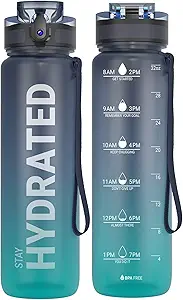
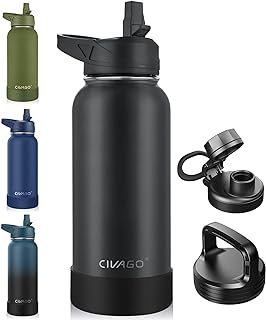
Insulated water bottles
These items are lightweight and powerful.
Mistake #11: Packing Heavy Clothes Without Compression
Why It Makes You Colder
Disorganized packing leads to limited layering options and unnecessary bulk.
What to Do Instead
Use compression packing cubes to:
-
Save luggage space
-
Organize layers
-
Access items easily
Mistake #12: Forgetting Sleepwear for Cold Nights
Why It Makes You Colder
Hotels and cabins are often colder than expected.
What to Do Instead
Pack thermal sleepwear to help your body recover overnight.
Mistake #13: Dressing the Same for City Trips and Snow Destinations
Why It Makes You Colder
Different winter environments require different strategies.
What to Do Instead
City Travel:
-
Thin thermals
-
Stylish insulated jacket
-
Waterproof boots
Snow Destinations:
-
Extra thermals
-
Insulated snow boots
-
Heat packs
Mistake #14: Packing Without Testing Your Outfit
Why It Makes You Colder
Untested outfits often fail in real conditions.
What to Do Instead
Do a trial wear at home:
-
Walk outside
-
Sit still for 10 minutes
-
Adjust layers accordingly
Mistake #15: Believing Expensive Means Warmer
Why It Makes You Colder
Price doesn’t guarantee performance.
What to Do Instead
Focus on:
-
Fabric quality
-
Wind resistance
-
Insulation type
Smart choices beat expensive ones.
Winter Packing Mistakes Checklist (Quick Summary)
Avoid these common errors:
-
Cotton base layers
-
Bulky sweaters
-
Non-windproof jackets
-
Fashion-only boots
-
Missing accessories
-
No skin protection
-
Tight clothing
How to Pack Smarter for Winter Travel
-
Follow the layering system
-
Prioritize accessories
-
Pack functional gear
-
Use packing organizers
Final Thoughts: Warmth Comes from Smart Packing
Winter travel should feel magical — not miserable. Most cold-related discomfort comes from avoidable packing mistakes, not extreme temperatures.
By avoiding these winter packing mistakes and focusing on proven essentials, you’ll stay warmer, pack lighter, and enjoy every cold-weather destination with confidence.
Smart packing doesn’t just keep you warm — it transforms your entire winter travel experience.
Travel prepared. Stay warm. Enjoy winter the right way.