In a world where constant notifications, deadlines, and digital noise dominate our daily routines, taking time to reconnect with yourself is no longer a luxury—it’s a necessity. Wellness retreats have become one of the most effective ways to reset your mind and body, offering a perfect blend of spa therapy and nature-based healing. Whether you’re heading to a forest retreat, a lakeside spa, or a mountain wellness center, preparing thoughtfully can elevate your entire experience.
This comprehensive guide walks you through everything you need to know—from packing essentials to mental preparation—so you can enjoy a transformative, peaceful, and deeply restorative wellness journey.
1. Why Wellness Retreats Are the Ultimate Reset
A wellness retreat isn’t just a vacation—it’s a guided experience designed to detox your mind, rejuvenate your body, and rebalance your energy. The combination of spa treatments and nature immersion creates a powerful synergy that helps you disconnect from stress and reconnect with yourself.
Benefits of Spa + Nature Wellness Retreats
-
Deep relaxation: Massages, aromatherapy, facials, and hydrotherapy melt away physical tension.
-
Mental clarity: Quiet environments and mindful activities reset your nervous system.
-
Physical renewal: Yoga, meditation, breathwork, hikes, and natural therapies energize your body.
-
Emotional healing: Mindfulness exercises help release emotional stress.
-
Digital detox: Being away from screens boosts serotonin and improves sleep quality.
-
Holistic reset: Nature amplifies the healing effects of spa therapy, promoting balance and harmony.
A well-prepared retreat helps you absorb every bit of this healing experience.
2. What to Pack for a Wellness Retreat
Packing impacts the quality of your retreat more than you might think. The right essentials ensure comfort, enhance relaxation, and allow you to fully immerse yourself in spa and nature activities.
A. Clothing Essentials
Pack lightweight, comfortable, and breathable clothing suited for both relaxation and light activities.
Must-Have Clothing:
-
Loose yoga outfits (2–3 sets)
-
Soft loungewear for indoor relaxation
-
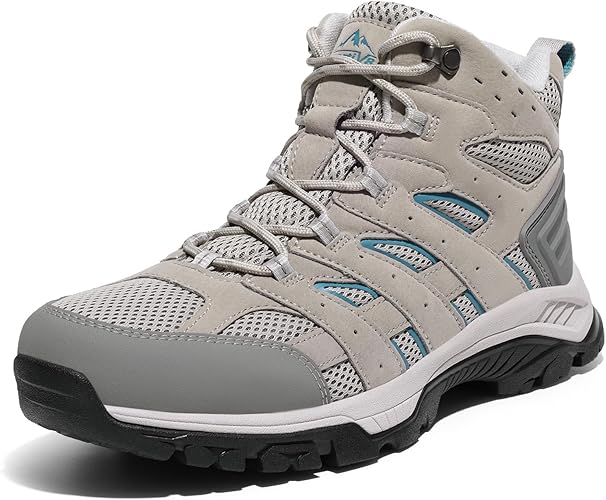
Comfortable walking shoes for nature trails
-
Sandals/slippers for spa areas
-
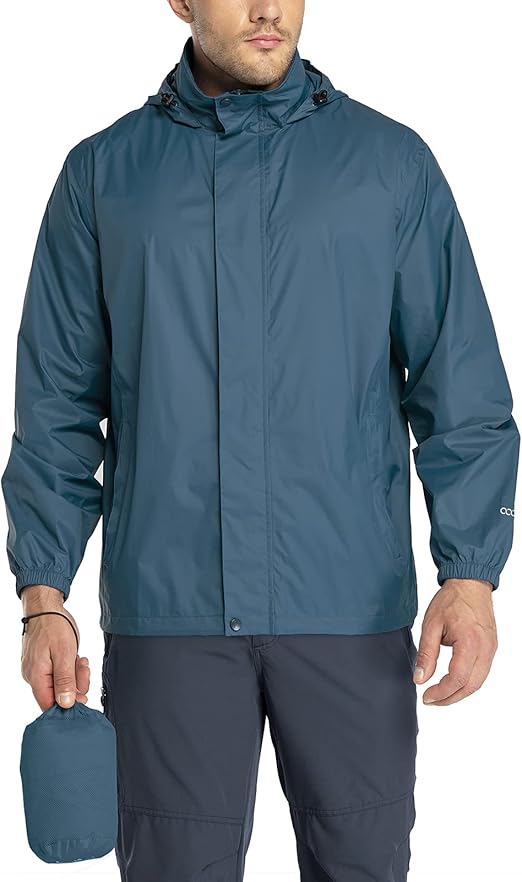
Light jacket or shawl for evening coolness
-
Swimwear for pools, hot springs, or hydrotherapy
-
Sleepwear that helps you unwind peacefully
Tip: Choose neutral, calming colors—they subconsciously improve your mood.
B. Spa Essentials
Even though most retreats provide basic spa items, bringing your own enhances comfort and personal hygiene.
Spa Essentials List:
-
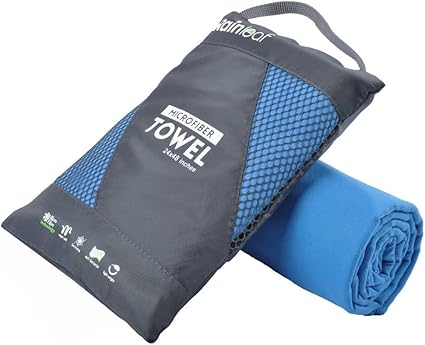
Microfiber towel (quick-drying)
-
Robe (if not provided)
-
Travel-size moisturizer & serum
-
Hair ties or headbands
-
Face mask (sheet masks for hydration)
-
Epsom salt sachets for personal baths
-
Essential oil roll-ons (lavender, eucalyptus, peppermint)
Pro Tip: Bring lightweight spa slippers—they’re cleaner and more comfortable than communal ones.
C. Nature and Outdoor Essentials
If your retreat involves hiking, forest bathing, meditation gardens, or outdoor therapy, these items will be extremely helpful.
Outdoor Packing Must-Haves:
-
Reusable water bottle
-
Sunscreen + lip balm with SPF
-
Insect repellent
-
Wide-brim hat
-
Light backpack for nature walks
-
Sunglasses
-
Portable yoga mat (optional if you prefer your own)
Nature therapy improves when you're well-prepared and worry-free.
D. Wellness Tools & Accessories
Small wellness tools can significantly enhance your relaxation.
Practical Wellness Tools:
-
Journal & pen for reflections
-
Meditation eye mask
-
Noise-canceling earplugs
-
Aromatherapy candle (travel size)
-
Affirmation cards
-
Breathable travel pillow
These small items elevate your mental relaxation and grounding practices.
E. Personal Care Essentials
Don’t forget your daily comfort items.
-
Toothbrush and toothpaste
-
Mild shampoo & conditioner
-
Natural deodorant
-
Body wash
-
Sanitary essentials
-
Any prescribed medication
-
Hand sanitizer
-
Tissue packets
Keep it simple and eco-friendly where possible.
3. Preparing Your Mind Before the Retreat
A wellness retreat works best when your mind is open, calm, and ready to receive healing. Here’s how to mentally prepare:
A. Set Clear Intentions
Ask yourself:
-
What do I want from this retreat?
-
Do I want to reduce stress?
-
Improve sleep?
-
Heal emotionally?
-
Reconnect with nature?
Your intentions will guide your experience and help you stay mindful.
B. Practice Light Digital Detox Before Leaving
Start reducing screen time a week earlier:
-
Turn off unnecessary notifications
-
Limit social media browsing
-
Avoid emotionally draining content
This pre-detox helps your body adjust faster once you arrive.
C. Create a Pre-Retreat Sleep Routine
Your body rejuvenates better when well-rested:
-
Reduce caffeine
-
Sleep 7–8 hours
-
Practice light stretching before bed
-
Meditate for 10 minutes nightly
This ensures you don’t arrive feeling exhausted.
4. What to Expect During Your Wellness Retreat
Retreat programs differ, but most combine spa therapies, nature activities, and mindful practices. Here’s what a typical day may include.
A. Morning Routine
-
Gentle yoga
-
Meditation or breathwork
-
Herbal tea or detox drink
-
Light, nutritious breakfast
You begin the day with clarity and grounded energy.
B. Mid-Morning: Spa Therapy
This may include:
-
Aromatherapy massage
-
Hot stone therapy
-
Facial treatments
-
Hydrotherapy sessions
-
Sauna + steam rituals
Spa therapy releases stress deep from your muscles and mind.
C. Afternoon: Nature-Based Activities
Depending on the retreat, you may experience:
-
Forest bathing (Shinrin-yoku)
-
Guided nature walks
-
Outdoor meditation
-
Mountain or lake hikes
-
Grounding exercises (walking barefoot on natural surfaces)
Nature’s quiet energy resets your nervous system more effectively than indoor therapy alone.
D. Evening Routine
Evenings are calmer with:
-
Journaling
-
Herbal teas
-
Light stretching
-
Group circle talks
-
Stargazing
-
Sound bath therapy
This prepares your mind for deep, restorative sleep.
5. Foods to Expect at Your Retreat
Wellness retreats focus on nourishing your body from within. Meals are usually:
-
Wholesome
-
Light but nutritious
-
Anti-inflammatory
-
Low in sugar
-
Fresh and locally sourced
Typical Meals:
-
Herbal soups
-
Fresh fruits and salads
-
Whole grains
-
Detox juices
-
Herbal teas
-
Plant-based proteins
-
Ayurvedic dishes (in India)
-
Smoothie bowls
Avoid bringing junk food—clean eating enhances detox and clarity.
6. How Nature Enhances Spa Therapy
The combination of spa treatments and nature immersion creates powerful healing effects.
A. Nature Reduces Cortisol
Natural surroundings automatically reduce stress hormones, allowing spa treatments to work more deeply.
B. Boosts Mental Clarity
Trees, water, and landscapes relax the mind and sharpen focus.
C. Enhances Physical Healing
Fresh air improves oxygen flow, which supports muscle healing after massages.
D. Supports Emotional Release
Nature gives you space to reflect, breathe, and release emotional blockages.
E. Deepens Mindfulness
You naturally become more present when surrounded by greenery or water.
7. Additional Tips for a Transformative Retreat
A. Be Open to New Experiences
Try:
-
Sound healing
-
Breathwork
-
Tea ceremonies
-
Ice baths
-
Silent meditation
-
Group sharing circles
You might discover new practices you love.
B. Stay Hydrated
Spa treatments, saunas, and hikes can dehydrate you quickly. Drink plenty of water.
C. Avoid Overplanning
A wellness retreat is not a tight schedule—it’s a slow, peaceful journey. Leave space for rest.
D. Write Your Thoughts Daily
Journaling helps:
-
Track your emotions
-
Process deep insights
-
Strengthen your intentions
-
Build positive habits
E. Unplug Entirely
Avoid checking emails or social media. The deeper your disconnection, the better your transformation.
8. After the Retreat: Maintaining the Mind-Body Balance
The retreat ends, but your new habits shouldn’t. Continue these simple practices at home:
-
Morning stretching or yoga
-
Meditation for 10 minutes
-
Drinking herbal teas
-
Spending 20 minutes outdoors
-
Practicing gratitude journaling
-
Eating lighter and cleaner
-
Setting weekly digital detox periods
-
Using aromatherapy before bed
These small habits keep the retreat’s positive effects alive.
Conclusion: Your Wellness Retreat Awaits
A wellness retreat is an investment in your mental, emotional, and physical well-being. With the right essentials, preparation, and mindset, your journey can become a life-changing experience. The blend of spa relaxation and nature healing creates the ultimate balance—a complete mind-body reset that leaves you refreshed, centered, and renewed.
Whether you’re heading to a mountain cabin, a lakeside spa, or a forest sanctuary, go with openness and intention. Allow yourself to pause, breathe, heal, and rediscover the power of slowing down.
Your mind and body will thank you.