Winter hiking transforms familiar trails into quiet, snow-covered landscapes but it also demands smart preparation. Cold temperatures, shorter daylight hours, and unpredictable weather mean that packing the right gear isn’t optional; it’s essential for safety, comfort, and enjoyment.
Whether you’re tackling snowy day hikes or multi-hour winter treks, this ultimate cold weather hiking kit covers everything you need to stay warm, dry, and confident on winter trails.
Why a Cold Weather Hiking Kit Matters
Hiking in winter is very different from warm-weather trekking. Snow, ice, and cold winds can increase fatigue, reduce mobility, and raise the risk of hypothermia or frostbite. A well-packed kit helps you:
-
Maintain body heat and energy
-
Stay dry in wet or snowy conditions
-
Navigate safely in low visibility
-
Handle emergencies with confidence
Preparation turns winter hiking into a rewarding experience rather than a risky one.
Layering Essentials: The Foundation of Winter Hiking
Base Layer (Moisture Control)
The base layer sits closest to your skin and manages sweat.
-
Thermal tops and bottoms
-
Merino wool or synthetic fabrics
-
Avoid cotton—it traps moisture and causes chills
Insulating Layer (Heat Retention)
This layer keeps your body warm.
-
Fleece jacket or mid-weight down jacket
-
Insulated vest (optional)
Outer Layer (Weather Protection)
Shield yourself from wind, snow, and rain.
-
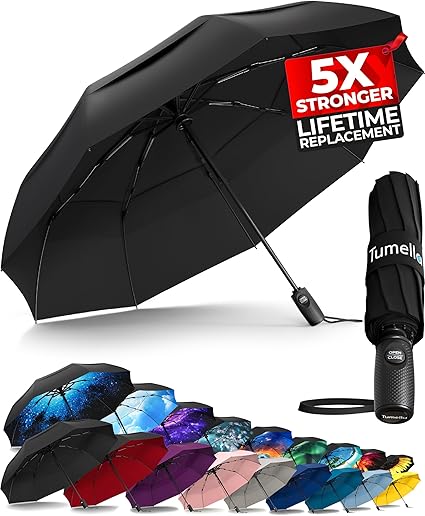
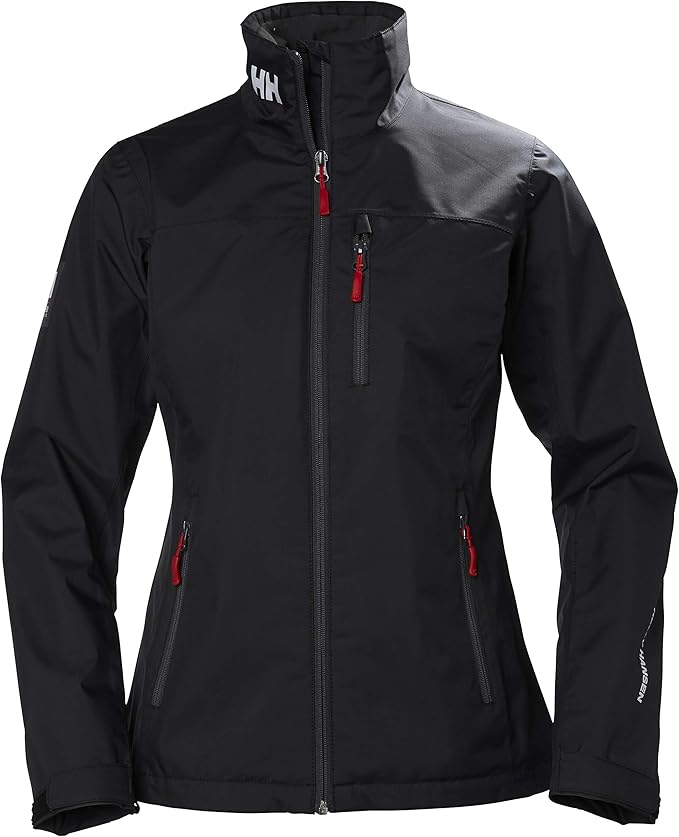
Waterproof and windproof jacket
-
Snow-resistant hiking pants
Proper layering allows you to adjust as your body temperature changes during the hike.
Footwear & Traction: Stay Stable on Snowy Trails
Winter Hiking Boots
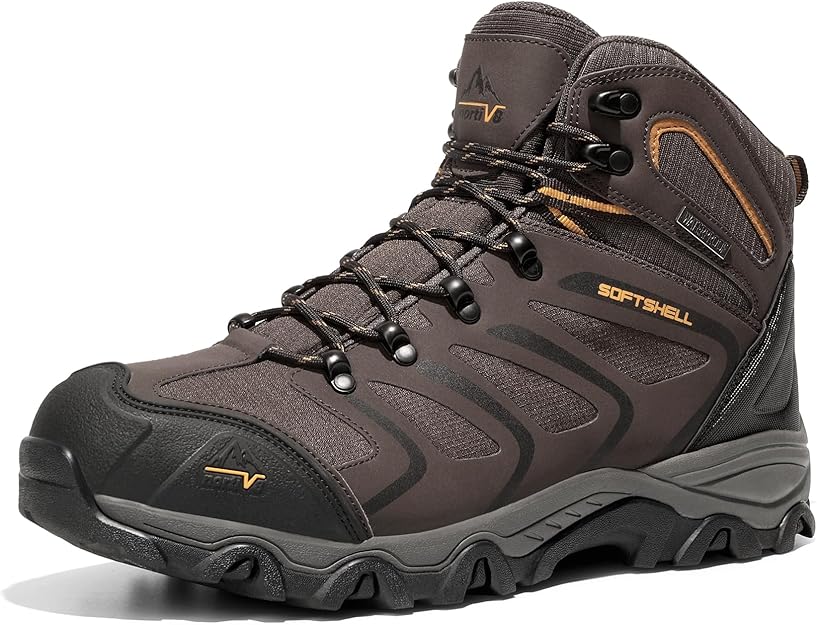
Your boots should provide insulation, waterproofing, and ankle support.
-
Insulated, waterproof hiking boots
-
Thick wool or thermal socks
-
Extra pair of socks in your pack
Traction Devices
Snow and ice can make trails slippery.
-
Microspikes or traction cleats
-
Gaiters to keep snow out of boots
Stable footing is critical for safety on winter terrain.
Cold Weather Accessories: Small Gear, Big Impact
-
Insulated gloves or mittens
-
Backup glove liners
-
Beanie or thermal hat
-
Neck gaiter or scarf
-
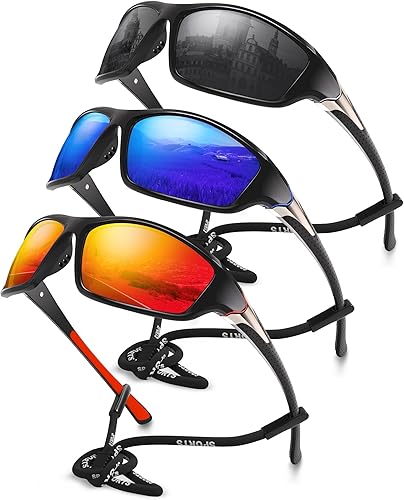
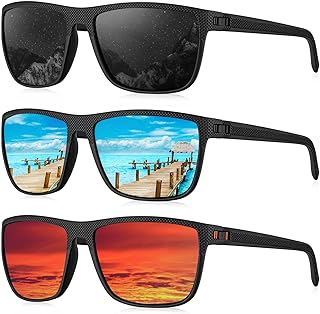
UV-protective sunglasses (snow glare is intense)
These accessories prevent heat loss from exposed areas and keep you comfortable throughout the hike.
Backpack Essentials for Winter Hiking
Hydration & Nutrition
Cold weather can suppress thirst, but hydration is still vital.
-
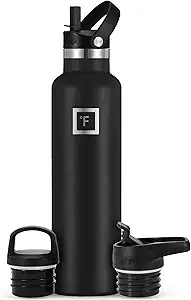
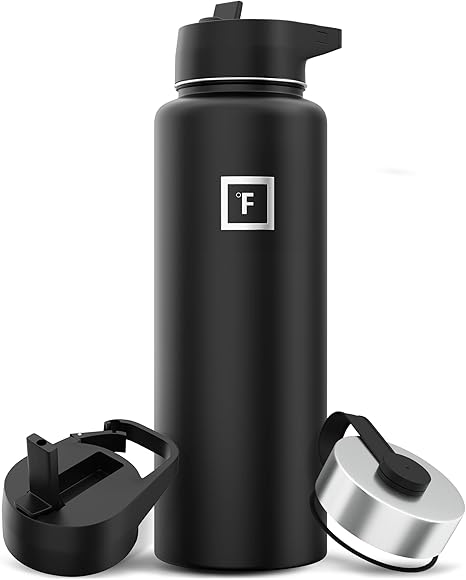
Insulated water bottles or hydration sleeve
-
High-energy snacks (nuts, protein bars, trail mix)
-
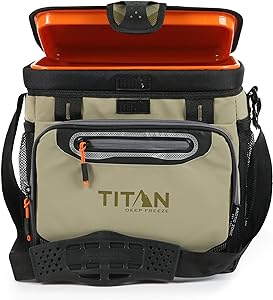
Thermos with hot tea, soup, or coffee
Navigation Tools
Snow can hide trail markers.
-
Offline maps or GPS device
-
Compass
-
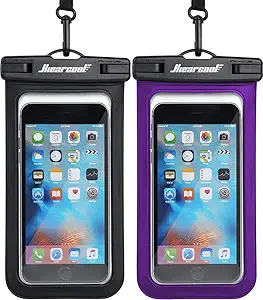
Fully charged phone with power bank
Safety & Emergency Gear: Never Skip These
Winter hikes require extra safety precautions.
-
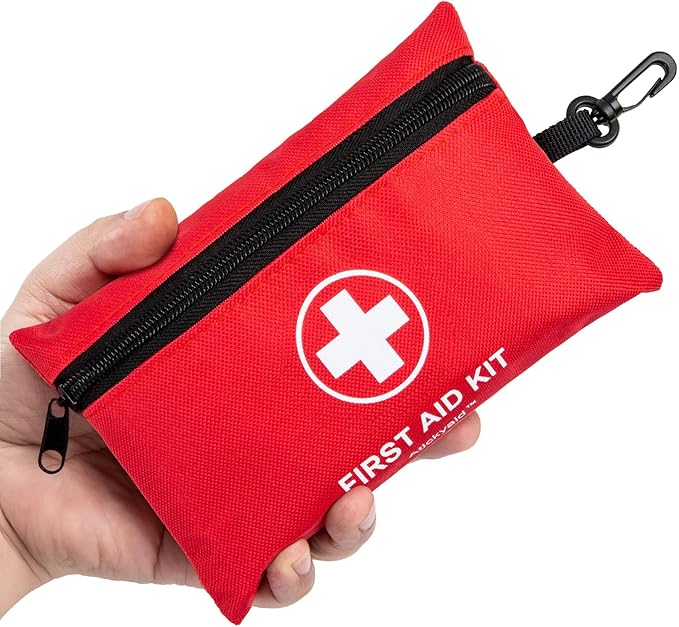
Compact first-aid kit
-
Emergency blanket or bivy sack
-
Headlamp or flashlight (shorter daylight hours)
-
Whistle for emergencies
-
Multi-tool or knife
Being prepared can make a critical difference in unexpected situations.
Weather Protection & Comfort Items
-
Sunscreen (UV reflection off snow is strong)
-
Lip balm with SPF
-
Hand warmers
-
Small towel or microfiber cloth
These comfort items help you stay protected against winter’s hidden challenges.
Optional Gear for Longer or Advanced Winter Treks
Depending on terrain and trip length, consider:
-
Trekking poles with snow baskets
-
Snowshoes for deep snow
-
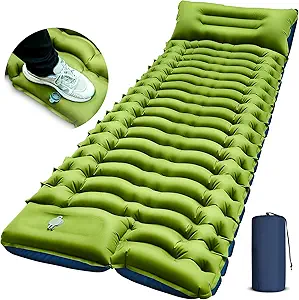
Lightweight insulated sit pad
-
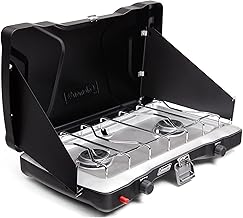
Portable stove (for longer treks)
Advanced gear adds comfort and efficiency on extended winter hikes.
Quick Cold Weather Hiking Checklist
Clothing
-
Thermal layers
-
Insulated jacket
-
Waterproof outer shell
Footwear
-
Insulated boots
-
Wool socks
-
Traction devices
Gear
-
Backpack
-
Navigation tools
-
Headlamp
Safety
-
First-aid kit
-
Emergency blanket
Food & Hydration
-
Insulated water bottle
-
High-energy snacks
Final Thoughts: Pack Smart, Hike Confidently
Winter hiking offers breathtaking views, peaceful trails, and a deeper connection with nature—but only if you’re prepared. The right cold weather hiking kit protects you from the elements and allows you to focus on the beauty around you instead of the cold.
Before heading out, check the weather forecast, trail conditions, and daylight hours. Pack thoughtfully, dress in layers, and always prioritize safety.
With the right gear in your pack, snowy trails become an adventure worth embracing—one step at a time.