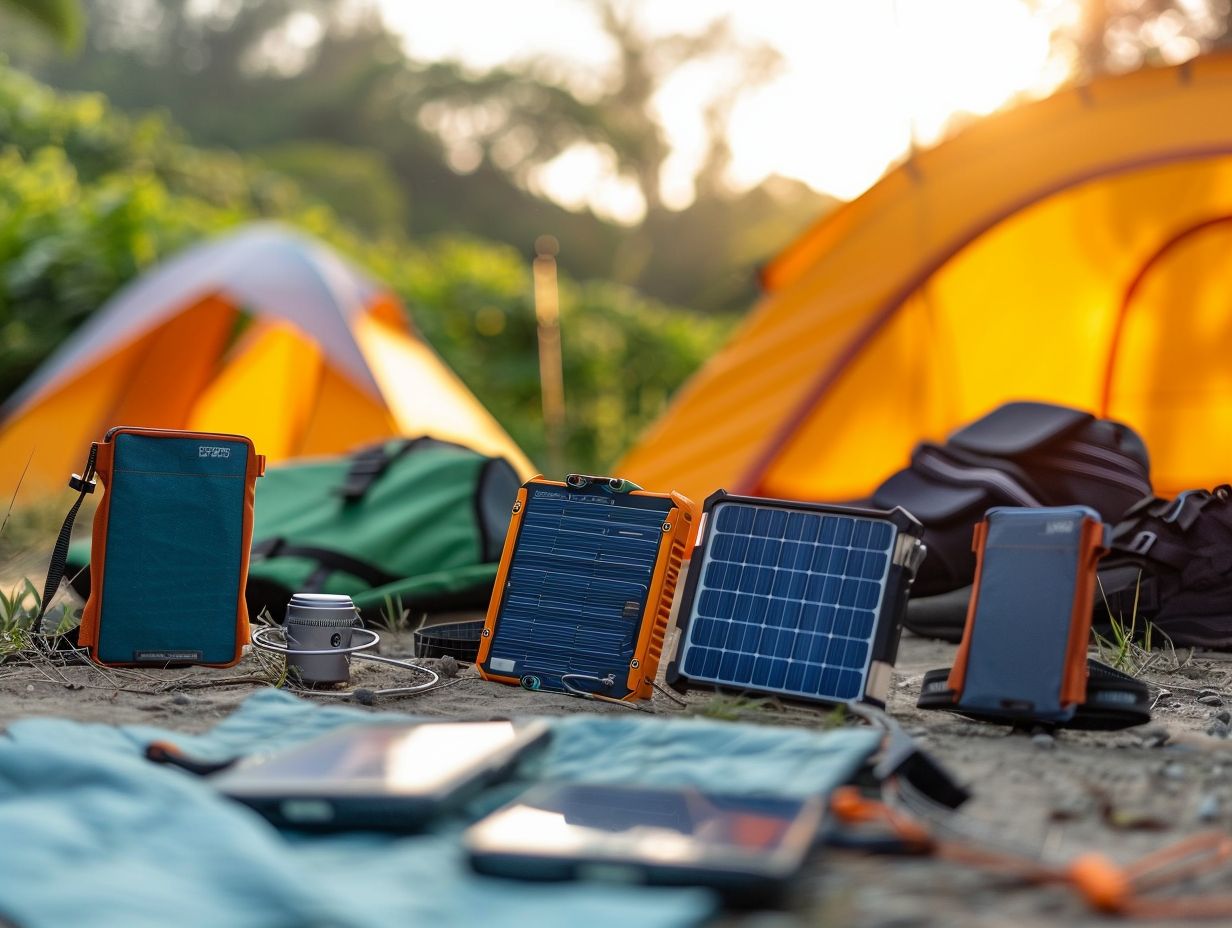
Top Portable Solar Chargers for Camping and Backpacking: Stay Powered Wherever You Roam
There's nothing worse than watching your phone battery drop to 5% when you're miles away from the nearest power outlet. Whether you rely on your smartphone for maps, use a GPS device to stay on course, or want to capture stunning landscapes with your camera, running out of power can quickly become frustrating—or even dangerous.
That's why many experienced hikers and campers pack a portable solar charger. Instead of depending entirely on a power bank, these compact panels harvest sunlight throughout the day, giving you a renewable source of energy wherever your adventure takes you. Clip one to your backpack while hiking, place it outside your tent during lunch, or set it up around camp to keep your essential devices charged.
If you're planning your next outdoor trip, here are five portable solar chargers that stand out for their performance, portability, and reliability.
BigBlue 28W Solar Charger – Best Overall Choice
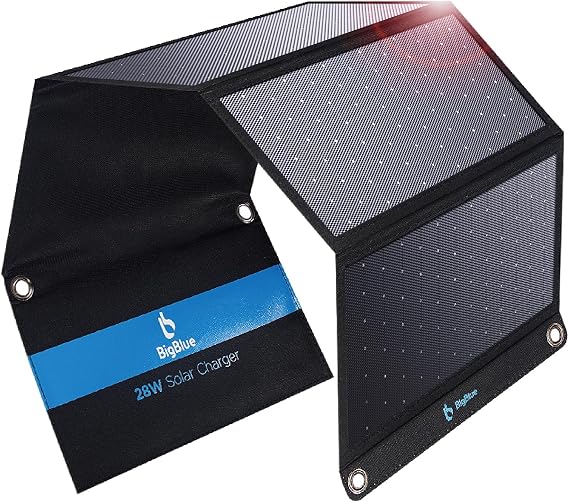
For most backpackers, the BigBlue 28W strikes the perfect balance between charging speed and portability. It folds into a compact package that fits easily inside a hiking backpack and unfolds into multiple solar panels capable of collecting a surprising amount of sunlight.
What makes this charger particularly useful is its ability to power two devices at once. Whether you need to recharge your smartphone and GPS simultaneously or top up a power bank during the day, it handles both tasks efficiently.
The weather-resistant outer fabric also makes it suitable for unpredictable trail conditions. While it shouldn't be submerged in water, it can handle light rain and dusty environments without trouble.
If you're looking for one solar charger that performs well in almost every camping situation, this model deserves serious consideration.
Anker SOLIX PS30 Solar Panel – Premium Choice for Backpackers
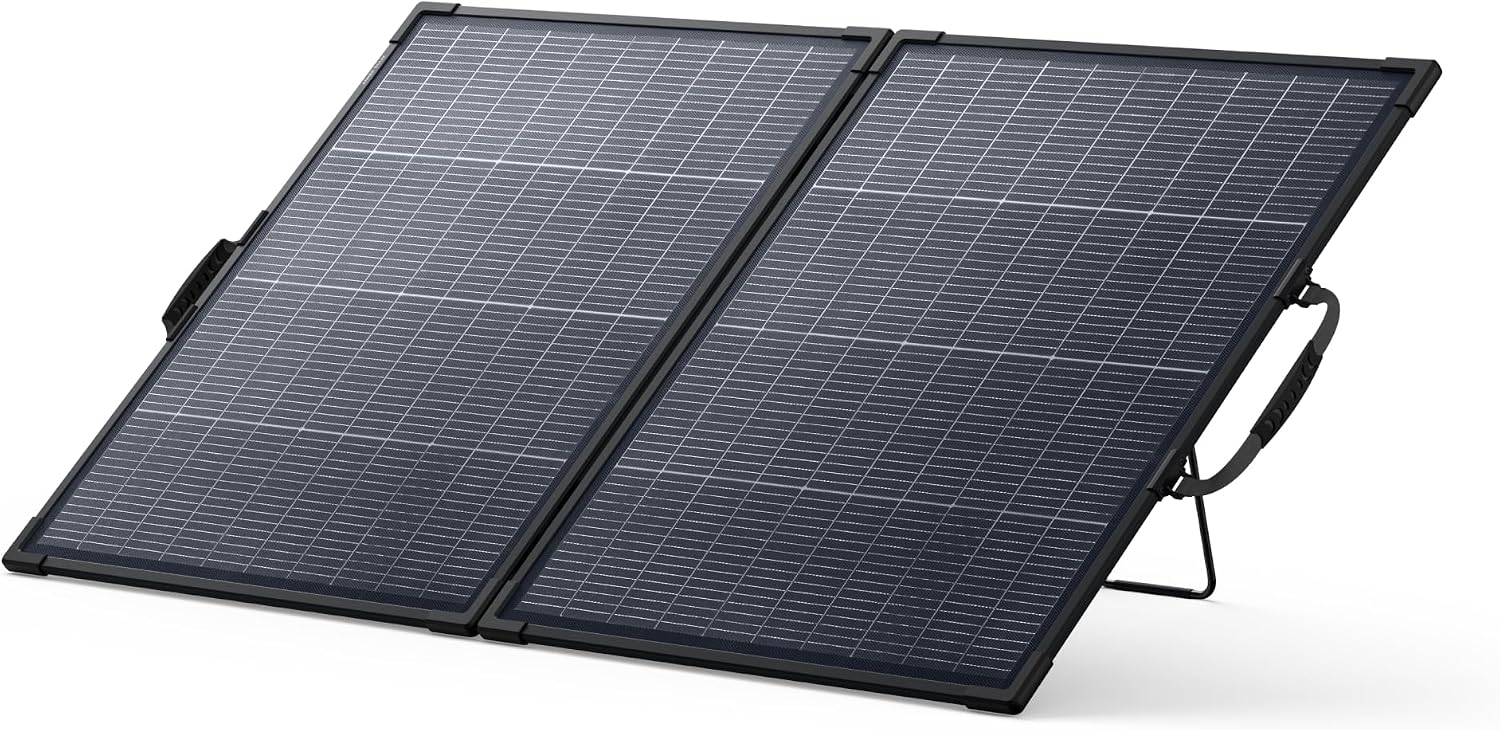
If you're looking for a reliable solar charger from a trusted brand, the Anker SOLIX PS30 Solar Panel is an excellent option. Designed for outdoor enthusiasts, it combines portability with dependable charging performance, making it ideal for camping, hiking, and backpacking adventures.
Its high-efficiency monocrystalline solar cells capture sunlight effectively, while the USB-A and USB-C ports allow you to charge smartphones, tablets, and portable power banks with ease. The foldable design makes it easy to pack, and its durable construction is built to handle life on the trail.
Another advantage is its lightweight and compact build. It fits comfortably inside or attaches to a backpack without adding unnecessary bulk, making it a practical companion for multi-day hikes and off-grid camping trips.
Best for: Campers and backpackers who want a durable, high-performance solar charger from a trusted outdoor brand.
Goal Zero Nomad 20 – Built for Serious Outdoor Adventures
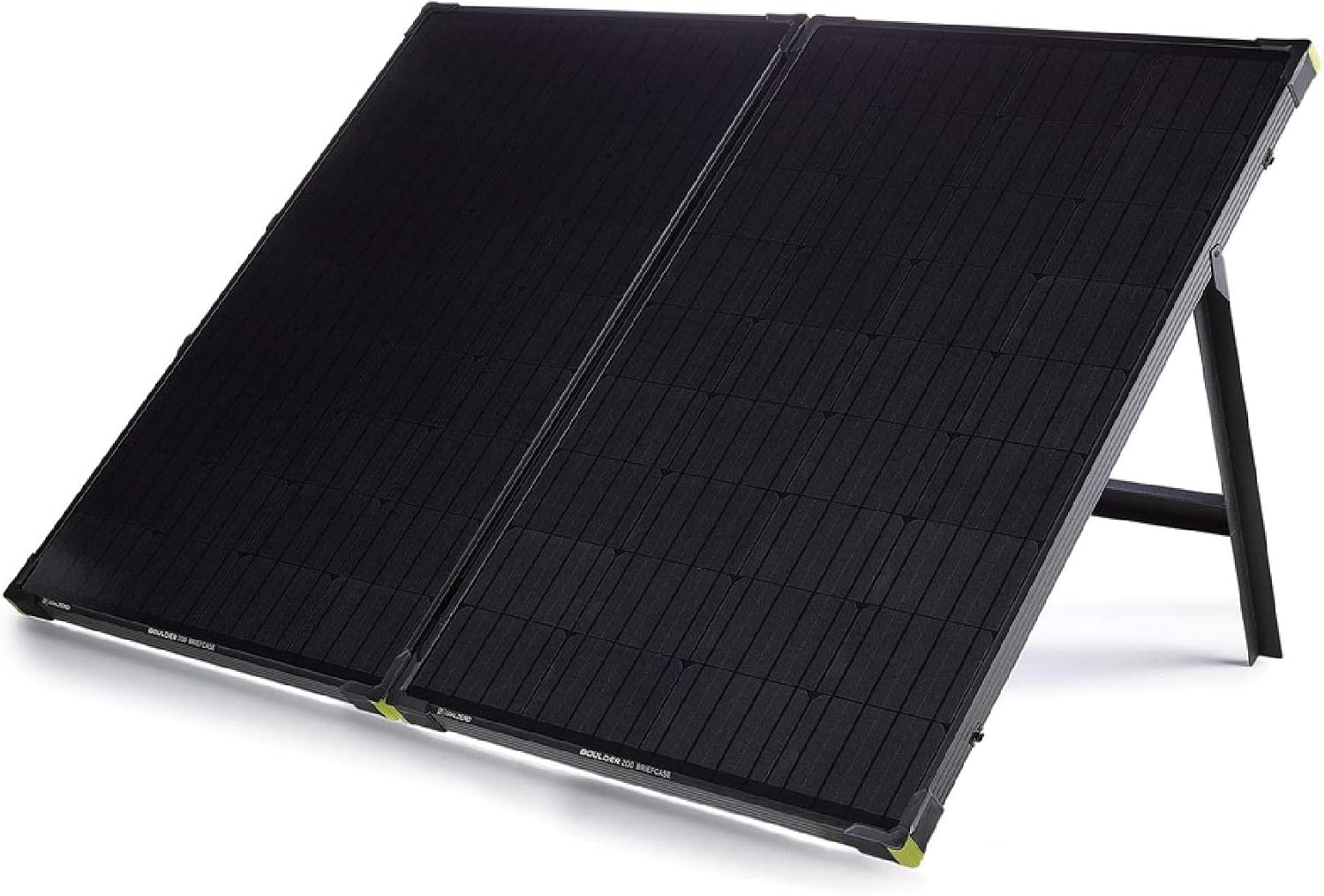
Some backpacking trips take you far beyond established campsites. If your adventures regularly involve several days in remote locations, durability becomes just as important as charging speed.
The Goal Zero Nomad 20 has earned a reputation among outdoor enthusiasts for its rugged construction. Reinforced materials and a sturdy folding design help it withstand demanding environments, making it a dependable companion for extended expeditions.
One particularly useful feature is its adjustable kickstand, allowing you to angle the panel toward direct sunlight instead of laying it flat on the ground. This simple addition often improves charging performance throughout the day.
Although it costs more than many alternatives, frequent campers often appreciate the added reliability.
SunJack 25W Portable Solar Charger – Reliable Performance on the Trail
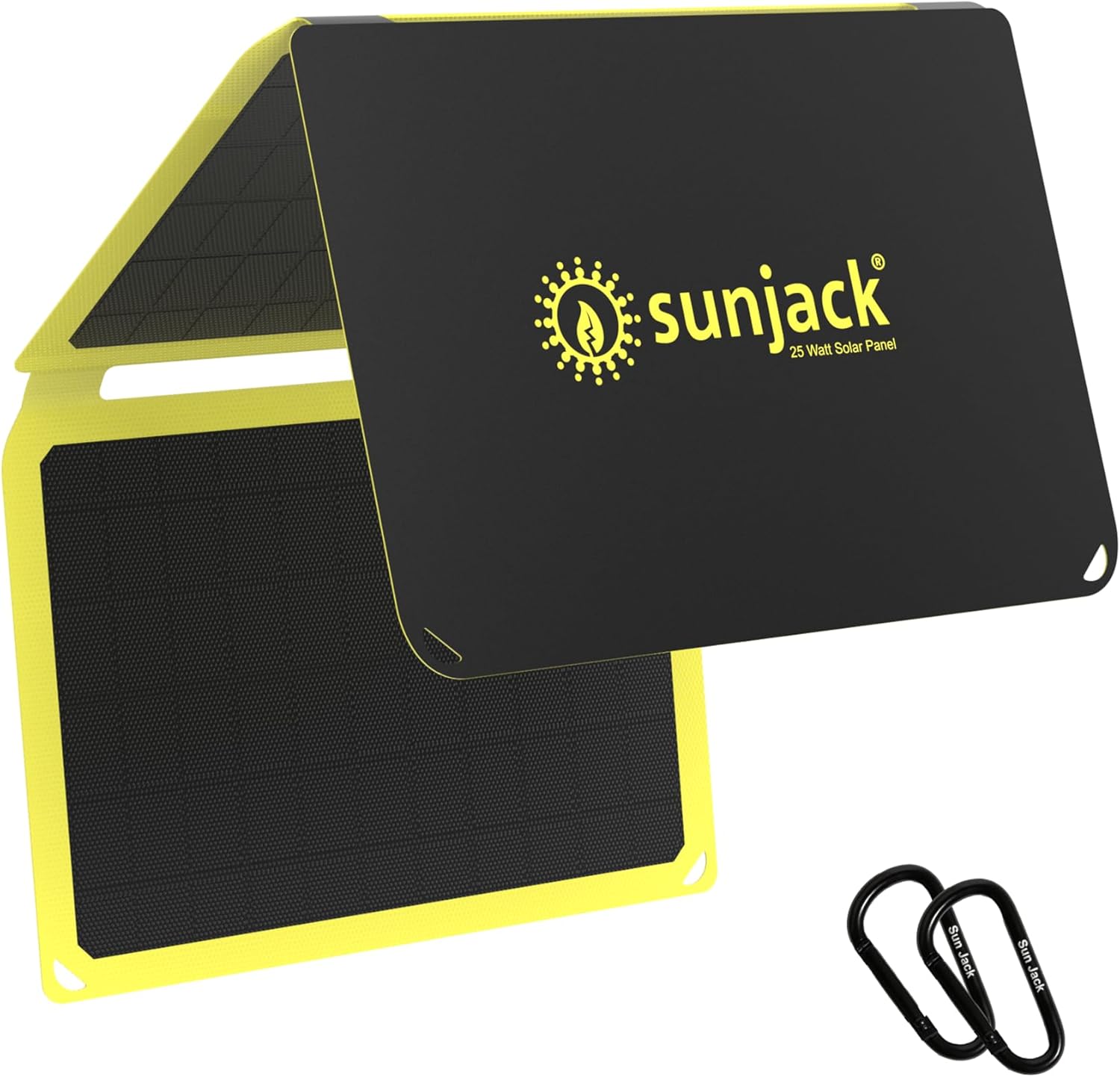
Outdoor adventures often require dependable gear, and the SunJack 25W Portable Solar Charger is built to keep your essential devices powered while you're away from traditional electricity. Its compact, foldable design makes it easy to carry, whether you're backpacking through the mountains or setting up camp for the weekend.
Equipped with high-efficiency monocrystalline solar panels, the charger delivers reliable performance in direct sunlight. It features multiple USB outputs, allowing you to recharge smartphones, GPS devices, cameras, and portable power banks with ease.
Another advantage is its rugged construction. Designed for outdoor use, it withstands light rain, dust, and regular travel without adding unnecessary weight to your backpack. Its combination of durability and portability makes it a practical choice for hikers who want dependable off-grid charging..
FlexSolar 40W Foldable Solar Charger – Ideal for Multiple Devices
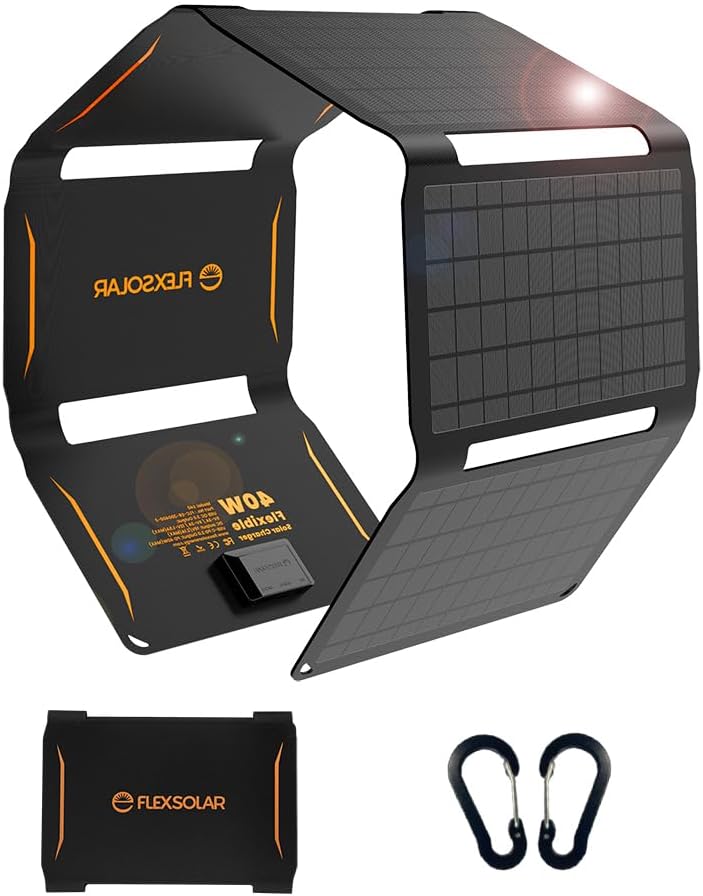
Not every camping trip is a solo adventure. Families and groups often carry several smartphones, cameras, lanterns, and portable power stations.
The FlexSolar 40W is designed with those situations in mind. Its larger surface area captures more sunlight, allowing it to generate more electricity than smaller backpacking panels.
Despite the increased power output, it still folds neatly for transport. Multiple charging ports make it easy to recharge several devices throughout the day, reducing the need to take turns using the charger.
If your outdoor adventures involve lots of electronics, the extra capacity is well worth carrying.
Choosing the Right Solar Charger
Shopping for a portable solar charger isn't simply about choosing the highest wattage. The best model depends on how and where you camp.
Weight is one of the biggest considerations for backpackers. Every extra gram matters on long hikes, so lightweight equipment is usually worth prioritizing.
Charging speed is another important factor. Premium solar panels typically convert sunlight more efficiently, meaning you'll spend less time waiting for devices to recharge.
You'll also want to check how many charging ports are available. If you regularly carry multiple devices, dual USB outputs—or even USB-C support—can make life much easier.
Finally, pay attention to durability. Outdoor gear should survive occasional bumps, dust, light rain, and repeated folding without falling apart after one season.
Getting Better Results from Solar Charging
Even the best solar charger performs poorly if it isn't positioned correctly.
For maximum efficiency, place the panel where it receives direct sunlight instead of partial shade. As the sun moves across the sky, adjusting the panel's angle can noticeably improve charging speed.
Many experienced backpackers also prefer charging a power bank during daylight hours instead of connecting a smartphone directly. This approach stores energy for later, allowing you to recharge your phone after sunset or during bad weather.
Keeping the solar panel clean also helps. Dust, dirt, and dried water spots can reduce efficiency over time.
Are Portable Solar Chargers Worth Buying?
If most of your outdoor trips last only a single day, a standard power bank may be all you need.
However, once your adventures extend into multi-day backpacking, remote camping, or overlanding, a portable solar charger becomes much more valuable. It provides ongoing access to renewable energy without depending entirely on stored battery capacity.
Instead of worrying about finding an electrical outlet, you can simply make use of the sunlight that's already available around you.
Final Thoughts
Portable solar chargers have become smaller, lighter, and more efficient than ever before. Whether you're exploring national parks, hiking mountain trails, or camping deep in the wilderness, they offer an easy way to keep essential electronics running throughout your journey.
The BigBlue 28W remains one of the most balanced choices for most backpackers, while the Goal Zero Nomad 20 is an excellent option for those who regularly venture into more demanding environments. If your priority is convenience, the BioLite SolarPanel 10+ stands out with its built-in battery, and the FlexSolar 40W is ideal for campers carrying multiple devices.
No matter which model you choose, investing in a quality portable solar charger means spending less time worrying about battery life and more time enjoying the outdoors.