The Small Things That Make a Souvenir Workshop So Much Better
There’s a reason souvenir workshops are having a big moment right now. Travelers in 2026 are leaning into hands-on, story-driven experiences instead of generic “I bought this at the airport” memories. Travel trend coverage this year keeps pointing in the same direction: people want meaningful, local, tactile experiences that feel personal, not mass-produced. Handmade workshops—from pottery and perfume blending to weaving, candle pouring, block printing, and leather stamping—fit that mood perfectly.
And yet, the difference between a workshop that feels magical and one that feels messy usually comes down to small things.
Not expensive gear. Not a giant tote bag full of “just in case” items. Just a few thoughtful extras that make you more comfortable, more creative, and way less stressed while you’re making something you’ll actually want to keep.
If you’re planning a pottery session in a hill town, a batik class on vacation, a bead-making workshop in a local market, or a hand-painted keepsake experience during your travels, this is the practical guide you’ll want to save.
Why souvenir workshops are so popular right now
Travel is shifting away from “see everything” and toward “feel something.” That’s why more people are booking experiences that let them make, taste, learn, and bring home a memory with a story attached. Trend coverage this year has highlighted a move toward emotion-led travel, cultural immersion, slower itineraries, and locally rooted experiences—all of which make workshops more appealing than another shelf trinket.
It also helps that craft culture itself is trending. In 2026, handmade hobbies are being shaped by:
- textured and tactile materials
- slow, mindful making
- sustainable, reusable items
- mini and highly personalized creations
- community crafting and social creativity
That means your average souvenir workshop today isn’t just “make a thing.” It’s often part creativity break, part cultural experience, part memory-making ritual.
And honestly? That’s why the little details matter.
15 Small Things That Make a Souvenir Workshop Better
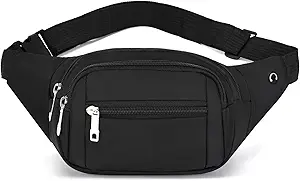
1) A crossbody bag instead of a giant tote
This one sounds boring, but it changes everything.
A big tote turns into a clutter trap. You spend half the class digging for your phone, lip balm, or payment card while trying not to knock over paint water or beads. A small crossbody or compact day bag keeps your essentials close without taking over your workspace.
What to keep in it:
- phone
- card/cash
- tissues
- lip balm
- hand wipes
- hair tie
- mini power bank
Why it matters: Most workshop tables are already crowded with tools, trays, samples, and half-finished projects. The less bag chaos, the better your experience.
2) Clothes you don’t have to “protect”
One of the biggest mistakes people make? Showing up in an outfit they’re emotionally attached to.
If you’re doing:
- pottery
- textile dyeing
- candle pouring
- leather painting
- soap making
- resin crafts
- block printing
…you need to assume something will splash, stain, smudge, or transfer.
That doesn’t mean dressing badly. It just means choosing:
- darker colors
- washable fabrics
- short or fitted sleeves
- shoes you can stand in comfortably
The goal is simple: wear something you can fully create in.
Because when you’re worried about your outfit, you don’t enjoy the experience nearly as much.
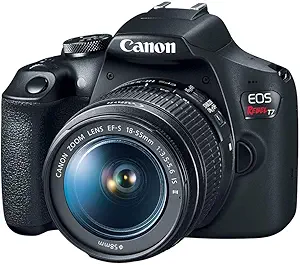
3) A phone strap or mini tripod for quick content
Souvenir workshops are peak “you’ll wish you filmed that” energy.
And if you create travel or lifestyle content—or just want better memories—one tiny tool helps a lot:
- a phone wrist strap
- a MagSafe grip
- or a mini foldable tripod
You don’t need to turn the class into a production set. But it’s nice to capture:
- the blank material before you start
- the process shots
- your hands working
- the finished piece
- the messy table aesthetic
That kind of content is especially popular right now because people are gravitating toward real, tactile, process-driven travel moments over polished destination montages.
Best content tip:
Take a “before, during, after” set of clips.
That alone is enough for a strong reel later.
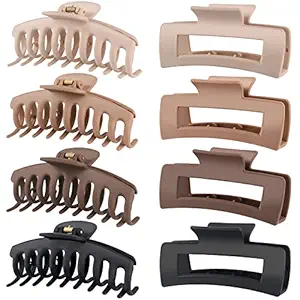
4) A hair tie, claw clip, or headband
Tiny item. Huge difference.
If you’re leaning over paint, clay, wax, or weaving tools, your hair will absolutely try to join the project.
This is one of those items you forget until you desperately need it.
Best to pack:
- claw clip
- soft scrunchie
- headband
- bandana
Especially helpful for:
- pottery wheels
- candle making
- jewelry classes
- food-based souvenir workshops
- fabric or dye classes
Bonus: it also makes you more comfortable in hot or humid studio spaces.
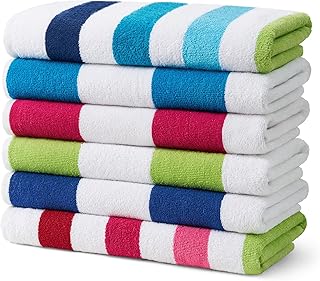
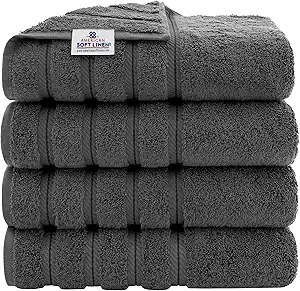
5) Wet wipes or a travel hand towel
This is a top-tier workshop essential.
Even if the venue provides sinks, it’s surprisingly helpful to have your own quick cleanup option for:
- paint fingers
- sticky labels
- wax drips
- clay dust
- ink transfer
- snack hands
Pack one of these:
- unscented hand wipes
- baby wipes
- compact microfiber hand towel
- a few folded paper napkins in a zip pouch
This is especially useful if you’re heading straight to:
- lunch
- sightseeing
- shopping
- a train or car ride after class
You do not want souvenir workshop residue all over the rest of your day.
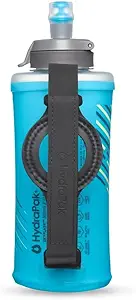
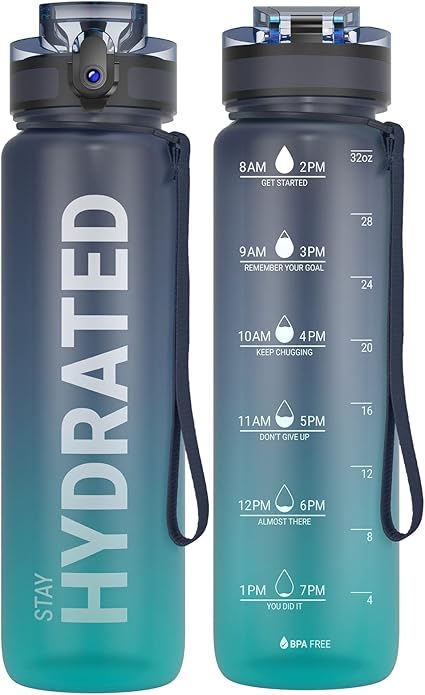
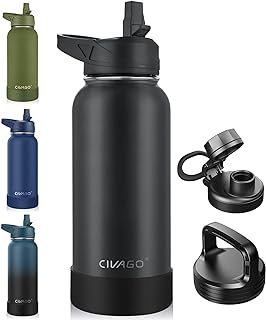
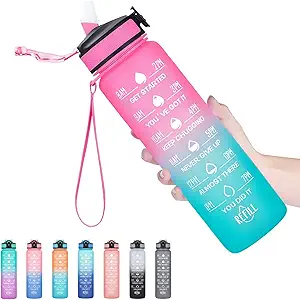
6) A water bottle you’ll actually drink from
Creative classes are weirdly dehydrating.
You’re focused. You’re standing. You’re moving around. You’re listening, deciding, fixing mistakes, and probably talking to other people. Hours go by fast.
Bringing your own water bottle is one of those tiny choices that keeps the whole experience more enjoyable.
Best choice:
- lightweight
- leak-proof
- easy-open lid
- not too bulky for the table
If you’re traveling in warmer weather or doing workshops in busy market districts, this becomes even more important.
Comfort is part of creativity. Hydration helps more than people think.
7) A zip pouch for tiny pieces
If you’re doing any kind of workshop with:
- beads
- charms
- metal findings
- threads
- tiny tools
- labels
- accessory parts
…a small zip pouch can save you from losing half your project before you even leave.
It’s also useful for storing:
- receipts
- workshop cards
- business cards from local artists
- extra supplies they let you take home
This matters because some of the best workshop experiences involve customization and personalization, and those often come with tiny details you’ll want to keep safe.
8) Inspiration screenshots saved offline
This is such an underrated move.
If you’re the kind of person who freezes when someone says, “What colors do you want to use?” or “What design are you going for?”—save yourself the blank-brain moment.
Before you go, save a few screenshots of:
- color palettes
- patterns
- pottery glazing ideas
- embroidery layouts
- lettering styles
- charm arrangements
- travel-themed motifs
Why this helps:
A lot of souvenir workshops are fun until you hit decision fatigue.
A few saved references can help you create something that feels intentional instead of rushed.
And right now, people are especially drawn to personal, tactile, visually distinct pieces rather than generic “tourist gift shop” aesthetics.
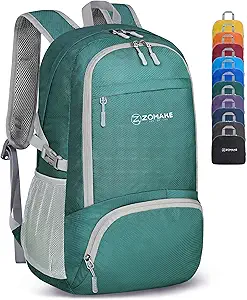
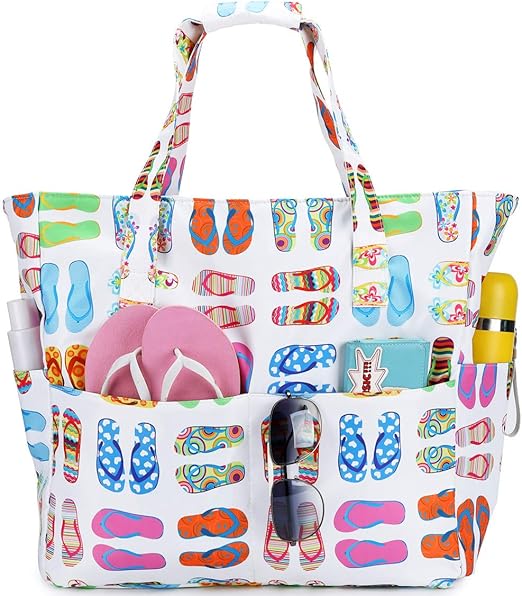
9) A tote bag for carrying your finished piece home
Not for the class itself. For the after.
This is one of the most overlooked workshop essentials.
Because what happens when you make:
- a painted ceramic mug
- a soft textile piece
- a candle in a glass jar
- a fragile ornament
- a hand-bound notebook
- a custom perfume bottle
- a woven coaster set
You need a safe way to carry it.
Best option:
Pack a foldable tote bag inside your regular bag.
Even better if you can add:
- a scarf
- bubble wrap sleeve
- soft T-shirt
- reusable pouch
That tiny bit of planning can be the difference between “best souvenir ever” and “it cracked in my backpack.”
10) Cash for add-ons or artist shopping
A lot of local workshops also have:
- mini retail shelves
- upgraded materials
- extra charms or add-ons
- artist-made goods
- tip jars
- packaging upgrades
And while many places accept cards, not all do—especially in smaller towns, markets, pop-up studios, or artisan spaces.
Bring a little backup cash if you can.
Because sometimes the best souvenir isn’t just what you made—it’s also the small handmade item you bought directly from the artist teaching the class.
That kind of purchase usually feels more meaningful than a random last-minute souvenir anyway.
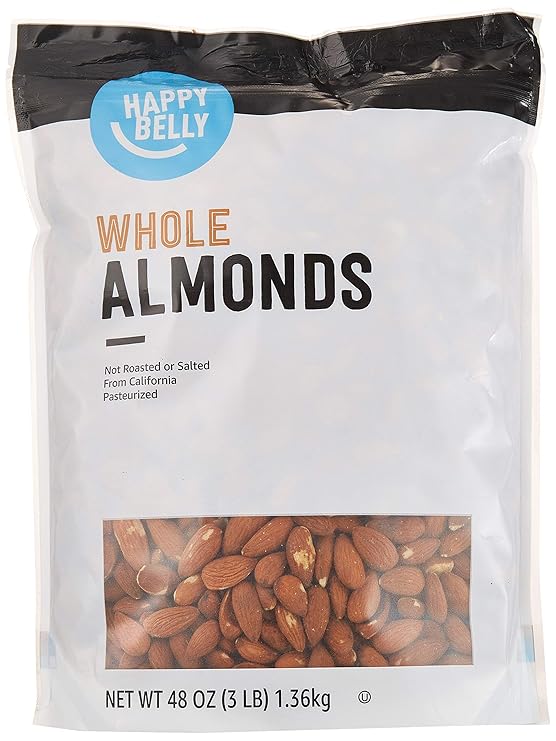
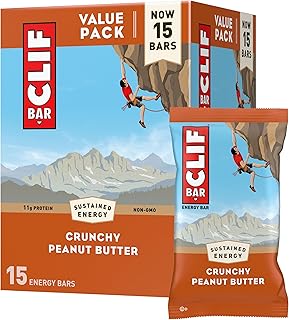
11) A light snack for longer sessions
If your workshop is more than 90 minutes, this becomes surprisingly useful.
Not every class has a café nearby. Not every destination runs on your ideal meal timing. And nothing ruins creative focus faster than realizing you’re suddenly starving halfway through painting your keepsake.
Easy snack ideas:
- granola bar
- nuts
- crackers
- dried fruit
- protein bites
Just avoid anything messy, melty, or strongly scented if you’ll be sharing a workspace.
This is especially helpful if your travel day already includes:
- walking tours
- transit
- shopping
- museum stops
- uneven meal timing
A little snack can keep the whole outing feeling smooth instead of draining.
12) Patience with imperfection
This is not a physical item, but it might be the most important thing on the list.
The best souvenir workshops are not always the ones where you make the prettiest object.
Sometimes your lines are crooked. Sometimes your glaze turns out darker than expected. Sometimes your stitching isn’t perfect. Sometimes your charm bracelet looks slightly chaotic.
And yet, those are often the pieces people treasure the most.
Why? Because they remember:
- where they made it
- who taught them
- what the room smelled like
- what song was playing
- how much they laughed when they messed it up
That’s the point.
Travel in 2026 is increasingly centered around emotion, memory, and human connection, not just polished outcomes. Souvenir workshops fit that perfectly.
So yes, bring the hair tie and the wipes. But also bring the willingness to make something a little imperfect and still love it.
That’s usually what makes it special.
13) A note in your phone about where you made it
This is such a simple thing, and almost nobody does it.
After your workshop, make a quick note with:
- the city
- the studio name
- the artist/instructor
- the date
- what you made
- one funny or memorable detail
That takes maybe 30 seconds, but it gives your souvenir so much more meaning later.
Especially if you travel often, these details blur together fast. A year from now, you’ll be glad you wrote it down.
Even better:
Take one photo of:
- the studio sign
- your workspace
- the finished item in the space
That’s memory insurance.
14) Good timing in your itinerary
This is one of the most practical “small things” that makes a big difference.
Try not to squeeze a hands-on workshop into the most chaotic part of your day.
Souvenir workshops are way more enjoyable when you’re not:
- sprinting there late
- carrying all your luggage
- starving
- already exhausted
- trying to leave early for another booking
Best time slots:
- late morning
- mid-afternoon
- your “slower” travel day
- after a relaxed breakfast
- before dinner, not before a long transit connection
A workshop is meant to feel immersive. Give it enough breathing room to actually be that.
This lines up with the broader slow travel and intentional itinerary trend that’s shaping how people plan trips now. Fewer rushed activities, more memorable ones.
15) A little curiosity about the craft itself
This is the small thing that changes a workshop from “cute activity” to “core memory.”
Ask questions.
Not in an intense way. Just enough to understand:
- where the craft comes from
- what the materials mean
- how locals use it
- what makes the style unique
- what beginners usually get wrong
- how artisans learned the technique
That curiosity turns the souvenir into more than an object.
It becomes:
- a story
- a skill
- a conversation starter
- a better travel memory
And honestly, that’s why handmade travel experiences are winning right now. People want to come home with something that feels connected, not just purchased.
Quick Packing Checklist for a Souvenir Workshop
If you want the short version, pack these:
Essentials
- Small crossbody bag
- Water bottle
- Phone
- Card/cash
- Hair tie or clip
- Wet wipes
- Lip balm
- Tissues
Smart Extras
- Mini tripod or phone grip
- Foldable tote bag
- Zip pouch
- Light snack
- Travel hand towel
- Inspiration screenshots
- Soft wrap for fragile items
Best “non-item” essentials
- Comfortable clothes
- A little extra time
- Patience with imperfection
- Curiosity about the craft
Final Thoughts
The best souvenir workshops are rarely about making something flawless.
They’re about the tiny moments around it:
- the clay on your hands
- the color you almost didn’t choose
- the artist who helped you fix a mistake
- the little object you made that now means more because you were part of it
That’s why the small things matter so much.
A hair clip. A zip pouch. A water bottle. A tote. A saved inspiration photo. A little patience.
None of them sound dramatic. But together, they make the whole experience smoother, more creative, more comfortable, and way more memorable.
And when you get home with a handmade piece that actually reminds you of the place—not just the purchase—you’ll be glad you packed for the experience, not just the photo.