Cold weather shoots are both magical and demanding. Snow-covered landscapes, misty breath in the air, dramatic light, and peaceful silence create unforgettable images. But extreme cold can challenge even the most experienced photographers and travelers. Freezing temperatures drain batteries, stiffen fingers, fog lenses, and test your endurance especially during long outdoor shoots.
Whether you’re photographing winter festivals, icy landscapes, snowy mountains, or traveling through cold destinations, preparation is the key to success. This guide will help you stay warm, protect your gear, and keep shooting confidently in cold weather.
Why Cold Weather Shoots Are Challenging
Cold environments affect both people and equipment. Understanding the challenges helps you prepare better.
Common Cold-Weather Challenges
-
Rapid battery drain
-
Condensation and moisture damage
-
Frozen fingers and reduced dexterity
-
Slippery terrain and reduced mobility
-
Short daylight hours
-
Mental fatigue due to cold exposure
Good planning minimizes these issues and lets you focus on creativity instead of survival.
1. Dressing Smart: Layering for Cold Weather Shoots
The right clothing can make or break a cold weather shoot. Standing still while waiting for the perfect shot makes you colder faster than hiking.
Base Layer: Moisture Management
Your base layer keeps sweat away from your skin.
Best choices:
-
Merino wool thermals
-
Synthetic thermal tops and leggings
Avoid cotton—it traps moisture and accelerates heat loss.
Mid Layer: Insulation
This layer retains body heat.
Pack:
-
Fleece jacket
-
Insulated down or synthetic jacket
Choose lightweight layers that don’t restrict movement.
Outer Layer: Weather Protection
Your outer shell protects against wind, snow, and moisture.
Look for:
-
Waterproof and windproof jacket
-
Insulated or shell snow pants
Essential Cold-Weather Accessories
-
Insulated boots with traction
-
Wool socks (carry an extra pair)
-
Touchscreen photography gloves
-
Beanie or thermal hat
-
Neck gaiter or scarf
👉 Tip: Gloves with fold-back fingertips offer warmth and control for camera settings.
2. Protecting Your Camera Gear in Cold Conditions
Cold temperatures and moisture are dangerous for electronics. Protecting your gear is essential.
Weather-Sealed Equipment
If possible, use:
-
Weather-sealed camera bodies
-
Sealed lenses
They handle snow and moisture better but still need care.
Prevent Condensation
Condensation forms when cold gear meets warm air.
Best practice:
-
Seal your camera in a zip-lock bag before entering indoors
-
Allow it to warm gradually for 20–30 minutes
-
Never wipe condensation inside the camera
Camera Covers & Storage
-
Use rain/snow covers
-
Store gear in padded, weather-resistant bags
-
Keep silica gel packets inside your bag
3. Battery Management: Power in the Cold
Cold weather drains batteries extremely fast—even when not in use.
Battery Survival Tips
-
Carry 3–4 fully charged batteries
-
Store spare batteries in inner jacket pockets
-
Rotate batteries frequently
-
Turn off Wi-Fi, Bluetooth, and GPS
A battery that appears dead may recover once warmed.
4. Tripods & Stability in Snowy Conditions
Winter photography often requires long exposures.
Choosing the Right Tripod
-
Carbon fiber tripods (less cold transfer)
-
Sturdy leg locks for gloved hands
-
Rubber or spiked feet
Avoid touching metal tripod legs with bare skin—they can cause frostbite.
5. Camera Settings Tips for Cold Weather Shoots
Cold affects both gear and lighting conditions.
Exposure Adjustments
Snow often causes underexposure. Use:
-
+0.3 to +1 EV exposure compensation
Shoot in RAW
RAW files preserve:
-
Highlight detail in snow
-
Shadow detail in dark winter scenes
White Balance Control
Snow can appear blue. Try:
-
Daylight for sunny snow
-
Cloudy for warmer tones
6. Staying Safe During Cold Weather Travel & Shoots
Safety should always come first.
Essential Safety Gear
-
Headlamp or flashlight
-
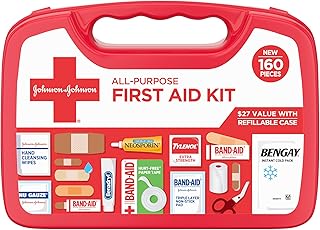
First-aid kit
-
Emergency blanket
-
Whistle or emergency signal
-
Fully charged phone + power bank
For remote locations:
-
GPS device or offline maps
-
Satellite communicator
Watch for Cold-Related Symptoms
Know the signs of:
-
Hypothermia
-
Frostbite
-
Dehydration
If you feel numb, dizzy, or disoriented—stop shooting and warm up.
7. Food & Hydration in Cold Environments
Cold suppresses thirst but increases calorie burn.
What to Pack
-
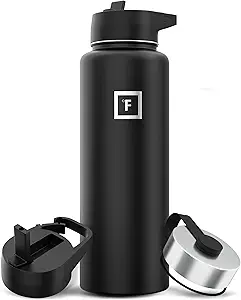
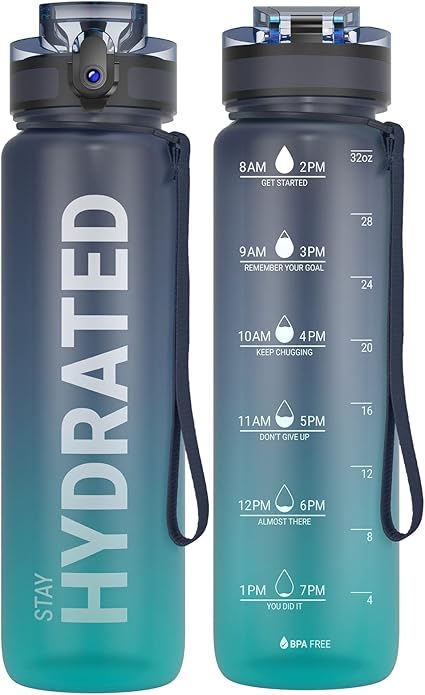
Insulated water bottle
-
Thermos with hot drinks
-
High-energy snacks:
-
trail mix
-
protein bars
-
nuts
-
dark chocolate
-
Eat small amounts regularly to maintain energy.
8. Footwear & Mobility on Ice and Snow
Slips are one of the biggest risks during winter shoots.
Footwear Essentials
-
Waterproof insulated boots
-
Wool socks
-
Gaiters for deep snow
Traction Tools
-
Ice cleats or microspikes
-
Trekking poles for stability
Secure footing helps protect both you and your gear.
9. Mental Preparation for Cold Weather Shoots
Cold weather photography tests patience and mindset.
Stay Focused by:
-
Planning shots in advance
-
Keeping shoots shorter but frequent
-
Taking warm breaks
-
Celebrating small wins
A calm mindset improves creativity and decision-making.
10. Travel Tips for Cold Destinations
If your shoot involves travel, plan ahead.
Smart Cold-Weather Travel Tips
-
Check weather forecasts daily
-
Allow extra travel time
-
Pack gear in carry-on luggage
-
Protect electronics during flights
Always prioritize safety over schedules.
11. Quick Cold Weather Shoot Checklist
Clothing
✔ Thermal layers
✔ Insulated jacket
✔ Waterproof outerwear
✔ Gloves, hat, scarf
Photography Gear
✔ Camera & lenses
✔ Extra batteries
✔ Tripod
✔ Camera cover
Safety & Comfort
✔ Headlamp
✔ Snacks & thermos
✔ Hand warmers
✔ First-aid kit
Final Thoughts: Confidence Comes from Preparation
Cold weather shoots are challenging but deeply rewarding. Snow transforms landscapes, light becomes softer, and silence adds emotion to every frame. With smart packing, proper clothing, and thoughtful gear care, you can survive and thrive in cold conditions.
Remember:
-
Dress in layers
-
Protect your camera
-
Manage batteries wisely
-
Stay safe and listen to your body
When you’re warm, prepared, and confident, cold weather becomes an ally not an obstacle and your images will reflect the beauty of winter at its best.