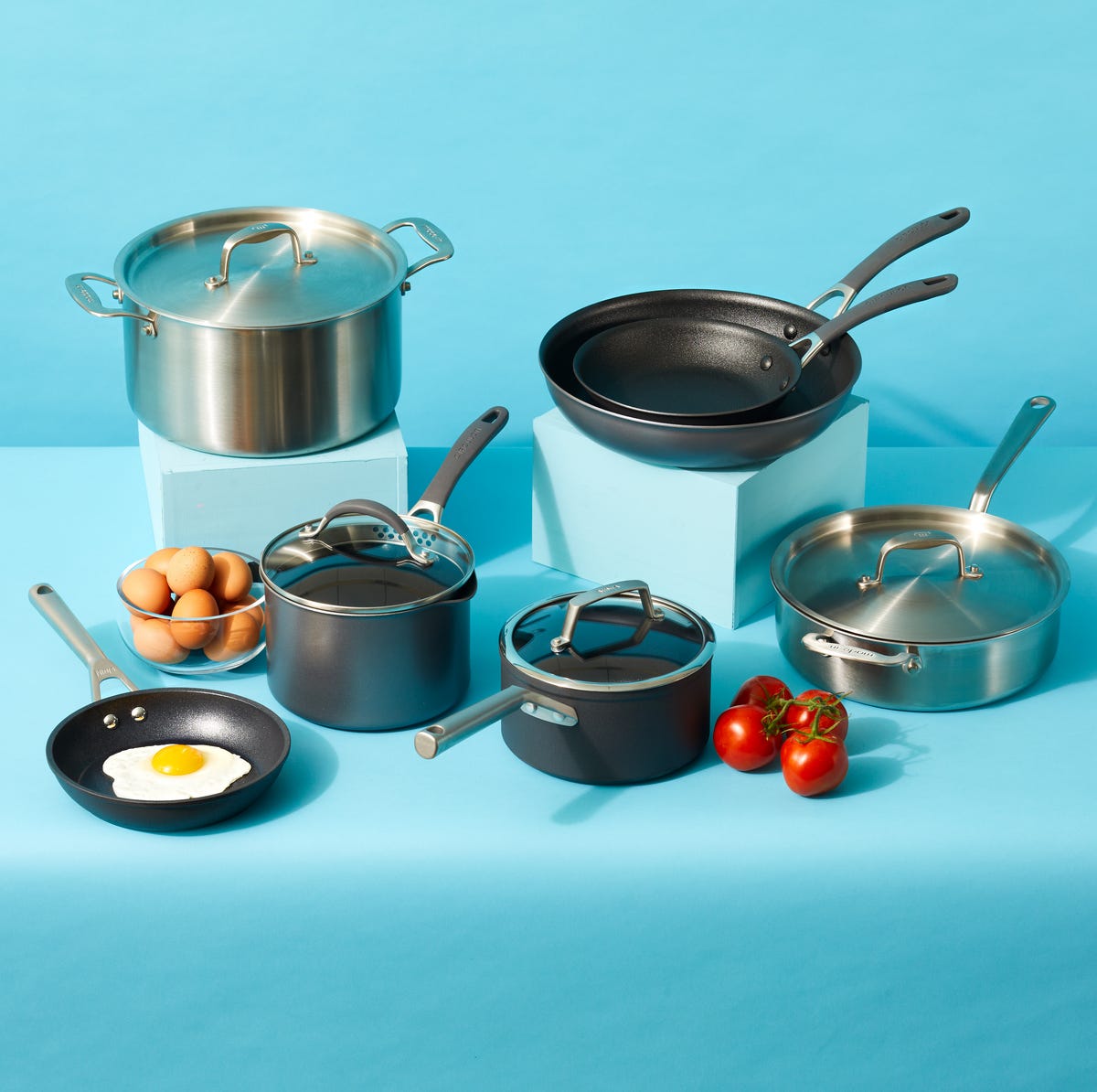
Stainless Steel vs Nonstick Cookware: Which Should You Buy?
Choosing the right cookware can make a huge difference in your cooking experience. Whether you're setting up a new kitchen or replacing old pots and pans, one question comes up again and again: Should you buy stainless steel or nonstick cookware?
Both materials have their strengths and weaknesses. Stainless steel is known for durability, versatility, and professional-grade cooking performance, while nonstick cookware offers convenience, easy food release, and hassle-free cleanup.
In this guide, we'll compare stainless steel vs nonstick cookware in detail, helping you decide which option best suits your cooking style, budget, and long-term needs.
Stainless Steel Cookware: An Overview
Stainless steel cookware is made from an alloy of steel containing chromium and often nickel, making it resistant to rust, corrosion, and staining. High-quality stainless steel cookware usually features an aluminum or copper core that improves heat conductivity.
Professional chefs often prefer stainless steel because it provides excellent control during cooking and can handle high temperatures without damage.
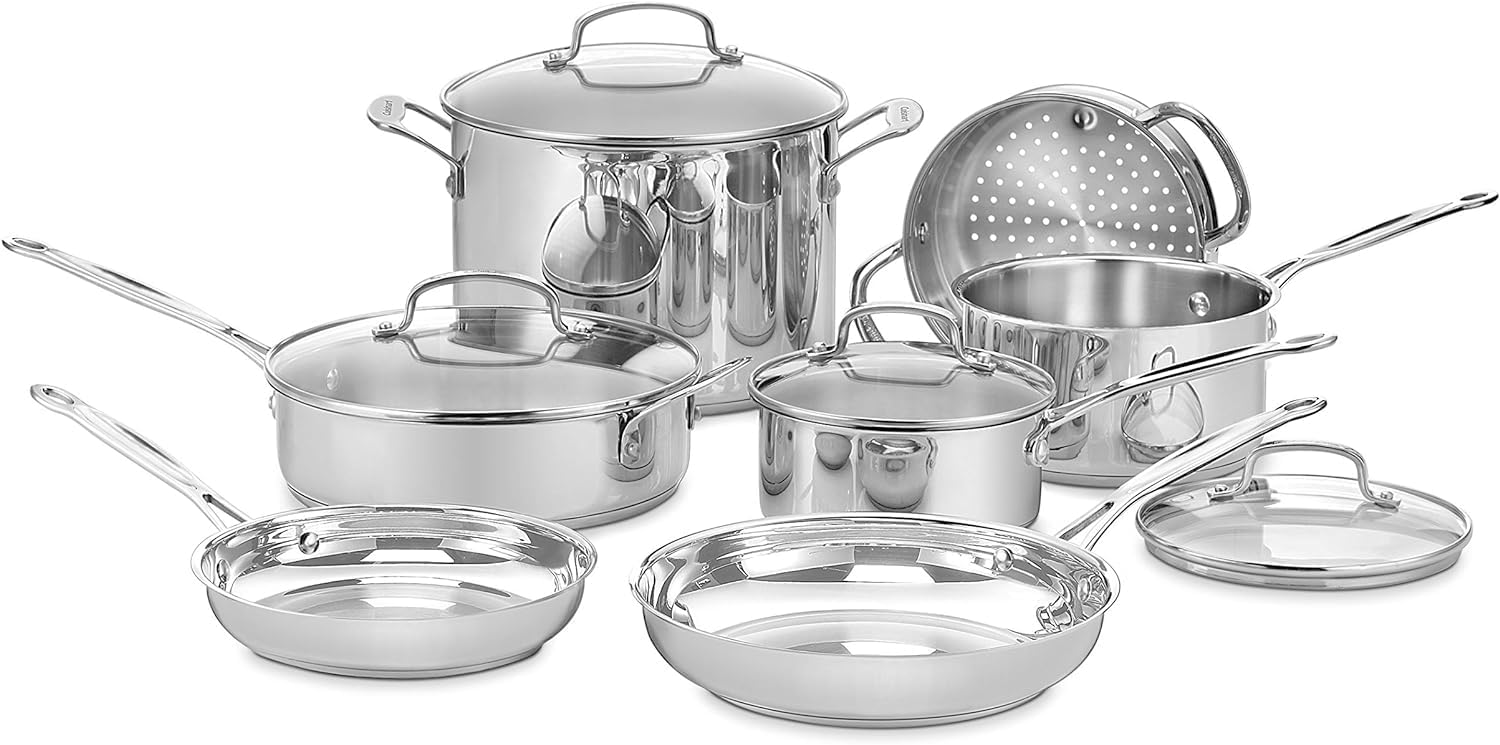
Pros of Stainless Steel Cookware
Exceptional Durability
One of the biggest advantages of stainless steel cookware is its longevity. A well-maintained stainless steel pan can last decades without losing performance.
High-Heat Cooking
Stainless steel performs exceptionally well for:
- Searing steaks
- Browning chicken
- Caramelizing onions
- Deglazing sauces
- Pan roasting
Unlike nonstick cookware, stainless steel can safely handle temperatures above 500°F.
Scratch Resistant
Metal utensils generally won't damage quality stainless steel cookware, making it perfect for everyday use.
Oven and Broiler Safe
Most stainless steel cookware can move directly from stovetop to oven, making it ideal for recipes that require finishing in the oven.
Chemical-Free Cooking Surface
Stainless steel has no coating that can peel or wear away over time.
Cons of Stainless Steel Cookware
Although stainless steel offers many benefits, it also has some drawbacks.
Food Can Stick
Cooking eggs, pancakes, or delicate fish requires proper preheating and enough cooking oil. Beginners may find food sticking frustrating.
Learning Curve
Stainless steel rewards proper cooking techniques, but it isn't as forgiving as nonstick cookware.
Higher Initial Cost
Premium stainless steel cookware often costs more than nonstick alternatives, although it usually lasts much longer.
What Is Nonstick Cookware?
Nonstick cookware features a special coating that prevents food from sticking to the cooking surface. Modern nonstick pans are typically made from aluminum with ceramic or PTFE-based coatings.
These pans have become incredibly popular because they make cooking and cleaning much easier.
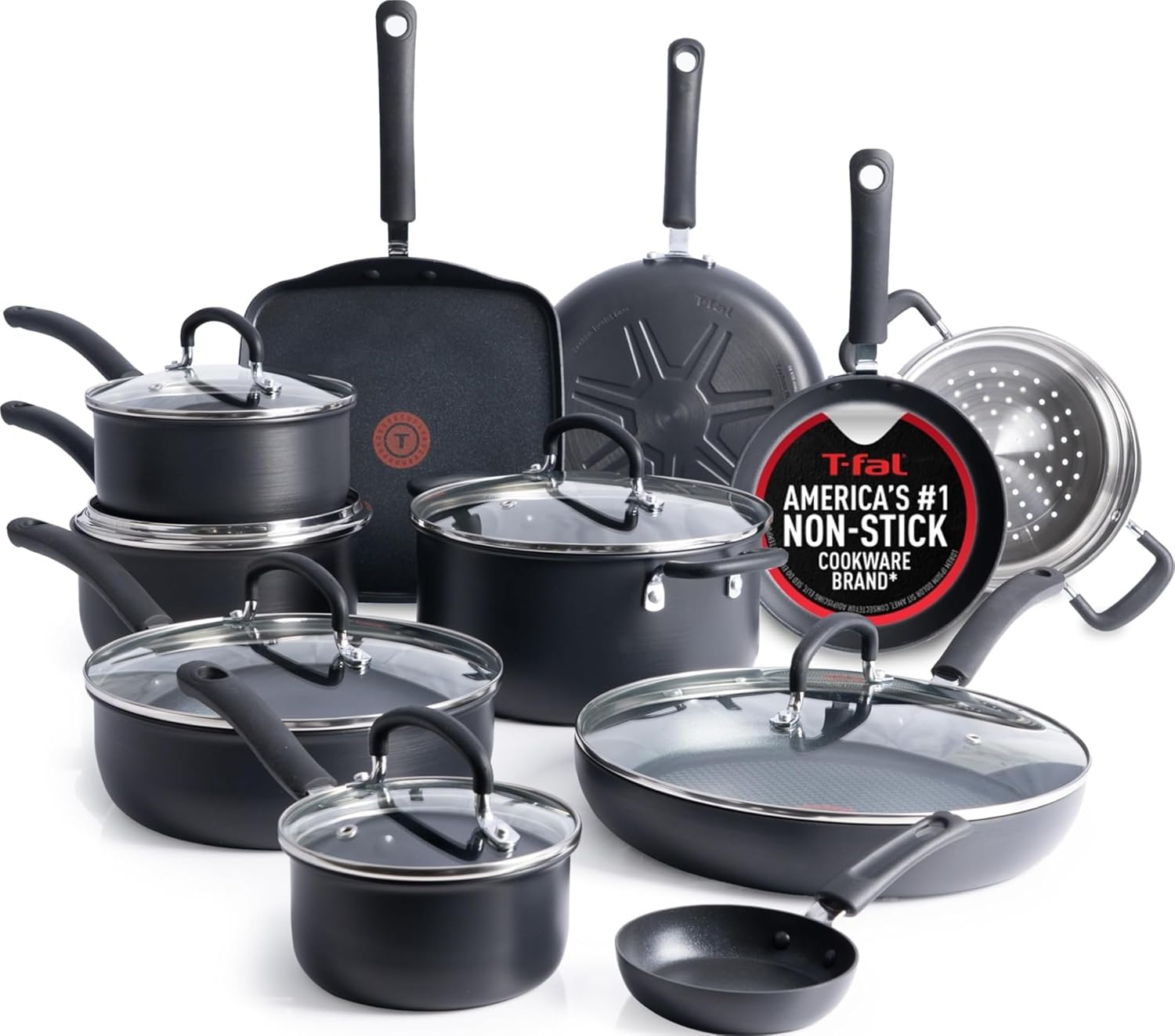
Pros of Nonstick Cookware
Easy Food Release
Eggs, pancakes, grilled cheese sandwiches, and delicate fish slide right off the surface with minimal effort.
Uses Less Oil
Because food doesn't stick easily, you can cook with less butter or oil, making meals lighter.
Fast Cleanup
Most food residue wipes away with a soft sponge, saving valuable time after meals.
Great for Beginners
If you're still learning to cook, nonstick cookware is much easier to use than stainless steel.
Lightweight
Most nonstick pans are lighter than stainless steel, making them easier to lift and maneuver.
Cons of Nonstick Cookware
Shorter Lifespan
Even high-quality nonstick coatings gradually wear out after years of regular use.
Sensitive to High Heat
Excessive temperatures can damage the coating and reduce cooking performance.
Limited Utensil Choices
Metal utensils may scratch many nonstick coatings. Silicone, wood, or nylon utensils are recommended.
Not Ideal for Browning
Nonstick cookware doesn't develop the same flavorful crust that stainless steel creates during searing.
Stainless Steel vs Nonstick Cookware Comparison
| Feature | Stainless Steel | Nonstick |
|---|---|---|
| Durability | Excellent | Moderate |
| Lifespan | 20+ years | 3–7 years |
| High-Heat Cooking | Excellent | Limited |
| Easy Cleanup | Moderate | Excellent |
| Food Release | Requires technique | Excellent |
| Searing Meat | Excellent | Fair |
| Eggs & Pancakes | Moderate | Excellent |
| Dishwasher Safe | Often yes | Usually hand wash recommended |
| Oven Safe | Most models | Depends on coating |
| Scratch Resistance | Excellent | Limited |
Which Is Better for Different Types of Cooking?
Choose Stainless Steel If You:
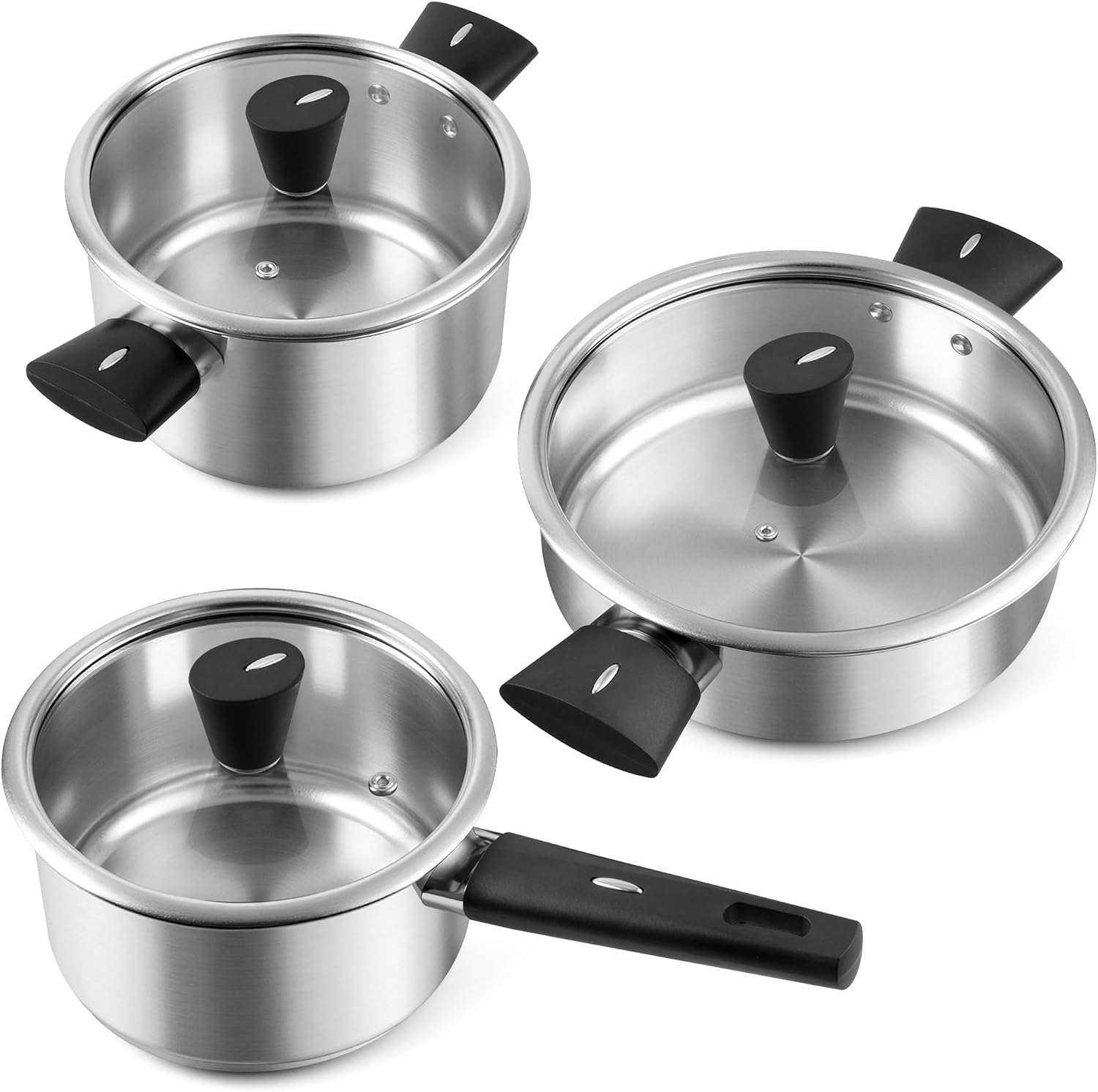 Featured product
Stainless Steel Pots and Pans Set
Stainless Steel Pots and Pans Set, 6-Piece Non Toxic Cookware Set with Glass Lids, Saucepan, Stockpot & Sauté Pan, Induction Compatible, Dishwasher Safe, Even Heating Kitchen Cooki...
View Product
Featured product
Stainless Steel Pots and Pans Set
Stainless Steel Pots and Pans Set, 6-Piece Non Toxic Cookware Set with Glass Lids, Saucepan, Stockpot & Sauté Pan, Induction Compatible, Dishwasher Safe, Even Heating Kitchen Cooki...
View Product
- Cook meat frequently
- Make sauces
- Love browning foods
- Roast foods in the oven
- Want cookware that lasts decades
- Don't mind learning proper cooking techniques
Stainless steel excels in recipes where browning creates extra flavor.
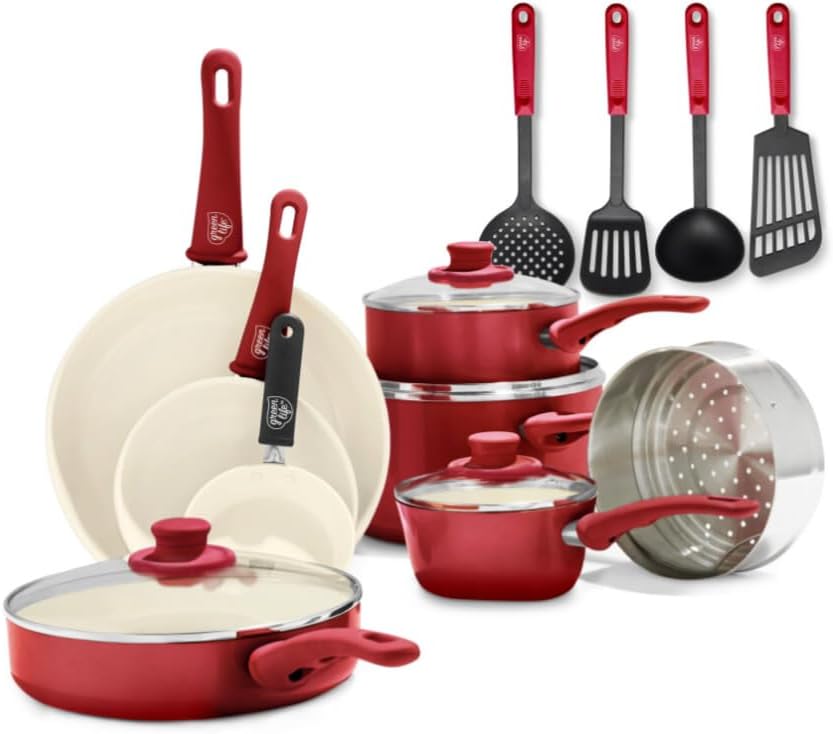
Choose Nonstick If You:
- Cook eggs every morning
- Make pancakes often
- Want effortless cleanup
- Prefer low-fat cooking
- Are new to cooking
- Need lightweight cookware
Nonstick is ideal for delicate foods that easily stick to traditional pans.
Which Cookware Is Healthier?
Both stainless steel and modern nonstick cookware are considered safe when used correctly.
Stainless Steel
Stainless steel contains no artificial coating and remains stable even at high temperatures.
Modern Nonstick
Today's reputable nonstick cookware is manufactured without PFOA, a chemical that was phased out years ago. However, users should avoid overheating the pan and replace it if the coating becomes heavily scratched or begins peeling.
Overall, both options are safe when purchased from trusted brands and used according to manufacturer guidelines.
Heat Distribution
Heat distribution depends more on cookware construction than the surface itself.
High-quality stainless steel cookware often includes aluminum or copper cores for even heating.
Most nonstick cookware uses aluminum, which heats quickly and evenly but may lose heat faster than multi-ply stainless steel.
If cooking precision matters, premium stainless steel usually performs better.
Maintenance and Care
Stainless Steel
To extend the life of stainless steel cookware:
- Preheat before adding oil
- Avoid drastic temperature changes
- Remove discoloration with vinegar if needed
- Use stainless steel cleaner occasionally
- Dishwasher safe for many models
Nonstick
For maximum lifespan:
- Use low to medium heat
- Hand wash whenever possible
- Avoid metal utensils
- Don't stack pans without protection
- Replace when coating deteriorates
Proper care can significantly extend the lifespan of nonstick cookware.
Cost Comparison
Stainless Steel
Quality stainless steel cookware requires a larger upfront investment but often lasts 20 years or longer.
Nonstick
Nonstick cookware usually costs less initially but requires replacement every few years, increasing long-term ownership costs.
If you're looking for cookware that provides the best long-term value, stainless steel often wins despite its higher purchase price.
Can You Own Both?
Absolutely.
In fact, many professional chefs recommend having both stainless steel and nonstick cookware in your kitchen.
A practical setup might include:
- Stainless steel skillet for meats
- Stainless steel saucepan for sauces
- Stainless steel stockpot for soups
- Nonstick frying pan for eggs
- Nonstick sauté pan for delicate fish
This combination allows you to enjoy the strengths of both materials without compromising performance.
Common Myths About Stainless Steel and Nonstick Cookware
Myth 1: Stainless Steel Always Sticks
Not necessarily. Proper preheating, enough cooking oil, and allowing food to naturally release can significantly reduce sticking.
Myth 2: Nonstick Cookware Is Unsafe
Modern, high-quality nonstick cookware is safe for everyday cooking when used within recommended temperature limits and replaced if the coating becomes damaged.
Myth 3: Stainless Steel Is Too Difficult for Home Cooks
While it requires a bit more technique, most home cooks quickly learn how to use stainless steel effectively with regular practice.
Myth 4: Expensive Cookware Always Performs Better
Higher-priced cookware often offers better construction and durability, but the best choice depends on your cooking habits rather than price alone.
Final Verdict: Stainless Steel vs Nonstick Cookware
There isn't a one-size-fits-all answer because both cookware types serve different purposes.
If durability, versatility, and professional-level cooking are your priorities, stainless steel cookware is the better investment. It handles high heat, lasts for decades, and excels at browning and searing.
If convenience, easy cleanup, and cooking delicate foods are more important, nonstick cookware is the better choice. It's perfect for everyday breakfasts, low-oil cooking, and beginner-friendly meal preparation.
For most home kitchens, the smartest solution is owning both. A quality stainless steel set paired with one or two reliable nonstick pans gives you the flexibility to tackle nearly any recipe with confidence.
By understanding the strengths and limitations of each material, you can invest in cookware that matches your cooking style and delivers excellent performance for years to come.