Remote Cabin Retreat: Essential Gear for the Perfect Off-Grid Weekend
There’s something deeply refreshing about escaping the noise of everyday life and retreating to a remote cabin surrounded by nature. Whether tucked away in the mountains, hidden beside a quiet lake, or deep within a forest, off-grid cabins offer the perfect opportunity to disconnect from technology and reconnect with simplicity, peace, and adventure.
But while remote cabin retreats can be relaxing and memorable, they also require thoughtful preparation. Unlike hotels or urban accommodations, off-grid cabins may lack modern conveniences such as stable electricity, nearby stores, reliable internet, or even running water. Packing the right essentials can make the difference between a stressful trip and an unforgettable weekend getaway.
Here’s your complete guide to the essential gear you need for the perfect off-grid cabin retreat.
Why Remote Cabin Retreats Are Becoming Popular
Modern travelers are increasingly searching for meaningful escapes away from crowded cities and busy tourist destinations. Remote cabin vacations provide:
- Peaceful natural surroundings
- Digital detox opportunities
- Outdoor adventure experiences
- Better mental relaxation
- Sustainable and minimalist travel experiences
From cozy winter cabins to lakeside summer lodges, off-grid retreats offer a slower pace of life that helps travelers recharge both mentally and physically.
However, because these locations are often isolated, preparation is key.
1. Reliable Outdoor Clothing
Weather conditions in remote areas can change quickly, especially in forests, mountains, or lakeside environments. Layered clothing is essential for staying comfortable throughout your trip.
Important Clothing Essentials:
- Thermal base layers
- Waterproof jackets
- Insulated hoodies or fleece
- Hiking pants
- Warm socks
- Gloves and beanies
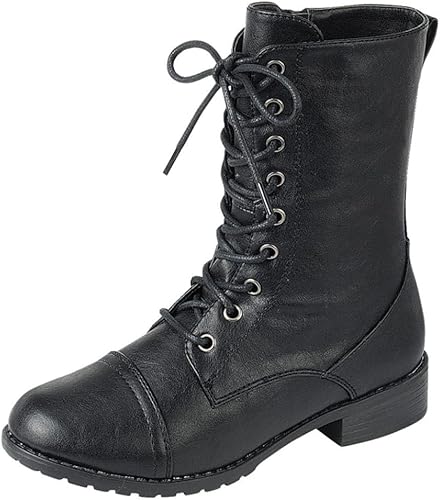
- Durable hiking boots
Choose lightweight but weather-resistant clothing that keeps you warm without taking up too much luggage space.
For colder destinations, prioritize moisture-wicking fabrics that prevent dampness during outdoor activities.
2. Portable Lighting Solutions
Many remote cabins have limited electricity or rely on solar power systems. Portable lighting becomes one of the most important items to pack.
Must-Have Lighting Gear:
- Rechargeable lanterns
- LED flashlights
- Headlamps
- Solar-powered lights
- Backup batteries
Headlamps are especially useful for nighttime walks, cooking outdoors, or navigating dark cabin surroundings safely.
Solar-powered lanterns are excellent eco-friendly options for extended off-grid stays.
3. Power Banks & Portable Energy Sources
Even during a digital detox, you’ll still want to keep essential devices charged for safety, navigation, and emergencies.
Recommended Power Essentials:
- High-capacity power banks
- Solar chargers
- Portable power stations
- Charging cables
- Multi-port USB adapters
Portable solar panels are becoming increasingly popular among off-grid travelers because they provide sustainable charging options without requiring electricity access.
A reliable power source is especially useful if you’re carrying:
- GPS devices
- Smartphones
- Cameras
- Emergency radios
- E-readers
4. Compact Cooking Equipment
Some remote cabins include kitchens, while others offer only basic cooking setups. Bringing compact cooking essentials ensures you can prepare meals comfortably.
Cabin Cooking Essentials:
- Portable stove or camping burner
- Lightweight cookware
- Reusable utensils
- Insulated mugs
- Water bottles
- Portable coffee maker
- Food storage containers
Simple meals work best for cabin retreats. Consider easy-to-cook foods such as:
- Instant noodles
- Soup packets
- Oatmeal
- Sandwich ingredients
- Trail mix
- Coffee or tea supplies
Don’t forget extra drinking water if your cabin doesn’t provide filtered water access.
5. Emergency & Safety Supplies
Safety should always be a priority when visiting isolated locations. Remote cabins are often far from medical facilities or convenience stores.
Essential Safety Gear:
- First aid kit
- Emergency blanket
- Multi-tool knife
- Fire starters or waterproof matches
- Whistle
- Emergency flashlight
- Basic medications
- Insect repellent
- Sunscreen
If you’re hiking nearby trails, offline maps and GPS tools can also help prevent navigation problems.
A small emergency preparedness kit offers peace of mind throughout your trip.
6. Comfortable Sleeping Essentials
Even if your cabin provides beds, bringing extra comfort items can improve your sleep quality significantly.
Sleeping Gear to Pack:
- Sleeping bag
- Travel pillow
- Extra blankets
- Eye mask
- Earplugs
- Cozy loungewear
Cabin temperatures often drop at night, especially during colder seasons. Thermal blankets and insulated sleeping bags help maintain warmth without relying heavily on heating systems.
7. Outdoor Adventure Equipment
One of the biggest reasons people choose remote cabin retreats is to enjoy outdoor activities and nature exploration.
Adventure Gear Ideas:
- Hiking backpack
- Trekking poles
- Fishing equipment
- Binoculars
- Camera gear
- Outdoor seating mats
- Portable hammock
Nature lovers may also enjoy:
- Birdwatching
- Stargazing
- Photography
- Forest walks
- Canoeing
- Campfire evenings
A lightweight daypack helps organize essentials during outdoor excursions.
8. Food & Snack Preparation
Remote destinations may not have nearby grocery stores, so meal planning is extremely important.
Smart Cabin Food Ideas:
- Non-perishable snacks
- Protein bars
- Nuts and dried fruits
- Instant coffee or tea
- Energy drinks
- Canned food
- Ready-to-cook meals
Coolers or insulated food bags help preserve perishables during transport.
Packing extra food is always wise in case weather or road conditions delay travel plans.
9. Entertainment for a Digital Detox
One of the best parts of a remote cabin weekend is slowing down and enjoying life away from screens.
Relaxing Cabin Entertainment Ideas:
- Books or e-readers
- Card games
- Journals
- Board games
- Acoustic instruments
- Sketchbooks
Without constant notifications and online distractions, cabin retreats create opportunities for deeper relaxation and creativity.
Many travelers discover that simple offline activities become far more enjoyable in peaceful natural surroundings.
10. Sustainable & Eco-Friendly Travel Gear
Off-grid travel often goes hand-in-hand with sustainable living. Eco-friendly gear helps minimize environmental impact while supporting responsible tourism.
Sustainable Travel Essentials:
- Reusable water bottles
- Bamboo utensils
- Solar-powered gadgets
- Eco-friendly toiletries
- Reusable shopping bags
- Biodegradable soap products
When staying in remote environments, always follow Leave No Trace principles:
- Dispose of waste properly
- Respect wildlife
- Avoid damaging natural areas
- Minimize campfire impact
Sustainable travel protects these beautiful locations for future visitors.
Tips for Planning the Perfect Remote Cabin Weekend
Preparation goes beyond packing. Here are additional tips to make your retreat smoother and more enjoyable.
Research the Cabin Amenities
Before leaving, confirm:
- Electricity availability
- Water access
- Heating systems
- Wi-Fi availability
- Kitchen facilities
- Nearby emergency services
Knowing what’s included prevents overpacking or forgetting essentials.
Check Weather Conditions
Weather can dramatically affect remote travel conditions.
Always monitor:
- Rain forecasts
- Snow conditions
- Road accessibility
- Temperature changes
Pack extra layers and emergency supplies if severe weather is possible.
Download Offline Maps
Cell service may disappear entirely in remote locations. Download offline navigation maps before departure.
Useful offline tools include:
- Hiking maps
- GPS routes
- Emergency contact information
Having offline access improves safety and reduces stress during travel.
Inform Someone About Your Trip
When visiting isolated destinations, let a family member or friend know:
- Cabin location
- Travel dates
- Emergency contacts
- Expected return time
This extra precaution is especially important for solo travelers.
The Growing Appeal of Off-Grid Travel
As more people seek balance between work, technology, and personal well-being, off-grid cabin retreats continue gaining popularity worldwide.
Travelers are increasingly prioritizing:
- Mental wellness
- Outdoor experiences
- Sustainable tourism
- Minimalist lifestyles
- Digital detox vacations
Remote cabins offer a rare chance to unplug, breathe fresh air, and reconnect with nature in meaningful ways.
Whether you’re sitting beside a crackling fireplace, hiking quiet forest trails, or watching stars far away from city lights, these experiences create lasting memories that modern urban life often cannot provide.
Final Thoughts
A remote cabin retreat can be one of the most rewarding travel experiences when properly planned. The right gear not only improves comfort but also ensures safety, convenience, and peace of mind throughout your off-grid adventure.
From portable lighting and emergency supplies to cozy clothing and sustainable travel tools, careful preparation allows you to fully enjoy the beauty of nature without unnecessary stress.
Whether you’re planning a solo escape, a romantic weekend, or a peaceful family getaway, packing smart will help you make the most of your remote cabin experience.
Sometimes, the best vacations aren’t about luxury or crowded attractions they’re simply about slowing down, unplugging, and appreciating the quiet beauty of the natural world.