Power Plant Tour Prep: Essential Tips for a Safe and Fascinating Industrial Visit
Power plants are among the most important industrial facilities in the modern world. They generate the electricity that powers homes, businesses, schools, hospitals, transportation systems, and nearly every aspect of daily life. While most people use electricity every day, few truly understand the massive systems and engineering behind its production.
That is why power plant tours have become increasingly popular for students, travelers, engineering enthusiasts, and educational groups. Visiting a power plant offers a rare opportunity to explore advanced machinery, energy production systems, and industrial operations up close.
However, power plants are highly controlled industrial environments where safety, preparation, and awareness are extremely important. This guide covers everything you need to know before visiting a power plant, including safety tips, packing essentials, tour expectations, and ways to make the most of your industrial adventure.
Why Power Plant Tours Are So Fascinating
Power plants are engineering marvels designed to produce enormous amounts of electricity efficiently and safely. A guided tour provides visitors with a behind-the-scenes look at how energy is generated and distributed.
Visitors often get to see:
- Massive turbines
- Control rooms
- Cooling systems
- Energy generators
- Safety operations
- Advanced industrial technology
These tours combine education, science, engineering, and real-world industrial operations into one unforgettable experience.
For students and technology enthusiasts, power plant tours provide practical insights that textbooks alone cannot offer.
Types of Power Plants You May Visit
Not all power plants operate the same way. Different facilities use different energy sources to generate electricity.
Thermal Power Plants
Thermal plants generate electricity by burning fuels such as coal, natural gas, or oil to produce steam that powers turbines.
Visitors may observe:
- Boilers
- Steam systems
- Turbine halls
- Cooling towers
These plants are often massive industrial complexes with impressive machinery and infrastructure.
Hydroelectric Power Plants
Hydroelectric plants use flowing water to generate electricity.
These facilities are often located near:
- Rivers
- Dams
- Reservoirs
Visitors may learn about:
- Water turbines
- Renewable energy systems
- Flood control operations
Hydroelectric tours often combine engineering with beautiful natural surroundings.
Nuclear Power Plants
Nuclear plants generate electricity through controlled nuclear reactions.
These tours are highly regulated and focus heavily on:
- Radiation safety
- Reactor technology
- Security procedures
- Energy efficiency
Due to strict regulations, access may be limited in certain areas.
Solar and Wind Power Facilities
Renewable energy tours have become increasingly popular in recent years.
Visitors can explore:
- Solar panel farms
- Wind turbines
- Sustainable energy systems
- Green technology innovations
These tours help demonstrate the future of environmentally friendly power generation.
Important Safety Rules Before Visiting
Safety is the most important part of any industrial tour.
Power plants contain:
- High-voltage equipment
- Heavy machinery
- Restricted areas
- Industrial hazards
Visitors must follow all instructions carefully throughout the tour.
Wear Appropriate Clothing
Many power plants require visitors to follow strict dress codes.
Recommended clothing includes:
- Long pants
- Closed-toe shoes
- Comfortable walking shoes
- Weather-appropriate layers
Avoid:
- Sandals
- Loose accessories
- High heels
- Short skirts or shorts in restricted facilities
Industrial sites prioritize safety over fashion.
Personal Protective Equipment (PPE)
Some power plant tours provide safety gear before entering operational areas.
Common PPE may include:
- Safety helmets
- Safety glasses
- Ear protection
- Reflective vests
Always wear protective equipment properly and follow all instructions from tour staff.
Essential Items to Bring on a Power Plant Tour
Identification and Tour Documents
Most power plants require identification before entry.
Bring:
- Government-issued ID
- Tour confirmation documents
- Visitor passes if required
Security procedures may be stricter at energy facilities compared to regular tourist attractions.
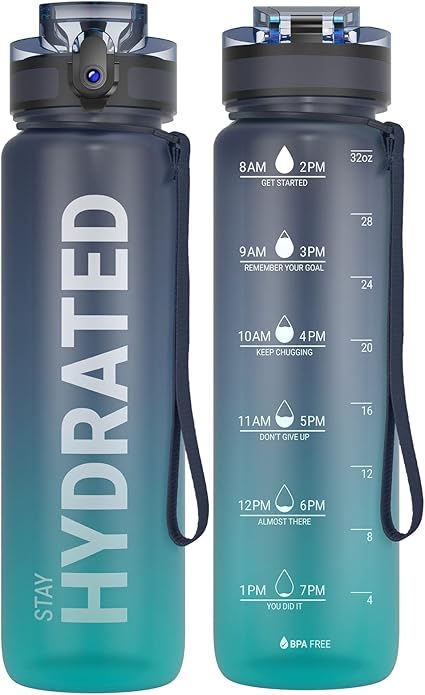
Water Bottle
Industrial tours often involve walking long distances through large facilities.
A reusable water bottle helps visitors stay hydrated during the experience.
However, always check whether outside drinks are permitted in operational areas.
Notebook or Smartphone for Notes
Engineering and science enthusiasts may want to take notes during the tour.
Useful things to document:
- Machinery details
- Energy production methods
- Industrial processes
- Safety systems
Some facilities allow photography, while others prohibit it for security reasons.
Always ask before taking pictures.
Lightweight Backpack
A small backpack can help carry essentials comfortably.
Avoid oversized bags because some plants may restrict large personal items.
Carry only what you need for convenience and easier movement.
What to Expect During the Tour
Security Screening
Many power plants use airport-style security procedures.
Visitors may experience:
- Bag checks
- Metal detectors
- ID verification
- Restricted item inspections
Arriving early helps avoid delays during check-in.
Guided Educational Sessions
Most tours begin with an introduction explaining:
- How the plant operates
- Safety procedures
- Tour routes
- Emergency instructions
Visitors often watch educational videos or presentations before entering operational areas.
Exploring Industrial Areas
Depending on the facility, tours may include:
- Generator rooms
- Control centers
- Observation platforms
- Cooling systems
- Turbine halls
The size and scale of industrial equipment often surprise first-time visitors.
Many machines are enormous and produce impressive amounts of energy continuously.
Understanding How Electricity Is Generated
One of the most interesting parts of a power plant tour is learning how electricity moves from energy sources to homes and businesses.
Most power plants follow a process involving:
- Energy creation
- Turbine movement
- Generator operation
- Power transmission
- Distribution through electrical grids
Seeing these systems in action helps visitors better appreciate the complexity of modern infrastructure.
Educational Benefits of Power Plant Tours
Power plant tours are highly educational for:
- Students
- Engineers
- Science enthusiasts
- Environmental researchers
- Travelers interested in industrial tourism
Visitors gain practical understanding of:
- Physics
- Engineering
- Energy systems
- Sustainability
- Industrial operations
Real-world industrial exposure often inspires students interested in STEM careers.
Photography Tips for Industrial Tours
If photography is allowed, power plants can offer unique industrial photo opportunities.
Interesting photography subjects:
- Massive turbines
- Pipes and valves
- Control panels
- Cooling towers
- Industrial architecture
- Energy infrastructure
Helpful photography tips:
- Follow all photography rules
- Avoid flash near equipment
- Capture wide industrial shots
- Focus on machinery details
Industrial photography creates visually dramatic and educational images.
Common Restrictions During Power Plant Tours
Visitors should expect certain rules and restrictions.
Common restrictions may include:
- No unauthorized photography
- No touching machinery
- Restricted access areas
- No food in operational zones
- Limited phone use
Following rules ensures safety and keeps tours running smoothly.
Environmental and Sustainability Insights
Modern power plants increasingly focus on reducing environmental impact.
Tours often explain:
- Emission control systems
- Renewable energy technologies
- Water conservation
- Sustainable engineering practices
Visitors can learn how the energy industry is evolving toward cleaner and more efficient solutions.
Tips for Students Visiting Power Plants
Students can maximize learning opportunities by preparing ahead of time.
Helpful student tips:
- Research the plant beforehand
- Prepare questions for guides
- Take notes during explanations
- Observe safety systems carefully
- Connect lessons to classroom concepts
Power plant tours can make science and engineering topics feel more practical and engaging.
Why Industrial Tourism Is Growing
Industrial tourism has become increasingly popular because travelers want unique educational experiences beyond traditional sightseeing.
People are now interested in:
- Factories
- Engineering sites
- Manufacturing plants
- Energy facilities
- Historic industrial locations
Power plants combine technology, science, and large-scale operations into one fascinating experience.
Common Mistakes Visitors Should Avoid
Ignoring Safety Instructions
Industrial facilities are not ordinary tourist attractions. Safety instructions must always be followed carefully.
Wearing Improper Footwear
Open shoes or uncomfortable footwear can create safety risks during industrial tours.
Always wear sturdy closed-toe shoes.
Bringing Restricted Items
Some facilities prohibit:
- Large bags
- Drones
- Professional cameras
- Certain electronics
Check visitor guidelines before arriving.
Arriving Late
Security procedures and scheduled group tours often operate on strict timelines.
Arriving early helps ensure smooth entry.
The Future of Power Generation
Many power plants are evolving to support cleaner and smarter energy production.
Future innovations include:
- Renewable energy expansion
- Smart grid systems
- Battery storage technology
- Carbon reduction systems
- Sustainable engineering solutions
Tours increasingly highlight these modern developments to educate visitors