Paws, Purpose & Packing Smart: The Ultimate Day at an Animal Shelter Volunteer Gear Guide
Spending a day volunteering at an animal shelter is one of the most meaningful ways to give back to your community. Whether you’re walking energetic dogs, socializing shy cats, helping clean kennels, or assisting with adoption events, every task helps improve the lives of animals waiting for their forever homes.
However, a successful and enjoyable volunteer day isn’t just about showing up it’s about coming prepared. Animal shelters can be busy, active environments that involve physical work, outdoor areas, and close interaction with animals. Packing the right gear helps you stay comfortable, safe, and focused on what truly matters: caring for the animals.
This guide covers everything you should bring for a productive and rewarding day at an animal shelter.
Why Preparation Matters for Shelter Volunteering
Animal shelters rely heavily on volunteers to support daily operations. Volunteers often assist with tasks such as:
-
Walking dogs
-
Cleaning cages and kennels
-
Preparing food and water bowls
-
Socializing animals
-
Helping with adoption events
-
Organizing supplies
These activities can involve standing, walking, lifting, and working in indoor and outdoor environments. Being prepared with the right clothing and essentials ensures you can help efficiently without feeling uncomfortable or distracted.
Comfortable Clothing: Dress for the Day
One of the first things to consider is what you wear. Shelter volunteering can involve physical activity, so comfort and practicality are key.
Choose Durable Clothing
Select clothes you don’t mind getting a little dirty. Working with animals can involve mud, fur, water spills, and cleaning supplies.
Good clothing choices include:
-
T-shirts or breathable tops
-
Comfortable jeans or durable pants
-
Athletic leggings
-
Lightweight layers for changing temperatures
Avoid delicate fabrics or loose clothing that could snag on kennels or equipment.
Closed-Toe Shoes Are Essential
Footwear is one of the most important parts of your volunteer outfit.
Animal shelters often have:
-
Wet floors
-
Outdoor walking areas
-
Gravel or concrete surfaces
Wear sturdy closed-toe shoes such as:
-
Sneakers
-
Walking shoes
-
Lightweight hiking shoes
Avoid sandals, flip-flops, or open-toe shoes for safety reasons.
Comfortable footwear will also make it easier to stay active throughout your shift.
Must-Have Essentials to Bring
While shelters provide most tools needed for animal care, bringing a few personal essentials can make your volunteer experience smoother.
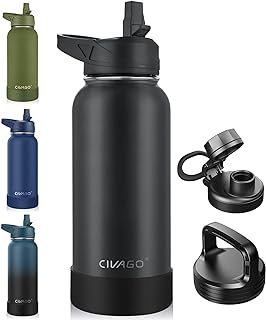
Reusable Water Bottle
Volunteering can involve several hours of activity, especially if you’re walking dogs or helping outdoors. Staying hydrated keeps your energy levels up and helps you stay focused.
A reusable water bottle is easy to carry and environmentally friendly.
Small Backpack or Tote Bag
A compact bag is useful for holding your personal items.
Keep it light and simple. Your bag might include:
-
Water bottle
-
Snacks
-
Phone
-
Hand sanitizer
-
Extra clothing layer
Avoid bringing large bags since space in shelter areas can be limited.
Snacks for Energy
If your volunteer shift lasts several hours, having a small snack can be helpful.
Easy snack options include:
-
Granola bars
-
Trail mix
-
Fruit
-
Protein bars
These quick energy boosts help keep you energized while helping animals.
Hygiene & Safety Items
Working closely with animals means it’s important to maintain good hygiene.
Hand Sanitizer
Even though shelters provide handwashing stations, carrying a small bottle of sanitizer is convenient for quick cleaning between tasks.
Wet Wipes or Tissues
Wet wipes can be useful for:
-
Cleaning your hands
-
Wiping off dirt or fur
-
Quick refresh during breaks
These are especially helpful after outdoor activities like dog walking.
Optional Gloves
Some volunteers prefer to bring lightweight work gloves for cleaning tasks or handling equipment.
However, many shelters provide gloves when needed, so check your shelter’s policies before bringing your own.
Weather-Ready Additions
If your volunteer work includes outdoor dog runs or walking trails, it’s smart to prepare for weather changes.
For Sunny Days
Bring items such as:
-
Sunscreen
-
Sunglasses
-
A hat or cap
These help protect you while spending time outdoors with animals.
For Cooler Weather
Early morning volunteer shifts or colder seasons may require extra layers.
Consider bringing:
-
A light jacket
-
A hoodie
-
Gloves in winter
Layering allows you to adjust to temperature changes throughout the day.
Helpful Extras for Animal Lovers
Some optional items can enhance your volunteer experience.
Smartphone or Camera
Many shelters benefit from volunteers taking photos of animals for social media or adoption listings. High-quality photos can help animals get noticed by potential adopters.
Always ask staff before taking pictures, as shelters may have privacy guidelines.
Notebook or Phone Notes
If you regularly volunteer, keeping notes can help you remember:
-
Animal personalities
-
Feeding instructions
-
Training tips from staff
These small observations can help improve the care animals receive.
What NOT to Bring
To keep your volunteer day safe and simple, avoid bringing unnecessary items.
Leave these at home:
-
Expensive jewelry
-
Large handbags
-
Strong perfumes (animals can be sensitive to scents)
-
Loose accessories like scarves
-
Fragile items
Keeping your belongings minimal helps you move freely while working with animals.
Making the Most of Your Shelter Visit
Beyond the gear you bring, your attitude and approach are just as important.
Here are a few tips to make the experience meaningful:
Listen to Shelter Staff
Follow instructions and ask questions if you’re unsure about a task.
Be Patient With Animals
Some animals may be shy or nervous. Calm and gentle behavior helps them feel safe.
Offer Plenty of Attention
Simple actions like petting, playing, or walking animals can reduce stress and improve their mood.
Stay Flexible
Shelter needs can change quickly, so being adaptable helps staff manage daily operations.
The True Reward of Volunteering
Volunteering at an animal shelter is about more than completing tasks it’s about making a difference in the lives of animals who need care, comfort, and compassion.
Every walk, cuddle, and cleaned kennel contributes to a better environment for animals waiting for adoption.
For many volunteers, the experience becomes incredibly rewarding. Not only do you help animals in need, but you also become part of a compassionate community dedicated to animal welfare.
Final Thoughts
A day at an animal shelter can be busy, messy, heartwarming, and unforgettable all at the same time. By packing smart and preparing properly, you’ll be able to focus fully on helping the animals and enjoying the experience.
Bring comfortable clothing, essential supplies, and a positive mindset. Most importantly, bring your compassion.
Because sometimes the smallest acts of kindness like walking a dog or comforting a shy kitten can make the biggest difference. 🐾