Night Sky Adventure Kit: Must-Have Gear for a Perfect Stargazing Experience
There’s something magical about looking up at a sky full of stars. Far away from city lights and daily distractions, stargazing offers a peaceful way to reconnect with nature and explore the wonders of the universe. Whether you’re planning a quiet evening in your backyard, a camping trip under the stars, or a special astronomy night with friends, having the right gear can make your experience far more enjoyable.
A well-prepared night sky adventure kit helps you stay comfortable, organized, and ready to observe celestial objects clearly. From telescopes and star maps to warm blankets and snacks, the right essentials allow you to focus on the beauty of the night sky rather than worrying about what you forgot to pack.
Below is a complete guide to the must-have items for a perfect stargazing experience.
Why Preparation Matters for Stargazing
Stargazing may seem simple—just look up at the sky—but the experience becomes far better with proper planning. Darkness, weather conditions, and location all influence what you can see. Without the right gear, you might struggle with visibility, feel uncomfortable in the cold, or miss important celestial events.
Preparing a stargazing kit helps you:
-
Improve visibility of stars and planets
-
Stay warm and comfortable during long observation sessions
-
Navigate the night sky more easily
-
Protect your equipment
-
Make the experience fun and memorable
Whether you are a beginner or an experienced astronomy enthusiast, preparation turns a casual night outdoors into a fascinating cosmic adventure.
Essential Viewing Equipment
1. Telescope or Binoculars
The most exciting part of stargazing is seeing celestial objects in detail. While the naked eye can reveal constellations and bright planets, telescopes and binoculars bring the night sky to life.
A telescope allows you to observe the moon’s craters, Saturn’s rings, and distant galaxies. Beginners may prefer a simple telescope with easy controls.
Binoculars, on the other hand, are lightweight and portable. They are perfect for spotting star clusters, the moon, and even some planets. Many stargazers actually start with binoculars before upgrading to a telescope.
2. Star Maps or Astronomy Apps
Finding constellations without guidance can be difficult, especially for beginners. A star map or sky guide helps you identify stars, planets, and constellations quickly.
Today, many people use astronomy apps on their smartphones. These apps use GPS to display the night sky in real time. Simply point your phone toward the sky, and the app will label stars and planets instantly.
This makes stargazing both educational and interactive.
3. Red Flashlight
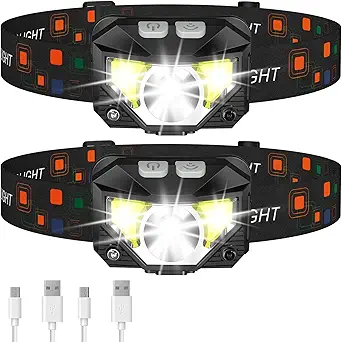
Regular flashlights can ruin your night vision because bright white light forces your eyes to readjust to darkness. A red flashlight is essential because it provides enough light to read maps and adjust equipment without affecting your ability to see faint stars.
Many astronomy enthusiasts keep a red headlamp so their hands remain free while setting up gear.
Comfort Essentials for Long Stargazing Sessions
4. Warm Clothing and Blankets
Even during warm seasons, nighttime temperatures can drop quickly. Stargazing often involves sitting still for long periods, which makes the cold more noticeable.
Pack items such as:
-
Warm jackets
-
Hoodies or sweaters
-
Gloves
-
Thick socks
-
Cozy blankets
Staying warm helps you remain focused and enjoy the experience longer.
5. Portable Chairs or Ground Mats
Looking at the sky while standing can become tiring. Comfortable seating allows you to relax and observe the stars for extended periods.
Consider bringing:
-
Foldable camping chairs
-
Reclining lawn chairs
-
Ground mats or sleeping pads
Reclining chairs are especially useful because they allow you to look upward without straining your neck.
6. Bug Protection
If you are stargazing in forests, parks, or near lakes, insects may become a nuisance. Pack insect repellent spray, citronella candles, or wearable bug-repellent bands.
This simple addition keeps your night peaceful and distraction-free.
Practical Gear for a Smooth Experience
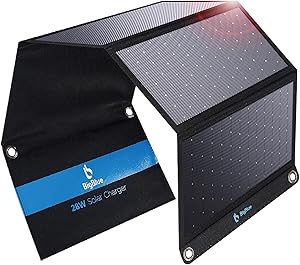
7. Portable Power Banks
Smartphones and astronomy apps are helpful tools during stargazing, but they also drain battery quickly. Bringing a portable power bank ensures your phone stays charged throughout the night.
Power banks are also useful if your telescope or camera requires power.
8. Snacks and Warm Drinks
Stargazing sessions can last several hours, especially when waiting for meteor showers or planetary alignments. Bringing snacks and drinks keeps everyone energized.
Good stargazing snacks include:
-
Trail mix
-
Energy bars
-
Sandwiches
-
Fruits
Warm drinks such as tea, coffee, or hot chocolate make the experience even more enjoyable during cold nights.
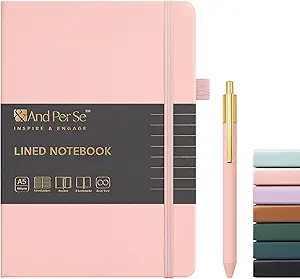
9. Notebook or Observation Journal
Many stargazers enjoy documenting what they observe. A notebook or astronomy journal helps you record constellations, planets, and celestial events you notice.
You can also sketch the moon, track meteor showers, or note interesting discoveries. Over time, your observation journal becomes a personal record of your cosmic journey.
Photography and Advanced Stargazing Tools
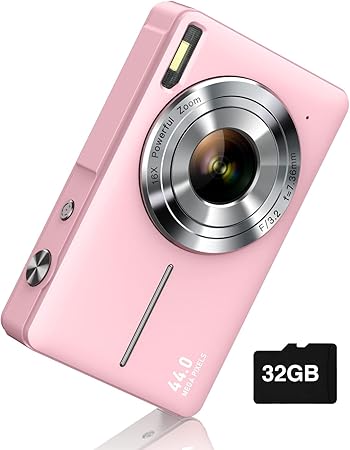
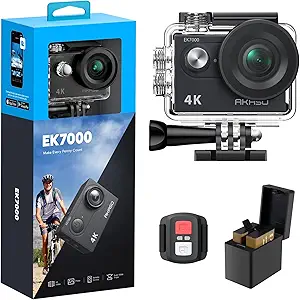
10. Smartphone or Camera
Capturing the night sky is a great way to preserve memories. Modern smartphones with night-mode cameras can photograph stars surprisingly well.
More advanced photographers may bring:
-
DSLR or mirrorless cameras
-
Tripods
-
Long-exposure lenses
A tripod is especially important because it keeps the camera stable during long exposures.
11. Tripod for Stability
Whether you are using binoculars, cameras, or small telescopes, a tripod can make a huge difference. It keeps equipment steady and reduces hand movement, which improves viewing clarity.
Tripods are particularly useful when photographing the moon, star trails, or planets.
Choosing the Perfect Stargazing Location
Even the best gear cannot compensate for poor location. Light pollution from cities often blocks many stars.
For the best experience, choose locations such as:
-
National parks
-
Rural countryside
-
Beaches
-
Mountains
-
Open fields away from city lights
Checking the weather forecast is also important. Clear skies provide the best viewing conditions.
Best Times for Stargazing
Timing plays a major role in what you can see in the sky.
Some great opportunities include:
-
Meteor showers
-
Full moon or crescent moon nights
-
Planetary alignments
-
Milky Way viewing during summer months
Astronomy calendars and apps can help you track upcoming celestial events so you never miss them.
Tips for an Unforgettable Stargazing Experience
Here are a few simple tips to make your night sky adventure even better:
Arrive before sunset
Setting up equipment in daylight is easier and safer.
Allow your eyes to adjust to darkness
It takes about 20 minutes for your eyes to fully adapt to the night sky.
Avoid bright screens
Lower your phone brightness to protect night vision.
Be patient
Sometimes the best moments happen when you simply relax and watch the sky.
Bring friends or family
Stargazing becomes even more memorable when shared with others.
Creating Your Own Night Sky Adventure Kit
A well-packed stargazing kit might include:
-
Telescope or binoculars
-
Star maps or astronomy apps
-
Red flashlight or headlamp
-
Warm clothing and blankets
-
Portable chairs
-
Snacks and drinks
-
Power bank
-
Notebook or observation journal
-
Camera and tripod
-
Insect repellent
Keeping these items ready ensures you can head out for a spontaneous stargazing trip whenever the sky is clear.
Final Thoughts
Stargazing is one of the simplest yet most awe-inspiring outdoor activities. With just a little preparation and the right gear, anyone can enjoy a night exploring the universe. A thoughtfully packed night sky adventure kit allows you to stay comfortable, observe celestial wonders more clearly, and create unforgettable memories beneath the stars.
Whether you're watching a meteor shower, identifying constellations, or photographing the Milky Way, the right essentials turn a quiet night outdoors into an extraordinary cosmic journey.
So the next time the sky is clear and the stars begin to appear, grab your gear, step outside, and let the universe put on a show.