Little Purchases That Have a Big Psychological Effect
Sometimes, improving your life doesn’t require a huge transformation, expensive vacation, or complete lifestyle reset. Surprisingly, some of the biggest mental and emotional upgrades come from tiny purchases that quietly make everyday life feel calmer, easier, happier, or more put together.
In the age of burnout, doomscrolling, and constant overstimulation, people are realizing something important: comfort matters. Small conveniences matter. Tiny joys matter.
That’s why “little luxury” purchases and “micro-upgrades” are trending everywhere right now — from TikTok self-care videos to cozy aesthetic Instagram reels. People are intentionally buying affordable things that reduce stress, improve routines, and create psychological comfort in daily life.
And honestly? It works.
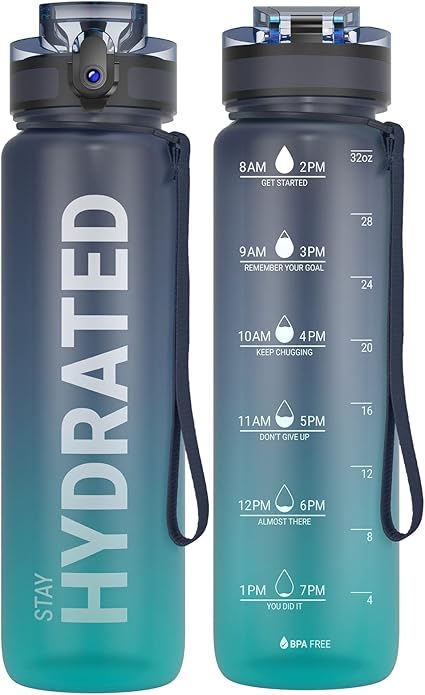
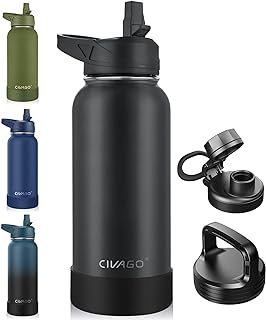
1. A Really Good Water Bottle
This sounds basic, but having a water bottle you genuinely love changes your hydration habits more than you think.
Whether it’s a sleek insulated tumbler, a motivational bottle with time markers, or a cute aesthetic flask that matches your vibe, it creates a subconscious cue to drink more water.
And hydration affects everything:
- Energy
- Focus
- Mood
- Skin
- Anxiety levels
- Mental clarity
Psychologically, carrying a good water bottle also creates a sense of preparedness and self-care. You feel more organized and intentional throughout the day.
Tiny purchase. Big effect.
2. Warm Lighting Instead of Harsh White Lights
One of the fastest ways to improve your mood at home is changing your lighting.
People underestimate how emotionally draining harsh overhead white lighting can feel. Warm lamps, LED ambient lights, fairy lights, or sunset lamps instantly create a calmer environment.
Soft lighting psychologically signals:
- Safety
- Relaxation
- Rest
- Comfort
This is why cozy cafés feel emotionally comforting.
Your brain responds strongly to environmental cues, and lighting can completely shift how your space feels without changing anything else.
3. Noise-Canceling Headphones
Modern life is loud.
Traffic, notifications, conversations, construction, crowded spaces — constant noise keeps the brain overstimulated.
Noise-canceling headphones create something incredibly valuable: mental space.
Even if you’re not playing music, reducing background noise lowers stress and improves concentration.
Psychologically, they can create:
- A sense of personal control
- Better focus
- Reduced social exhaustion
- Emotional regulation
Many people say headphones feel like a “portable safe zone,” especially during commuting or travel.
4. A Weighted Blanket
Weighted blankets became wildly popular for a reason.
The gentle pressure creates a calming sensation called deep pressure stimulation, which can help reduce anxiety and improve sleep quality.
Psychologically, weighted blankets can make people feel:
- Grounded
- Secure
- Relaxed
- Emotionally comforted
For many adults dealing with stress, overthinking, or burnout, this small purchase can dramatically improve nighttime relaxation.
And better sleep changes everything.
5. An Aesthetic Desk Setup
Your environment affects your motivation more than motivation itself.
That’s why tiny desk upgrades can have a huge psychological impact:
- A clean mouse pad
- Minimal keyboard
- Monitor light bar
- Small plant
- Cable organizers
- Cozy desk lamp
When your workspace looks visually calming and organized, your brain experiences less friction starting tasks.
You don’t feel chaotic before work even begins.
This is one reason “desk reset” videos exploded online — people crave environments that reduce mental clutter.
6. A Comfortable Pair of House Slippers
Tiny comfort upgrades matter more than people admit.
A soft pair of house slippers can subconsciously signal relaxation after a stressful day. It creates a transition ritual between “outside stress” and “home comfort.”
Psychologically, rituals help the brain feel stable and safe.
That’s why even simple habits like:
- Changing into cozy clothes
- Lighting a candle
- Wearing slippers
- Making tea
…can reduce stress levels.
Comfort isn’t laziness. Comfort is emotional regulation.
7. A Kindle or E-Reader
Many people want to read more but feel mentally exhausted by screens and short-form content.
An e-reader removes distractions and makes reading feel easier and more accessible.
Psychological benefits include:
- Reduced doomscrolling
- Improved focus span
- Better sleep habits
- Lower stress levels
- Increased mindfulness
Even reading 10 minutes before bed instead of scrolling social media can noticeably improve mental clarity over time.
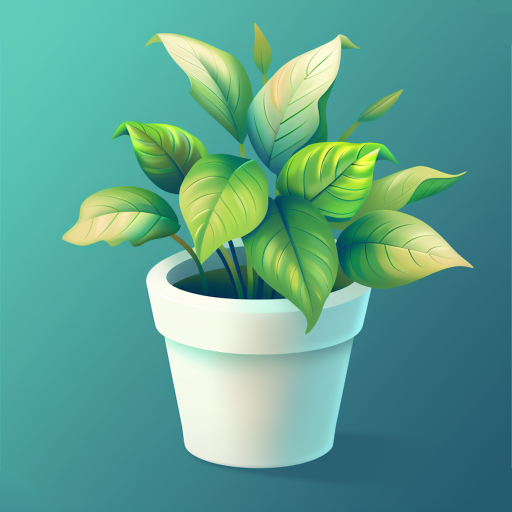
8. Tiny Plants for Your Space
Plants are one of the cheapest mood-enhancing purchases you can make.
Even small desk plants or low-maintenance greenery can psychologically improve a room by making it feel:
- More alive
- More peaceful
- Less sterile
- More nurturing
Studies consistently show that exposure to greenery can reduce stress and improve mood.
Plus, caring for a plant creates a tiny sense of responsibility and routine, which many people find emotionally grounding.
9. A High-Quality Pillow
Sleep quality affects emotional stability more than almost anything else.
A supportive pillow can improve:
- Sleep posture
- Neck pain
- Relaxation
- Sleep consistency
And psychologically, better sleep directly affects:
- Patience
- Anxiety
- Motivation
- Emotional resilience
People often spend money on entertainment while ignoring the thing they spend one-third of life doing: sleeping.
A good pillow is genuinely one of the best mental-health purchases.
10. A Digital Timer or Visual Clock
Timers are surprisingly powerful productivity tools.
Using a visible timer for work sessions, cleaning, workouts, or studying reduces overwhelm because tasks feel temporary and manageable.
Psychologically, timers help:
- Reduce procrastination
- Lower task anxiety
- Improve focus
- Create urgency without panic
The brain handles difficult tasks better when there’s a clear ending point.
That’s why techniques like the Pomodoro method work so well.
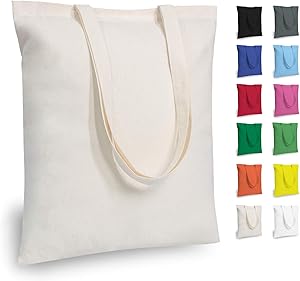
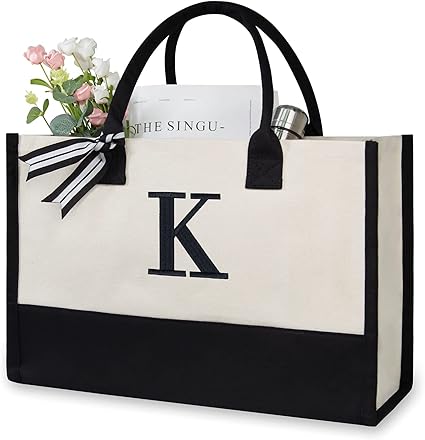
11. A Good Everyday Bag
A functional everyday bag sounds practical — but psychologically, it’s deeper than that.
When your essentials are organized and easy to access, daily life feels smoother.
You spend less time:
- Searching for things
- Feeling rushed
- Feeling unprepared
That subtle reduction in friction lowers stress more than people realize.
An organized bag creates a quiet sense of control over your day.
12. Candles or Essential Oil Diffusers
Scent has a direct connection to memory and emotion.
That’s why certain smells instantly create feelings of calm, nostalgia, or comfort.
Lighting a candle after work or using calming scents like lavender or vanilla can become a psychological cue for relaxation.
Over time, your brain associates those scents with:
- Rest
- Safety
- Peace
- Slow evenings
Tiny sensory rituals can have a surprisingly strong effect on emotional well-being.
13. Blue-Light Glasses
Whether or not every claim around blue-light glasses is perfect science, many people genuinely experience less eye strain and headaches when using them.
More importantly, wearing them often creates a psychological boundary between “constant screen chaos” and intentional work time.
They can encourage:
- Better posture
- Reduced visual fatigue
- More mindful screen use
And in a world where many people spend 8–12 hours staring at screens daily, even small visual comfort matters.
14. Matching Storage Containers
This one sounds oddly specific, but people online constantly talk about how organized storage improves mental peace.
When drawers, kitchens, or shelves feel visually chaotic, the brain keeps processing clutter in the background.
Clean organization reduces cognitive overload.
Matching containers, baskets, or organizers can create:
- Calmness
- Clarity
- Reduced overwhelm
- Better routines
Sometimes psychological peace comes from simply making life easier to maintain.
15. A Tiny Portable Charger
Low battery anxiety is real.
A portable charger removes a modern-day stress trigger:
“What if my phone dies?”
That small sense of preparedness creates emotional relief during:
- Travel
- Long commutes
- Busy days
- Emergencies
Sometimes the biggest psychological benefit comes from eliminating tiny recurring worries.
16. A Journal You Actually Want to Use
People often buy plain notebooks and never touch them.
But a journal that feels aesthetically pleasing, soft, minimal, or inspiring can psychologically encourage reflection and emotional processing.
Writing thoughts down helps:
- Reduce mental clutter
- Process emotions
- Improve self-awareness
- Lower anxiety
And when the journal feels enjoyable to use, the habit becomes easier to maintain.
17. Silk Pillowcases
This became a viral self-care purchase online for beauty reasons, but the psychological effect matters too.
Silk pillowcases often create a feeling of:
- Luxury
- Comfort
- Adult self-care
- Intentional living
Tiny luxuries can improve mood because they remind people they deserve care even during ordinary routines.
Sometimes emotional well-being improves simply by making everyday life feel slightly softer.
18. A Mini Whiteboard or Sticky Notes
Mental overload often comes from trying to remember everything at once.
Externalizing thoughts through notes, reminders, or visual planning reduces cognitive stress.
Your brain relaxes when it knows information won’t be forgotten.
That’s why tiny planning tools can dramatically improve focus and emotional clarity.
19. Better Bedsheets
People underestimate how much texture affects comfort.
Soft, breathable bedsheets can psychologically make sleep feel more restorative and relaxing.
Your environment constantly sends signals to your nervous system.
Comfortable fabrics, calming colors, and cozy textures help create emotional calm without requiring huge lifestyle changes.
20. A Small Everyday “Treat”
One underrated psychological trick is intentionally building small joys into regular life.
This could be:
- Fancy coffee creamer
- Premium tea
- Favorite snacks
- Cute mugs
- Sparkling water
- Mini desserts
Tiny treats create anticipation and emotional reward during stressful routines.
And honestly? Adults need small joys too.
Why Small Purchases Feel So Powerful
The reason these purchases matter isn’t because they magically fix life.
It’s because they reduce friction.
They remove tiny stressors.
They create comfort.
They improve routines.
They make environments feel calmer.
They help people feel more cared for.
Psychologically, humans are deeply affected by repeated daily experiences.
A tiny improvement repeated every day can impact mood more than one giant purchase used once a year.
That’s why little upgrades often feel surprisingly life-changing.
The Rise of “Micro-Luxuries”
Recently, people have shifted away from massive luxury spending and toward something called micro-luxuries.
Instead of buying status symbols, many people now prefer:
- Cozy routines
- Emotional comfort
- Aesthetic spaces
- Small convenience upgrades
- Affordable self-care
Why?
Because modern life is exhausting.
People are searching for tiny ways to make ordinary days feel better.
And honestly, that mindset makes sense.
You don’t always need a complete life transformation.
Sometimes you just need softer lighting, a good pillow, cold water in your favorite bottle, and a peaceful evening without notifications.
Final Thoughts
Little purchases won’t solve every problem.
But they can improve your everyday emotional experience in meaningful ways.
And over time, small improvements compound.
A calmer room.
A better night’s sleep.
Less stress while working.
More comfort during routines.
More moments of peace throughout the day.
Those things matter.
Because happiness isn’t always built from giant milestones.
Sometimes it’s built from tiny comforts repeated consistently.
And honestly?
That might be the most powerful kind of upgrade there is.