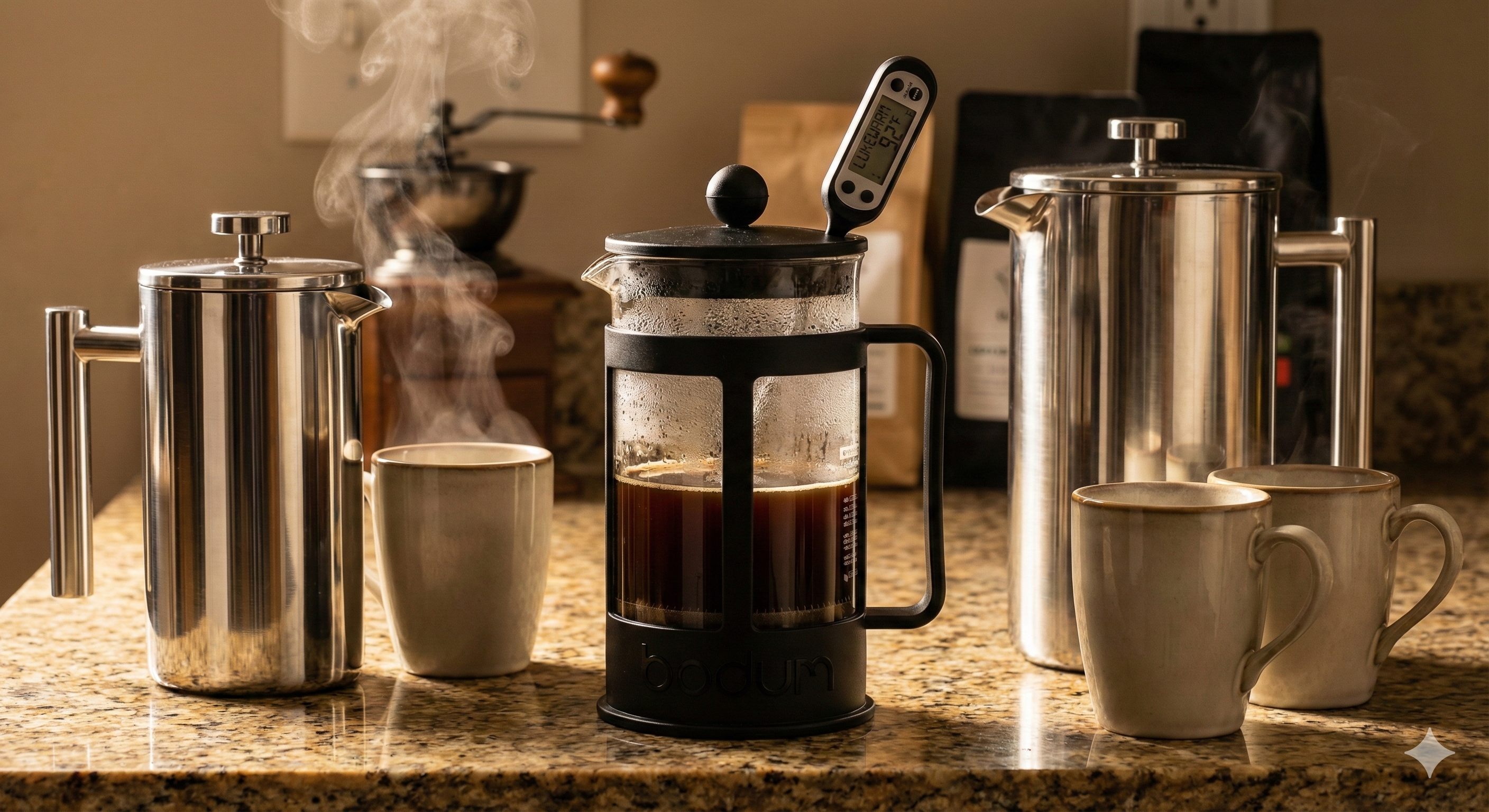
How to Choose the Best French Press Coffee Maker for Your Kitchen
A French press is one of the simplest and most rewarding ways to brew coffee at home. Unlike drip coffee makers or pod machines, it gives you complete control over the brewing process while producing a rich, full-bodied cup packed with natural oils and flavor. However, with so many options available, choosing the best French press coffee maker can feel overwhelming.
From glass and stainless steel designs to different sizes and filter systems, every feature plays a role in your daily brewing experience. This guide will help you understand what to look for so you can confidently choose the perfect French press for your kitchen.
Why Choose a French Press Coffee Maker?
French press coffee makers remain a favorite among coffee enthusiasts because they're easy to use, affordable, and don't require electricity or paper filters. The immersion brewing method allows coffee grounds to steep fully, resulting in a bold, aromatic cup with excellent flavor extraction.
Some of the key benefits include:
-
Rich, full-bodied coffee with natural oils preserved
-
Easy to clean and maintain
-
No disposable filters required
-
Portable for travel, camping, or office use
-
Available in a wide range of sizes and materials
Whether you're a beginner or an experienced home brewer, a quality French press can significantly improve your coffee routine.
Consider the Material
The material is one of the first factors to evaluate because it affects durability, heat retention, weight, and appearance.
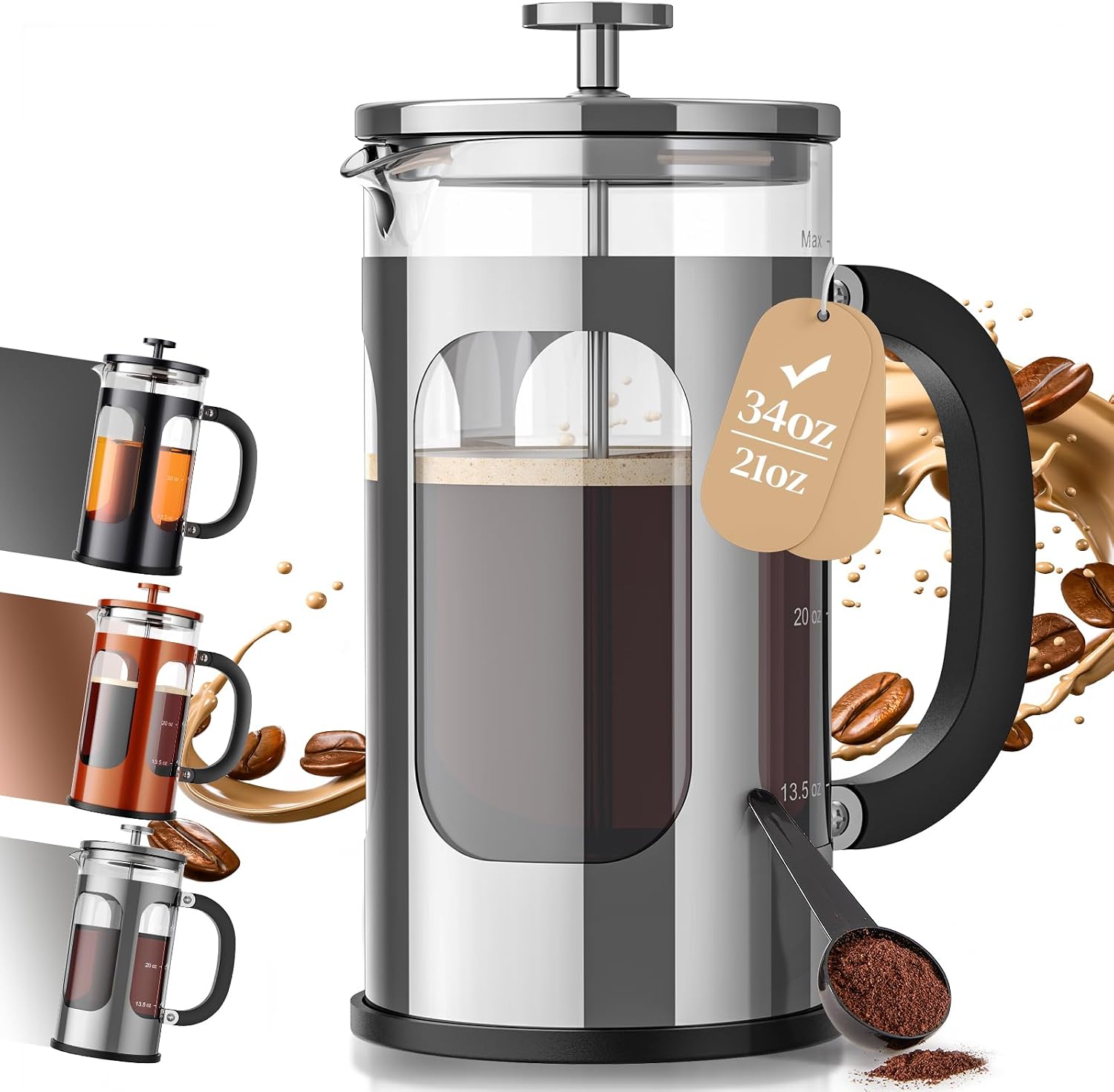
Glass French Press
Glass models are among the most popular choices because they let you watch the brewing process. They also don't absorb odors or flavors, ensuring every cup tastes fresh.
Pros
-
Attractive design
-
Doesn't affect coffee flavor
-
Easy to monitor brewing
-
Usually more affordable
Cons
-
Can break if dropped
-
Loses heat more quickly
Glass French presses are ideal for careful home users who appreciate aesthetics and don't mind handling them gently.
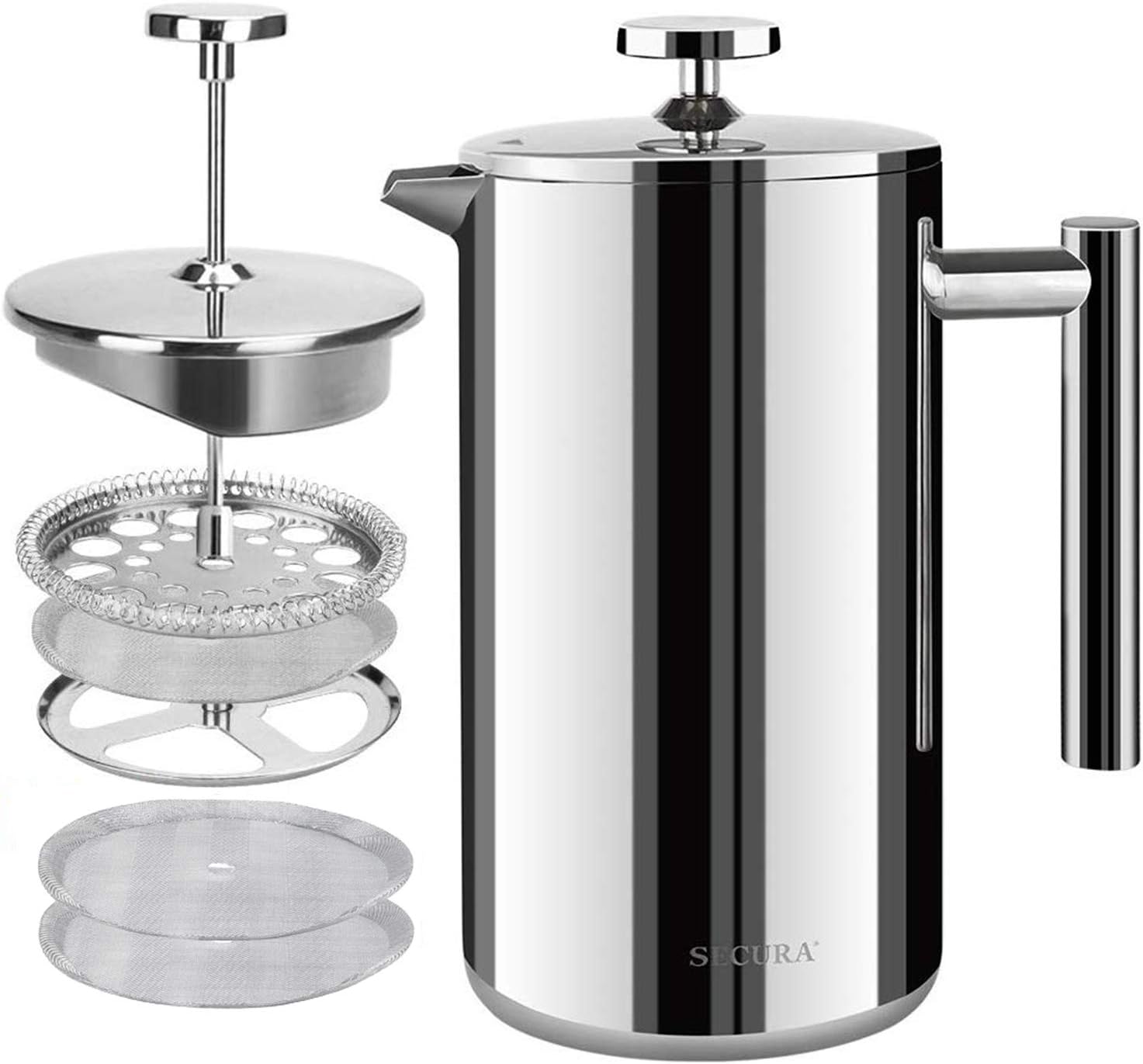
Stainless Steel French Press
Stainless steel models are built for durability and excellent heat retention. Many feature double-wall insulation that keeps coffee hot for much longer than glass.
Pros
-
Highly durable
-
Excellent heat retention
-
Great for travel and outdoor use
-
Resistant to rust and corrosion
Cons
-
Typically more expensive
-
Brewing process isn't visible
If durability and insulation are priorities, stainless steel is often the better investment.
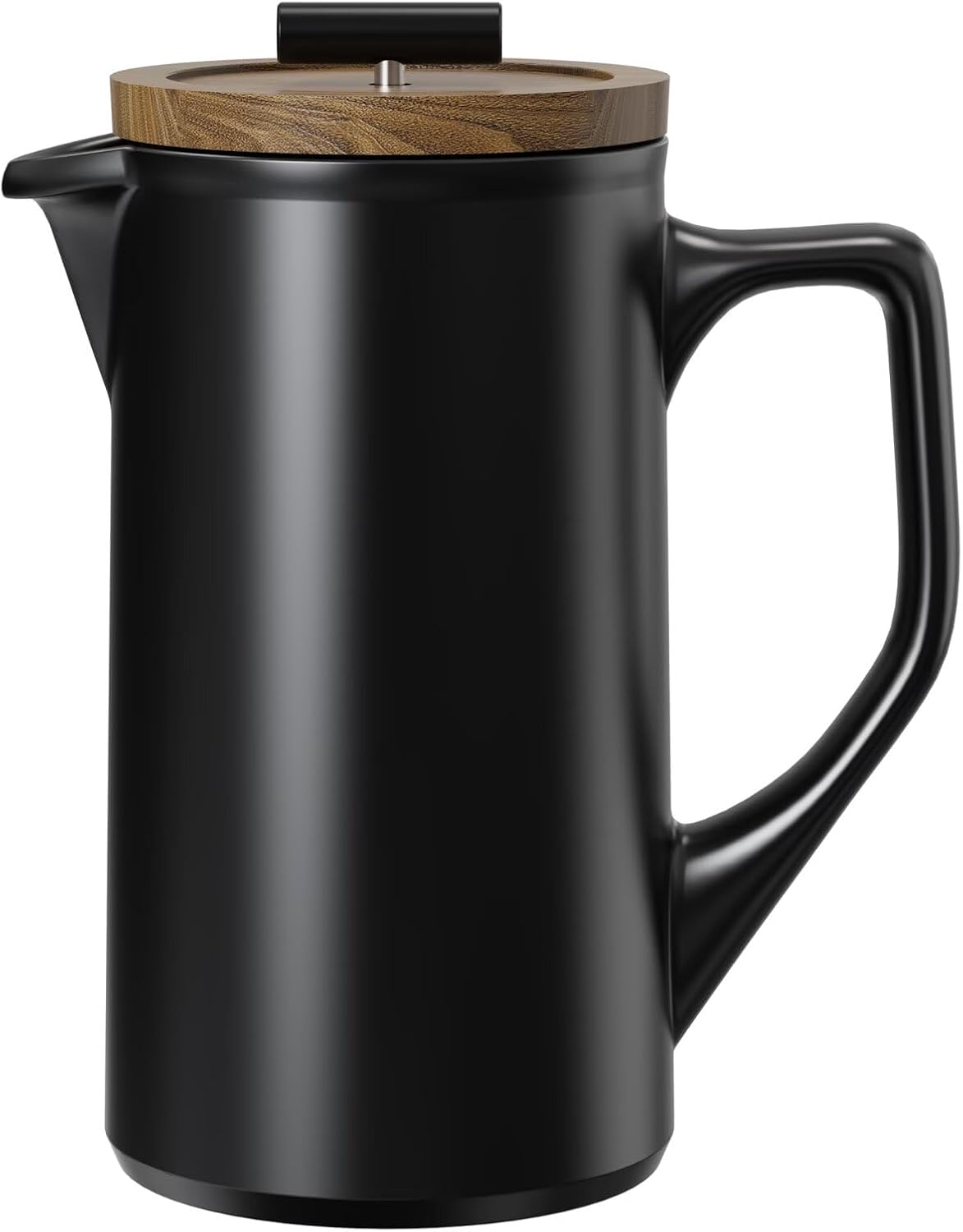
Ceramic French Press
Ceramic French presses combine style with effective heat retention. They also preserve coffee flavor exceptionally well.
Pros
-
Elegant appearance
-
Retains heat better than glass
-
Doesn't alter coffee taste
Cons
-
Heavier than glass
-
Can chip or crack
Ceramic models are perfect for kitchens where design matters as much as performance.
Choose the Right Capacity
French presses come in various sizes, usually measured in ounces or cups. Remember that coffee "cups" used by manufacturers are smaller than standard mugs.
Common capacities include:
-
12 oz (350 ml): Ideal for one person
-
17 oz (500 ml): Great for one to two servings
-
34 oz (1 liter): Perfect for couples or small families
-
51 oz (1.5 liters): Suitable for entertaining guests
Choosing the right size prevents wasted coffee while ensuring you always brew enough for your needs.
Look for an Effective Filter System
A French press relies on a metal mesh filter to separate coffee grounds from the brewed coffee. The quality of this filter greatly impacts the final cup.
Look for features such as:
-
Fine stainless steel mesh
-
Multi-layer filter systems
-
Secure plunger fit
-
Replaceable filter screens
A high-quality filter reduces sediment while maintaining the rich body that French press coffee is known for.
Check Heat Retention
Coffee tastes best when it stays hot throughout breakfast or while you're working.
If keeping coffee warm is important, consider:
-
Double-wall stainless steel insulation
-
Thick ceramic construction
-
Heat-resistant borosilicate glass
Insulated models can keep coffee hot for significantly longer without requiring reheating.
Pay Attention to Build Quality
Not all French presses are built the same. Examine the construction before purchasing.
Important quality indicators include:
-
Strong stainless steel frame
-
Comfortable ergonomic handle
-
Stable base
-
Durable plunger assembly
-
Secure lid that fits tightly
Better construction not only improves durability but also makes brewing safer and easier.
Easy Cleaning Makes a Difference
Cleaning your French press after every use helps maintain coffee flavor and extends the life of the brewer.
Choose models with:
-
Dishwasher-safe components
-
Easily removable filter assembly
-
Wide opening for cleaning
-
Minimal hard-to-reach areas
Regular cleaning prevents coffee oils from building up and affecting future brews.
Consider Your Brewing Style
Your coffee preferences should influence your purchase.
If you enjoy:
-
Strong coffee: Choose a model with excellent filtration and larger capacity.
-
Daily brewing: Prioritize durability and easy cleaning.
-
Travel: Select an insulated stainless steel French press.
-
Occasional use: A glass model offers excellent value and visual appeal.
Matching the brewer to your routine ensures long-term satisfaction.
Don't Overlook Design
Since many French presses stay on the kitchen counter, appearance can be an important consideration.
Popular styles include:
-
Modern stainless steel
-
Classic glass with chrome frame
-
Matte black finishes
-
Rustic ceramic designs
-
Minimal Scandinavian-inspired models
Choosing a design that complements your kitchen makes your coffee station even more enjoyable.
Budget Considerations
French press coffee makers are available at nearly every price point.
Budget Models
Affordable options often provide excellent brewing performance for casual coffee drinkers. They're ideal for beginners who want to experience French press brewing without a significant investment.
Mid-Range Options
These typically offer improved build quality, better filters, and more durable materials, making them suitable for everyday use.
Premium French Presses
High-end models feature double-wall insulation, precision engineering, premium stainless steel construction, and long-lasting durability. They can be an excellent investment for serious coffee enthusiasts.
Tips for Brewing Better Coffee
Even the best French press performs best when paired with proper brewing techniques.
For consistently delicious coffee:
-
Use freshly roasted whole beans.
-
Grind coffee to a coarse consistency.
-
Heat water to approximately 195–205°F (90–96°C).
-
Use about one tablespoon of coffee per four ounces of water.
-
Allow the coffee to steep for four minutes.
-
Press the plunger slowly and evenly.
-
Serve immediately to prevent over-extraction.
These simple practices can dramatically improve flavor and consistency.
Common Mistakes to Avoid
Many first-time users make small mistakes that affect coffee quality.
Avoid these common issues:
-
Using finely ground coffee, which creates excessive sediment.
-
Pouring boiling water directly onto the grounds.
-
Letting coffee steep too long.
-
Pressing the plunger too quickly.
-
Leaving brewed coffee in the French press for extended periods.
Learning these basics helps you get the most from your coffee maker.
Final Thoughts
Choosing the best French press coffee maker for your kitchen comes down to understanding your brewing habits, preferred materials, desired capacity, and budget. Glass models offer affordability and elegance, stainless steel excels in durability and heat retention, while ceramic provides a stylish balance between the two.
Pay close attention to filter quality, construction, ease of cleaning, and insulation to ensure years of reliable performance. By selecting a French press that matches your lifestyle and following proper brewing techniques, you'll enjoy rich, flavorful coffee every morning without the complexity or expense of electric brewing systems.
A well-chosen French press isn't just another kitchen accessory—it's an investment in better coffee and a more enjoyable daily routine.