🏛️ Historic Site Travel Essentials: How to Pack for a Full Day of Exploration
There’s something powerful about walking through history.
Whether you're exploring ancient ruins, touring preserved landmarks, or visiting world-famous sites like Colosseum, Taj Mahal, or Independence Hall, a full day at a historic site often means hours of walking, standing, learning, and photographing.
And unlike theme parks or city malls, historic sites don’t always offer convenience stores, shaded rest areas, or easy access to supplies.
That’s why preparation matters.
This complete Historic Site Travel Essentials Packing Guide will help you stay comfortable, organized, and ready for a full day of exploration.
Let’s pack smart.
🎒 Why Packing Right Matters for Historic Sites
Historic sites usually involve:
-
Long walking paths
-
Uneven terrain
-
Outdoor exposure
-
Limited seating
-
Strict entry rules
-
Security checks
The right gear prevents discomfort, fatigue, and unnecessary stress — so you can focus on the experience.
👕 What to Wear: Comfort First, Style Second
Your outfit can make or break your day.
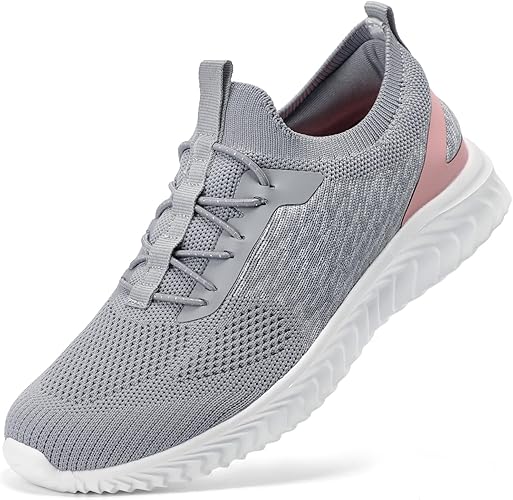
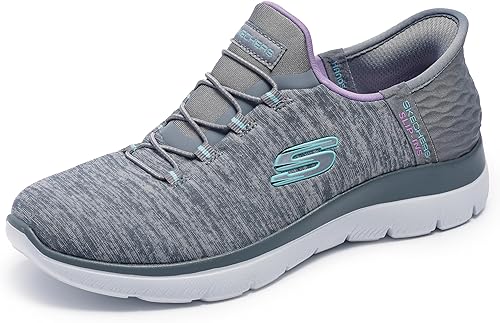
👟 1. Comfortable Walking Shoes
This is non-negotiable.
Choose:
✔ Cushioned sneakers
✔ Good arch support
✔ Closed-toe design
✔ Broken-in shoes (never brand new)
Historic locations often have stone paths, stairs, and cobblestone surfaces.
👖 2. Breathable Clothing
Pick lightweight, flexible fabrics.
For warm weather:
✔ Cotton or moisture-wicking tops
✔ Loose trousers or athletic shorts
For cooler days:
✔ Light sweater
✔ Layering jacket
Avoid tight or restrictive clothing.
🧢 3. Sun Protection
Most historic sites are outdoors.
Pack or wear:
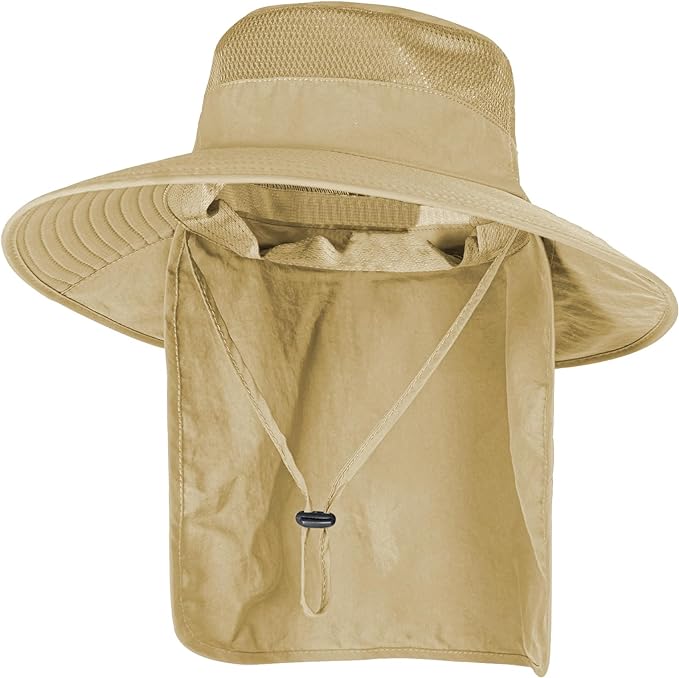
✔ Wide-brim hat or cap
✔ Sunglasses
✔ Sunscreen (SPF 30+)
Protection = comfort.
🎒 The Perfect Day Bag
Choose a lightweight, secure bag.
Best options:
✔ Small backpack
✔ Crossbody bag
✔ Anti-theft daypack
Keep it compact — many heritage sites have security screening.
🧴 Personal Comfort Essentials
These small items make a big difference.
✔ Lip balm
✔ Travel-size deodorant
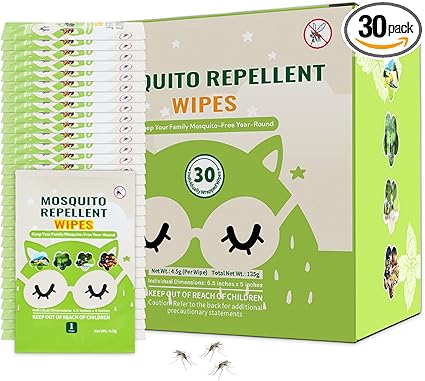
✔ Wet wipes
✔ Hand sanitizer
✔ Tissues
✔ Compact mirror
✔ Pain relief tablets
You’ll thank yourself later.
💧 Hydration & Snacks
Walking in the sun for hours drains energy quickly.
Pack:
✔ Refillable water bottle
✔ Electrolyte sachets
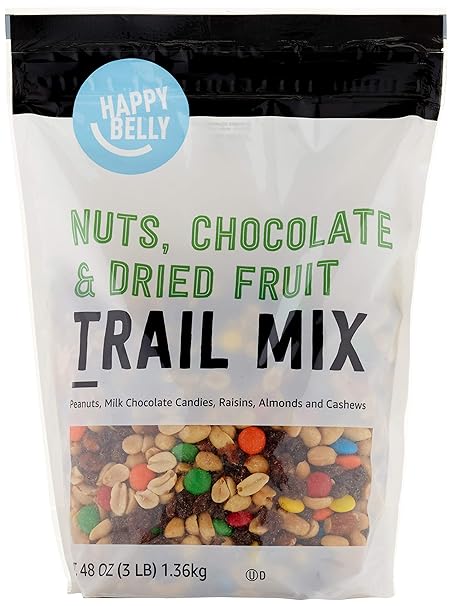
✔ Protein bar or light snack
Always check if outside food is allowed.
📷 Tech & Photography Essentials
Historic sites are full of photo moments.
Bring:
✔ Fully charged phone
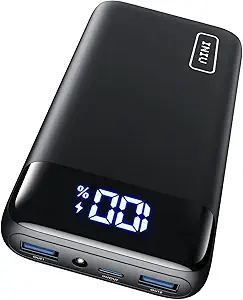
✔ Portable power bank
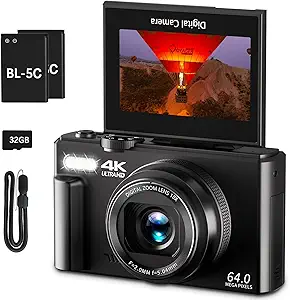
✔ Compact camera (optional)
✔ Extra memory card
✔ Earphones for audio tours
Many sites offer digital guides — keep your battery ready.
📖 Learning & Navigation Tools
Enhance your visit by being prepared.
✔ Pre-downloaded site map
✔ Offline Google Maps
✔ Printed tickets
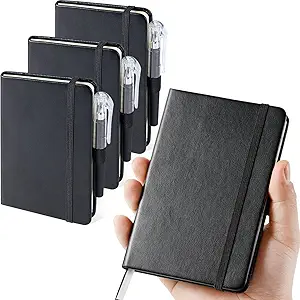
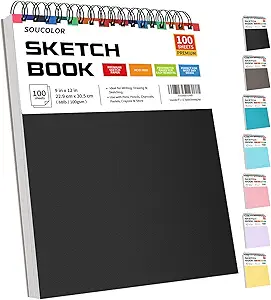
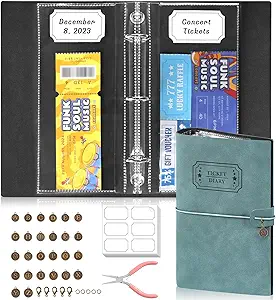
✔ Small notebook (if you like journaling)
✔ Guidebook or saved research
A little preparation increases appreciation.
🌦️ Weather-Ready Add-Ons
Weather can change quickly.
For hot climates:
✔ Cooling towel
✔ Mini portable fan
For rain:
✔ Compact poncho
✔ Waterproof bag cover
For cooler weather:
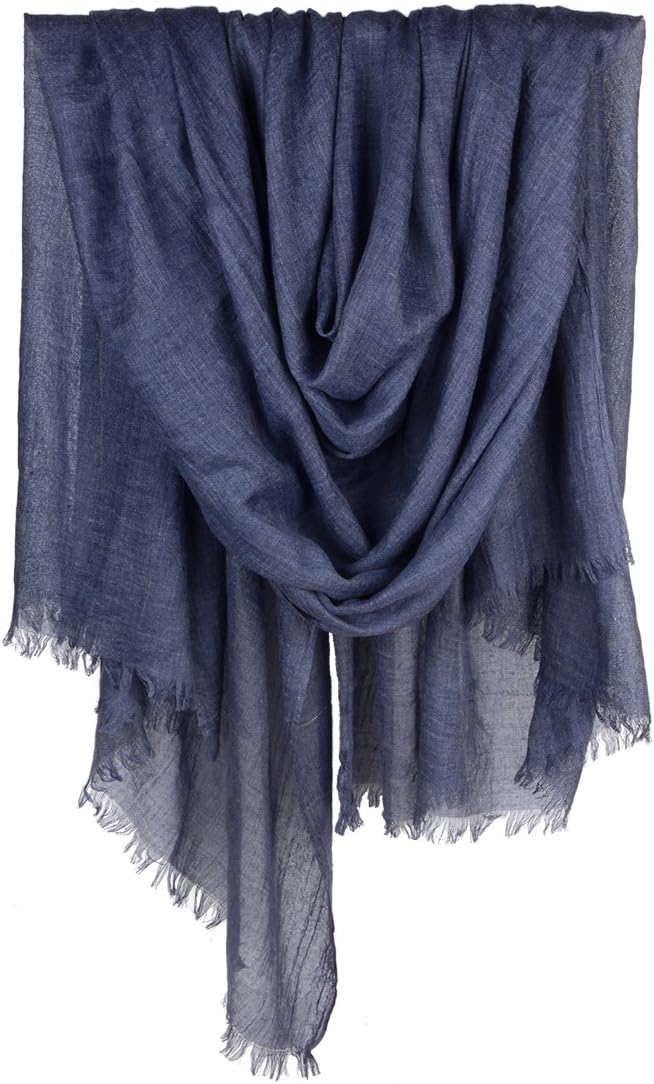
✔ Light scarf
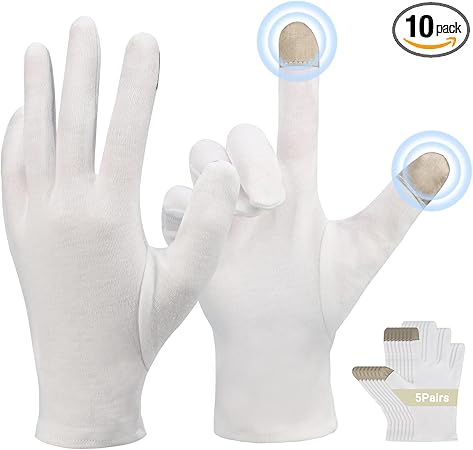
✔ Thin gloves
Layering keeps you flexible.
🍴 Food Planning Tips
Many historic sites have:
-
Limited food vendors
-
High tourist prices
-
Long lines
Smart approach:
✔ Eat a solid breakfast
✔ Pack small snacks
✔ Plan nearby lunch options
Research before arrival.
🚫 What NOT to Pack
Avoid carrying unnecessary items.
❌ Heavy books
❌ Large handbags
❌ Too many electronics
❌ Bulky umbrellas
❌ Excess jewelry
❌ Large tripods (often restricted)
Travel light for comfort and security checks.
🗺️ Planning Before You Go
Packing is only part of preparation.
✔ Check opening hours
✔ Confirm ticket requirements
✔ Review dress codes
✔ Download digital tickets
✔ Check photography rules
Some religious or cultural sites require modest attire.
📸 How to Stay Photo-Ready All Day
You’ll likely take dozens of pictures.
Quick tips:
✔ Wear neutral colors (they pop against historic backdrops)
✔ Bring hair ties (wind happens!)
✔ Keep sunglasses accessible
✔ Avoid heavy backpacks in photos
Comfortable style always photographs better.
👣 Managing Energy Throughout the Day
Historic site tours often last 3–6 hours.
Energy-saving tips:
✔ Take short sitting breaks
✔ Stay hydrated
✔ Walk at a steady pace
✔ Avoid rushing
You’ll absorb more when you’re not exhausted.
🧳 The Ultimate Historic Site Packing Checklist
Before leaving your hotel, confirm:
👕 Clothing
✔ Breathable outfit
✔ Comfortable shoes
✔ Hat or cap
🎒 Bag Essentials
✔ Small daypack
✔ Water bottle
✔ Snacks
✔ Power bank
✔ Phone & tickets
✔ Sunscreen
✔ Sunglasses
🧴 Personal Care
✔ Hand sanitizer
✔ Lip balm
✔ Wet wipes
✔ Tissues
🌦️ Weather Backup
✔ Poncho or light jacket
Prepared = relaxed.
🏺 Types of Historic Sites & What to Consider
Different locations require different planning.
🏛️ Ancient Ruins (e.g., Colosseum)
-
Uneven stone paths
-
Lots of stairs
-
Strong sun exposure
Focus on sturdy shoes and sun protection.
🕌 Cultural Landmarks (e.g., Taj Mahal)
-
Dress modestly
-
Large walking areas
-
Photography hotspots
Plan for respectful clothing.
🏠 Indoor Historic Buildings (e.g., Independence Hall)
-
Limited seating
-
Security checks
-
Cooler indoor temperatures
Bring light layers.
🌟 Final Thoughts: Experience History Comfortably
Visiting a historic site is more than sightseeing — it’s stepping into stories, culture, and moments that shaped the world.
The key to enjoying it fully?
Preparation.
When you:
✔ Dress comfortably
✔ Pack smart
✔ Plan ahead
✔ Stay hydrated
✔ Travel light
You eliminate stress and maximize the experience.
So before your next heritage adventure:
Pack thoughtfully.
Explore confidently.
Learn deeply.
And as always —
Pack This First.