Hiking Trip Essentials: The Ultimate Packing List for Every Trail
There’s nothing quite like the feeling of standing at the top of a mountain, breathing in crisp air, and realizing that every step of your hike was worth it. Whether you’re exploring forest trails, tackling rocky terrain, or enjoying a casual weekend hike, preparation is the key to a safe and enjoyable adventure.
The right gear can make the difference between a breathtaking experience and a challenging one. From footwear and hydration to safety tools and snacks, this ultimate hiking trip packing list covers everything you’ll need to conquer any trail with confidence.
🏕️ 1. The Basics: Must-Have Gear for Every Hike
Before hitting the trail, make sure you have the foundational gear to ensure comfort, safety, and convenience.
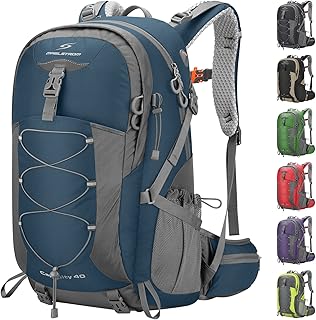
🎒 Backpack
Choose a durable, lightweight, and weather-resistant backpack.
-
Day hikes: 20–30 liters capacity
-
Multi-day hikes: 40–60 liters capacity
Look for one with padded straps, multiple compartments, and a hydration sleeve.
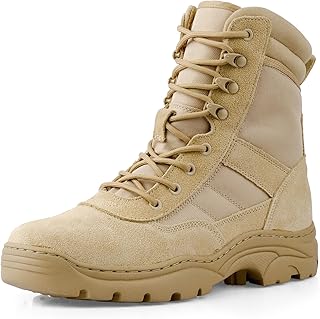
👣 Footwear
Your shoes can make or break your hike.
-
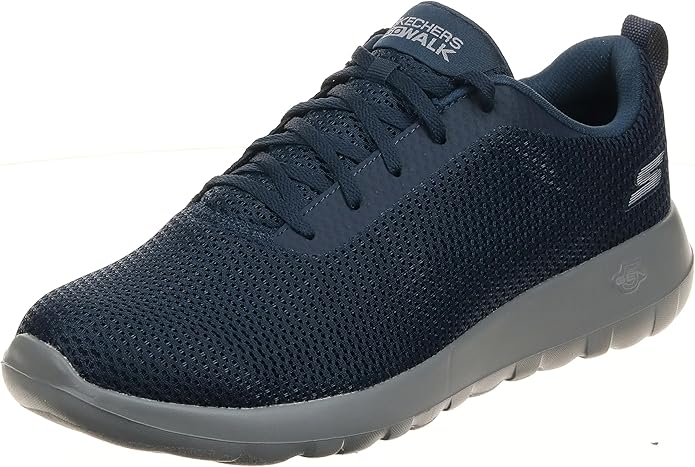
Trail running shoes: Best for short, easy trails.
-
Hiking boots: Ideal for longer, rough, or wet terrain.
-
Hiking sandals: Great for water crossings or tropical trails.
💡 Pro Tip: Break in new shoes before your trip to prevent blisters.
🧦 Socks
Invest in moisture-wicking, breathable socks preferably made of merino wool or synthetic fabric. Always pack an extra pair.
🧭 2. Navigation and Safety Tools
Getting lost is one of the most common risks for hikers even experienced ones. Navigation gear helps you stay on track.
🗺️ Navigation Essentials
-
Map and Compass: Reliable, even without signal.
-
GPS Device or Smartphone App: Useful for tracking distance and routes.
-
Trail Guide or Printed Itinerary: Helps if digital devices fail.
🔦 Safety Items
-
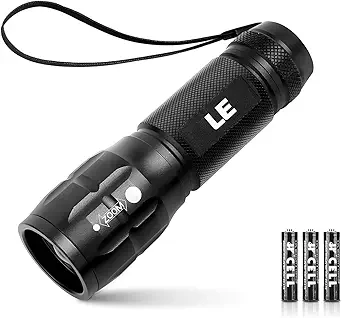
Headlamp or Flashlight: Always pack extra batteries.
-
Whistle: For signaling in emergencies.
-
Pocket Knife or Multi-tool: Handy for cutting rope, opening food packs, or repairs.
-
Emergency Blanket: Lightweight but vital in cold or wet conditions.
-
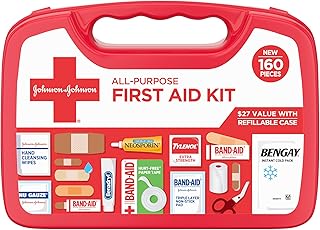
First Aid Kit: Include antiseptic wipes, bandages, painkillers, and blister pads.
💡 Pro Tip: Store safety tools in a waterproof pouch within easy reach.
💧 3. Hydration and Water Purification
Staying hydrated is crucial for maintaining energy and focus on the trail.
🚰 Hydration Gear
-
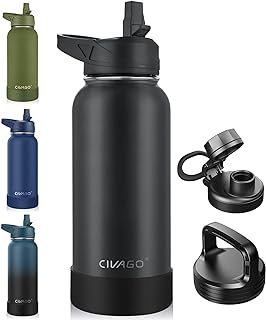
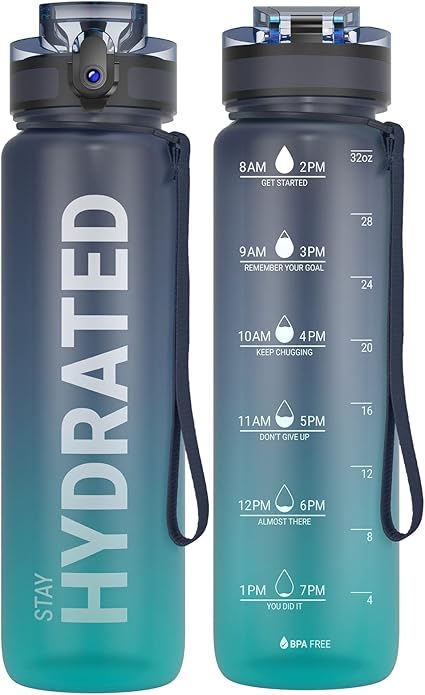
Reusable Water Bottle: Sturdy and BPA-free.
-
Hydration Bladder (2–3L): Great for hands-free sipping during long hikes.
-
Water Filter or Purification Tablets: Essential for refilling from natural sources.
💡 Pro Tip: Always carry at least 2 liters of water per person per day, and more if hiking in heat or altitude.
🍎 4. Trail Food and Snacks
Hiking burns energy fast — refueling regularly keeps you going strong.
🥪 Food Ideas
-
Trail mix and nuts
-
Energy or granola bars
-
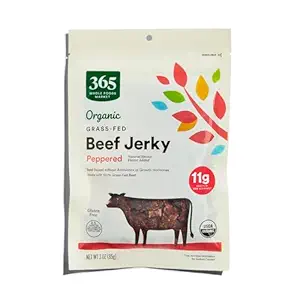
Dried fruits and jerky
-
Nut butter packets
-
Fresh fruits (apples, oranges, bananas)
-
Sandwiches or wraps for longer hikes
☕ For Multi-Day Hikes
-
Instant oatmeal or noodles
-
Freeze-dried camping meals
-
Coffee or tea sachets
-
Reusable cutlery and a lightweight stove
💡 Pro Tip: Pre-pack snacks in resealable bags for easy access on the trail.
👕 5. Clothing for All Weather Conditions
The weather can shift quickly in the great outdoors, so dress in layers for flexibility and comfort.
🧢 Layering System
-
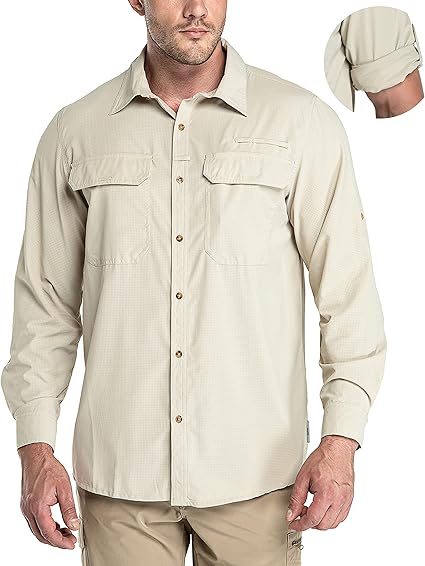
Base Layer: Moisture-wicking shirts and leggings (avoid cotton).
-
Mid Layer: Fleece or insulated jacket for warmth.
-
Outer Layer: Waterproof, wind-resistant shell or rain jacket.
👖 Additional Clothing
-
Lightweight hiking pants or shorts
-
Breathable underwear
-
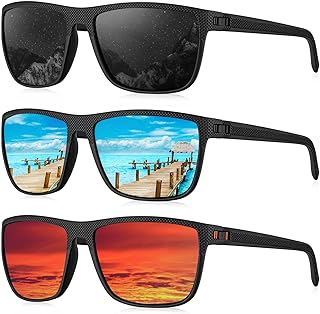
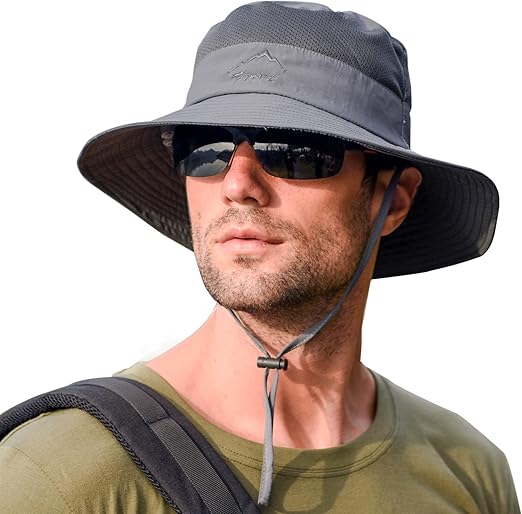
Hat and sunglasses for sun protection
-
Gloves and beanie for cold conditions
-
Extra socks and a change of clothes
💡 Pro Tip: Avoid cotton — it absorbs moisture and dries slowly, increasing your risk of hypothermia.
🧴 6. Health and Hygiene Essentials
Good hygiene keeps you comfortable and healthy on long hikes.
🧼 Personal Hygiene Kit
-
Biodegradable soap
-
Toothbrush and toothpaste
-
Hand sanitizer and wet wipes
-
Toilet paper (in a waterproof bag)
-
Quick-dry towel
-
Deodorant and sunscreen
-
Lip balm with SPF
-
Insect repellent
💡 Pro Tip: Always follow Leave No Trace principles pack out everything you bring in, including used wipes and tissue.
🔥 7. Camping and Overnight Gear (For Multi-Day Hikes)
If you’re planning to camp along the trail, you’ll need a few extra essentials.
🏕️ Camping Gear
-
Tent or bivy sack
-
Sleeping bag (temperature-rated for your destination)
-
Sleeping pad or mat
-
Compact camping stove
-
Fuel canister and lighter/matches
-
Cooking pot, cup, and utensils
-
Headlamp or lantern
-
Trash bags
💡 Pro Tip: Practice setting up your tent before your trip — especially if you’re new to camping.
🪑 8. Comfort and Extras
Small items can make your hike more enjoyable.
🎒 Optional Comfort Items
-
Trekking poles (reduce strain on knees and balance)
-
Lightweight camp chair or sit pad
-
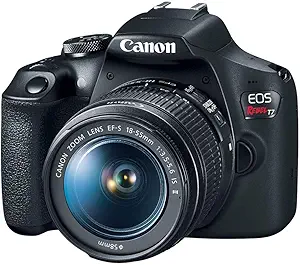
Camera or GoPro for capturing memories
-
Notebook or journal
-
Bluetooth speaker (use respectfully)
-
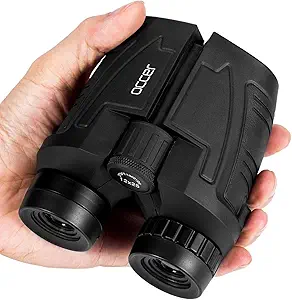
Compact binoculars for wildlife spotting
💡 Pro Tip: Keep your backpack balanced — pack heavier items near your back and lighter ones toward the top.
🌦️ 9. Weather-Specific Essentials
🌞 For Hot Weather
-
Cooling towel
-
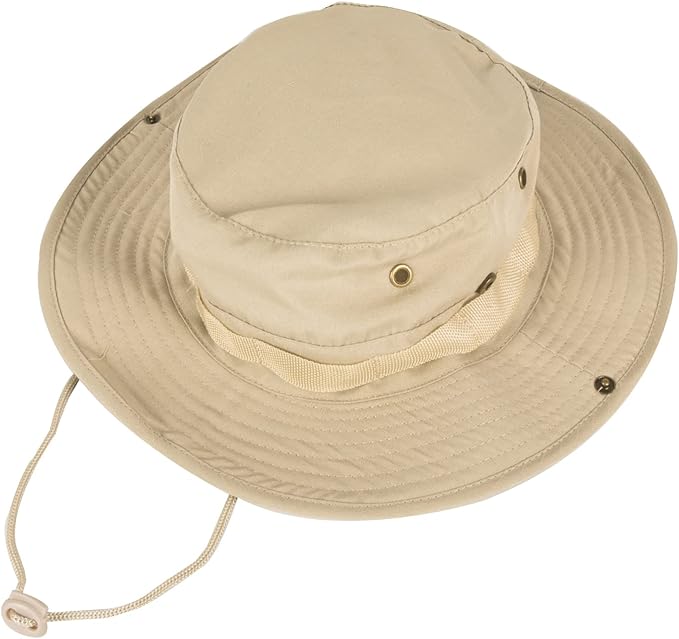
Wide-brimmed hat
-
Electrolyte tablets
-
Light-colored clothing
❄️ For Cold Weather
-
Thermal base layers
-
Down jacket
-
Hand warmers
-
Waterproof gloves
💡 Pro Tip: Always check the forecast before you go — weather can change rapidly in mountain areas.
🧳 10. Packing and Organization Tips
Keeping your backpack organized makes hiking easier and more enjoyable.
📦 Packing Strategy
-
Use packing cubes or dry bags to separate clothing, food, and gear.
-
Keep frequently used items (water bottle, map, snacks) accessible.
-
Use zip-lock bags for electronics and small items.
-
Store wet gear separately to avoid soaking the rest of your pack.
💡 Pro Tip: Aim for your fully packed backpack to weigh no more than 20–25% of your body weight.
🧠 11. Safety and Trail Etiquette
Hiking responsibly keeps you and others safe while protecting nature.
⚠️ Safety Reminders
-
Inform someone about your route and expected return time.
-
Stay on marked trails to avoid getting lost.
-
Carry a whistle or mirror for signaling.
-
Take regular breaks and listen to your body.
-
Know your limits — it’s okay to turn back if conditions worsen.
🌿 Trail Etiquette
-
Yield to uphill hikers.
-
Don’t play loud music — let others enjoy the peace of nature.
-
Respect wildlife — observe from a distance.
-
Leave no trace — pack out all trash and waste.
💡 Pro Tip: A simple rule — take only pictures, leave only footprints.
🌄 12. Preparing for Your Hike
Even before you hit the trail, a few key preparations can set you up for success.
✅ Before You Go
-
Research the trail’s distance, difficulty, and elevation.
-
Download offline maps in case of poor network coverage.
-
Check local regulations for permits or fire restrictions.
-
Charge all devices fully.
-
Start early to maximize daylight hours.
💡 Pro Tip: If hiking at high altitude, spend a day acclimatizing to avoid altitude sickness.
🏁 13. Post-Hike Care
After returning from your hike, don’t forget to care for your gear and yourself.
🧽 Post-Hike Checklist
-
Clean your shoes and dry them thoroughly.
-
Wash and air out your backpack.
-
Refill your first aid kit and replace used items.
-
Stretch and hydrate to prevent muscle soreness.
-
Journal your experience for future reference.
💡 Pro Tip: Store your hiking gear in one place it’ll make packing for your next adventure faster.
🌲 Final Thoughts
Hiking is one of the most rewarding outdoor activities it challenges your body, clears your mind, and connects you with nature. But the secret to a successful adventure lies in preparation.
With this ultimate hiking trip packing list, you’re ready to tackle any trail from short nature walks to multi-day mountain treks. So lace up your boots, grab your backpack, and step confidently into the wild.
Because every great journey starts with one well-packed bag. 🌄