Coastal Drive Checklist: The Essentials That Make the Trip Better
There’s a difference between going for a drive and having a coastal drive you’ll remember for years. The second one usually comes down to the little things: cold drinks when the sun gets intense, a charged phone when you find the perfect lookout, layers for the evening breeze, and a car setup that doesn’t turn into chaos after the first snack stop.
Scenic coastal drives are having a real moment right now because they fit so many 2026 travel trends at once: slower travel, more intentional trips, shoulder-season escapes, and nature-first itineraries. Travelers are leaning into experiences that feel less rushed and more meaningful, and a seaside road trip delivers exactly that.
If you’re planning a day trip, a weekend by the shore, or a full ocean-hugging road trip, this checklist covers the essentials that actually improve the experience—not just random extras that take up space.
Why Coastal Drives Need a Slightly Different Packing List
A coastal drive looks easy on paper: car, playlist, sunglasses, done. But in reality, it usually includes a mix of:
- warm sun and cool wind
- long stretches between stops
- salty air and sandy shoes
- scenic pullovers that turn into mini hikes
- beach detours you didn’t originally plan
- sunset temperature drops that hit fast
That means the best packing strategy isn’t “bring more.” It’s bring smarter.
In 2026, smart travel packing is all about lightweight organization, compact tech, reusable items, and comfort-focused gear instead of bulky “just in case” clutter. Travelers are increasingly prioritizing simple setups: fewer duplicates, better charging solutions, easier bag organization, and versatile essentials that work across multiple stops.
So instead of overstuffing your trunk, use this checklist to build a coastal-drive kit that makes the trip feel smoother, cleaner, safer, and way more enjoyable.
The Ultimate Coastal Drive Checklist
1) Your Driver Essentials Pouch
This is the stuff you never want buried at the bottom of a tote bag.
Pack:
- Driver’s license
- Car registration and insurance copy
- Emergency contact info
- Payment cards and a little cash
- Parking app logins or toll setup
- Sunglasses
- Phone mount
- Car charger / USB cable
A scenic drive gets less scenic very quickly when you’re fumbling through bags at a toll booth, viewpoint parking lot, or fuel stop. Keep these in one small zip pouch or console organizer so you’re not searching every time you pull over.
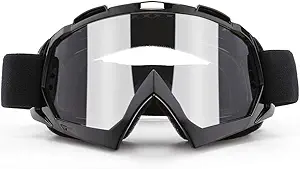
Pack-this-first tip: Add a spare pair of sunglasses if you drive often. Coastal glare can be much stronger than you expect, especially during late morning and golden hour.
2) A Fully Charged Phone Setup
A coastal drive today is part navigation, part camera roll, part soundtrack, part emergency device. So your phone setup matters more than ever.
Bring:
- Fully charged phone
- Power bank
- Car charging cable
- Backup charging cable
- Optional MagSafe or magnetic car mount charger
One of the biggest travel trends right now is simplifying tech: travelers are moving away from carrying too many accessories and instead choosing compact, efficient charging setups that keep everything powered without cable clutter. Portable power banks, multi-use charging tools, and magnetic accessories are especially popular because they solve real travel problems without taking up space.
If your coastal route includes:
- lookout stops
- beach walks
- drone footage
- content creation
- Google Maps detours
…your battery will disappear faster than you think.
Best practice:
Charge your phone before you leave, not “in the car on the way.” The car charger should be your backup, not your plan.
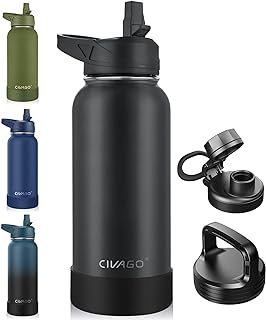
3) Refillable Water Bottles
This one is obvious—but still one of the most important.
Bring:
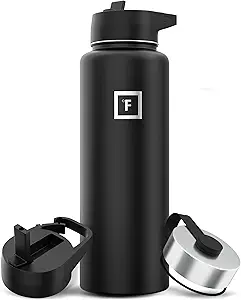
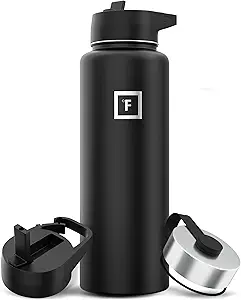
- 1 refillable water bottle per person
- Extra water in the trunk or back seat
- Electrolyte packets if it’s a hot-weather drive
Ocean air, sunshine, salt, and road time can sneakily dehydrate you. Even if you’re mostly sitting in the car, you’ll feel better, stay more alert, and avoid unnecessary convenience-store stops if you bring enough water from the start.
This also fits the bigger shift toward reusable, sustainable travel essentials rather than disposable, single-use items. More travelers are intentionally packing gear that saves money and reduces waste at the same time.
Bonus: A cold insulated bottle instantly makes the drive feel more put-together.
4) Coastal-Drive Snacks That Don’t Make a Mess
The snack situation can either improve the drive or ruin your seats.
Best road trip snack picks:
- trail mix
- granola bars
- crackers
- cut fruit
- dried fruit
- nuts
- popcorn
- protein bars
- sandwiches or wraps in a cooler
Road trip snack trends are still a mix of comfort and practicality, but the smartest setup is simple: easy-to-eat, low-mess, non-greasy food that doesn’t leave your car looking like a beach picnic exploded. Forbes Advisor notes common road trip snack favorites include nuts, seeds, granola bars, fruit, and other grab-and-go options that travel well.
What to skip:
- chocolate in direct sun
- crumb-heavy pastries
- sauces that spill
- anything that requires utensils while driving
Pack-this-first tip: Keep a small snack caddy within reach instead of stuffing everything into one grocery bag.
5) A Small Cooler Bag
This is one of those items people forget—and then wish they had all day.
Use it for:
- cold drinks
- fruit
- sandwiches
- iced coffee
- yogurt
- beach picnic items
A compact cooler bag instantly upgrades a coastal drive. It gives you flexibility. Suddenly you can stop at a scenic overlook and actually enjoy it instead of saying, “We should’ve packed something.”
If you’re trying to make the drive feel more intentional and less rushed, this is a huge win. It supports the 2026 shift toward slow travel and experience-first itineraries where the goal isn’t just to reach a destination, but to enjoy the route itself.
6) Layers for the “Wait, It’s Cold Now?” Moment
One of the most common coastal-drive mistakes is dressing only for the weather at departure time.
Bring:
- lightweight hoodie
- zip-up jacket
- windbreaker
- thin sweater
- extra socks if you’re doing beach stops
Coastal weather changes fast. It can be sunny at noon, windy by 4 PM, and chilly by sunset—especially near cliffs, boardwalks, ferries, or open viewpoints.
This is exactly why shoulder-season and flexible-weather travel packing is trending: travelers want to be ready for changing conditions without hauling oversized bags. Layers beat bulky packing every time.
Rule: If you’re staying out for sunset, bring one extra layer more than you think you’ll need.
7) Sun Protection That You’ll Actually Use
A lot of scenic coastal routes involve more time outside the car than expected.
You stop for:
- viewpoint photos
- beach walks
- lighthouse detours
- lunch with a view
- souvenir browsing
- “just five minutes” that turns into forty
Bring:
- sunscreen
- sunglasses
- lip balm with SPF
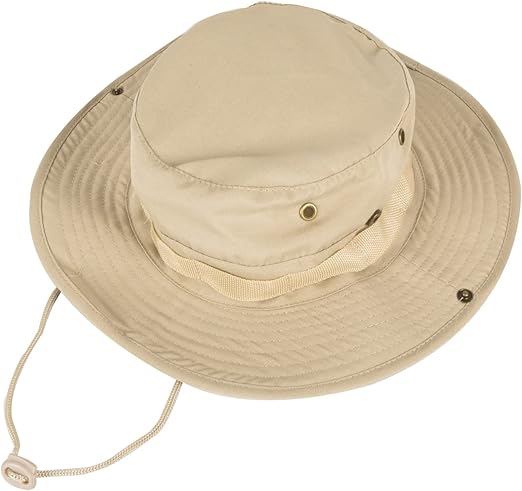
- hat or cap
- optional lightweight cover-up or overshirt
Sunburn is one of the easiest ways to ruin a beautiful day trip. And because sea breezes keep you cooler, you often don’t realize how much sun you’re getting until later.
Pack-this-first tip: Keep sunscreen in a side pocket or front seat tote, not buried in luggage.
8) A Grab-and-Go Day Tote
Even if you’re road-tripping from the car, you still need a small bag for stops.
Ideal coastal tote contents:
- wallet
- phone
- keys
- water bottle
- sunscreen
- sunglasses
- lip balm
- mini towel
- snack
- camera or power bank
This is especially helpful if your drive includes multiple scenic stops. Instead of unpacking the whole car every time, you just grab the tote and go.
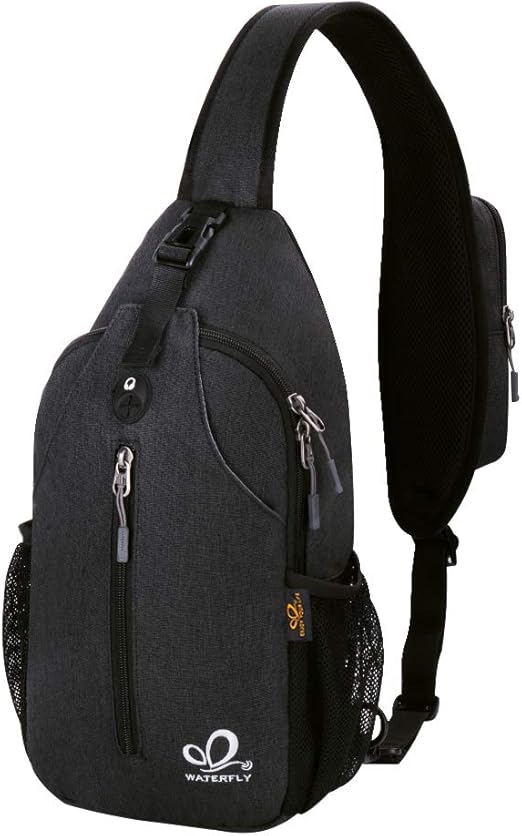
Sling bags and compact crossbody-style travel bags are especially popular right now because they keep essentials accessible without feeling bulky. Recent travel gear coverage has highlighted smaller carry solutions as a practical upgrade for modern travelers who want less clutter and easier access.
9) A Mini Clean-Up Kit
This is one of the most underrated things you can bring.
Include:
- tissues
- wet wipes
- hand sanitizer
- paper towels
- napkins
- small trash bags
- stain wipe or spray
- plastic zip bags for wet items
Road trips are fun. Road trip mess is not.
This matters even more on coastal drives because you’re often dealing with:
- sandy feet
- salty hands
- sunscreen spills
- snack wrappers
- coffee drips
- damp swimsuits or towels
A simple clean-up kit helps the car stay comfortable all day instead of turning into a sticky disaster by stop three.
Cleanliness and organization continue to rank high among the most useful road trip essentials, especially for travelers doing full-day drives or traveling with kids.
10) Beach-Adjacent Extras (Even If You “Might Not Swim”)
If your route touches beaches, coves, tide pools, or seaside promenades, assume you’ll want to get closer to the water.
Bring:
- compact towel
- flip-flops or sandals
- change of clothes
- swimsuit (optional but smart)
- wet bag
- hair tie or claw clip
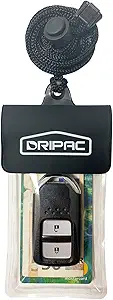
- waterproof phone pouch
You may think you’re “just driving,” but scenic coastal days have a way of becoming spontaneous beach days. And honestly, those unplanned moments are usually the best part.
A lot of memorable travel in 2026 is built around flexibility and micro-adventures—small detours that feel bigger because you’re actually open to them. Packing for possibility is what makes a scenic drive feel special instead of rigid.
11) Comfort Items for Long Stretch Drives
If your route is several hours long, a few comfort items make a huge difference.
Pack:
- neck pillow for passengers
- light blanket
- seat cushion or lumbar support
- gum or mints
- eye mask for naps
- earbuds or headphones for passengers
Comfort is one of the biggest themes in current travel gear trends. People are prioritizing the small things that reduce stress, fatigue, and sensory overload—especially on longer travel days.
The goal isn’t to turn your car into a moving bedroom. It’s just to make the drive feel easier and less draining.
12) A Safety Kit You Hopefully Won’t Need
This is not the glamorous part of the packing list, but it’s the part you’ll be glad you didn’t skip.
Keep in the car:
- first-aid kit
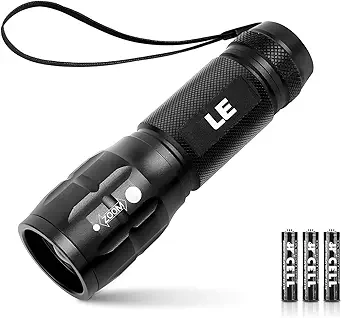
- flashlight
- jumper cables or jump starter
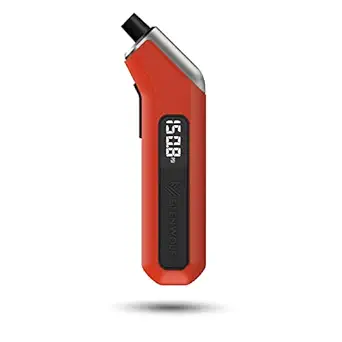
- tire pressure gauge
- spare tire/check tools
- roadside assistance details
- blanket
- basic medications
- emergency snacks
A scenic route often means stretches with fewer shops, fewer fuel stations, and weaker signal. That doesn’t mean you need to pack like you’re crossing a desert—but you do want to be prepared enough that a small issue doesn’t derail the whole trip.
Pack-this-first tip: Check your fuel level and tire pressure before leaving, not once you’re already on the scenic route.
13) Entertainment That Fits the Mood
A coastal drive deserves better than random shuffle chaos.
Prep before you leave:
- road trip playlist
- podcast queue
- downloaded maps
- downloaded music
- optional offline audiobook
One underrated part of making a scenic drive better is reducing unnecessary friction. Bad signal, dead apps, buffering audio, and constantly re-routing directions can make the day feel more annoying than relaxing.
Travelers are increasingly building simpler, lower-stress travel systems that make the experience smoother from the start. Downloading what you need ahead of time is a small move that pays off big.
14) A Camera-Ready Setup for Scenic Stops
Let’s be honest: if you’re doing a coastal drive, you’re probably taking photos.
Bring:
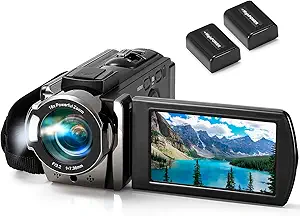
- phone tripod or mini tripod
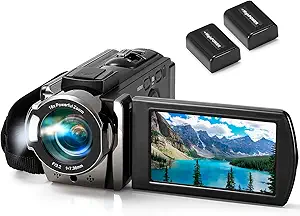
- camera (if you use one)
- lens cloth
- extra memory card
- portable charger
- outfit layer that looks good in photos
This doesn’t have to be influencer-level. But if you know you love documenting your trips, packing for that on purpose makes it easier to capture the day without constantly improvising.
This also fits the broader travel shift toward experience capture and content-friendly travel, especially for people who like making reels, vlogs, photo dumps, or just keeping a beautiful camera roll.
What Not to Bring on a Coastal Drive
Sometimes the best packing advice is what to leave behind.
Skip:
- too many outfit changes
- bulky luggage for a day trip
- high-maintenance food
- heavy tech you won’t use
- too many shoes
- full-size toiletries
- “just in case” clutter
The smartest 2026 travel setups are built around versatility and less friction, not bringing your entire house with you. The more organized and intentional your packing is, the more enjoyable the actual drive becomes.
Final Coastal Drive Packing Formula
If you want to keep it simple, your coastal drive setup should cover five things:
1. Comfort
Water, snacks, layers, seating support
2. Convenience
Phone charger, tote bag, sunglasses, easy-access pouch
3. Cleanliness
Wipes, trash bag, towels, hand sanitizer
4. Flexibility
Swimsuit, sandals, extra layer, cooler bag
5. Safety
First aid, car basics, emergency charging, documents
That’s it.
You don’t need to overpack to have an amazing scenic drive. You just need the right essentials in the right places.
Because the best coastal drives aren’t only about the destination—they’re about pulling over for ocean views, finding an unexpected café, staying out for sunset, and not having to cut the day short because you forgot something simple.
And that’s exactly what this checklist is for.
Quick Coastal Drive Checklist
Car & Driver
- License
- Registration/insurance
- Sunglasses
- Phone mount
- Charger
- Wallet/cash
Food & Drink
- Water bottle
- Extra water
- Snacks
- Cooler bag
- Napkins
Clothing
- Light jacket
- Hoodie
- Hat
- Sandals
- Optional swimsuit/change of clothes
Beach & Scenic Stops
- Sunscreen
- Towel
- Tote bag
- Wet bag
- Camera/phone tripod
Clean-Up & Safety
- Wipes
- Hand sanitizer
- Trash bag
- First-aid kit
- Flashlight
- Emergency car basics