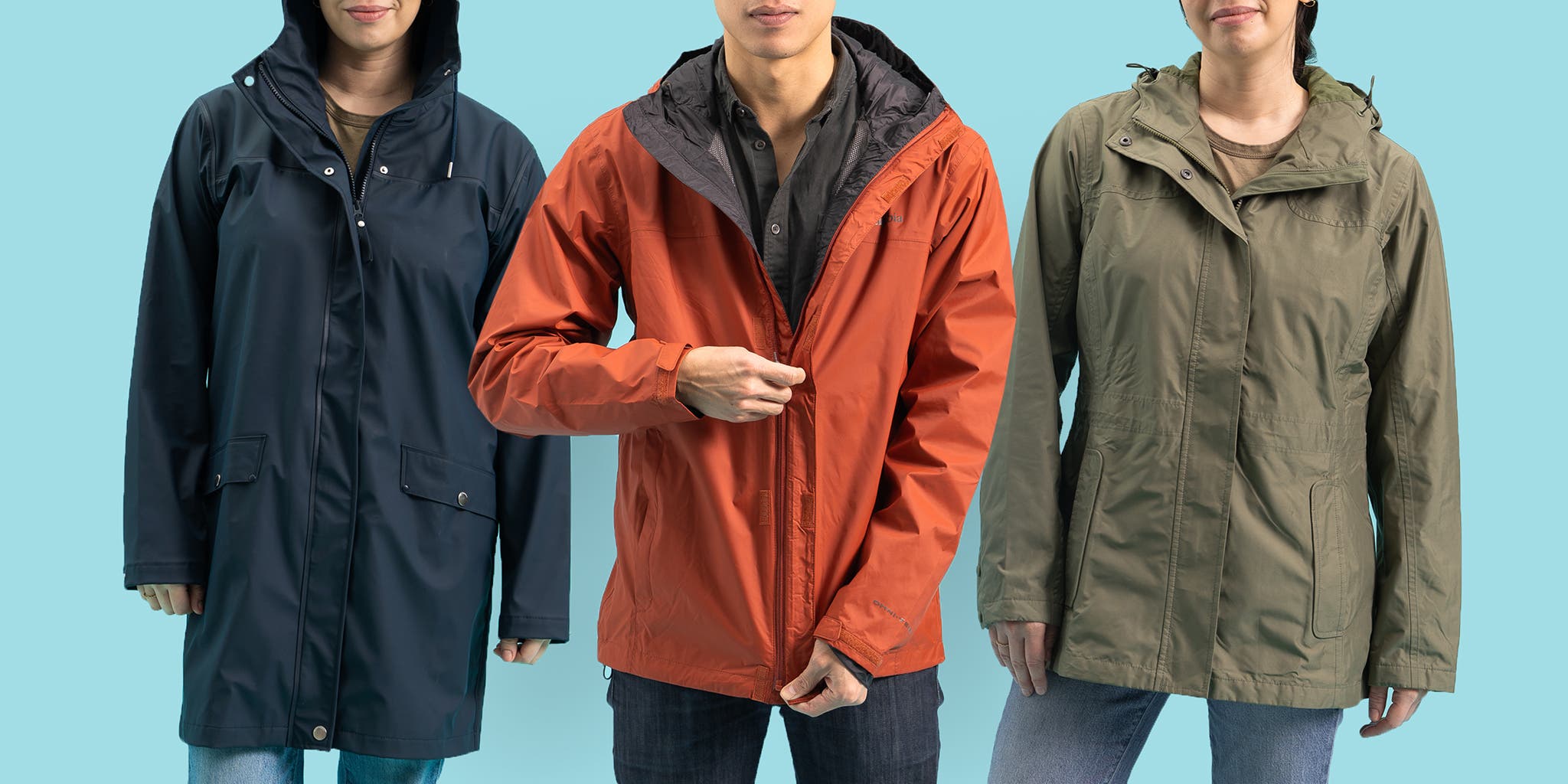
Best Rain Jackets for Hiking in Any Weather: The Ultimate Buying Guide (2026)
Whether you're trekking through misty mountain trails, exploring dense forests, or backpacking across unpredictable landscapes, a high-quality rain jacket is one of the most essential pieces of hiking gear you can own. Weather conditions can change rapidly, and being caught in heavy rain without proper protection can quickly turn an enjoyable hike into an uncomfortable—or even dangerous—experience.
The best rain jackets for hiking provide excellent waterproof protection while remaining breathable, lightweight, and durable. Modern hiking rain jackets are designed to keep you dry without causing overheating during strenuous climbs.
This comprehensive guide explains everything you need to know before purchasing a hiking rain jacket, including the top features, materials, technologies, and recommendations for every type of hiker.
Why Every Hiker Needs a Rain Jacket
Rain jackets are more than just protection against rainfall. They shield hikers from:
- Heavy rain
- Strong winds
- Cold temperatures
- Snow showers
- Mountain fog
- Wet vegetation
- Sudden weather changes
Even on sunny days, experienced hikers carry a waterproof jacket because mountain weather is notoriously unpredictable.
A quality rain jacket also helps maintain body temperature by preventing wind chill and keeping insulating layers dry.
Key Features to Look for in the Best Hiking Rain Jacket
Before buying any waterproof hiking jacket, consider these essential features.
1. Waterproof Rating
The waterproof rating measures how much water pressure a fabric can withstand before leaking.
Typical waterproof ratings include:
- 5,000 mm: Light rain
- 10,000 mm: Moderate rainfall
- 15,000 mm: Heavy rain
- 20,000 mm+: Extreme weather and backpacking
For serious hiking, experts generally recommend at least 10,000 mm waterproof protection.
2. Breathability
While waterproofing keeps rain out, breathability allows sweat vapor to escape.
A breathable jacket prevents:
- Excess sweating
- Damp inner clothing
- Overheating
- Discomfort during climbs
Look for jackets with breathable membranes or pit zips for improved ventilation.
3. Weight
Lightweight rain jackets are easier to pack and more comfortable during long hikes.
General weight categories include:
- Ultralight: Under 8 oz
- Lightweight: 8–12 oz
- Standard: 12–18 oz
- Heavy-duty: Over 18 oz
Backpackers often prefer ultralight options to reduce pack weight.
4. Packability
Many hiking jackets compress into their own pocket or stuff sack.
A packable jacket:
- Saves backpack space
- Adds minimal weight
- Is easy to carry on every trip
Compact storage is especially useful for day hikes.
5. Adjustable Hood
An adjustable hood provides better protection against rain and wind.
Look for:
- Three-point adjustment
- Helmet compatibility
- Stiff brim
- High collar coverage
A good hood significantly improves visibility during storms.
6. Ventilation
Even breathable fabrics can become warm during intense hiking.
Extra ventilation features include:
- Pit zips
- Mesh-lined pockets
- Two-way front zippers
- Back vents
These improve airflow without sacrificing waterproof protection.
7. Durability
Backcountry hiking can be rough on gear.
Choose jackets made with:
- Reinforced shoulders
- Ripstop nylon
- Durable water repellent (DWR) coating
- High-quality zippers
- Abrasion-resistant fabrics
Durability is particularly important if you carry heavy backpacks.
Types of Rain Jackets for Hiking
Hardshell Jackets
Hardshell jackets offer maximum waterproof protection.
Best for:
- Mountain hiking
- Winter trekking
- Multi-day backpacking
- Harsh weather
Pros:
- Extremely waterproof
- Windproof
- Long-lasting
Cons:
- Higher price
- Slightly heavier
Softshell Jackets
Softshell jackets provide moderate weather protection with greater flexibility.
Best for:
- Mild weather
- Fast hiking
- Trail running
Pros:
- Comfortable
- Stretchy
- Breathable
Cons:
- Not ideal for heavy rain
Ultralight Rain Jackets
Designed for minimalist hikers.
Advantages include:
- Extremely lightweight
- Highly packable
- Great emergency layer
Potential drawbacks:
- Less durable
- Fewer pockets
- Simpler construction
Best Rain Jackets for Hiking in 2026
Here are some of the most trusted hiking rain jackets available today.
1. Arc'teryx Beta Jacket
Best Overall
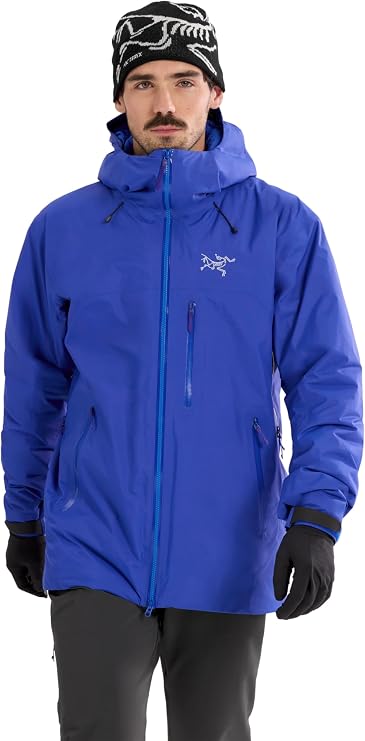
Features:
- Gore-Tex waterproof membrane
- Lightweight construction
- Highly breathable
- Durable design
- Adjustable storm hood
Ideal for:
- Serious hikers
- Backpackers
- Mountain adventures
2.THE NORTH FACE Antora Jacket
Best Value
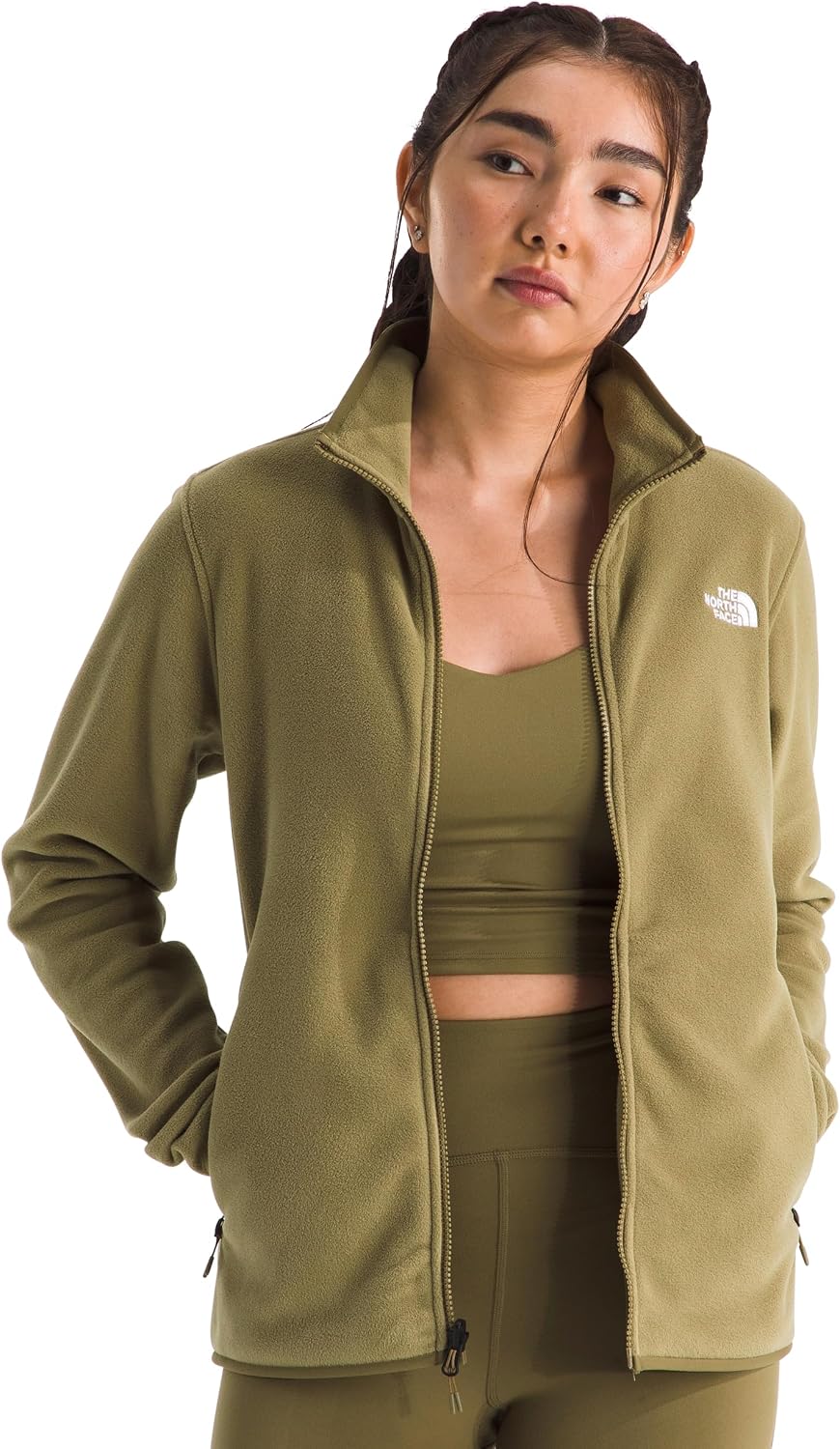
Highlights:
- DryVent™ waterproof and windproof technology
- Lightweight, breathable construction
- Adjustable hood with storm flap
- Secure zippered hand pockets
- Made with recycled materials
Perfect for hikers looking for reliable waterproof protection, everyday comfort, and excellent value for day hikes and weekend adventures.
3. Outdoor Research Foray II
Best Ventilation
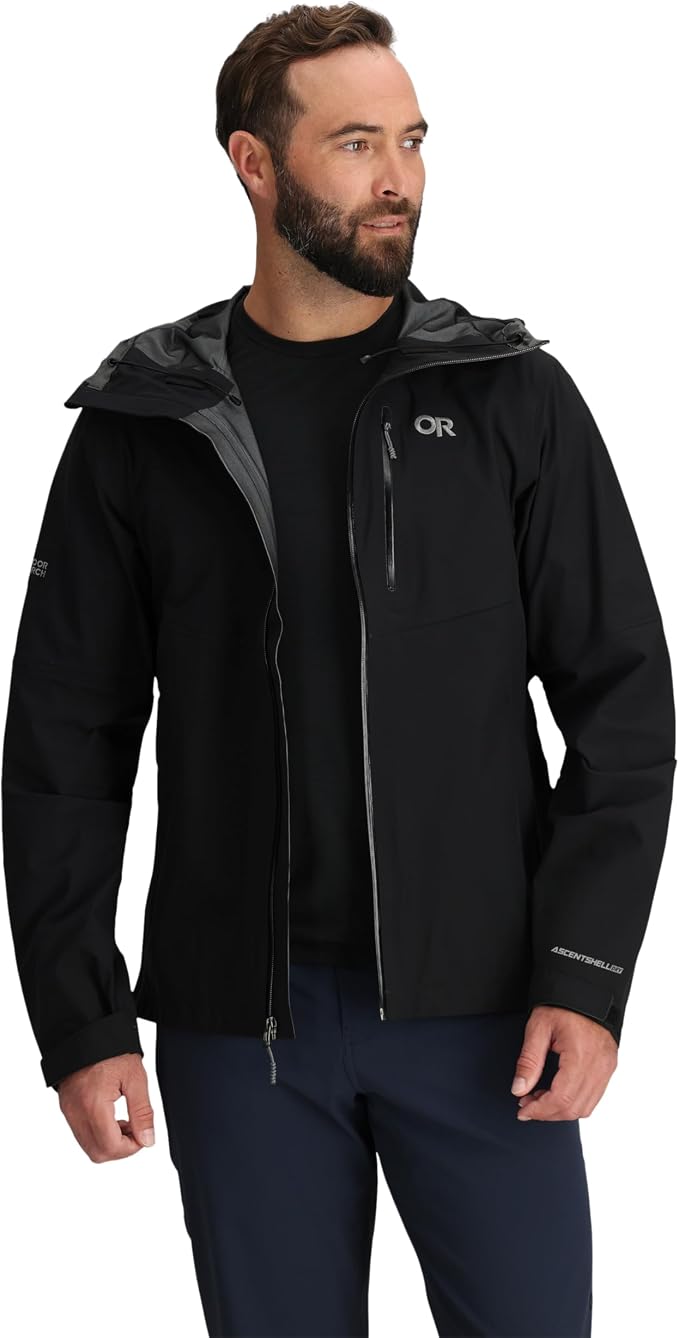
Features include:
- Full-length side zippers
- Gore-Tex Paclite
- Lightweight
- Backpack-friendly design
Excellent for warm-weather hiking.
4. Marmot Minimalist Jacket
Best Budget-Friendly Option
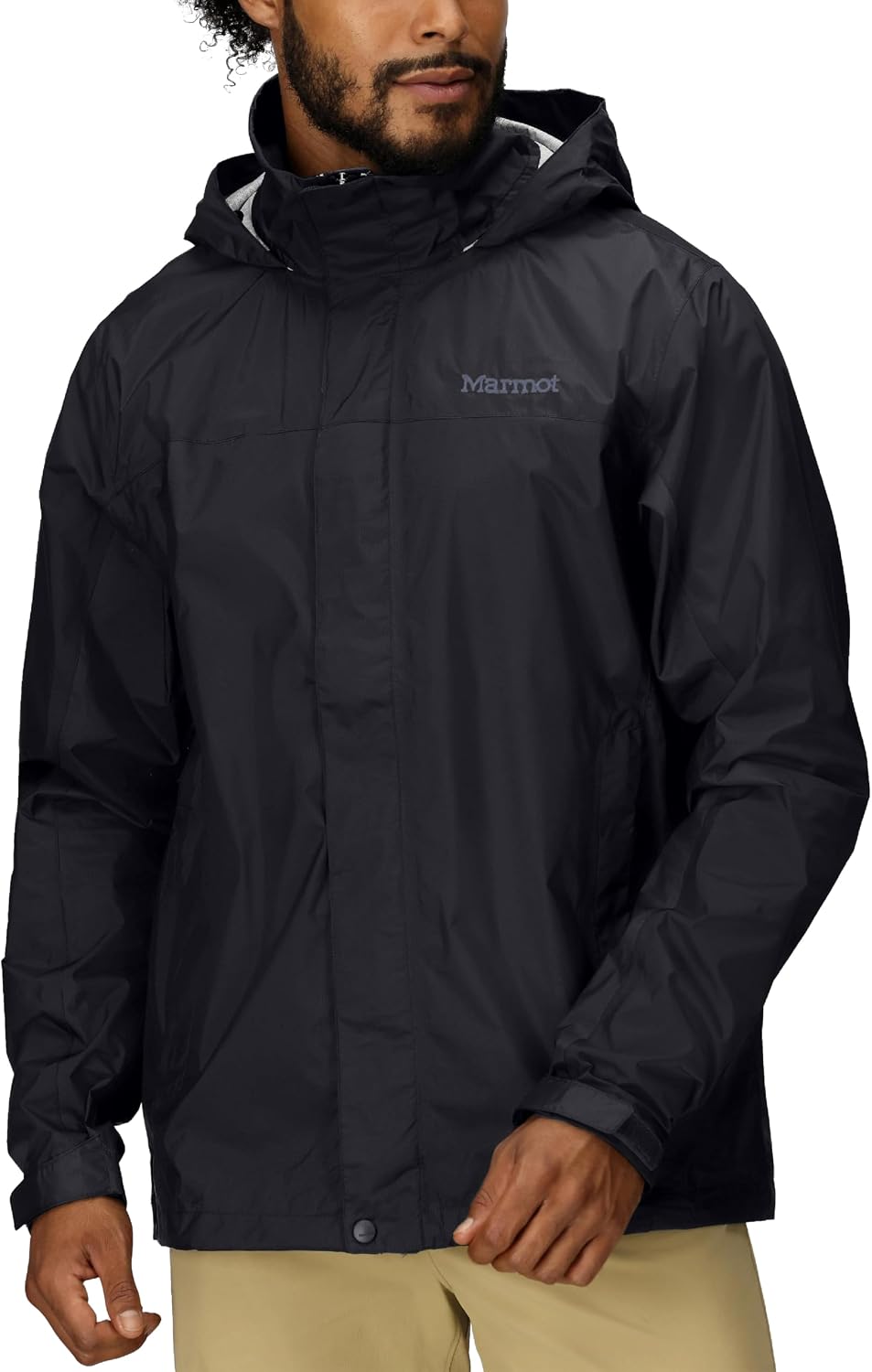
Benefits:
- Gore-Tex protection
- Comfortable fit
- Affordable pricing
- Durable construction
Ideal for beginner hikers.
5. Columbia Watertight II
Best Affordable Rain Jacket
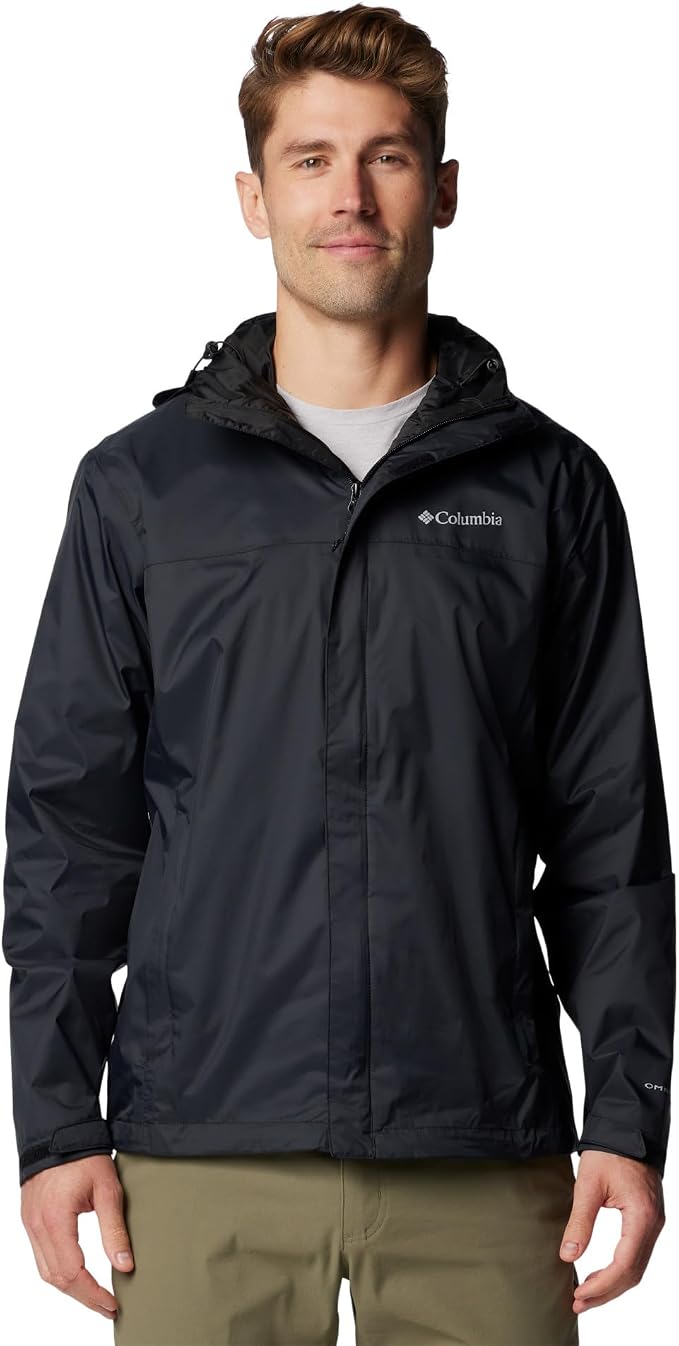
Advantages:
- Lightweight
- Easy to pack
- Excellent value
- Reliable waterproof protection
Great for casual hiking.
Understanding Waterproof Technologies
Modern rain jackets use advanced waterproof membranes.
Popular technologies include:
Gore-Tex
One of the industry's most respected waterproof technologies.
Benefits:
- Excellent breathability
- Long-lasting durability
- Reliable waterproofing
eVent
Offers outstanding airflow while maintaining waterproof protection.
Ideal for:
- High-intensity hiking
- Backpacking
- Mountaineering
Proprietary Waterproof Membranes
Many brands have their own waterproof systems, including:
- Omni-Tech
- DryVent
- H2No
- Pertex Shield
These often provide excellent performance at lower prices.
Layering with a Rain Jacket
A rain jacket works best as the outer shell of a layering system.
Recommended layering:
Base Layer
- Moisture-wicking fabric
- Keeps skin dry
Mid Layer
- Fleece
- Synthetic insulation
- Down jacket (in dry conditions)
Outer Layer
Your waterproof rain jacket blocks rain and wind.
Layering allows comfort across a wide range of temperatures.
How to Choose the Right Hiking Rain Jacket
Ask yourself these questions:
What weather will you encounter?
Frequent storms require stronger waterproof protection.
How long are your hikes?
Long backpacking trips demand durability and comfort.
What's your budget?
Higher-end jackets often last many years.
How much weight matters?
Ultralight hikers prioritize low weight over extra features.
Caring for Your Rain Jacket
Proper maintenance greatly extends jacket life.
Tips include:
- Wash with technical detergent
- Avoid fabric softener
- Reapply DWR treatment when water stops beading
- Air dry unless manufacturer recommends tumble drying
- Store loosely instead of compressed
Regular cleaning actually improves waterproof performance.
Common Mistakes When Buying a Rain Jacket
Avoid these common errors:
- Buying based only on price
- Ignoring breathability
- Choosing the wrong size
- Forgetting ventilation features
- Overlooking hood adjustments
- Purchasing fashion jackets instead of hiking-specific models
A proper hiking jacket is designed for movement and outdoor performance.
Rain Jacket vs. Rain Poncho
Both offer rain protection, but they serve different purposes.
Rain Jacket
Pros:
- Better mobility
- Wind resistant
- Durable
- Suitable for climbing
Cons:
- Less backpack coverage
Rain Poncho
Pros:
- Covers backpack
- Very lightweight
- Easy to put on
Cons:
- Poor performance in windy conditions
- Less durable
Most experienced hikers prefer rain jackets for challenging terrain.
Frequently Asked Questions
Are expensive rain jackets worth it?
Premium jackets often feature superior waterproof membranes, better breathability, stronger construction, and longer lifespans, making them a worthwhile investment for frequent hikers.
How waterproof should a hiking jacket be?
A rating of 10,000 mm is sufficient for most hiking conditions, while 20,000 mm or higher is ideal for prolonged heavy rain.
Can I use a ski jacket for hiking?
Ski jackets are generally heavier and more insulated. Hiking rain jackets are lighter, more breathable, and better suited for active movement.
How long does a waterproof jacket last?
With proper care, a high-quality rain jacket can last 5–10 years or longer, depending on usage and maintenance.
Should a hiking rain jacket fit loosely?
Yes. A hiking rain jacket should leave enough room for layering while allowing unrestricted movement.
Final Thoughts
Choosing the best rain jacket for hiking in any weather is an investment in your comfort, safety, and overall outdoor experience. Whether you're heading out for a short day hike or embarking on a multi-day backpacking adventure, the right rain jacket will keep you dry, comfortable, and prepared for changing conditions.
When shopping, focus on waterproof performance, breathability, durability, weight, and packability rather than price alone. Features such as adjustable hoods, ventilation zippers, and high-quality waterproof membranes can make a significant difference on the trail.
By selecting a reliable hiking rain jacket that matches your environment and hiking style, you'll be ready to tackle rain, wind, and unpredictable weather with confidence—ensuring every adventure remains enjoyable, no matter what the forecast brings